Best Beach Chairs for Men: Budget, Midrange, and Premium Picks for 2026
Disclosure: We may earn a commission when you buy through links on this page, at no extra cost to you. As an Amazon Associate I earn from qualifying purchases. Learn more

Compare the best beach chairs for men by budget and learn which weight capacity, seat height, and comfort features are actually worth paying for.
Beach chairs sell at almost every price point, from simple folding seats that cost less than a cooler of drinks to padded recliners that cost about as much as a weekend rental car. Paying more does not automatically get you a better day on the sand, though. The best beach chairs for men share a few practical traits: a frame rated for your weight, a seat wide enough for your shoulders and hips, and fabric that dries fast after a swim.
This guide sorts the market by budget so you can see what each price tier adds and what it leaves out. It also covers sizing, comfort features, and extras that are easy to overpay for. Start with the comparison table below, then match a chair to your build, your habits, and your budget.


Sizing and Fit Guidance for Men
Most beach chairs are built around an average frame, and that is where many men run into trouble. A chair that looks fine in a photo can feel cramped after twenty minutes if the seat is narrow, the back is short, or the frame flexes under your weight. Fit deserves your attention before fabric colors or cup holders.
Seat Width and Weight Capacity
Start with the weight capacity printed in the product listing, and leave yourself a real margin rather than buying right at the limit. If you weigh around 220 pounds, a chair rated for 250 pounds will feel far more solid than one rated for exactly your weight, especially on soft sand where the legs sink and the frame twists. Seat width matters just as much. Wider seats, often around 22 to 26 inches between the armrests, let bigger men sit without the frame pressing into their thighs.
Seat Height and Standing Back Up
Classic beach chairs sit very low, sometimes only a few inches off the sand. That low profile is stable and easy to carry, but it asks a lot of your knees and hips every time you stand. Taller men and anyone with stiff joints usually prefer a seat around 12 to 17 inches high, which makes standing a simple push rather than a climb. If you are shopping for an older relative, our guide to the best beach chairs for seniors explains how seat height and armrest support affect daily comfort.
Back Height and Shoulder Room
A tall back supports your shoulders and gives your head somewhere to rest when you lean back to read or watch the water. Men over six feet tall should look for backs that rise well above the seat and for headrest padding or an adjustable pillow. Shorter backs are lighter and fine for short visits, but they leave taller sitters slouching, and that slouch turns into an aching neck by midday. Check the listed back height against your torso length rather than trusting photos.
What Your Money Gets You at Each Price Tier
Price tiers in this category follow a fairly predictable pattern. Each step up buys stronger materials, more recline positions, and better comfort details, while the basic job of holding you off the sand stays the same. Knowing what each tier typically includes helps you stop at the level that fits your habits. As you compare listings with the product table above in mind, the tiers below give you a realistic baseline.
Budget Tier: What to Expect
Budget chairs usually cost under $50 and cover the basics honestly. Expect a steel or basic aluminum frame, a single layer of polyester fabric, one or two recline positions, and a weight capacity around 225 to 250 pounds. These chairs are light, simple, and perfectly fine for occasional trips and spare seats in the trunk. The trade offs are thinner padding, smaller seats, and fabric that fades faster in strong sun. For a few beach days each year, those compromises are reasonable.
Midrange Tier: The Sweet Spot for Most Buyers
Midrange chairs, roughly about $50 to $100, are where most men get the best value. Frames get sturdier, capacities often rise to around 300 pounds, and seats grow wider and taller. You also start seeing a mesh back that breathes on hot days, padded armrests, and several recline positions including a flat setting for napping. If you go to the beach most weekends in summer, this tier balances comfort, durability, and price better than any other.
Premium Tier: When Spending More Pays Off
Premium chairs at about $100 to $250 buy refinement rather than a different category of product. Look for rust resistant aluminum or hardwood frames, thick woven fabric that resists sagging, high density foam padding in the seat and headrest, and smooth recline hardware with a tilt lock that holds your chosen angle without slipping. Backpack straps and insulated pockets also appear here. Premium models suit men who spend full days on the sand weekly and want one chair to last many seasons.
Features Worth Paying For and Ones to Skip
Listings compete on long feature lists, but only a handful of features change how a chair feels after three hours in the sun. The points below separate the upgrades that earn their cost from the extras that mostly add weight, bulk, and price.
Ergonomics and Adjustability
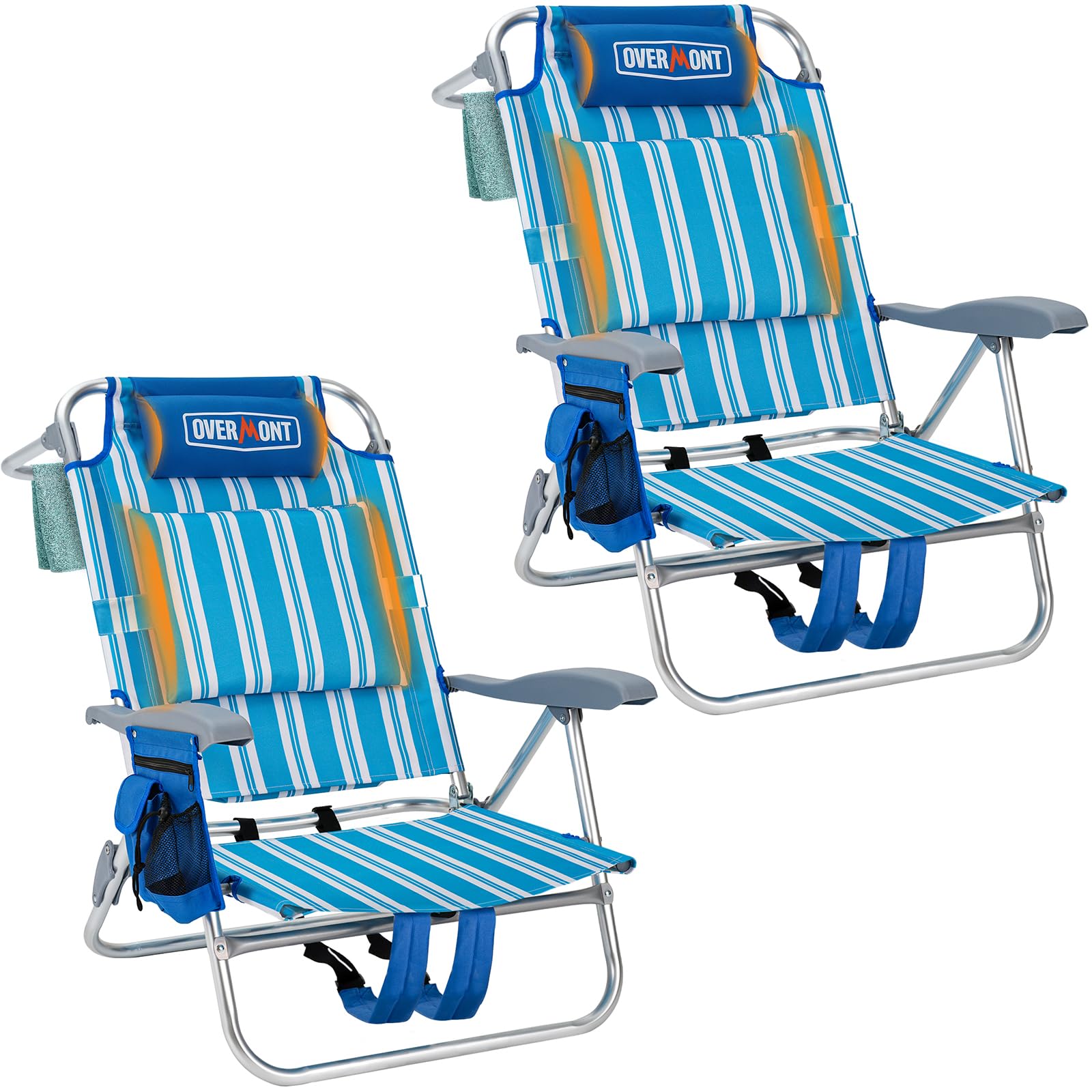
Good ergonomic design is worth paying for because it decides whether you leave the beach relaxed or sore. Multiple recline positions let you sit upright for reading and lean back after lunch, and a firm tilt lock keeps the back from creeping flat under your weight. Lumbar support matters more than most men expect: a contoured back or a small built in pillow keeps your lower back from rounding during long sits. Wide, padded armrests at a natural height also take real pressure off your shoulders.
Comfort and Cushioning
Cushioning is a genuine upgrade for men who sit for hours, yet more padding is not always better. High density foam in the seat holds its shape through a full day, while thin foam flattens quickly and leaves you feeling the frame bars underneath. On very hot days, a breathable mesh back with no padding at all can feel cooler and dries within minutes after a swim. Choose padding if you read or fish for long stretches, and choose mesh if heat and quick drying matter more than softness.
Carry and Setup Features
The walk from the parking lot decides whether a chair feels convenient or burdensome, so carry features deserve real weight in your decision. Backpack straps free both hands for a cooler and a bag, and a chair under about 10 pounds stays comfortable on a long walk across hot sand. Setup should take seconds: most beach chairs simply unfold and lock, with no loose parts to lose. While you plan the full load you carry, our guide to the best beach shoes for men covers footwear that handles the same hot sand and wet rocks.
Extras That Rarely Earn Their Cost
Some extras sound appealing in a listing and disappoint in person. Oversized canopies help at midday but catch wind, add weight, and often shade your face while your legs burn anyway, so a hat usually works better. Tiny phone pockets and novelty holders that fit only one bottle shape add cost without adding comfort. Side tables built into the armrest make the chair wider to carry and easier to tip on uneven sand. Skip extras unless you know exactly how you will use them.
Long Term Costs to Factor In
The purchase price is only part of what a beach chair costs you. When you compare the best beach chairs for men across several seasons rather than a single summer, the math often favors the stronger frame. Fabric is usually the first thing to wear out, and replacement fabric kits exist for some frame styles but not others, so a chair with standard fabric dimensions is cheaper to keep in service. Salt air corrodes cheap hardware over time, which means a budget chair replaced every two seasons can cost more across five years than a midrange chair bought once. Warranty length tells you a lot here: brands that cover frames for several years expect their chairs to last. Factor in a storage spot indoors, since a chair left outside all year ages far faster than one stored in a garage.
How to Make Your Beach Chair Last Longer
Rinse your chair with fresh water after each beach trip, paying attention to the hinges and the underside of the frame where sand and salt collect. Shake out dry sand before folding, because grit trapped in the joints grinds against the frame every time you open and close it. Let the fabric dry fully in the shade before storing, since fabric folded away damp can develop mildew spots and a lasting smell within a few days.
Inspect the frame at the start of each season for bent legs, loose rivets, and fabric seams that are starting to pull apart. Tighten any accessible bolts gently, and stop using a chair with a cracked frame rail, because a frame that fails under you on hard ground can cause a real fall. For readers helping a parent choose a chair, the advice in our guide to the best beach chairs for elderly pairs well with the sizing notes above. For a broader view of frame styles, see our guide to the best beach chairs for a wider comparison of designs.
FAQ
What makes beach chairs for men different from standard beach chairs?
Beach chairs built with men in mind mainly differ in size and strength rather than in style. They tend to offer higher weight capacity ratings, wider seats, taller backs, and higher seats than standard models. A useful check is the distance between the armrests: if that measurement is not listed, the chair was probably designed around a smaller average sitter.
Is an expensive beach chair worth the extra cost for men?
An expensive beach chair is worth the cost if you use it often and it fits your build well. Frequent beachgoers gain real value from stronger frames, better fabric, and padding that survives many seasons. If you visit the beach twice a year, a midrange chair delivers most of the comfort for far less money. One overlooked point: a solid premium frame often serves a second owner for years.
Which beach chair features matter most for sitting for long hours?
The features that matter most for long hours are a supportive back shape, a seat deep enough for your thighs, and armrests at a natural height. Recline positions help because shifting your angle every hour or so relieves pressure better than any single perfect position. Stand up and stretch briefly each hour as well, since even the best chair cannot fully offset sitting still through an entire afternoon.
How long should a well built beach chair for men last?
A well built beach chair for men should last about four to seven seasons of regular summer use. Frames usually outlast fabric, so fraying straps, thinning fabric, and stiff hinges are the usual signs that the end is near. Chairs left outdoors year round wear out much faster. Rotating two chairs across a season, if you own a spare, spreads the wear and extends the life of both.
How do men choose the right beach chair size?
Men choose the right beach chair size by matching three measurements to their own body: seat width, seat height, and back height. Measure the space your hips and thighs actually use in a kitchen chair, then compare that with the listed seat width. Taller men should also check that the top of the back reaches at least to their shoulder blades. When you are between two sizes, pick the larger one.
Final Thoughts
Choosing well comes down to fit, capacity, and honest budgeting. Match the seat width, seat height, and weight rating to your body first, then pick the price tier that fits how often you go. The best beach chairs for men for your money are the ones you can carry easily, sit in for hours, and store without hassle. Look back at the product table above with those checks in hand, and the right choice becomes obvious.