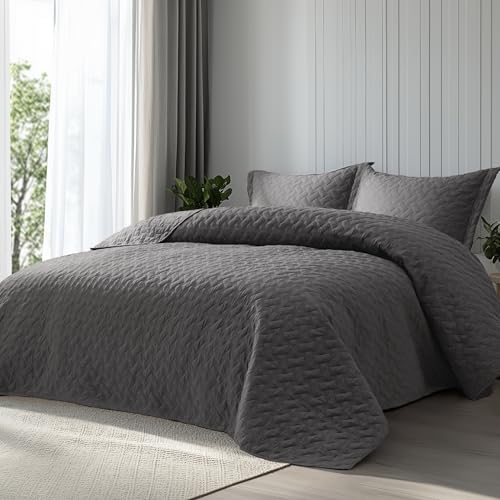
Best Batting for Tied Quilts 2026: High Loft Polyester Compared
Disclosure: We may earn a commission when you buy through links on this page, at no extra cost to you. As an Amazon Associate I earn from qualifying purchases. Learn more

Best batting for tied quilts: compare bonded polyester loft and sizes, then learn how to tie a quilt neatly.
A tied quilt, also called a tufted or comforter style quilt, is held together by knots spaced across the surface instead of dense stitching. That changes what you need from batting: it must stay in place across wide gaps between ties, and it should be thick and fluffy. The best batting for tied quilts is a bonded polyester batting with enough loft and stability that it does not shift or clump between the knots.
The product table above lists high loft polyester batting and related options in several sizes. Use the sections below to understand why polyester suits tied quilts and how to finish a quilt neatly. Use these checks whenever you compare the best batting for tied quilts options in the table.
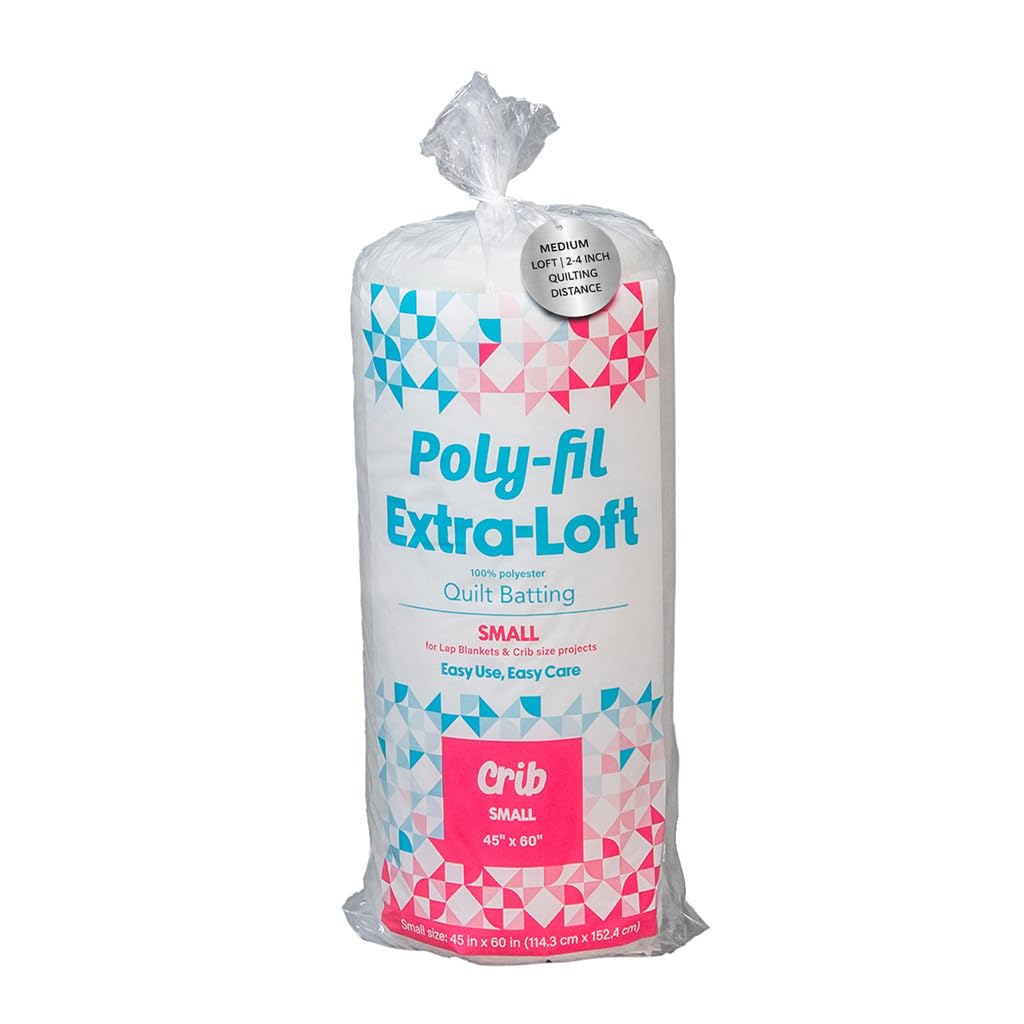

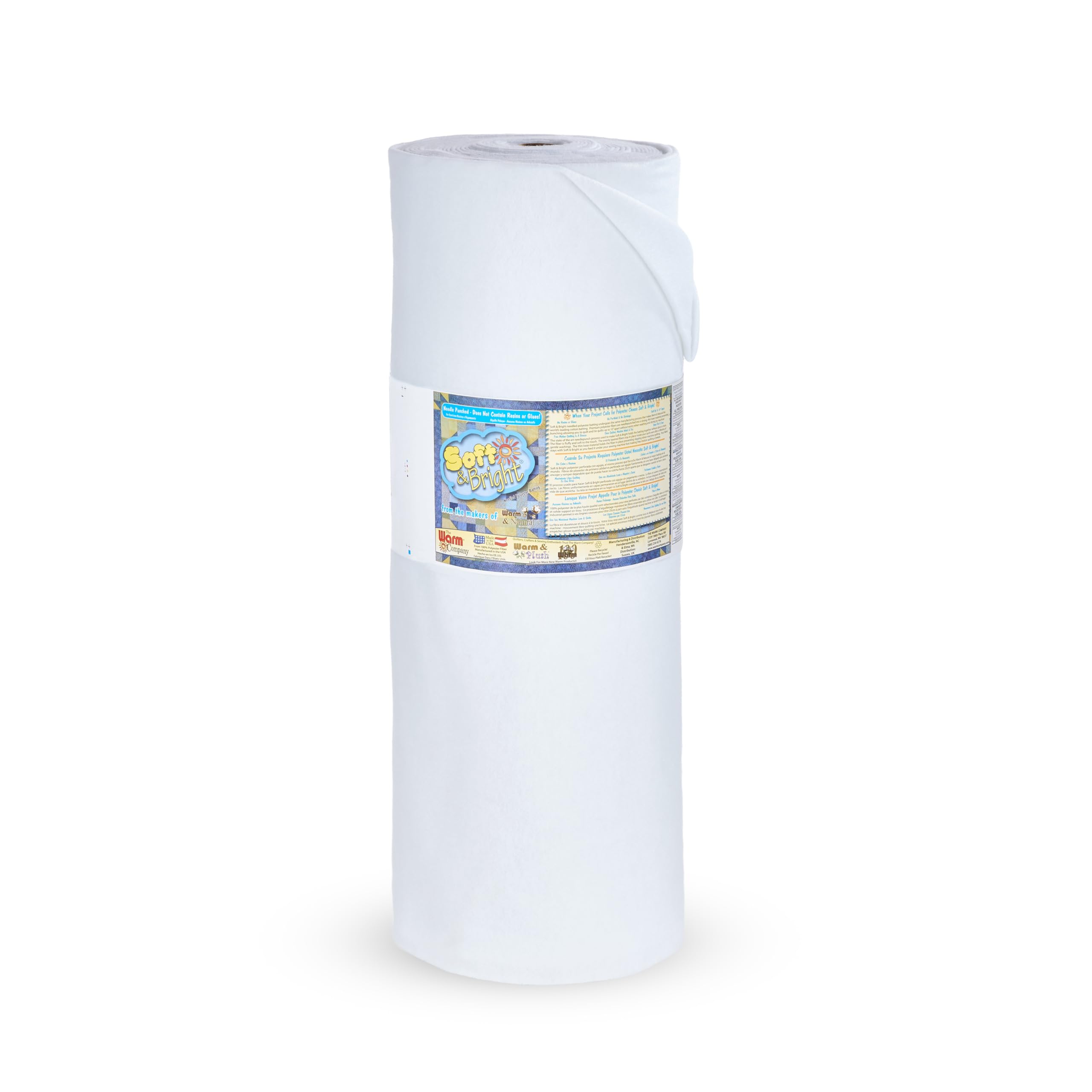



Why Bonded Polyester Works Best
Bonded polyester has fibers glued or needle punched into a stable sheet, so it keeps its shape without being quilted closely. Cotton and wool battings need closer quilting lines, often every few inches, or they bunch up in the wash. With a tied quilt, ties may be 4 to 6 inches apart, which suits a bonded polyester much better. Polyester is also light, warm, washable and affordable.
Choosing Loft
Low loft
Under about 1/4 inch. Flat, suitable for traditional quilts that you will machine quilt. Not ideal for tying.
Medium loft
About 1/4 to 1/2 inch. A good all round choice with a gentle puff and good drape.
High loft
Over 1/2 inch, up to an inch or more. This gives a fluffy, comforter style effect that ties show off nicely. It is warm and pillowy, but it is bulkier to handle and to sew around the edges.
For most tied quilts, medium to high loft is the best, depending on whether you want a lightweight blanket or a cozy comforter.
Choosing a Size
Batting is sold in standard sizes, such as crib, twin, full, queen and king, and by the yard from a bolt. Choose a batting a few inches larger than your quilt top on each side. Tying shifts the layers slightly, and extra width gives you room to trim. By the yard batting suits unusual sizes, but check the width, because some are 45 inches wide, and you may need to join pieces.
How to Tie a Quilt
- Lay the backing on a clean floor, wrong side up, and smooth it. Tape the corners to hold it.
- Place the batting on top and smooth it flat. Let it relax overnight if it came folded.
- Add the top, right side up, and smooth all layers.
- Pin or baste the layers together so they cannot shift.
- Thread a large needle with yarn, perle cotton or embroidery floss. Take a stitch through all layers, tie a square knot and trim the ends.
- Space ties every 4 to 6 inches, and place them at block corners so they do not show.
- Bind the edges or turn the quilt right side out and stitch it closed.
Care Tips
Wash on a gentle cycle in cool or warm water, and tumble dry on low. Avoid high heat, which can flatten polyester. Make sure the knots are secure before washing. Fluff the quilt after drying.
Common Mistakes to Avoid
- Using natural fiber battings that require close quilting.
- Placing ties too far apart.
- Skipping basting and ending up with wrinkles.
- Choosing thick batting for a small baby quilt where a lighter one would be safer.
Frequently Asked Questions
How far apart can ties be?
Usually 4 to 6 inches for polyester batting. Check the batting label for the maximum spacing.
Can I tie with cotton batting?
Some cotton battings allow wide spacing, but most require closer quilting.
Which thread should I use?
Yarn, perle cotton or embroidery floss are common. Use a strong material that can survive washing.
Is a tied quilt warm?
High loft polyester makes a warm comforter, and you can adjust loft to the season.
Backing and Top Fabric Choices
Tied quilts show off bold fabrics. Flannel backs are soft and cozy, and quilting cotton gives a crisp look. For a comforter feel, a lightweight fleece or minky back works but can stretch, so pin carefully. Pre wash fabrics to avoid shrinking after the quilt is finished, and use the same fabric type on both sides for even wear. If you are using a wide backing fabric, you can avoid a seam on the back, which looks cleaner on a large quilt.
Using Thread and Yarn for Ties
Pearl cotton gives a neat, subtle tie and comes in many colors. Wool or acrylic yarn makes a bold, fluffy tie. Embroidery floss in several strands is a bit finer. Use a sharp needle with a large eye, and check that the thread will not shrink or bleed when washed. Tie a square knot (right over left, then left over right), and trim the tails to about an inch. Some quilters add a small button at each tie as a decoration, but avoid buttons on quilts for infants or young children.
Safety for Baby and Child Quilts
For a baby, choose lower loft batting and secure every knot well. Follow pediatric guidance about soft bedding and keep blankets out of sleep spaces for infants. Wash the finished quilt before use, and check regularly that ties remain tight. Ask your child's doctor for advice about bedding if you are unsure.
Estimating Cost
Polyester batting is among the least expensive options. Small packs for crib and twin quilts cost a few dollars to about twenty, while queen and king packs run higher. Buying by the roll costs less per square foot if you make several quilts. A tied quilt also saves money on thread and quilting time, which makes it a popular first project and a good charity quilt.
Finishing the Edges
After tying, trim the batting and backing to match the top, leaving a quarter inch for the seam if you bind it. A double fold binding gives a sturdy edge that protects the batting from wear. For a quick finish, place the top and backing right sides together, stitch around, leave a gap, turn the quilt right side out and close the gap by hand. Add a final row of ties near the edges to hold the layers firmly.
Final Thoughts
Choose bonded polyester in a loft that matches the look you want, buy a size larger than the top and tie securely. The best batting for tied quilts stays soft and even between knots and survives repeated washing. Compare the options in the product table, and for related reading see the guides to the best cotton batting for quilts and the best batting to use for quilts.