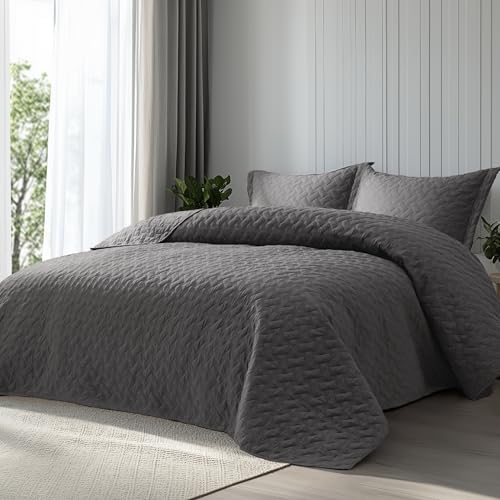
Best Batting to Use for Quilts 2026: Cotton, Polyester, Wool and Blends
Disclosure: We may earn a commission when you buy through links on this page, at no extra cost to you. As an Amazon Associate I earn from qualifying purchases. Learn more

Best batting to use for quilts: compare cotton, polyester, wool and blends by loft and quilting distance.
Batting is the middle layer of a quilt, and it decides how warm, soft and heavy the quilt feels. It also controls how close your quilting lines must be and how the finished piece wears over time. The best batting to use for quilts depends on the look you want: cotton for a flat, traditional feel, polyester for loft and easy care, wool for warmth with little weight and blends for a balance.
The product table above lists cotton, blend, wool and polyester battings in several sizes. Read the sections below to compare the fibers and match one to your project. Use these checks whenever you compare the best batting to use for quilts options in the table.


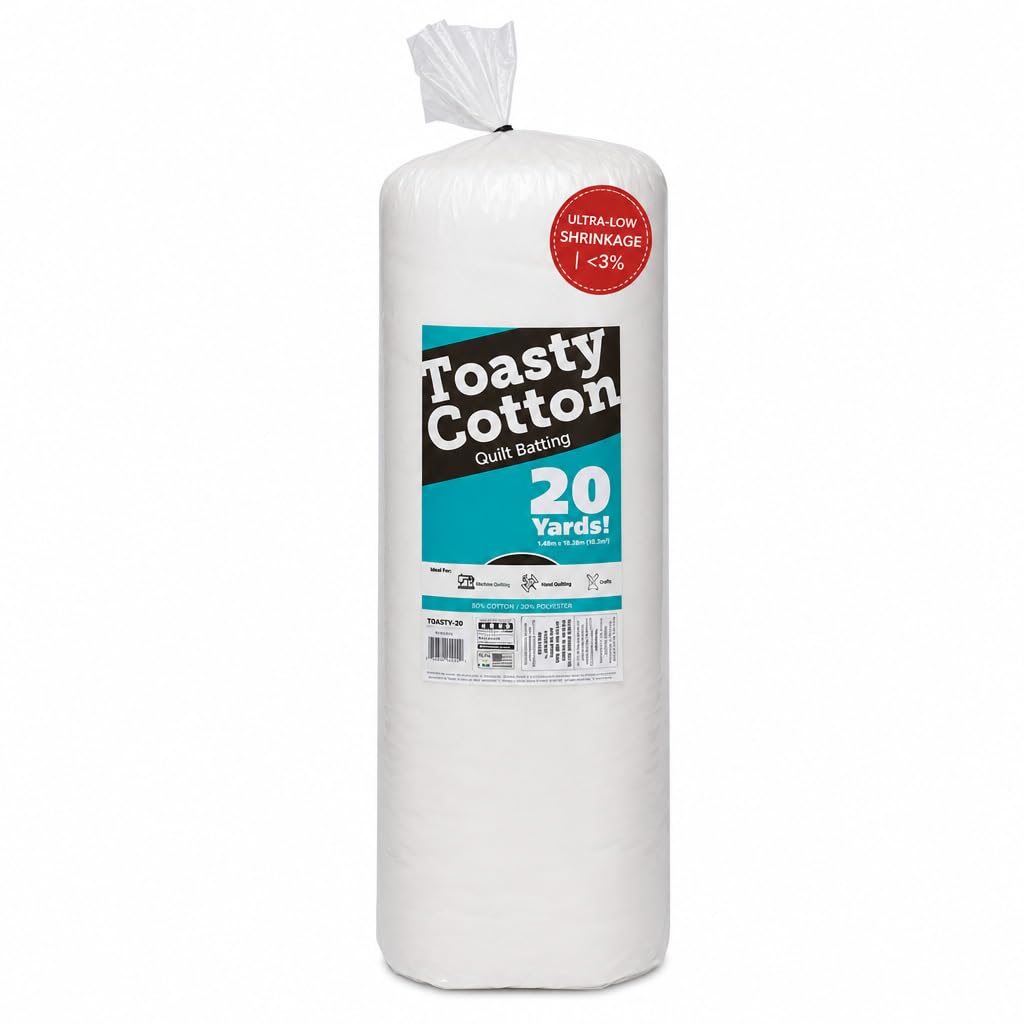


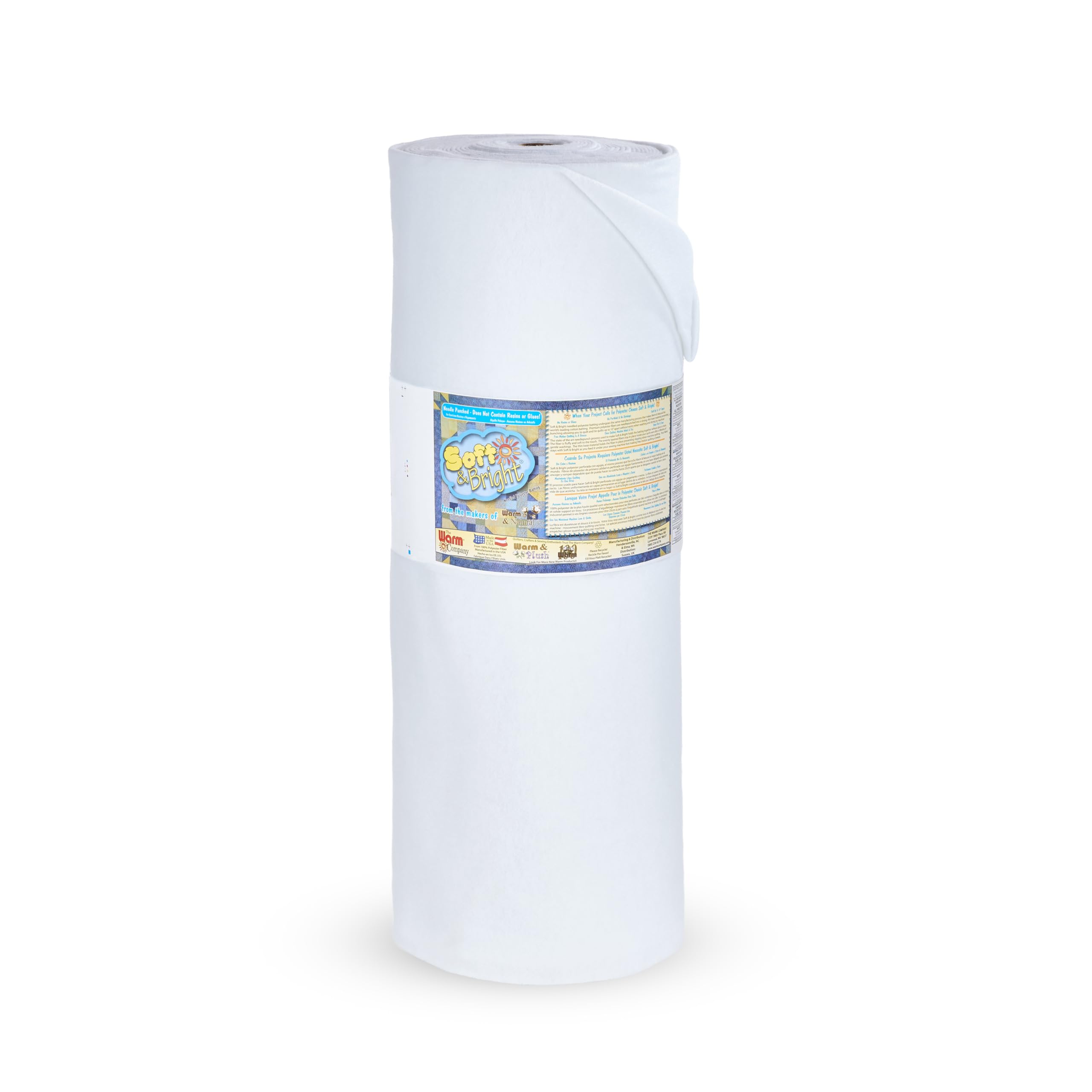
Main Batting Fibers
Cotton batting
Soft, breathable and natural, cotton lies flat and drapes well. It shrinks slightly after washing, which gives the antique crinkled look many quilters love. Cotton needs closer quilting, often every 2 to 8 inches depending on the product, and it is heavier than polyester. It is a favorite for wall hangings, bed quilts and baby quilts.
Polyester batting
Lightweight, fluffy and resistant to moisture, polyester holds its loft and costs less. It beards if it is of poor quality, which means fibers migrate through the fabric. Bonded or needle punched polyester reduces this. It suits tied quilts and comforters.
Cotton polyester blend
An 80/20 blend has the feel of cotton with added stability and less shrinkage. It is one of the most popular choices for all around use.
Wool batting
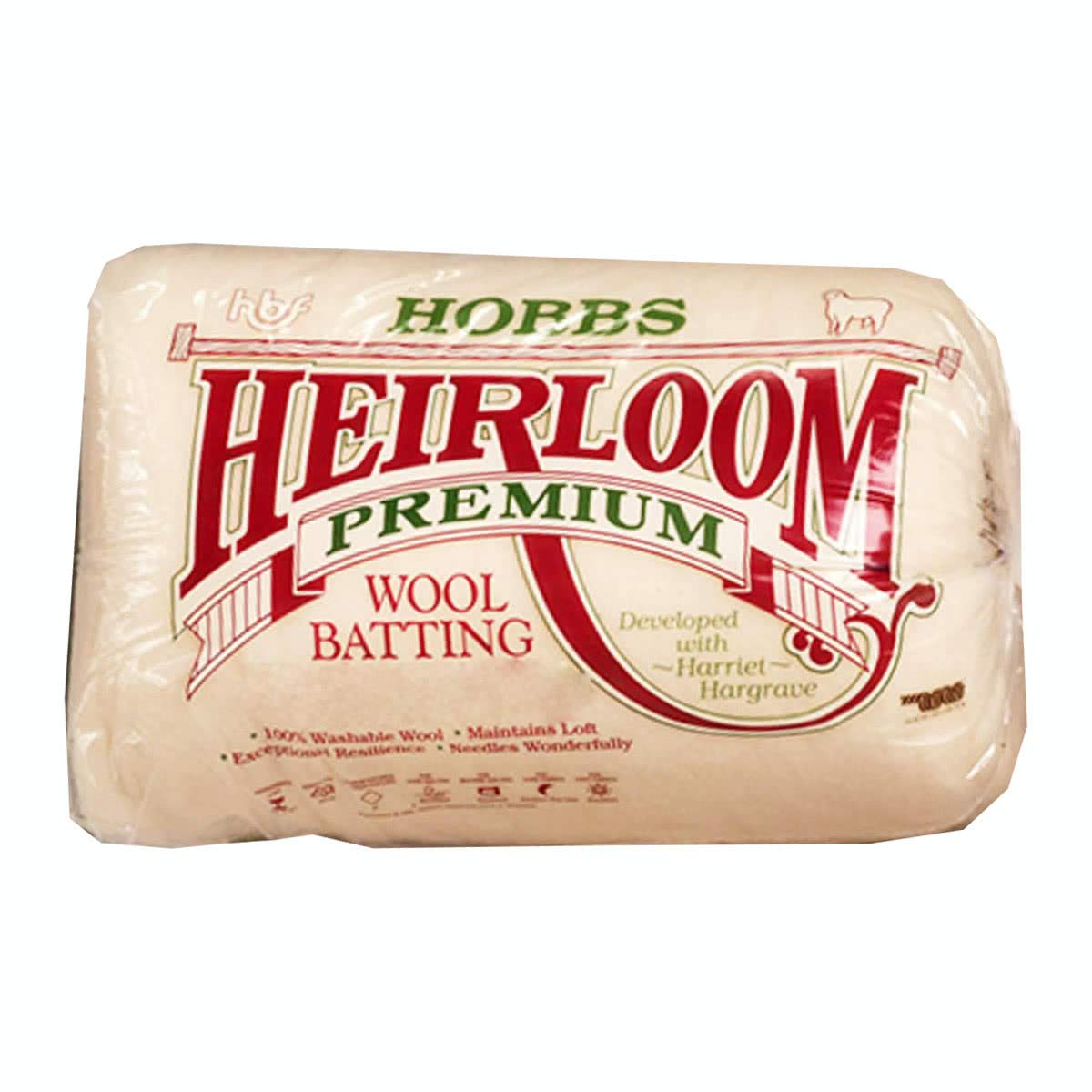
Warm, light and springy, wool breathes and regulates temperature. It needs care in washing and costs more. It is excellent for winter quilts.
Bamboo and silk blends
Soft, with a nice drape and silky feel. They are usually priced higher, and are chosen for heirloom and show quilts.
Loft and Weight
Low loft battings give a flat, traditional look and make hand quilting easier. Medium loft adds a gentle puff. High loft gives a comforter style. Match loft to the quilting method: machine quilting with a standard foot handles low to medium loft well, and thick batting may be difficult to feed under the machine.
Needle Punched, Fusible and Scrim
- Needle punched batting has fibers locked together with needles, which prevents bearding and allows wider quilting spacing.
- Fusible batting has a light adhesive on one or both sides that bonds to fabric with an iron. It makes basting simple.
- Scrimmed batting has a thin layer of fabric to help hold fibers in place, which allows wider quilting.
Choosing for Your Project
- Bed quilt: 80/20 blend, cotton or medium loft polyester.
- Baby quilt: soft cotton or low loft blend, washable and breathable.
- Wall hanging: low loft cotton or fusible batting.
- Winter quilt: wool or high loft polyester.
- Show quilt: wool, silk or cotton with fine finishing.
- Tied quilt: bonded polyester.
Size and Prewashing
Buy batting a few inches larger than the quilt top on all sides. Standard sizes include crib, twin, queen and king. Bolts are sold by the yard. Follow the label for prewashing. Many cotton battings are best prewashed for a flatter look, while others are designed to be used straight from the package. Let batting relax by unrolling it a day before use.
Quilting Distance
Each batting has a maximum spacing for quilting, listed on the label. Exceeding it may cause shifting and bunching during washing. Polyester and needle punched types often allow wider spacing, while loose cotton needs close lines.
Care of Finished Quilts
Wash in a front loading machine or gentle cycle with mild detergent, and dry on low heat. Wool quilts need cool water and gentle handling. Store quilts folded loosely in a breathable cotton bag, and refold them occasionally to avoid permanent creases.
Common Mistakes to Avoid
- Ignoring the maximum quilting distance.
- Choosing very high loft for machine quilting.
- Skipping the label instructions.
- Buying a batting that is too small.
Frequently Asked Questions
Which batting is best for beginners?
An 80/20 cotton polyester blend is forgiving, stable and easy to sew.
Does batting shrink?
Cotton can shrink three to five percent. Polyester shrinks very little.
Can I use two layers?
Yes, for extra warmth, but quilting becomes harder.
Is wool batting itchy?
Quality wool batting is enclosed between fabrics, so it is not usually itchy.
Comparing Popular Batting Brands
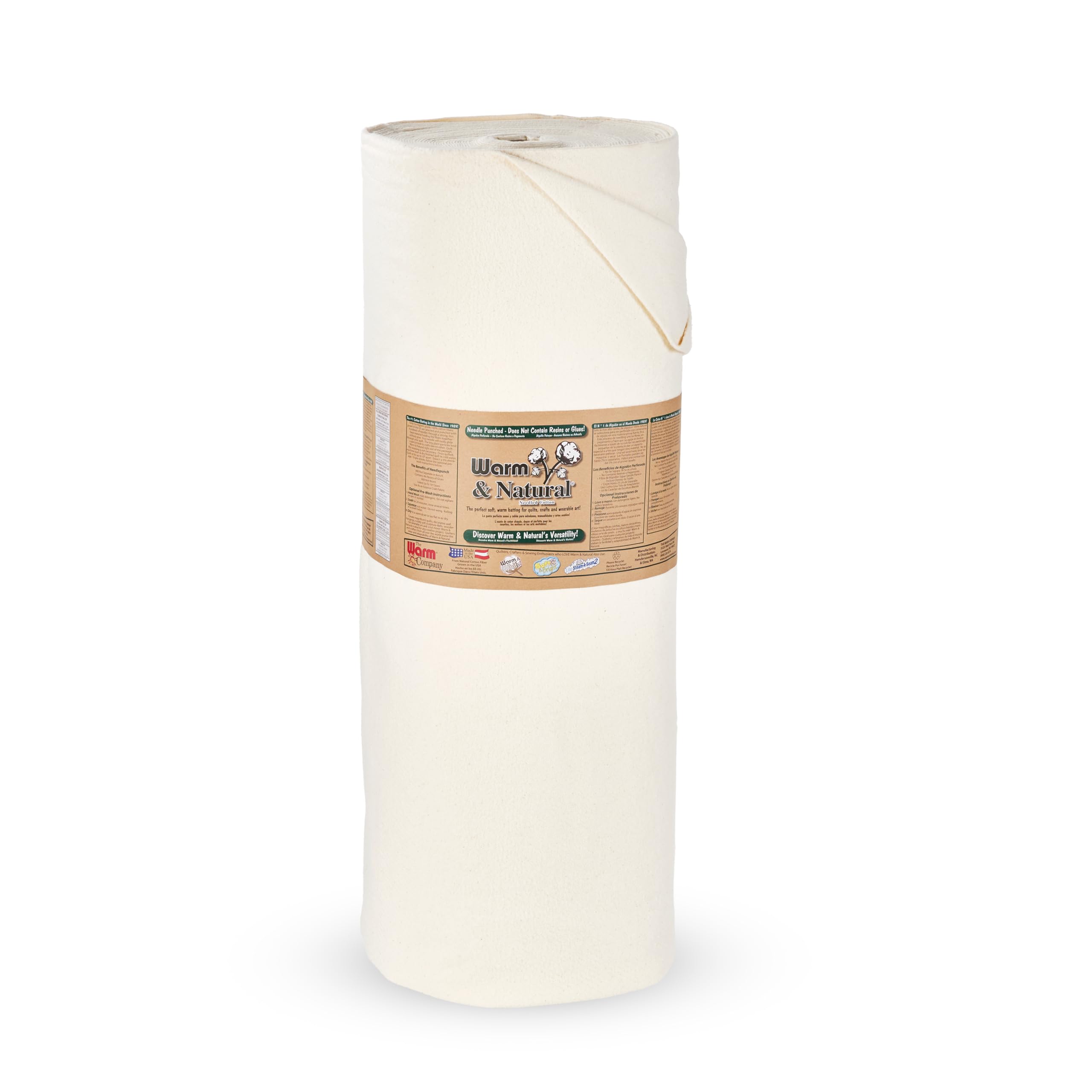
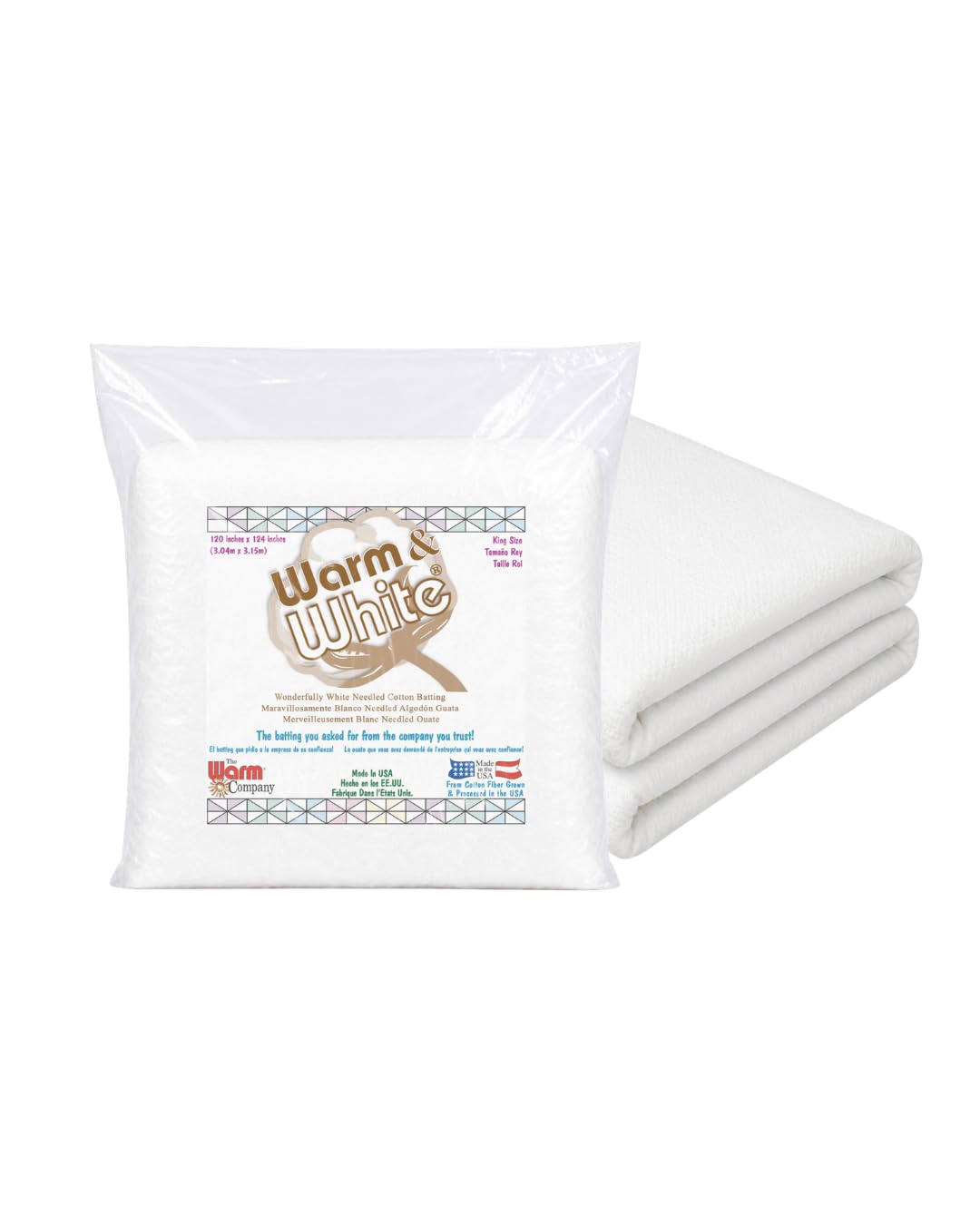
Quilters often mention a handful of well known names. Warm and Natural is a needle punched cotton favored for its flat, traditional look. Warm and White is a bleached version for light fabrics. Hobbs offers cotton, wool and polyester options, including heirloom lines. Fairfield sells Poly-Fil polyester and cotton blends, and Quilters Dream makes cotton, wool and bamboo blends in many lofts. Each brand lists its loft and quilting distance, so compare these figures rather than relying on the brand alone.
Trying a Batting Before a Big Project
If you are trying a new batting, make a small sandwich of top fabric, batting and backing and quilt a sample at the spacing you plan to use. Wash and dry the sample as you would the finished quilt. Notice how it shrinks, drapes and feels, and whether fibers poke through. This quick sample prevents unpleasant surprises after hours of sewing.
Working With Batting Smoothly
Lay batting flat for a day before use so the folds relax. Smooth it over the backing with your hands rather than stretching it. Baste with safety pins, spray adhesive or a basting thread to hold layers. When quilting on a home machine, roll the sides of the quilt toward the center to fit under the arm, and use a walking foot to feed layers evenly. A fresh needle sized for quilting prevents skipped stitches in thicker layers.
Matching Batting to Quilting Method
Hand quilters prefer low loft, soft batting such as thin cotton or wool, because the needle slides through easily. Machine quilters on a home machine do well with cotton, blends and low to medium loft polyester. Long arm quilters can handle thicker, higher loft battings. If you are new to quilting, start with a forgiving blend and work up to specialty fibers.
Final Thoughts
Pick a fiber for the look and feel you want, match the loft to your quilting method and check the quilting distance. The best batting to use for quilts is the one that suits your project, your budget and your sewing style. Compare the options in the product table, and see the guides to the best cotton batting for quilts and the best wool batting for quilts.