Best Batting for Mug Rugs 2026: Thin, Washable and Heat Tolerant
Disclosure: We may earn a commission when you buy through links on this page, at no extra cost to you. As an Amazon Associate I earn from qualifying purchases. Learn more

Best batting for mug rugs: compare cotton, insulated and pre cut options for small quilted mats.
A mug rug is a small quilted mat, a bit larger than a coaster, that holds a mug and often a cookie or two. The batting inside decides how soft, flat and heat tolerant it is. The best batting for mug rugs is thin, stable and able to handle a warm mug, so the finished piece lies flat on a table and washes without lumps.
The product table above lists thin cotton, insulated and pre cut batting options suited to small projects. The sections below explain how to pick a type and how to use it in a mug rug. Use these checks whenever you compare the best batting for mug rugs options in the table.

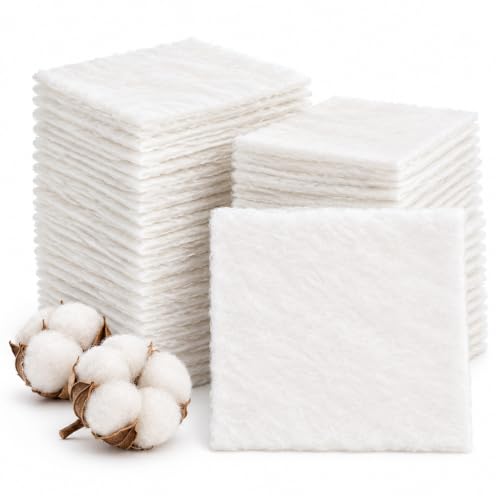
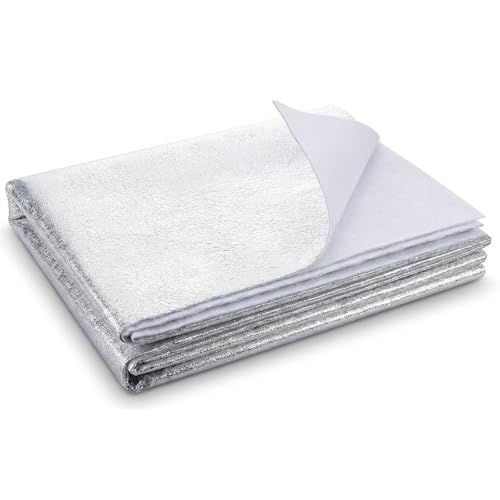
What a Mug Rug Needs From Batting
Mug rugs are small, typically 5 by 8 inches to 8 by 10 inches. Thick batting makes a bulky mat that tips a mug and is hard to bind. A low loft layer gives a slight cushion and keeps the quilting lines crisp. Because the rug sits under hot drinks, many makers also choose batting with some heat resistance. Washability matters too, because spills are part of a mug rug's life.
Types of Batting for Mug Rugs
Thin cotton batting
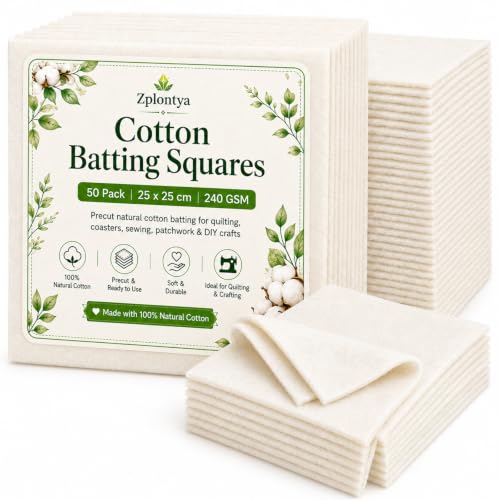
Low loft cotton is the most popular choice. It is soft, breathable and quilts neatly. It may shrink slightly after the first wash, which gives a nice crinkled look. Choose pre washed or pre shrunk if you want a smooth finish.
Cotton polyester blends
An 80/20 blend keeps the feel of cotton with a bit more stability. It holds its shape well in small pieces.
Insulated batting
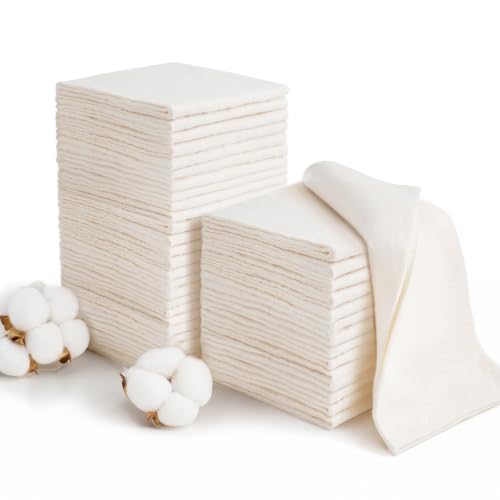
Products made for potholders and hot pads use a heat reflective layer between fabric. A mug rug with insulated batting protects a table from a hot mug. It is stiffer, so use a thin piece.
Fusible batting
A fusible layer sticks to the fabric with an iron, which prevents shifting while you quilt. It is handy for tiny projects.
Pre cut batting squares
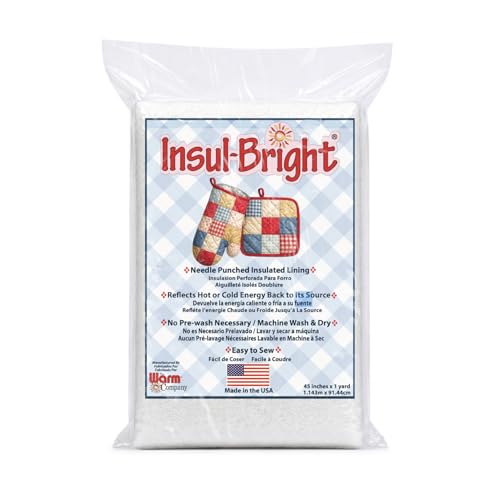
Packs of 5 to 20 inch squares save time and waste, and suit makers who produce many mug rugs.
Choosing Thickness and Loft
Look for batting about 1/8 inch thick or less. Needle punched cotton and thin polyester are the easiest to sew through on a home machine. If you want a plusher mug rug, you can use two thin layers instead of a thick one. Always try the batting on a scrap before sewing a whole batch.
How to Make a Mug Rug
- Cut a top, a backing and a batting piece, each about an inch larger than the finished size.
- Layer the backing right side down, the batting and the top right side up. Pin or baste.
- Quilt with straight lines, a grid or free motion stitching.
- Trim the edges to the final size.
- Bind with fabric binding or turn and stitch the edges.
Care Instructions
Machine wash on a gentle cycle in cold or warm water and tumble dry on low. If you use insulated batting, check the product instructions, because some should not be ironed directly. Let the mug rug cool before folding. Avoid placing very hot items, such as a pot straight from the stove, on a mug rug, since it is not a trivet.
Common Mistakes to Avoid
- Using thick batting, which makes the piece lumpy.
- Forgetting to pre wash fabric and batting if shrinkage is a concern.
- Choosing very bulky insulated batting for a tiny mug rug.
- Skipping a test piece.
Frequently Asked Questions
What size is a mug rug?
Usually 5 by 8 inches to 8 by 10 inches, depending on the mug and plate.
Can I use scraps of batting?
Yes. Mug rugs are a good use for small offcuts. Join scraps by overlapping edges and zigzag stitching.
Is cotton batting safe under a hot mug?
It handles normal mugs of coffee or tea, but it does not protect from very hot pans. Use insulated batting if you want more protection.
Do I need to pre wash batting?
Not always. Check the label, since some brands shrink and others are pre shrunk.
Design Ideas and Uses
Mug rugs are a quick way to practice quilting techniques, try a new color palette or use a small stash of fabric. Patchwork squares, applique shapes, seasonal prints and hand embroidered details all work well at this scale. Because the mat is small, you can finish one in an evening, which makes it a favorite for gifts, swaps and craft fairs. A mug rug can also work as a coaster for a candle, a desk mat for a phone or a mat for a plant.
Sewing Tips for Small Projects
Use a walking foot if the layers shift, and shorten your stitch length slightly for small pieces. Press seams flat before layering, so the finished mug rug does not have ridges. Round the corners with a coin or small plate before binding, because curved corners are easier to bind and wear better. Clip any loose threads, and press the finished rug lightly, from the back, to avoid flattening quilting stitches.
How Much Batting You Need
A single mug rug uses only about 80 square inches of batting, so a pack of pre cut squares or a small piece of yardage goes a long way. A 45 by 36 inch piece of thin cotton batting can make a dozen mug rugs, with offcuts left for small projects such as pot holders. If you plan to sell mug rugs or make many gifts, buy by the yard or roll, since it costs less than packs of small squares.
Choosing Fabrics to Match the Batting
Quilting cotton is the usual choice for mug rug tops and backs, since it presses well and is easy to wash. Avoid very stretchy or loosely woven fabrics, which distort with thin batting. If you use insulated batting, pair it with tightly woven cotton on both sides, because fabric that is too thin can show the shiny layer. A flannel or fleece back adds a soft touch for a cozy mat.
Final Thoughts
Keep the batting thin, stable and washable, and use insulated batting if heat protection matters. The best batting for mug rugs gives a small project a neat, flat finish that survives daily use. Compare the products in the product table, and for related reading see the guide to the best insulated mug.