
Best Batting for Couch Cushions 2026: Thickness, Type and How to Wrap
Disclosure: We may earn a commission when you buy through links on this page, at no extra cost to you. As an Amazon Associate I earn from qualifying purchases. Learn more

Best batting for couch cushions: compare polyester wrap thickness and width, then wrap your cushions neatly.
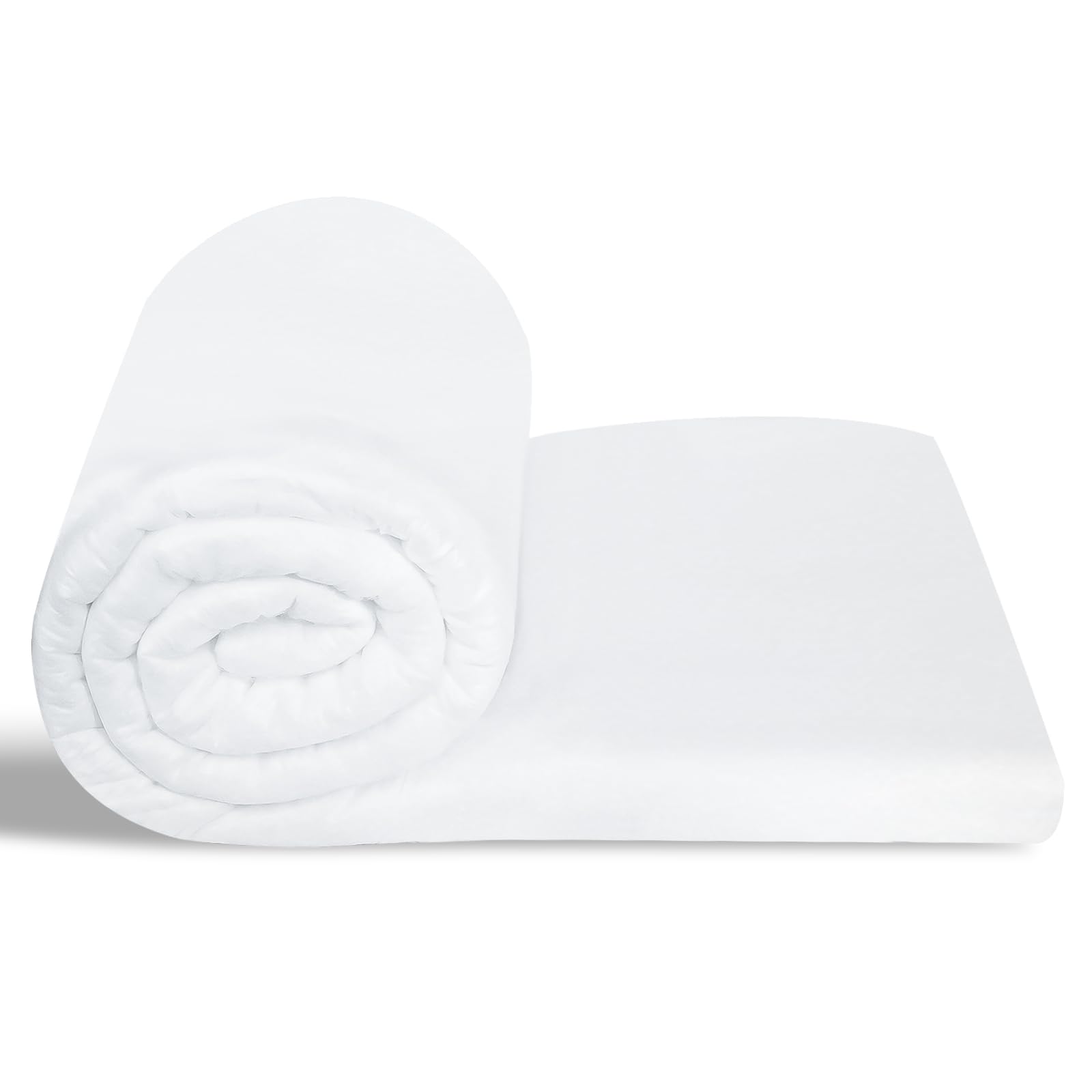
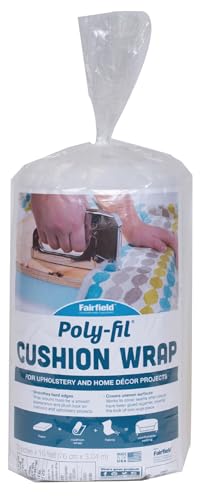
Batting is the soft polyester or cotton layer wrapped around a foam cushion core. It rounds the edges, fills gaps between foam and cover, and gives a sofa cushion a plush look while helping the cover slide on smoothly. The best batting for couch cushions is a bonded polyester wrap, often called Dacron, in a thickness that suits your foam and your cover.
The product table above lists upholstery batting and cushion wrap products. The sections below explain the options, how to measure and how to wrap a cushion so it looks neat and holds its shape. Use these checks whenever you compare the best batting for couch cushions options in the table.



What Batting Does for a Couch Cushion
Raw foam looks blocky and the cover can snag on its edges. A layer of batting softens the corners, hides any uneven cuts and adds a bit of loft. It also keeps foam from rubbing against fabric, which reduces wear and noise. Batting does not replace foam. The core still provides support, so choose a foam density that suits the sofa. If you are replacing the whole cushion, you will also need a cover or sewing skills.
Types of Batting for Cushions
Bonded polyester (Dacron) wrap
The standard choice for upholstery. It comes in rolls or sheets, typically in thicknesses from 1/2 to 1 inch. It resists moisture, does not break down easily and holds its shape. Look for a product labeled as upholstery batting or cushion wrap.
Polyester fiberfill
Loose or sheet fiberfill is used for pillows and for refilling flat cushions. It is soft and inexpensive, but it can clump over time.
Cotton batting
Natural and breathable, but it compresses and holds moisture. It is better for quilts than for cushions.
Foam wrapped batting
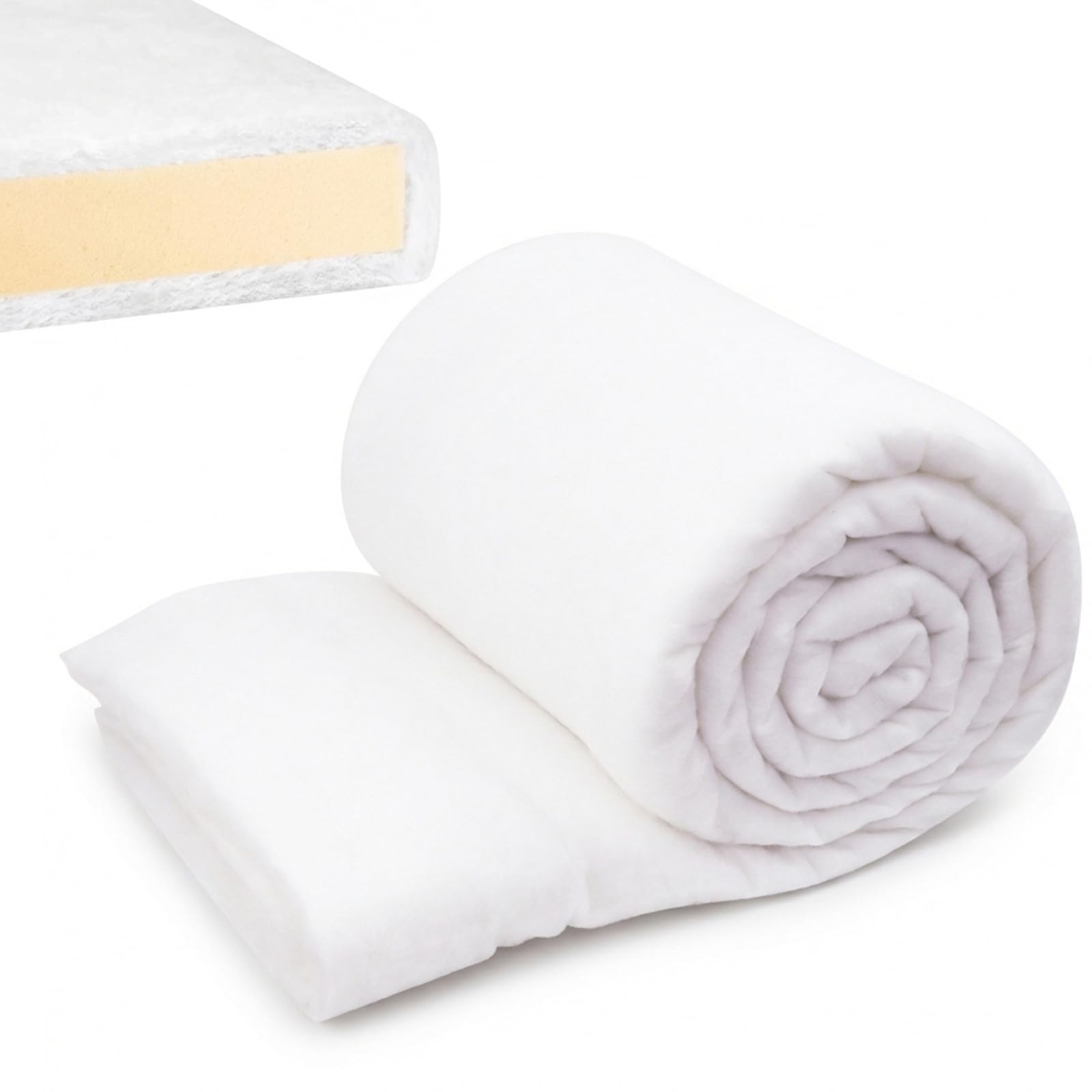
Some kits combine foam and a batting layer. These are convenient if you need a complete cushion.
Choosing the Right Thickness
A half inch layer is a good starting point for light rounding and for fitting a cover. One inch adds a plusher look. Two layers of half inch batting give more control than a single thick layer, because you can wrap in different directions. Thicker batting makes the cover tighter, so measure your cover before adding more. Loft and density matter: a high loft batting is fluffy, while a low loft batting is flatter and more stable.
How Much Do You Need?
Measure the length, width and thickness of the foam. Add the length and the thickness twice to get the width of material needed to wrap around the cushion, and do the same in the other direction. Add a few inches for overlap. A wrap that is too short will leave gaps, and a wrap that is too long will bunch. Buy a little extra for mistakes, especially if you are covering more than one cushion.
How to Wrap a Cushion
- Lay the batting on a clean table and place the foam on top.
- Lightly spray the foam with an adhesive suitable for upholstery to help the batting stick, if you want it to stay in place.
- Pull the batting up the sides, smoothing it as you go, and trim excess at the corners.
- Wrap the second direction, and tuck the ends to avoid visible seams.
- Slide the wrapped foam into the cover, folding the cover over the foam in a stretching motion as you go.
A plastic bag over the wrapped cushion helps slide it into a tight cover. Remove the bag once the cushion is inside.
Care and Longevity
Fluff cushions regularly and rotate them to even out wear. Vacuum covers and spot clean as directed. When a cushion looks flat even after fluffing, the foam, not the batting, may be worn out and need replacing.
Common Mistakes to Avoid
- Using too much batting, which makes the cover too tight.
- Buying cotton batting for a heavy use cushion.
- Leaving gaps at corners.
- Ignoring the cover size.
Frequently Asked Questions
How thick should the batting be?
Half an inch to one inch works for most couch cushions.
Can I use batting without foam?
Only for flat, light seat pads. For a sofa, you need a foam core for support.
Does batting need glue?
It is optional. A light spray adhesive keeps it in place during covering.
Can I wash batting?
Wash the cover, not the batting wrapped around foam.
Refreshing Sagging Couch Cushions
A sagging cushion is often a foam problem rather than a batting problem, but fresh batting can help the shape. If the foam still springs back when pressed, replace the old, flattened batting with a new wrap, which restores the rounded look and fills out the cover. If the foam stays compressed after you press it, add a new foam insert or replace the cushion core. Some owners place a thin foam topper under the batting to restore a little height. Clean the cover before reinstalling, and let it dry completely.
Matching Batting to Foam Density
Soft foam benefits from a slightly thicker wrap, because the batting adds body. Firm, high density foam holds its shape alone, so a half inch layer is enough to smooth the edges. For box cushions with sharp corners, trim the batting to fit the corners without bunching. For pillow back cushions, use polyester fiberfill rather than a flat wrap, since those cushions rely on loose filling for their relaxed look.
Where to Find the Right Width and Length
Upholstery batting is sold in rolls with widths like 27, 36 or 45 inches, and in pre cut sheets. A roll is economical if you have several cushions. A sheet is convenient for one or two. If your cushions are large, check that the width is enough to wrap around the length and thickness in one piece, because seams can show through the cover.
When to Replace the Foam Too
If you can press a finger into the cushion and the dent stays for several seconds, the foam has broken down. Replace it with high resilience foam in a similar density before adding fresh batting. A cushion with new foam and new batting restores both support and appearance, and it costs far less than replacing the whole sofa.
Final Thoughts
Pick bonded polyester in a thickness that suits your cover, measure carefully and wrap with smooth, even tension. The best batting for couch cushions makes a new or refreshed cushion look tailored and feel plush. Compare the products in the product table, and see the guides to the best foam for couch cushions and the best stuffing for couch cushions.


