
Best Basement Sofas 2026: Comfort Buying Guide Tips
Disclosure: We may earn a commission when you buy through links on this page, at no extra cost to you. As an Amazon Associate I earn from qualifying purchases. Learn more

Basement sofas need moisture resistance, low profiles, and durable fabrics for below grade rooms. Learn sizing, materials, and layouts for a cosy lower level.
The best basement sofas handle conditions that living room sofas rarely face: cooler air, higher humidity, lower ceilings, and light that comes from lamps rather than windows. A sofa that looks perfect upstairs can feel bulky, damp, or awkward below grade, so basement seating deserves its own checklist. The comparison table below shows the main sofa types so you can compare sizes and fabrics for lower level rooms.
This guide covers moisture, sizing for low ceilings, durable fabrics, and layouts that make a basement feel like a real living space rather than a spare room. With the right choices, a basement sofa anchors movie nights, game days, and quiet reading corners for years.

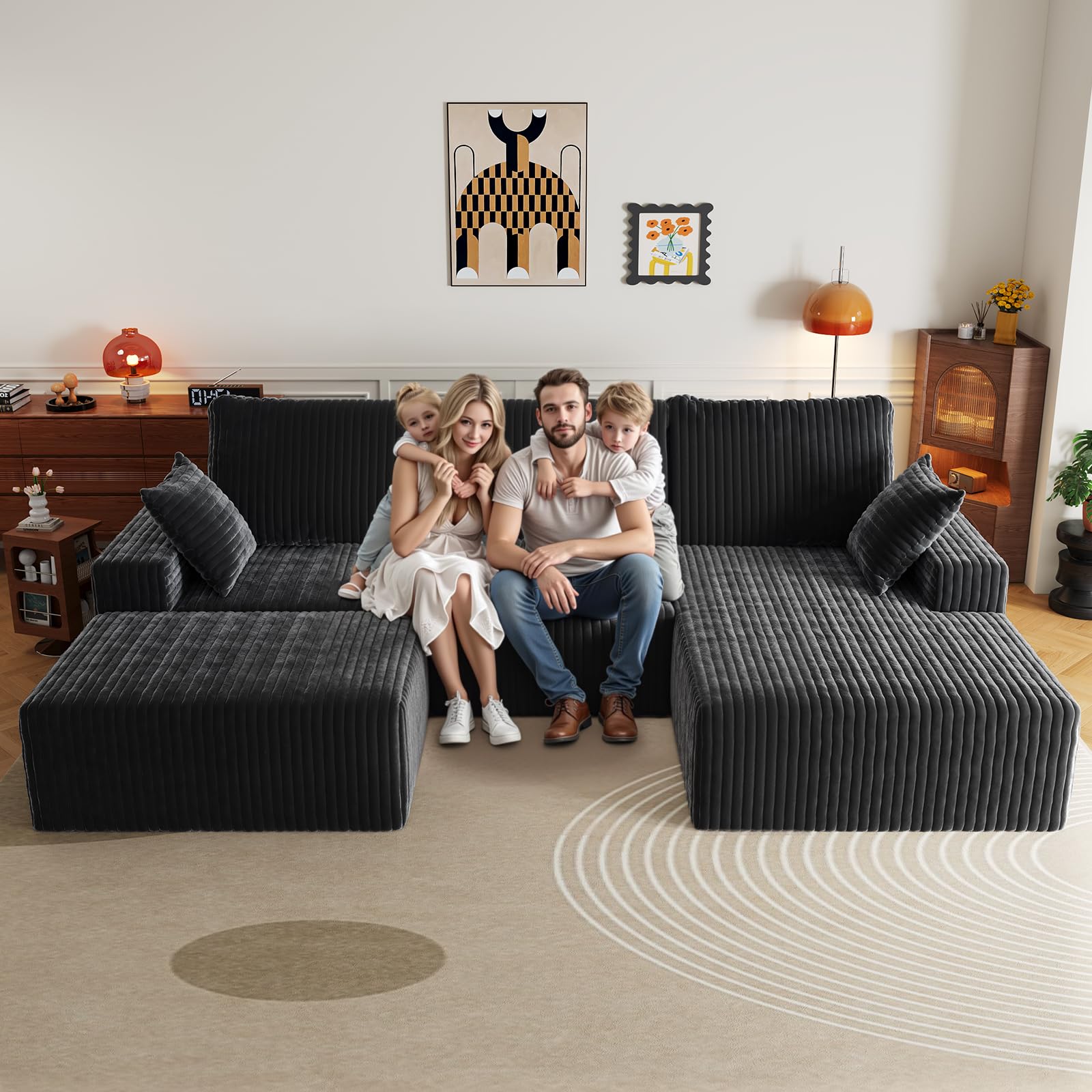

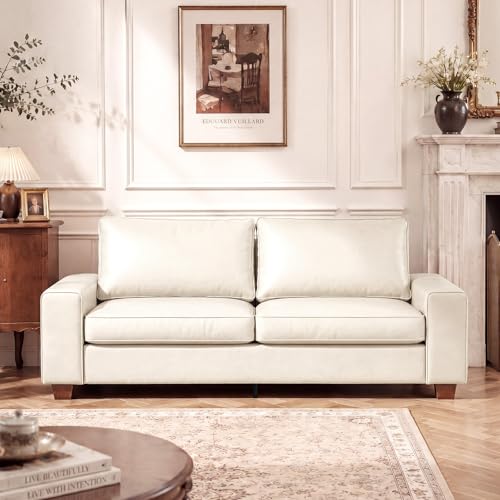
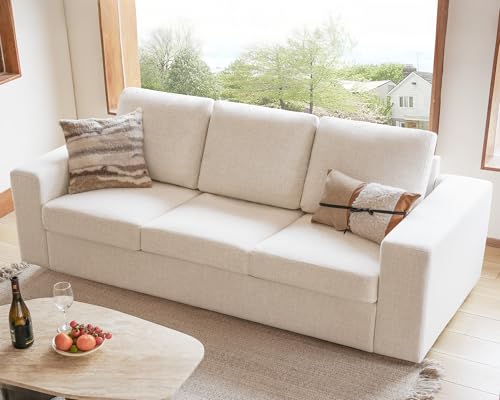
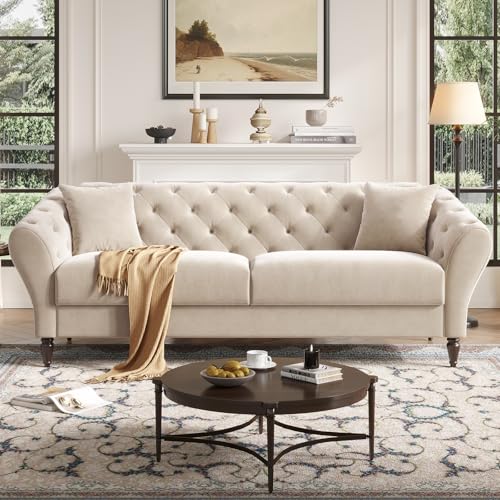

Moisture, Humidity, and Frame Protection
Basements run more humid than upstairs rooms, and humidity affects sofa frames, cushions, and fabrics over time. Solid hardwood or engineered frames resist warping better than particleboard, and frames with good airflow underneath dry faster after damp spells. A dehumidifier set to a steady level protects both the sofa and the room, and it costs far less than replacing swollen frames or musty cushions.
Raise the sofa slightly off the floor when possible, since direct floor contact traps moisture under the base. Short legs or risers improve airflow and make cleaning underneath easier, which matters in a room where dust and damp collect. Check the wall behind the sofa for damp patches before placing it, since a sofa pressed against a damp wall hides moisture problems until they grow.
Sizing for Low Ceilings and Tight Access
Basement ceilings often sit lower than upstairs ceilings, so a sofa with a low back and a shallow seat depth feels more proportionate and leaves headroom feeling generous. Measure ceiling height, doorways, stair turns, and any tight corners on the delivery path before ordering, since basement access defeats many large sofas. A sofa that arrives in sections or with removable legs fits awkward stairwells far better than a single rigid frame.
Seat depth and height matter for comfort in a low room. A seat depth around 55 to 60 centimetres suits most adults for sitting upright, while deeper seats suit lounging but need more floor space. Armless or slim arm designs save width in narrow basement rooms, leaving space for walkways and side tables without crowding.
Fabrics That Survive Basement Life
Performance fabrics with stain resistance suit basements, where snacks, drinks, and game nights raise spill risk. Tightly woven synthetic blends resist moisture absorption and clean with blotting and mild soap, while loose natural weaves absorb spills and dry slowly. Removable washable covers are a strong advantage, since they let you launder the most used parts without professional cleaning.
Colour choice matters in low light rooms. Mid tone fabrics hide dust and minor marks better than very light colours, while very dark fabrics show lint and pet hair clearly. A textured fabric disguises wear better than a flat smooth fabric, which shows every scuff. Order fabric swatches and view them under your basement lighting before committing, since colours shift under lamps.
Layouts for Movie Nights and Gathering
Sectional sofas anchor basement media rooms well, since an L shape defines a viewing zone and seats a group without extra chairs. Place the longest side facing the screen with enough distance for comfortable viewing, usually about two to three times the screen diagonal. A chaise end suits lounging, while a sofa plus loveseat arrangement suits rooms where flexibility matters more than maximum seating.
Leave walkways of at least 75 centimetres around the sofa so guests move without squeezing past knees and tables. A coffee table within easy reach holds drinks and snacks, while side tables with lamps add the warm light basements need. Rugs under the sofa define the seating zone and add warmth underfoot on concrete or tile floors.
Sleeper Sofas and Multi Use Basements
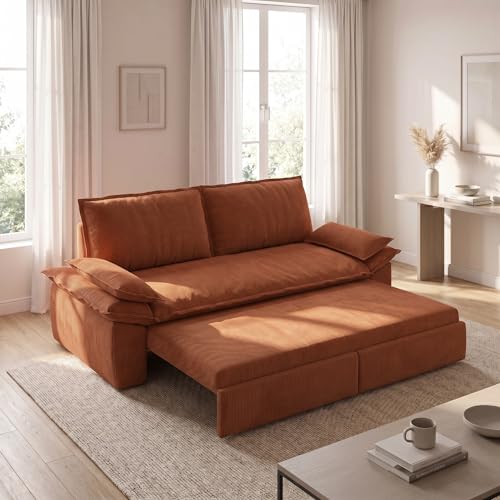
Many basements double as guest rooms, and a sleeper sofa turns a media room into overnight accommodation without a dedicated bedroom. A pull out mattress should be thick enough for a real night sleep, and the mechanism should open smoothly without heavy lifting. Test the bed in person when possible, since thin mattresses and bar pressure make poor sleepers obvious quickly.
A sleeper mechanism adds weight and complexity, so weigh guest frequency against everyday comfort. If guests stay only a few nights a year, a quality air mattress plus a regular sofa may serve better. If guests stay often, a well made sleeper with a good mattress earns its place and saves a separate guest room.
Care, Cleaning, and Long Term Value
Vacuum basement sofas regularly, since dust settles faster in below grade rooms with less ventilation. Rotate and flip cushions to even wear, and blot spills immediately rather than rubbing them deeper into fabric. A dehumidifier and occasional airing keep cushions fresh, while fabric protector sprays add a barrier against stains when reapplied on schedule.
Check frame joints and legs yearly, tightening bolts and levelling feet as the floor settles. A sofa with replaceable cushion covers and available spare legs stays serviceable longer than a sealed design. Spending a little more on frame quality and washable covers pays off in a basement, where conditions test furniture harder than upstairs rooms do.
For broader sofa quality comparisons, see best quality sofas and best couches and sofas. If the basement doubles as a guest room, best bed sofas covers sleeper options, while best inexpensive sofas helps when the budget is tight.
A Final Check Before You Order
Before ordering, measure every doorway, stair turn, and ceiling height on the delivery path, since basement access defeats many large sofas. A sofa that arrives in sections or with removable legs fits awkward stairwells far better than a single rigid frame. Order fabric swatches and view them under your basement lamps, since colours shift in low light and mid tone textured fabrics hide dust and wear best.
Check the wall behind the planned sofa position for damp patches before delivery, and run a dehumidifier to keep humidity steady once the sofa is in place. Short legs that lift the base off the floor improve airflow and cleaning access, which matters in a below grade room. A washable cover and a solid frame cost more upfront but last far longer in basement conditions.
Frequently Asked Questions
What makes a sofa good for a basement?
A good basement sofa resists humidity, fits low ceilings and tight access, and uses durable easy clean fabric. A solid frame with airflow underneath avoids moisture damage, while a low back keeps the room feeling open. Removable washable covers help with spills and dust, which are more common below grade. Measure access routes and ceiling height before ordering, since delivery constraints shape the choice as much as comfort does.
Should basement sofas have legs or sit on the floor?
Short legs or risers suit basements better, because they lift the base off the floor and let air circulate underneath. That airflow reduces moisture buildup and makes cleaning easier. A sofa that sits flat on the floor traps dampness and dust beneath it, which can lead to musty cushions over time. Choose sturdy short legs that support the frame evenly and keep the sofa stable on uneven basement floors.
How do I protect a basement sofa from dampness?
Run a dehumidifier to keep humidity steady, and keep the sofa slightly away from walls so air moves behind it. Check walls for damp patches before placing furniture, and fix leaks or condensation sources first. Vacuum and air cushions regularly, and avoid pressing the sofa against exterior walls where condensation forms. Washable covers and performance fabrics add a further layer of protection against moisture and spills.
What size sofa fits a basement media room?
Measure the room, the viewing distance to the screen, and the delivery path before choosing. A sectional suits larger media rooms and seats a group, while a standard sofa plus chairs suits smaller rooms with more flexibility. Leave walkways of at least 75 centimetres around seating, and keep seat depth moderate so the room does not feel crowded. A low back design helps the room feel taller under a low ceiling.
Are sleeper sofas good for basements?
Sleeper sofas work well in basements that double as guest rooms, provided the mattress is thick enough for real sleep and the mechanism opens smoothly. Test the bed before buying when possible, since thin mattresses make poor sleepers. If guests stay rarely, a regular sofa plus a quality air mattress may be more comfortable day to day. For frequent guests, a well made sleeper with a good mattress is worth the extra weight and cost.
Final Thoughts
A basement sofa should be chosen for the room it will actually live in, with its humidity, low ceilings, and lamp lit evenings in mind. Solid frames, washable performance fabrics, and sizes that fit both the room and the stairwell matter more than showroom looks. Use the product table above to compare sofa types, then measure twice and choose the layout that makes your lower level feel like a favourite room. The best basement sofas turn a below grade space into a warm, comfortable place where people genuinely want to spend time.


