Best Battery Drill Sets for 2026: Budget, Midrange, and Premium Tiers
Disclosure: We may earn a commission when you buy through links on this page, at no extra cost to you. As an Amazon Associate I earn from qualifying purchases. Learn more

Compare the best battery drill sets by budget with a clear guide to torque, batteries, chucks, and motors so you buy the right kit the first time.
A drill set can cost about as much as a nice dinner or as much as a car payment, and both ends of that range can be the right buy depending on your projects. The gap is not just branding. It shows up in torque, battery size, build quality, and what else arrives in the case. This guide to best battery drill sets explains where extra money actually helps and where it simply adds weight and cost.
Use the product table as your short list, then judge each kit against the work you really do: hanging shelves, building flat pack furniture, drilling masonry, or running a small renovation. A kit matched to that work will feel powerful enough, last for years, and spare you a second purchase.

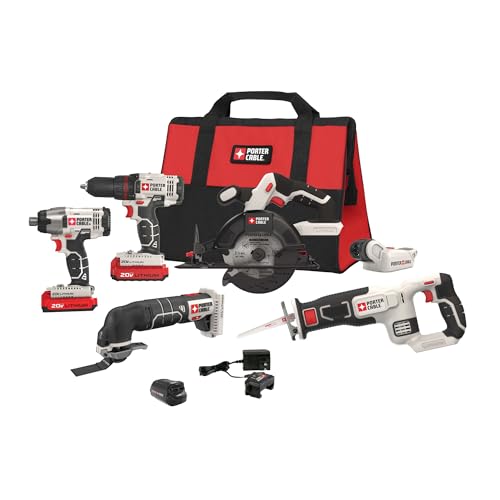
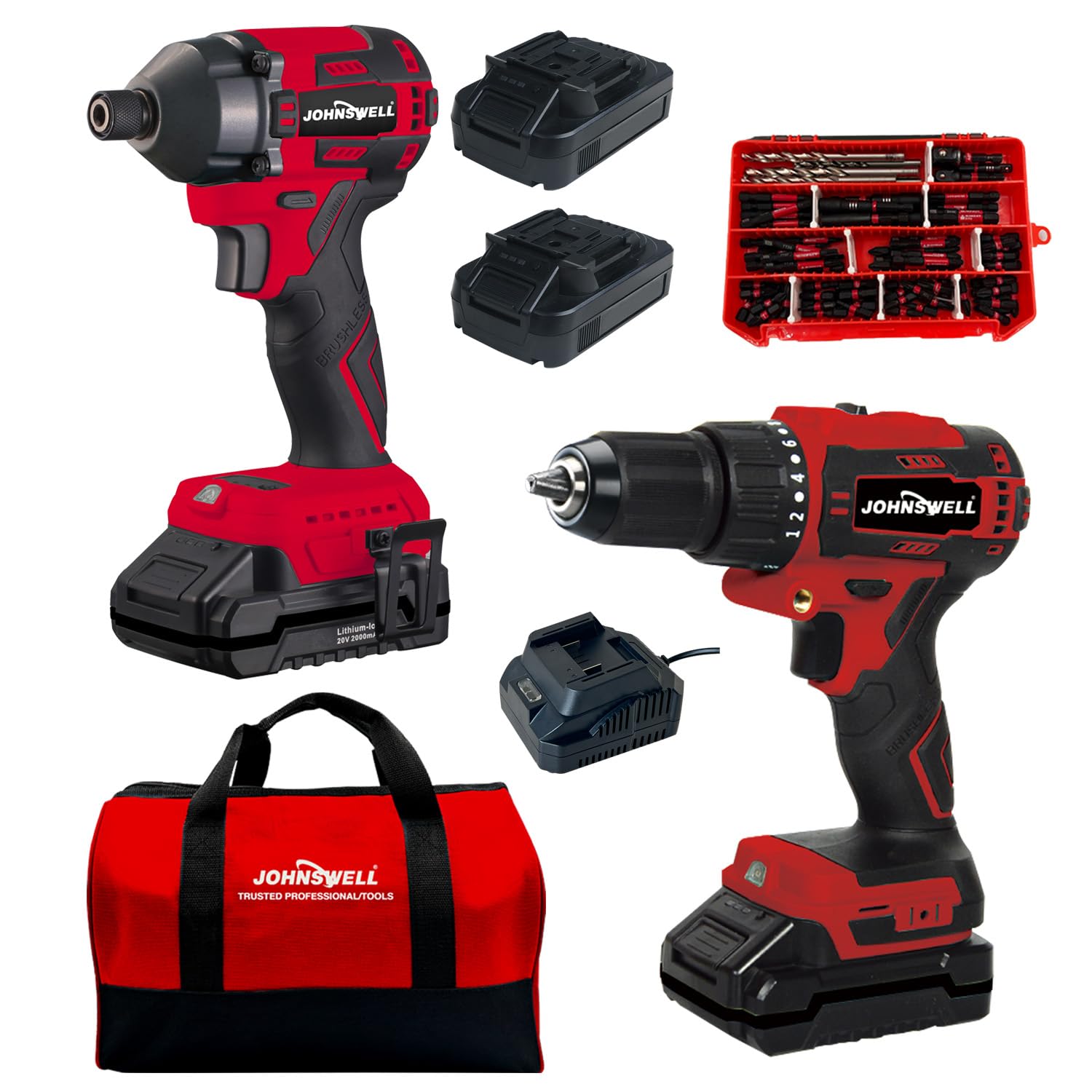

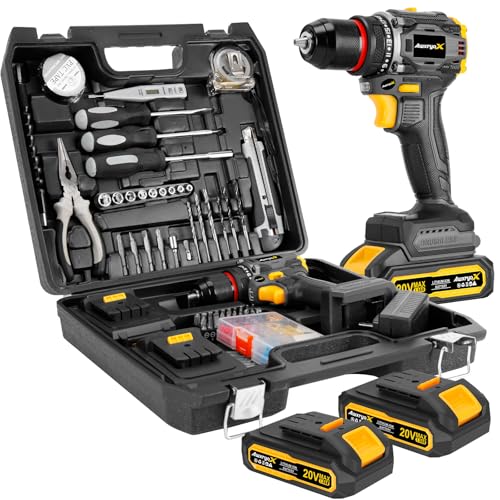


What to Look For at Each Budget Level
Think of the tiers below as buying profiles rather than product names. Each profile describes the buyer, the jobs the kit should handle with ease, and the compromise you accept at that price. If your projects sit between two profiles, choose the higher one only when the lower one lacks a feature you will use monthly, such as a hammer mode or a second larger battery.
Budget Tier: Who It Suits and What to Check
A budget kit suits renters, new homeowners, and anyone whose drilling is mostly pilot holes, flat pack assembly, and light repairs. Check that the set includes two batteries or one battery with a fast enough charger, because a single slow charging pack can stall a weekend project. Expect a brushed motor, a plastic gear feel on the speed switch, and a modest accessory bundle. The main limit is sustained work: drilling many large holes in studs or mixing paint will heat the motor and drain the pack quickly. For occasional use, that trade is sensible and saves real money.
Midrange Tier: Who It Suits and What to Check
A midrange kit suits regular do it yourself work, garden structures, decking repairs, and light trade use. Look for a brushless motor option, two batteries of different sizes, and a chuck that grips bits without slipping under load. This tier usually adds a hammer drill mode, an LED work light in a useful position, and a sturdier case. The compromise is weight and price: the kit costs clearly more than a budget set, yet it still lacks the metal gearbox and high output batteries of premium lines. For most homes, this is the profile that balances power, runtime, and cost best.
Premium Tier: Who It Suits and What to Check
A premium kit suits tradespeople, serious renovators, and buyers who plan to grow into a full cordless platform. Check for high torque figures stated for the drill itself, all metal chuck construction, strong warranty terms, and batteries that also power saws, grinders, and outdoor tools from the same brand. You also get better dust and water resistance, smoother electronic clutches, and faster chargers. The limit is simple: the price only makes sense if you use the tool often or need the platform. Bought for rare picture hanging, a premium kit is money parked in a case.
What Your Money Gets You at Each Price Tier
Price tiers in this market are fairly consistent, so you can predict what a given budget should deliver. Use these ranges as a sanity check when you read the product table. If a kit costs premium money but offers budget batteries and a brushed motor, keep looking.
Budget Tier: What to Expect
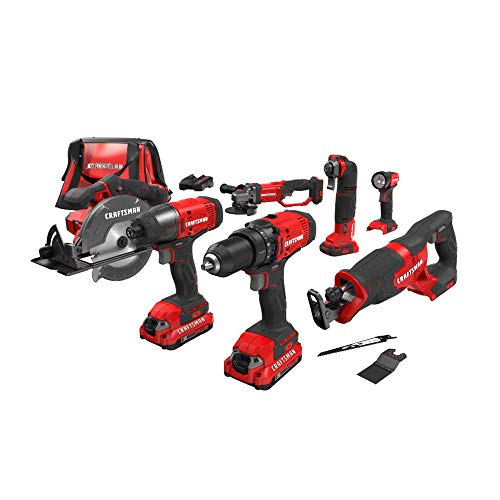
At around $60 to $120, expect a 12 volt or entry 18 volt or 20 volt drill driver, one or two small batteries around 1.5 to 2 amp hours, a basic charger, and a soft bag. Torque suits screws and small holes in wood and drywall. Accessory bundles at this level often look generous, but count usable drill bits and driver bits rather than total piece counts padded with duplicates. This tier works when runtime demands are short and you can recharge between tasks.
Midrange Tier: The Sweet Spot for Most Buyers
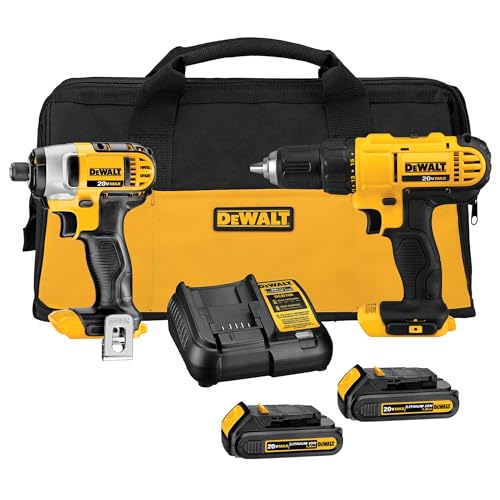
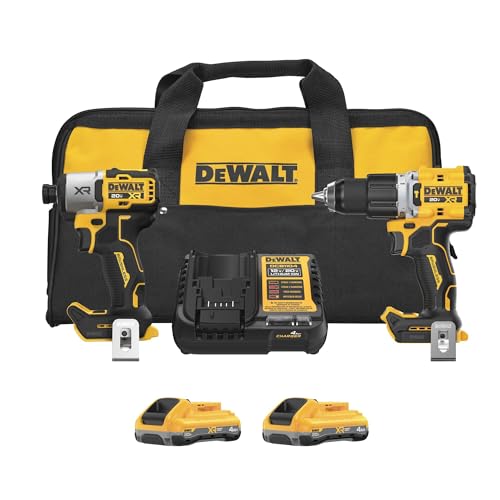
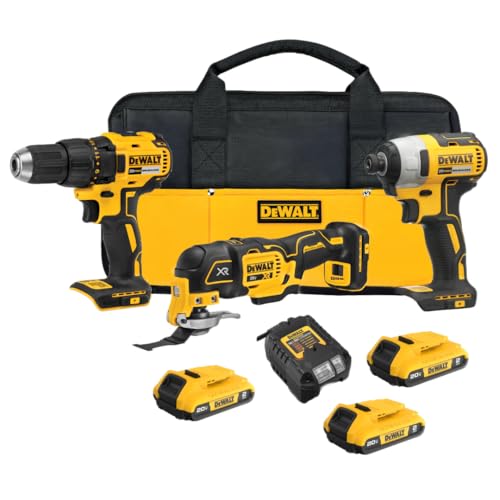
At about $120 to $250, expect a brushless drill driver, often paired with an impact driver, two batteries with at least one at 4 amp hours or more, and a rapid charger. You gain a hammer mode for light masonry, better speed control for delicate fixings, and a hard case that protects the tools in a vehicle or garage. If you compare wider kits, see our guide to the best drill sets for how combination kits differ from drill only sets. This tier covers the large majority of home projects without strain.
Premium Tier: When Spending More Pays Off
At about $250 to $450 and above, expect high output batteries, an all metal chuck, advanced electronic controls, and the strongest torque in the brand range. Kits may add a third tool, larger storage, or high capacity packs that also suit demanding tools like circular saws. Spending more pays off when you drill structural timber, bore large holes with spade or auger bits, or work where a failed tool costs a day. It also pays when you already own bare tools from the same platform and need batteries that serve them all.
Features Worth Paying For (and Ones to Skip)
Spec sheets reward careful reading. Some numbers predict real performance, while others are headline figures measured in ways that flatter the tool. The features below are ranked by how often they change the result of a job, so you can fund the ones that matter and skip the rest.
Power and Performance Specs
Torque, speed range, and chuck size are the core specs. Torque tells you whether the drill can drive large screws and bore wide holes without stalling, while two speed ranges let you trade speed for control: low gear for driving and large bits, high gear for fast small holes in wood. Most home kits use a chuck that takes bits up to about 13 mm, which covers standard accessories. RPM alone is a weak guide, since a fast drill with low torque still stalls on hard jobs. Match specs to your hardest regular task, not your rarest one.
Durability and Brushless Motors
A brushless motor removes the carbon brushes that wear out in a brushed design, so it runs cooler, lasts longer, and draws more work from each battery charge. It also allows slimmer tool bodies and smarter electronic control. Brushless matters most at midrange prices and above, where the rest of the tool is built to the same standard. An all metal chuck, sealed switches, and a gearbox with metal gears add durability you can feel. If you want the drill alone rather than a set, see our guide to the best battery drills for single tool buying points.
Corded vs Cordless (Battery Platform)
Cordless wins on freedom and safety, since there is no cable to trip over or cut, and modern batteries have closed most of the old power gap for drilling and driving. Corded drills still suit long sessions of heavy mixing or drilling at a fixed bench. The bigger decision is the battery platform: batteries work only within their own brand family, so your first kit sets your future tool prices. Choose a platform with the tools you may add later, from impact drivers to sanders, and check that replacement batteries are widely sold at fair prices in the United States.
Capacity and Working Range
Capacity means the largest work the drill handles comfortably: hole diameter in wood and steel, screw size, and, on hammer models, hole size in masonry. Check the stated capacities rather than assuming a bigger drill does everything. A compact drill may list modest steel capacity yet still be perfect for cabinets and furniture. Your bit collection matters too, since dull or low quality bits make any drill feel weak. If your current bits are worn, see our guide to the best drill bit sets before blaming a new drill for slow holes.
Weight, Ergonomics, and Vibration
A drill you use overhead or inside cabinets should balance well with its battery fitted, not just in the bare tool photo. Grip shape, trigger feel, and the position of the forward and reverse switch decide how controlled the tool feels during long sessions. Compact heads reach into tight spaces between studs and inside cupboards. Vibration is modest on most drills, but hammer mode raises it, so use anti vibration gloves for long masonry runs and take breaks. Try to judge weight with the larger battery attached, because that is how the tool will feel on real jobs.
Long Term Costs to Factor In
The kit price is only the start. Batteries age and will need replacement after some years of heavy use, bits and driver tips wear out, and a second charger can be a smart buy for busy households. Keep the receipt and register the warranty promptly, since some brands require registration within a set period. Add the cost of the accessories you truly need, such as a right angle attachment or quality bits, and compare total ownership cost between kits. If driving screws is most of your work, our guide to the best drill driver sets explains how driver focused kits price their extras.
Frequently Asked Questions
Corded or cordless: which is better for DIY?
Cordless is better for most do it yourself work because you can move freely, work in lofts and gardens, and store the tool without winding a cable. Modern midrange batteries handle a full day of typical home drilling and driving. Choose corded only for long, heavy, stationary jobs like mixing plaster in one spot. One extra point: a cordless kit also serves during a power cut, when small repairs and torch use from the same battery platform are genuinely useful.
Can I use batteries across brands?
No, batteries fit only their own brand platform in almost every case. The contacts, electronics, and latching systems differ, and adapters sold online can void warranties and may lack proper battery protection. Plan your first kit as a platform decision, not just a drill decision. If two households share tools often, matching platforms lets you lend batteries and chargers, which is a practical reason to coordinate purchases with family members who live nearby.
What specs matter most for home projects?
For home projects, torque, a two speed gearbox, and battery capacity matter most. Enough torque drives deck screws and flat pack fixings without stalling, two speeds give control for both drilling and driving, and a battery of about 4 amp hours reduces mid job charging. Chuck grip is an underrated fourth point: a chuck that loosens during drilling wastes time and can damage work. Check owner feedback on chuck grip for any kit you shortlist.
Is a brushless motor worth it?
A brushless motor is worth it if you drill or drive every month, because it gives longer runtime per charge, cooler running, and a longer service life. For a few small jobs each year, a brushed motor at a lower price is a rational choice and the money saved can buy better bits. One factor many buyers miss is size: brushless drills are often shorter from front to back, which helps inside cabinets and between joists where space is tight.
The Bottom Line
Choose by project load first, battery platform second, and price third. Most homes are best served by a midrange brushless kit with two batteries and a hammer mode, while light users can save with a budget set and heavy users gain real value from premium build quality. Compare the product table against those three tests before you buy. When best battery drill sets are judged this way, the right kit is usually obvious, and it is the one you will still reach for with confidence years later.