Best Bathtubs for Master Bathroom in 2026: Everything to Know Before Your First Purchase
Disclosure: We may earn a commission when you buy through links on this page, at no extra cost to you. As an Amazon Associate I earn from qualifying purchases. Learn more

Shopping for the best bathtubs for master bathroom for the first time? Learn the terms, compare options, and avoid rookie mistakes with this easy guide.
Buying a bathtub for your main bathroom feels bigger than most purchases, because you will live with the choice every day. The best bathtubs for master bathroom match how you bathe, how much room you have, and how the tub connects to your plumbing. Use the product table below as your starting point.
This guide walks you through the basics in plain language. You will learn the main types, the sizes that suit a primary bathroom, and the costs beyond the tub itself.





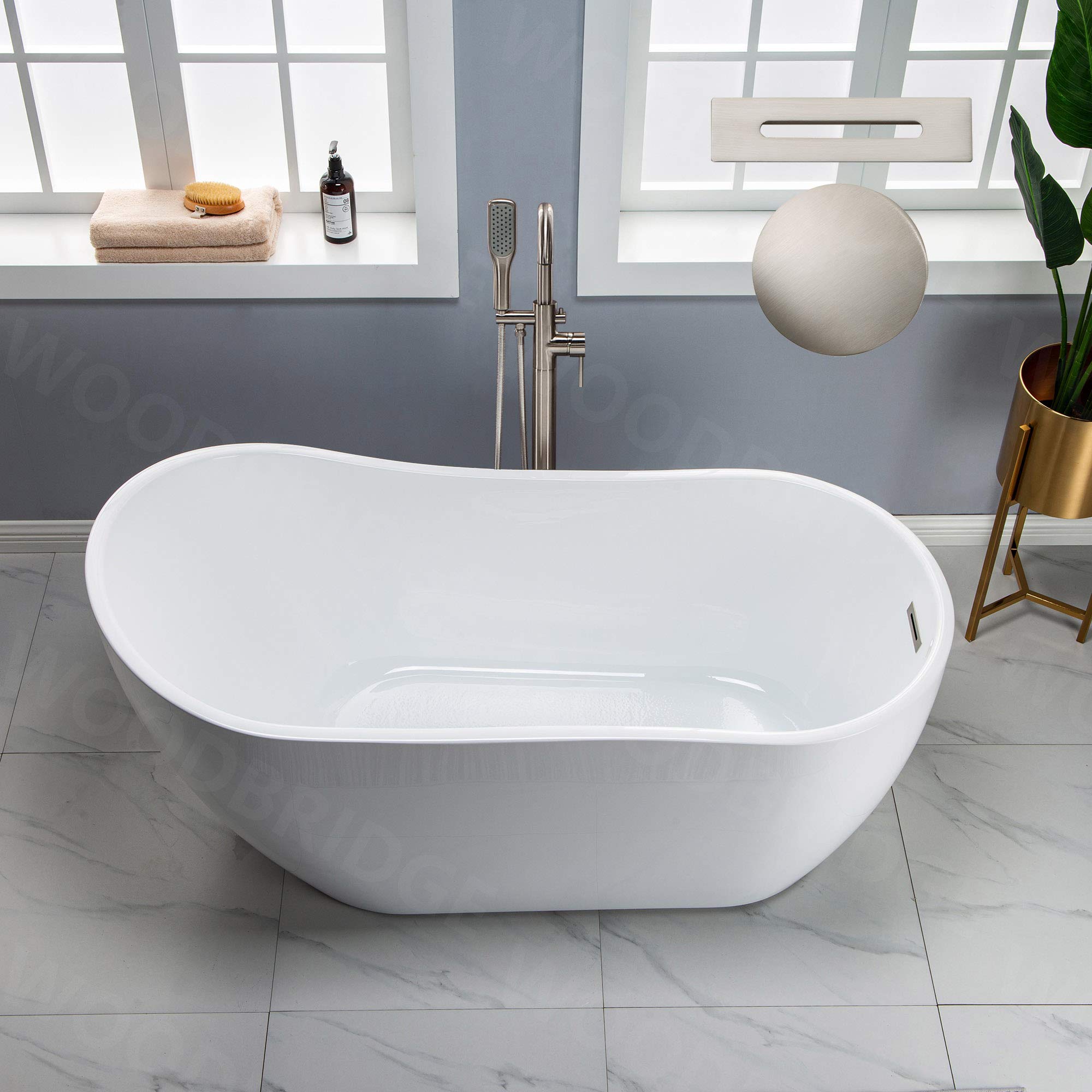
Bathtubs 101: The Basics for a Master Bathroom
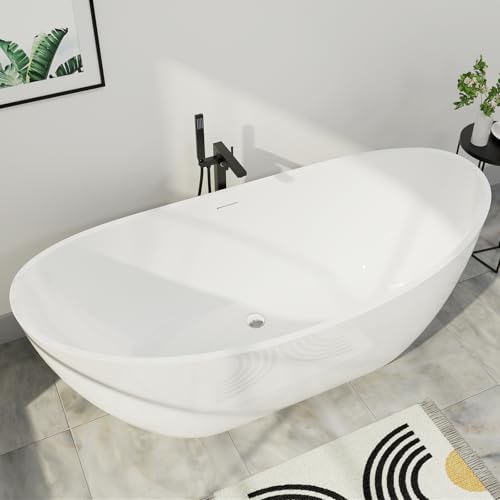
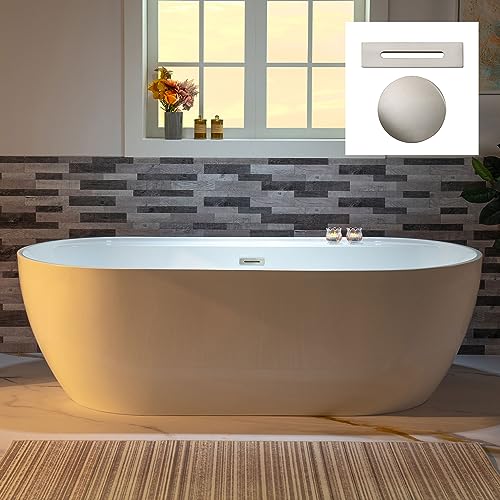
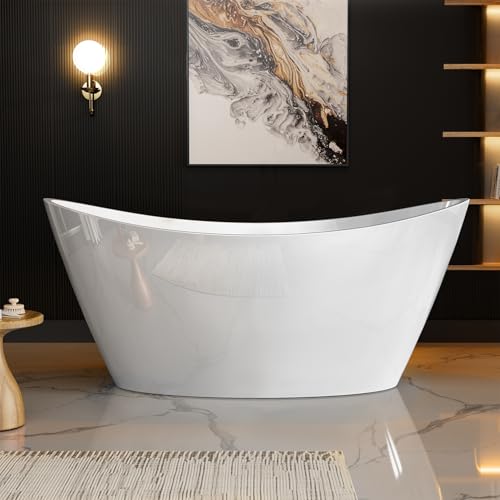
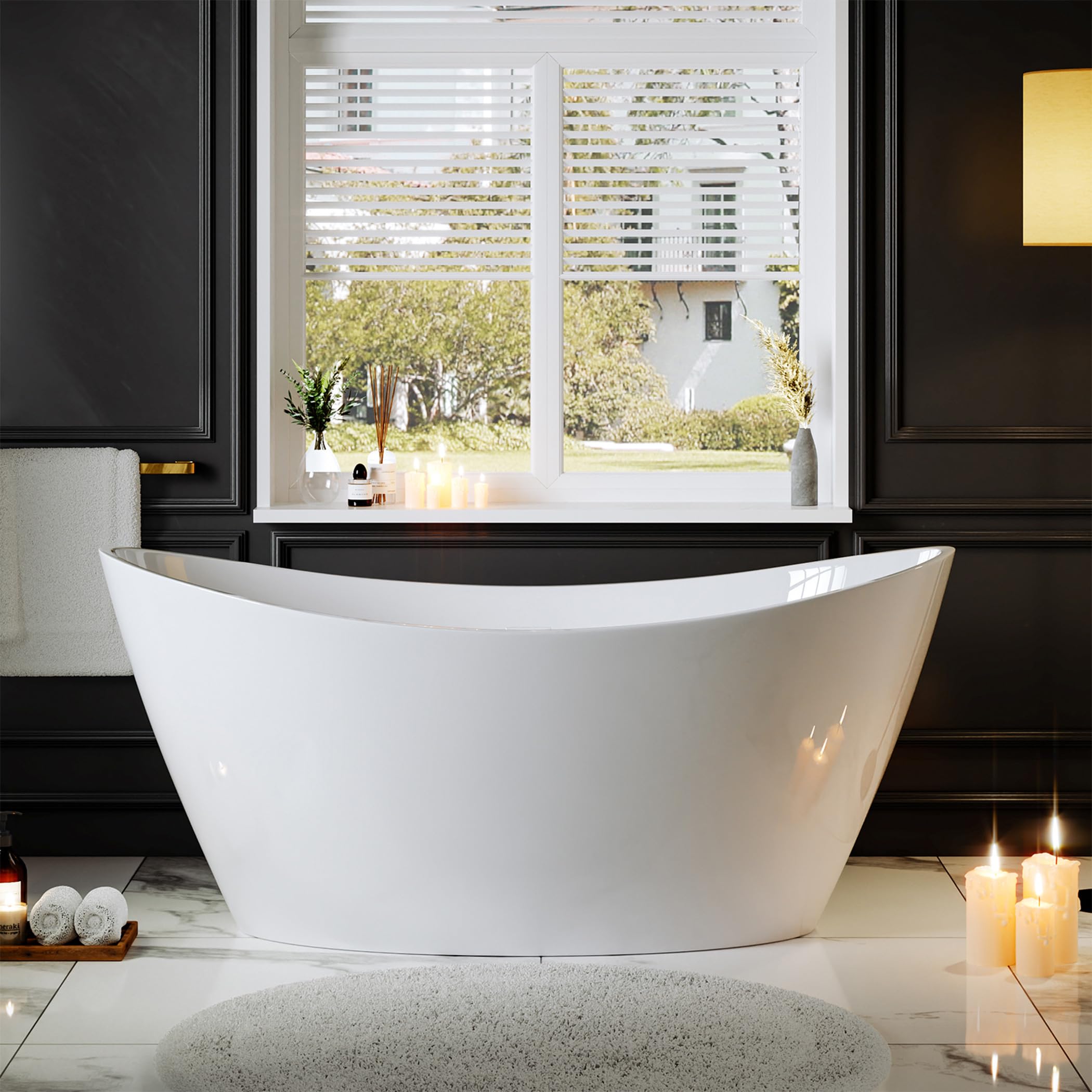
A bathtub is a plumbed basin that holds water for soaking or bathing children, and it drains through a waste line in the floor or wall. An alcove tub fits between three walls, a freestanding tub stands on its own, and a drop in tub sits inside a framed deck. In a master bathroom, the tub is often the visual center of the room, so looks matter, but fit and plumbing matter first.
Who Should Buy Which Bathtub for a Master Bathroom?
Start with the people who will use the tub most and how often they will fill it.
Couples Who Soak Often and Want Room to Stretch
You need length and depth more than decoration. Look for a tub about 66 to 72 inches long with a sloped back at both ends if two people may share it. A center drain helps here, because neither person rests against the drain end. Choose a wider interior over a wide outer rim.
Homeowners Who Mostly Shower and Bathe Now and Then
You still need a tub for guests, children, or an occasional soak, but daily ease comes first. An alcove tub with a shower above it uses space well and keeps costs lower. Pick a moderate depth so stepping in and out stays simple, and choose a flat, wide floor so standing in the shower feels steady.
Buyers Planning a Long Term Primary Bathroom
You are choosing for ten years or more of daily use, so comfort and repair access should guide you. A simple soaking tub with standard parts will age better than a complex jetted tub you rarely run. Think about aging in place as well, including a lower step over height.
Key Features to Compare
When you shop for the best bathtubs for master bathroom models, compare these factors in order, because a tub that fails on fit or plumbing cannot be saved by a nice finish.
Size, Soaking Depth and Water Capacity
Length runs from about 60 to 72 inches in most master bathrooms, and width is often about 30 to 42 inches. Soaking depth is the distance from the tub floor to the overflow, and about 14 to 20 inches covers most adults. Deeper tubs hold more water, often about 50 to 90 gallons, so check your water heater size. If your room is compact, see our guide to the best bathtubs for small bathrooms before you assume a large tub will fit.
Material and How a Bathtub Holds Heat
Acrylic is light, warm to the touch, and common at mid range prices, but it can flex if the base is poorly supported. Fiberglass costs less, yet its finish can dull sooner. Enameled cast iron keeps water warm longer and feels very solid, though it is heavy and may need a stronger floor. For more on finish and build, see our guide to the best quality bathtubs.
Installation Type and Bathroom Layout
The layout you already have is the cheapest layout to keep. An alcove tub suits a shower combination, a freestanding tub needs open floor space and a floor mounted or wall mounted faucet, and a drop in tub needs a deck you must build and tile. Match the new tub to your drain position when you can, because moving a drain adds labor and cost.
Drain, Overflow and Faucet Placement
Drains sit at one end or in the center, and must line up with the drain in your floor. Faucets can mount on the rim, on the wall, or on a freestanding filler beside the tub. Rim mounting needs a rim wide and flat enough for the hardware. Check that the overflow and drain finish match your faucet finish.
Price and Value Across Budget Levels
Basic alcove tubs often cost about $300 to $700, solid mid range soaking tubs cost about $700 to $1,500, and premium materials or large freestanding tubs can cost about $1,500 to $3,000 or more. Those figures cover the tub alone. Faucets, drain kits, delivery, and installation can add as much as the tub itself. Spend first on correct size and a supported base.
Ease of Entry, Comfort and Daily Use
Step over height, interior slope, and armrest shaping decide how a tub feels in real use. A very deep tub gives a full soak but asks more of knees and hips when you climb out. Lumbar support comes from the angle of the backrest, not from extra depth. If anyone at home has limited mobility, talk with an occupational therapist or a licensed contractor about entry needs before you order.
How to Measure Your Master Bathroom Before You Order
Measure the alcove or floor space from wall to wall, then measure every door and hallway the tub must pass through, because a tub that fits the room but not the door cannot be installed. Note the drain location from the nearest walls and the height of any window above the tub. Check the floor for level and strength, and ask a licensed plumber to confirm drain size and venting before you buy. Keep your notes beside the best deep bathtubs for small bathrooms guide if depth matters but space is tight, since a deep tub in a smaller footprint can solve both needs.
Before the tub arrives, confirm the water lines can reach the faucet position, and keep the drain kit on site on delivery day so the fit can be checked at once.
Common Mistakes to Avoid
Most first time errors happen before the tub is even set in place.
- Ordering by outer size alone leaves you with a tub whose interior feels short and cramped.
- Choosing a deep tub with a small water heater leaves you with lukewarm water before the tub is full.
- Moving the drain without a plumbing quote turns a simple swap into a costly floor repair.
- Picking a heavy cast iron tub for a weak floor risks sagging, cracked tile, and leaks.
- Forgetting faucet placement leaves rim hardware with no flat space to mount on.
- Skipping a dry fit check means wall and drain gaps are found only after the tub is set.
Care and Maintenance for a Master Bathroom Bathtub
Rinse the tub after soaking baths and wipe it dry when you can, because body oils and soap leave a film that dulls the finish over time. Clean weekly with a soft cloth and a mild, non abrasive cleaner that suits your material, and avoid scouring pads on acrylic and fiberglass. For product choices that are safe on common finishes, see our guide to the best bathroom cleaner. Keep a set of the best bathroom towels near the tub for quick drying of rims and floors.
Check the caulk line around the tub every few months and renew it when it cracks or lifts, because water behind the surround can damage the wall quietly. Run water through jets monthly if your tub has them, following the maker directions, and clear hair from the drain strainer often so slow drainage does not strain the overflow seal.
FAQ
What features matter most in a master bathroom bathtub for long soaks?
Soaking depth and backrest angle matter most for long soaks in a master bathroom bathtub. Depth decides how much of your torso sits under water, while the backrest angle decides whether your neck stays relaxed. One point many buyers miss is armrest height, because arms that float or press on a narrow rim tire quickly during a thirty minute soak.
How do you maintain a master bathroom bathtub without harming the finish?
You maintain a master bathroom bathtub safely by matching the cleaner to the material and rinsing after each use. Acrylic and fiberglass scratch from abrasive powders, while enamel can chip if a heavy bottle drops on it. Keep cleaning bottles on a shelf rather than the rim, because one fall can leave a chip that later rusts or stains.
Are expensive bathtubs worth it for a master bathroom used daily?
Expensive bathtubs can be worth it for daily use when the extra cost buys a thicker shell, better heat retention, and standard replacement parts. Paying more for shape alone adds little. A tub that serves well for twenty years can cost less over time than a cheap tub replaced after eight years.
How much should a first time buyer spend on a master bathroom bathtub?
A first time buyer should plan about $700 to $1,500 for the tub itself in most master bathroom projects. Set the total budget first, then hold back about half of it for the faucet, drain kit, delivery, and labor. Leaving that reserve is the new point many budgets miss, and it prevents a finished tub with no funds left to connect it.
How long does a master bathroom bathtub usually last?
A master bathroom bathtub usually lasts about 15 to 30 years, depending on material and care. Cast iron often sits at the long end of that range, while thin fiberglass sits at the short end. Watch for flexing in the floor of the tub, because soft spots signal support failure below the shell and call for repair before a crack lets water through.
The Bottom Line
For most homes, the smart order is fit first, then depth and material, then price. A tub that matches your drain, your doorway, and your water heater will serve you better than a larger tub that fights the room on every point.
Use the product table above to compare sizes and types side by side, and return to your room measurements before you order. When you judge the best bathtubs for master bathroom choices by daily comfort rather than showroom looks, the right tub is usually the simple one that fits your life.