The Best Bathroom Wall Storage: Buying Guide for 2026
Disclosure: We may earn a commission when you buy through links on this page, at no extra cost to you. As an Amazon Associate I earn from qualifying purchases. Learn more

Choose the best bathroom wall storage with a clear guide to types, sizes, materials and mounting so you add storage without crowding your room.
When counter space runs out, the wall is usually the only storage space a bathroom has left. The best bathroom wall storage turns that empty wall into a calm, reachable home for towels, bottles, and daily supplies, without eating the floor space you need to move. The wrong choice, though, can sag, rust, or crowd the room just as fast, especially in the damp air that bathrooms produce every day.
This guide explains the main formats, the specs that decide whether a unit lasts, and the mounting choices that keep everything safe and level. Use the product table below to compare sizes and price bands, then read on to match a format to your wall, your studs, and the items you actually need to store.


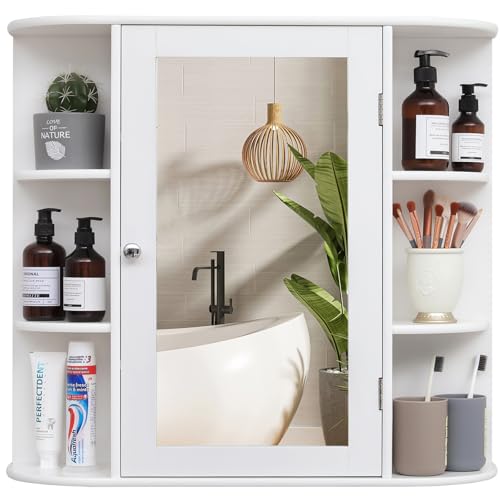

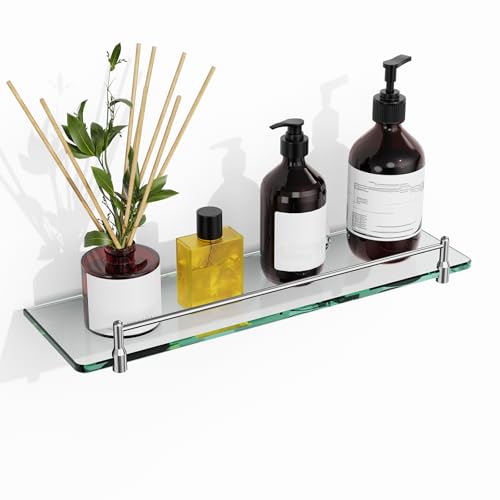
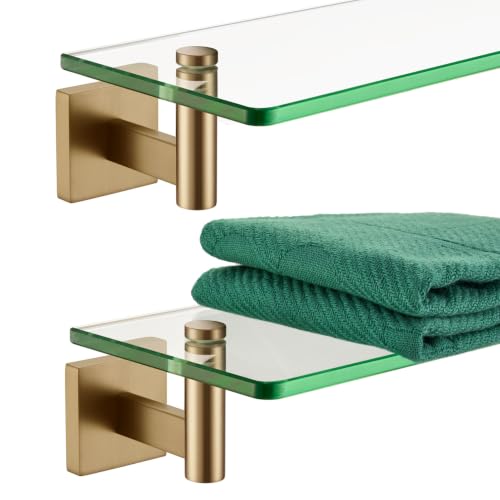

Three Buying Profiles at a Glance
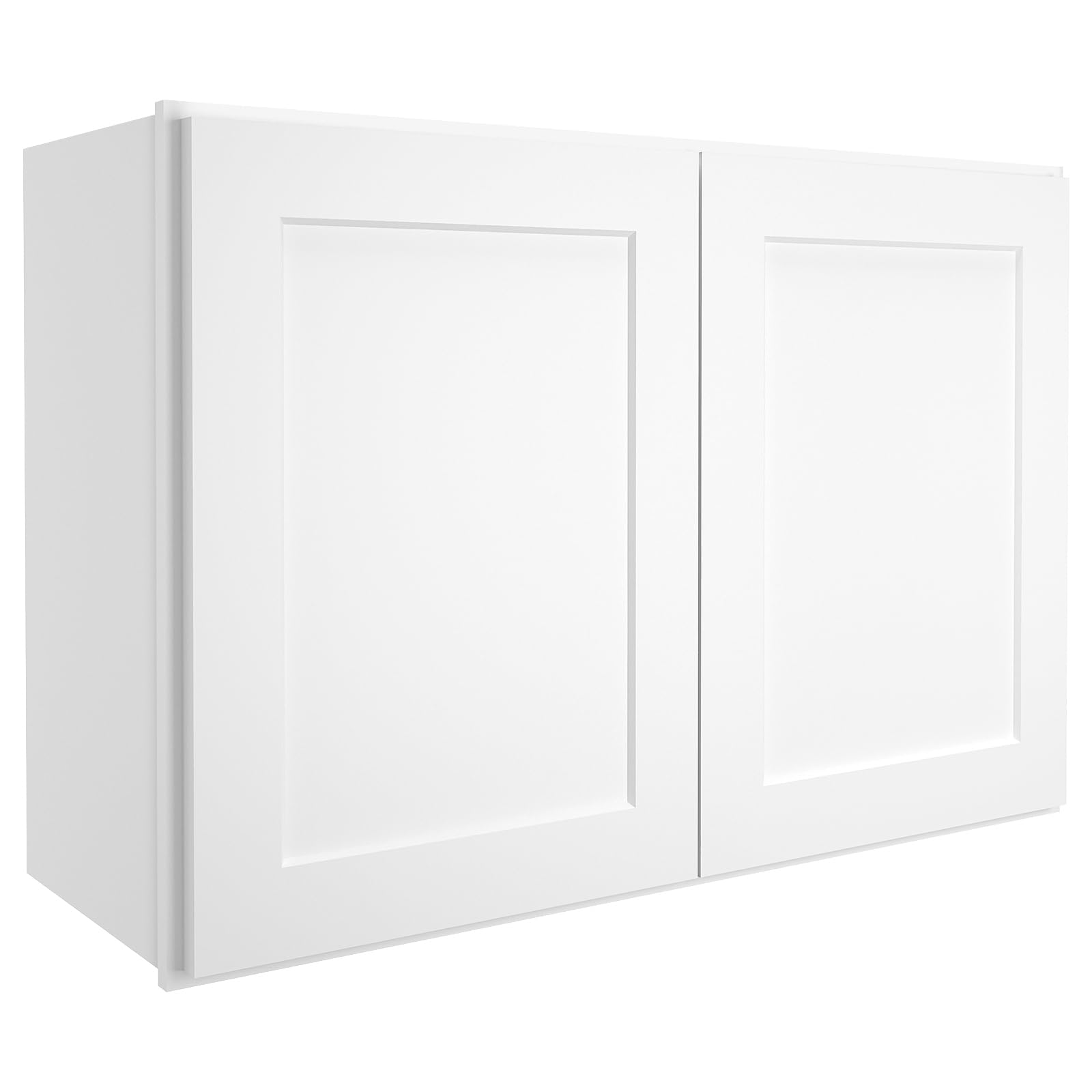
The All Around Closed Cabinet
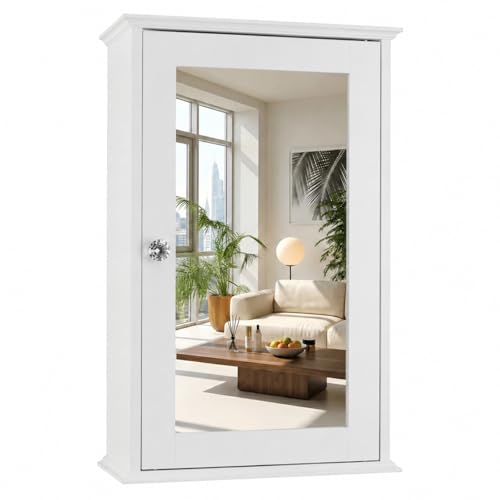
For most bathrooms, the strongest all around choice is a closed wall cabinet in a moisture resistant material, sized around 20 to 30 inches wide, with one adjustable shelf and a door that hides visual clutter. This profile suits the wall above the toilet or beside the vanity, holds medicine and bottles out of sight, and keeps dust off stored items. Its limit is depth. A cabinet deeper than about 8 inches can feel intrusive above a toilet, so check head clearance while seated before you commit to a deep model.
The Open Shelf Set
The open shelf profile is an open shelf set or a simple two shelf cabinet, usually around $30 to $80, that stores towels and daily items where you can grab them fast. Open shelves make a small room feel lighter and cost less because there is no door hardware to build. The trade off is exposure. Everything on an open shelf collects dust and steam, and the display only looks tidy if you fold towels neatly and group bottles. Choose this profile for a guest bath or a rental where drilling must stay minimal and needs are simple.
The Upgrade Cabinet
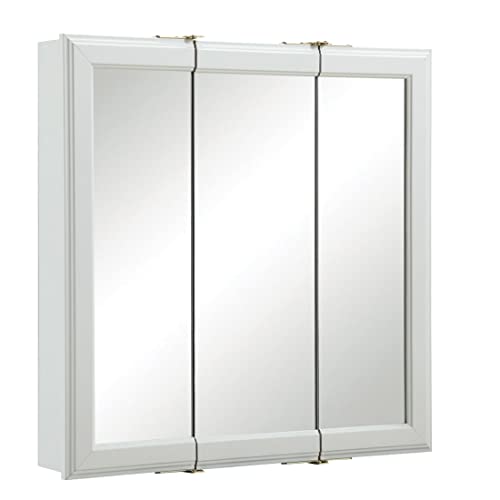
The upgrade profile is a larger cabinet or a coordinated shelf and cabinet pairing in solid wood, quality metal, or well sealed engineered wood, often around $150 to $350. You gain soft close doors, adjustable shelving, a mirror front option, and finishes that match your faucets for a built in look. This profile suits a primary bathroom you plan to keep for years. Its limit is weight and installation effort, since a heavier cabinet demands solid stud anchoring and careful leveling, and it rewards hiring help if you are not confident on a ladder with a drill.
How to Choose the Best Bathroom Wall Storage: Buying Guide
Intended Use and Who It Is For
Start by naming what will live on the wall. Rolled towels need open depth and width, medicine and skincare need a closed cabinet that limits dust and curious small hands, and spare toilet paper needs a spot near the toilet that a guest can find without asking. Renters should favor light shelves with few holes, while owners can invest in larger cabinets. If children use the room, place daily items low and cleaning products in a closed, higher cabinet. Matching the format to the inventory prevents the common outcome of a pretty shelf that holds nothing you own.
Key Performance Specs
The specs that matter are width, height, depth, shelf spacing, and rated load per shelf. Common cabinet widths run 16 to 36 inches, and shelf depth of 6 to 8 inches holds most bottles and folded towels. Look for adjustable shelves with at least a few position options, because fixed spacing wastes inches above short items. Load ratings deserve respect. A stack of damp towels and glass bottles is heavier than it looks, so choose shelves rated comfortably above your planned load, and spread heavy items across the lowest shelf or the cabinet base.
Depth also decides comfort. Above a toilet, keep the unit shallow enough that a seated adult can lean back without concern, and above a sink, leave clearance for the faucet and for leaning in at the mirror. In this size planning stage, our broader guide to the best bathroom storage can help you divide items between wall units, floor pieces, and inside cabinet storage so the wall is not asked to do every job alone.
Warranty and Customer Support
A clear warranty on finish and structure tells you the maker expects the unit to survive bathroom humidity. Look for at least a one year warranty, and longer coverage on metal frames and hinges. Support quality shows in the small things, such as spare mounting hardware, replacement shelf pins, and instructions that name the anchor types for drywall, tile, and studs. Keep your receipt and the hardware list after installation. If a door hinge or a shelf bracket fails in year two, that paperwork turns a frustrating search into a short, simple replacement.
Maintenance and Long Term Costs
Wall storage lives in steam, so upkeep is mostly about moisture. Wipe shelves and cabinet tops weekly, because dust mixed with damp air forms a stubborn film. Ventilate the room during and after showers to slow finish wear and prevent musty smells in stored towels. Long term costs are low when the material is right, but repainting a swollen wood shelf or replacing rusted brackets can erase the savings of a cheap unit. Keep a small reserve for anchor upgrades and touch up paint, and inspect mounting screws twice a year for any sign of loosening.
Size, Weight, and Fit for Your Space
Measure the wall in three places, because bathroom walls are rarely perfectly straight, and note anything the unit must clear, such as a light fixture, an outlet, or a towel bar. Leave a few inches of breathing room on each side so the piece looks planned rather than wedged. Weight matters for both the wall and the installer. A large solid cabinet can weigh enough that holding it level while marking holes is a two person job. Plan the stud positions first with a stud finder, and let those positions influence the exact width you buy, since anchoring into studs is the strongest and safest mount.
Ease of Use and Setup
The easiest units to live with open smoothly, hold their shelves firmly, and put daily items between waist and eye level. For setup, a mounting template in the box and a built in level strip save real time. Know your wall type before you drill. Tile needs a special bit and patience, plaster needs care to avoid cracking, and drywall between studs needs proper anchors rated for the load. If a unit will sit above the toilet, our guide to the best bathroom storage cabinet covers cabinet specific mounting patterns and clearances in more detail.
Price vs Value
Budget shelves and small racks, around $25 to $70, suit light items and short term needs. Mid range cabinets and shelf sets, around $70 to $180, usually bring better materials, adjustable shelves, and hardware that stays tight. Premium pieces above around $180 add solid construction, refined finishes, and mirror or lighting features. Value is not the lowest price. It is the lowest price that still gives you corrosion resistant material, honest load ratings, and mounting hardware you trust above a hard floor and a porcelain toilet.
Types of Bathroom Wall Storage
Budget Options
Budget options include wire racks, small floating shelves, and simple adhesive or over the door units adapted for wall use. They install fast, cost little, and suit renters and guest rooms. Their limits are load capacity and finish life, so keep them for towels, paper goods, and light bottles rather than heavy glass containers or a full product collection.
Premium Options
Premium options include solid wood cabinets, metal and glass shelving, and mirrored cabinets with interior outlets or lighting in some designs. They look built in, last the longest, and organize the most. They suit primary bathrooms and long term homes. The costs are price, weight, and a more involved installation that may justify professional help, especially on tile walls.
Mid Range Options
Mid range options cover most closed cabinets and multi shelf units in sealed engineered wood or powder coated metal. They balance durability, looks, and price for family bathrooms, and they offer the widest choice of widths and finishes. For many homes this is the practical sweet spot. If your room is especially tight, pairing a mid range wall unit with ideas from our guide to the best storage for small bathroom layouts helps every inch work together.
Care and Maintenance Tips
- Read the manual before first use. Mounting limits and load ratings are written there, and they decide which anchors and shelf positions are safe.
- Clean and inspect regularly. Wipe surfaces weekly and check screws, brackets, and shelf pins every few months for loosening or rust.
- Store backup items in a dry place. Keep reserve towels and paper goods dry, and avoid overloading the top shelf with heavy bottles.
- Register the product for warranty. A short registration step protects you if a hinge, bracket, or finish fails early.
- Ventilate after showers. Running the fan protects finishes, stored fabrics, and the wall paint behind the unit.
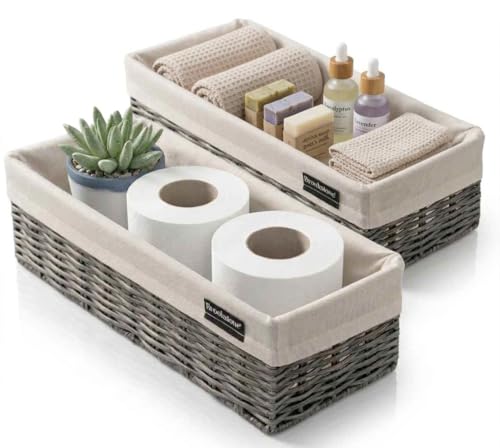
For open baskets and bins that sit on wall shelves, rotating contents keeps dust down and reminds you to use what you store. Our roundup of the best baskets for bathroom storage explains sizes that fit standard shelf depths without hanging over the edge. Labeled baskets also help guests find supplies without opening every cabinet in the room.
Bathroom Wall Storage: Your Questions Answered
How long does bathroom wall storage last?
A metal or solid wood unit, mounted into studs and kept ventilated, can last 10 years or more with only minor hardware checks. Sealed engineered wood usually serves well for many years in a ventilated room but ages faster in constant steam. The mount often outlasts the finish, so early rust spots or swelling are your signal to repair or plan a replacement.
Are expensive bathroom wall storage units worth it?
They are worth it in a primary bathroom where the unit is used daily, loaded heavily, and expected to match the room for years. Better materials resist steam, and better hardware stays smooth and tight. In a guest bath or a short term rental, a mid range unit usually gives you the same daily function, and the savings can go toward towels, lighting, or a better exhaust fan.
How do I maintain bathroom wall storage?
Wipe shelves and doors weekly with a damp cloth and mild cleaner, then dry them so moisture does not sit on the finish. Keep the room ventilated, tighten any loose screws promptly, and avoid stacking heavy items high. Once or twice a year, empty the unit, check the anchors and the wall behind it for moisture marks, and touch up any finish chips before steam can reach the material underneath.
How much should I spend on bathroom wall storage?
Most households spend around $50 to $180 for a unit that is sturdy, moisture resistant, and large enough for daily supplies. Simple shelves can cost less, and large premium cabinets cost more. Spend first on material and mounting strength, because a low price is no bargain if the unit sags or rusts within a year. Our overview of best bathroom storage solutions shows how wall pieces fit into a full room budget.
What features matter most when buying bathroom wall storage?
Moisture resistant material matters most, followed by a mounting system matched to your wall and studs, and shelf sizes that fit your actual items. Adjustable shelves, honest load ratings, and a door when you need dust protection round out the list. Measure your tallest bottle and your folded towel stack before you shop, because those two numbers rule out more wrong choices than any style preference will.
Final Thoughts
Pick the format that fits your inventory, insist on materials that can live in steam, and anchor the unit into the strongest structure your wall offers. With those three decisions made, the product table above will point you to the best bathroom wall storage for your room, your routine, and your budget.