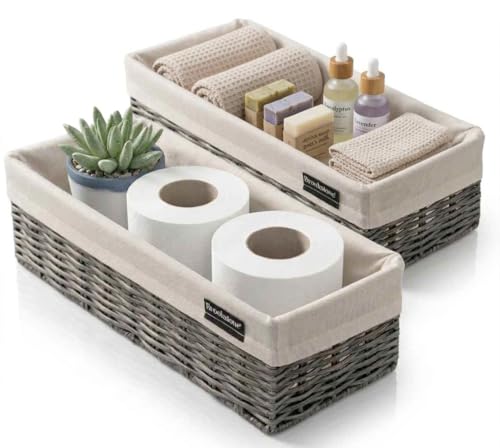
Best Bathroom Storage for Every Need: How to Pick the Right One for 2026
Disclosure: We may earn a commission when you buy through links on this page, at no extra cost to you. As an Amazon Associate I earn from qualifying purchases. Learn more
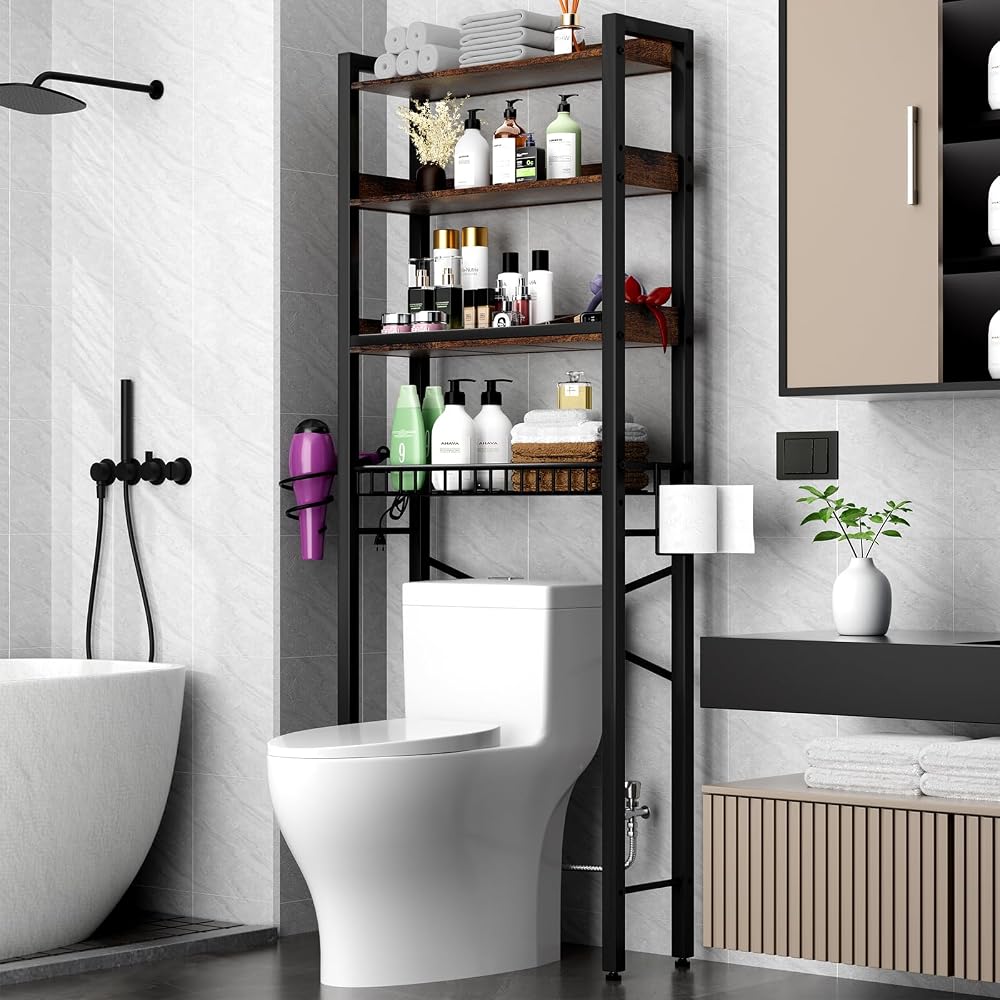
Need bathroom storage? Compare cabinets, shelves, baskets, and over toilet units to organise small bathrooms without clutter and keep counters clear.
Shopping for best bathroom storage is about giving every daily item a home so counters stay clear and routines run smoothly. Bathrooms hold an awkward mix: tall bottles, small medicines, towels, cleaning supplies, and styling tools, all in a room that is often small and humid. The right storage matches item sizes to compartments, survives moisture, and keeps daily items reachable without clutter. The product table below shows the main types side by side.
Start by listing what you actually store, not what a catalogue suggests. Daily items need easy reach near the sink or shower, while bulk and cleaning supplies can sit higher or farther away. Measure cabinets, wall space, and floor areas before buying, since a beautiful unit that blocks a door or crowds a toilet helps no one. Small bathrooms reward vertical storage and door space use, while larger rooms can carry furniture style cabinets.


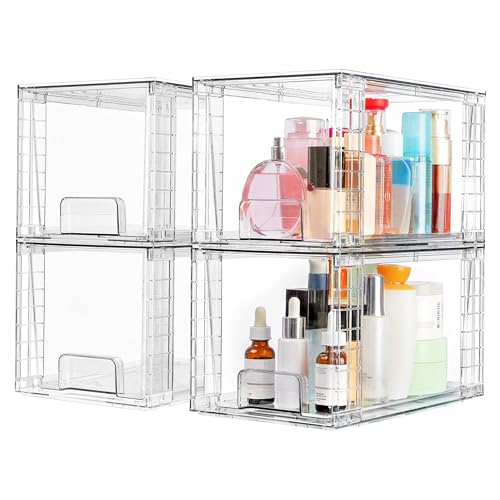

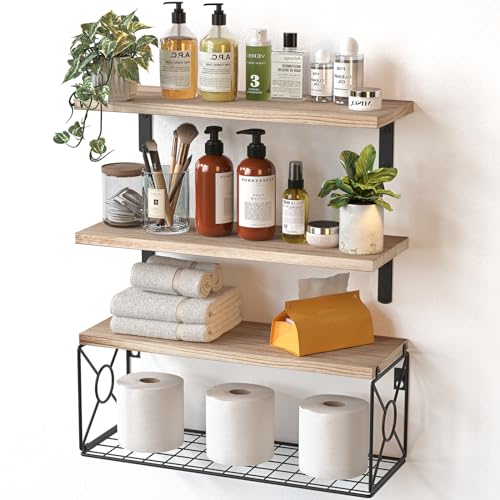
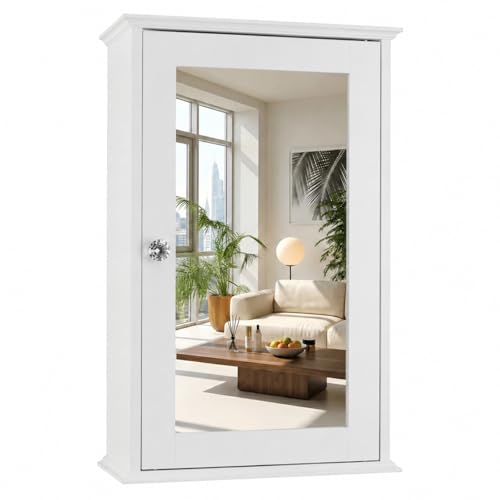

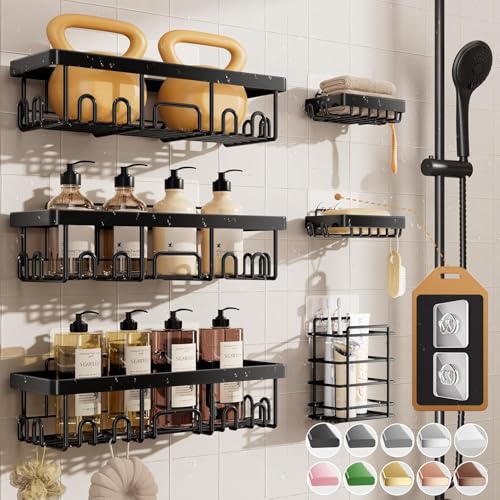
Storage Types in Plain Language
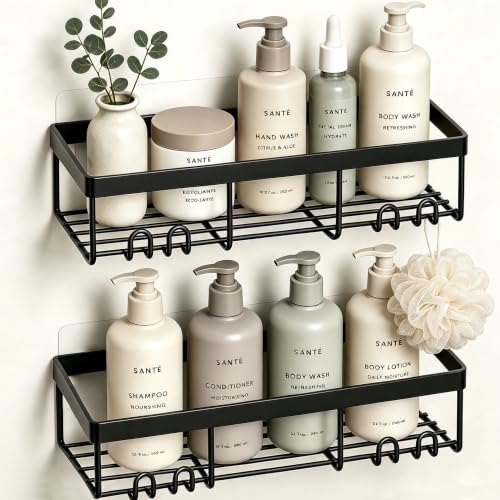
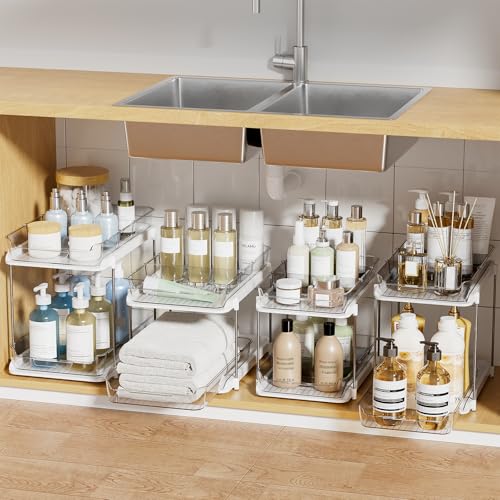
Wall cabinets and mirrored cabinets use vertical space and keep medicines and daily items behind closed doors. Open shelves display items and suit decorative storage, but they collect dust and look cluttered when overloaded. Freestanding cabinets and etageres over the toilet use dead space above fixtures, though they must leave clearance for toilet use and cleaning. Baskets and bins organise inside cabinets and under sinks, turning deep spaces into reachable zones.
Materials must suit humidity. Solid wood and veneer need sealing in damp rooms, while metal, plastic, and treated bamboo resist moisture better. Glass shelves look light but show dust and water spots. Choose finishes that wipe clean easily, since bathroom storage faces toothpaste, soap, and cleaning spray daily.
Hardware should resist rust, especially hinges and handles near showers.
Key Features Explained
Size and Fit
Fit starts with measurements: height, width, and depth, plus door swing, toilet clearance, and plumbing obstacles under sinks. Under sink storage must work around pipes, so adjustable shelves and stackable bins help. Over toilet units need height clearance for tank access and lid lifting. Wall units need stud or suitable fixing locations, since loaded cabinets pull hard on weak walls.
Measure twice and check fixing requirements before ordering.
Moisture Resistance
Moisture resistance decides lifespan in bathrooms. Sealed wood, coated metal, and quality plastic survive humidity far better than raw particle board, which swells and crumbles when wet. Ventilation matters too: a well ventilated room protects every material, while a damp, unventilated room damages even good storage over time. Wipe spills promptly, and avoid storing medicines or electronics where steam collects directly.
Organisation and Access
Good organisation groups items by routine: morning items together, cleaning supplies separate, and bulk stock clearly labelled. Clear bins, drawer dividers, and turntables make deep cabinets usable, since items at the back otherwise vanish. Daily items should sit at eye or hand height, while rarely used items can go higher. If a storage system requires moving three items to reach one daily item, it will fail in real life no matter how tidy it looks new.
Who Should Buy Which Type
Small bathrooms should favour wall cabinets, over toilet units, and door organisers that use vertical and dead space. Family bathrooms need larger, divided storage with separate zones per person to prevent morning crowding. Guest bathrooms can use simpler open shelving and baskets, since lighter use tolerates less rigid organisation.
Cabinet focused guides compare wall, floor, and mirrored cabinets for different bathroom sizes. See our guide to best bathroom storage cabinet for more detail.
Small bathroom guides focus on vertical space, door use, and compact units that fit tight rooms. See our guide to best storage for small bathroom for more detail.
Solution guides cover combined approaches, from shelving to baskets, for whole room organisation. See our guide to best bathroom storage solutions for more detail.
Basket guides help organise inside cabinets, on shelves, and under sinks with flexible containers. See our guide to best baskets for bathroom storage for more detail.
White storage suits bright, clean bathroom looks, though finish durability in humidity still matters most. See our guide to best white bathroom storage for more detail.
Mistakes to Avoid
A common mistake is buying storage before measuring, which leads to units that block doors, toilets, or plumbing access. Another is choosing open shelving for everything, which looks tidy only until daily items pile up. Ignoring humidity is also costly, since unsealed particle board swells quickly in damp rooms.
Do not overload wall fixings. Heavy cabinets full of bottles need studs or rated anchors, not simple screws in plasterboard. Check weight ratings and fixing guidance, and call a professional for heavy or uncertain installations. Keep medicines and cleaning products out of reach of children, using high or locked storage where needed, since bathroom safety matters as much as tidiness.
Care and Everyday Use
Declutter seasonally, since bathrooms accumulate half used products that fill storage and hide daily items. Wipe shelves and bins regularly, and check for leaks under sinks that damage storage from below. Replace rusted hardware promptly, since rust stains and weakens fixings over time.
Label bins and zones when sharing a bathroom, so everyone returns items to the right place. Keep a small daily tray for items used every morning and evening, and store the rest behind doors. With steady habits, good storage keeps a bathroom calm and functional rather than a daily search through clutter.
Frequently Asked Questions
How do I organise a very small bathroom?
Use vertical space with wall cabinets and over toilet units, plus door organisers and under sink bins. Keep daily items at hand height and move bulk stock elsewhere. Measure every space, including door swing and toilet clearance, before buying. A few well placed vertical pieces usually beat one large unit that crowds the room.
What material lasts best in humid bathrooms?
Sealed wood, coated metal, quality plastic, and treated bamboo resist humidity better than raw particle board, which swells when wet. Ventilation matters as much as material, so run fans after showers and wipe spills promptly. Check finishes and hardware for rust resistance, especially near showers, and choose materials you can wipe clean easily.
Should I choose open shelves or closed cabinets?
Closed cabinets hide clutter and protect items from dust and steam, suiting busy family bathrooms. Open shelves display decorative items and suit guest rooms with light use. Many bathrooms benefit from a mix: closed storage for daily and cleaning items, plus one or two open shelves for towels and decoration. Choose based on how much clutter you realistically maintain.
How do I store medicines safely?
Store medicines in a cool, dry spot away from shower steam, and out of reach of children. A high or lockable cabinet suits households with children. Check expiry dates regularly and dispose of old medicines as local guidance directs. Avoid storing medicines in very humid spots, since moisture can degrade them faster.
What about under sink storage with pipes?
Use stackable bins, adjustable shelves, and turntables that work around pipes rather than fighting them. Measure pipe positions before buying, and leave access for plumbing maintenance. Keep cleaning products separate from personal items, and check for leaks regularly, since slow leaks damage storage and floors if unnoticed. Keep a small torch nearby so checking for leaks stays quick and easy.
Final Thoughts
Good bathroom storage matches item sizes to compartments, survives humidity, and keeps daily items reachable without clutter. The product table above compares the main types, and the sections here explain how size, moisture, and organisation interact in real bathrooms. Measure first, use vertical space, and choose materials for damp conditions.
With that plan, best bathroom storage can turn a crowded bathroom into a calm, functional room where everything has a place. Tidy storage makes every routine easier.