Best Bathroom Vanities on a Budget: A First Time Buyer's Guide for 2026
Disclosure: We may earn a commission when you buy through links on this page, at no extra cost to you. As an Amazon Associate I earn from qualifying purchases. Learn more

Shopping for the best bathroom vanities on a budget for the first time? Learn the terms, compare options, and avoid rookie mistakes with this easy guide.
Buying your first vanity is confusing because the price tags range from under $150 to well over $1,000 for cabinets that can look similar in photos. The best bathroom vanities on a budget are not simply the cheapest ones on the page. They are the ones that spend money on the parts that fail first, like the cabinet box and the top, while saving on decoration you can change later for a few dollars.
This guide starts with the basics in plain English, explains each spec and what level to choose, and then walks through the mistakes first time buyers make most often. Use the product table below to see typical sizes and price bands, and keep your room measurements beside you as you read. By the end, you will know exactly what a sensible budget buys and where cutting corners costs you more later.

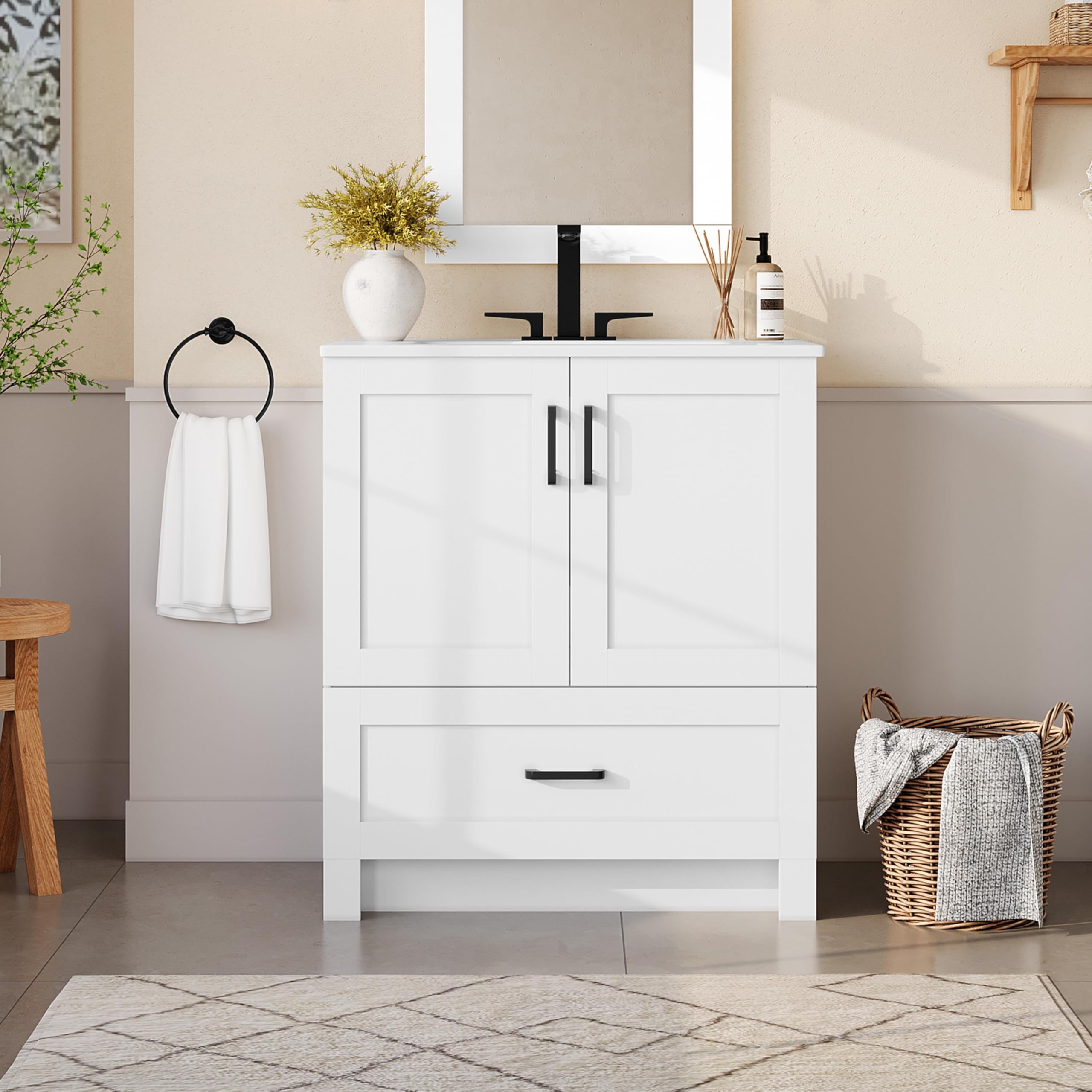

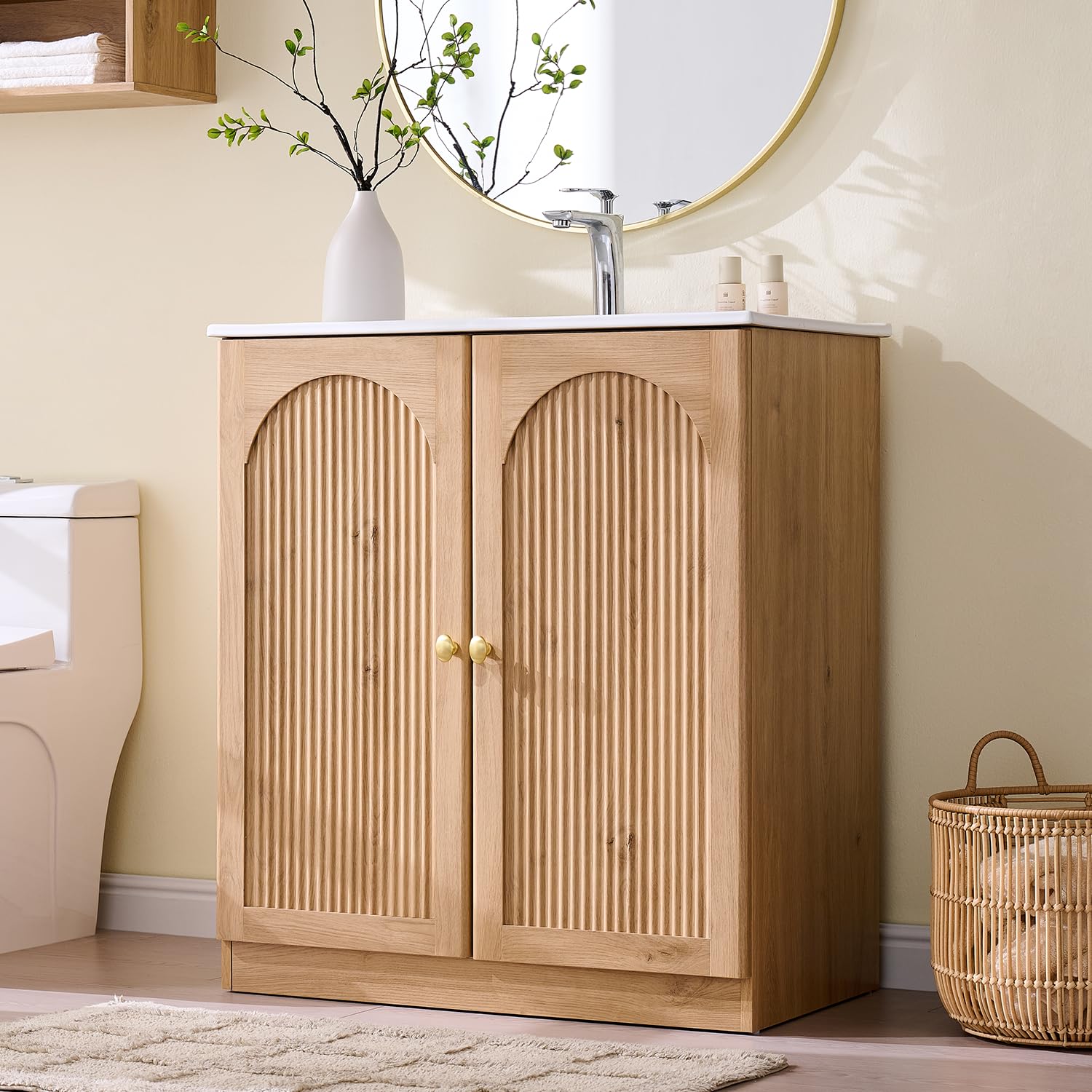
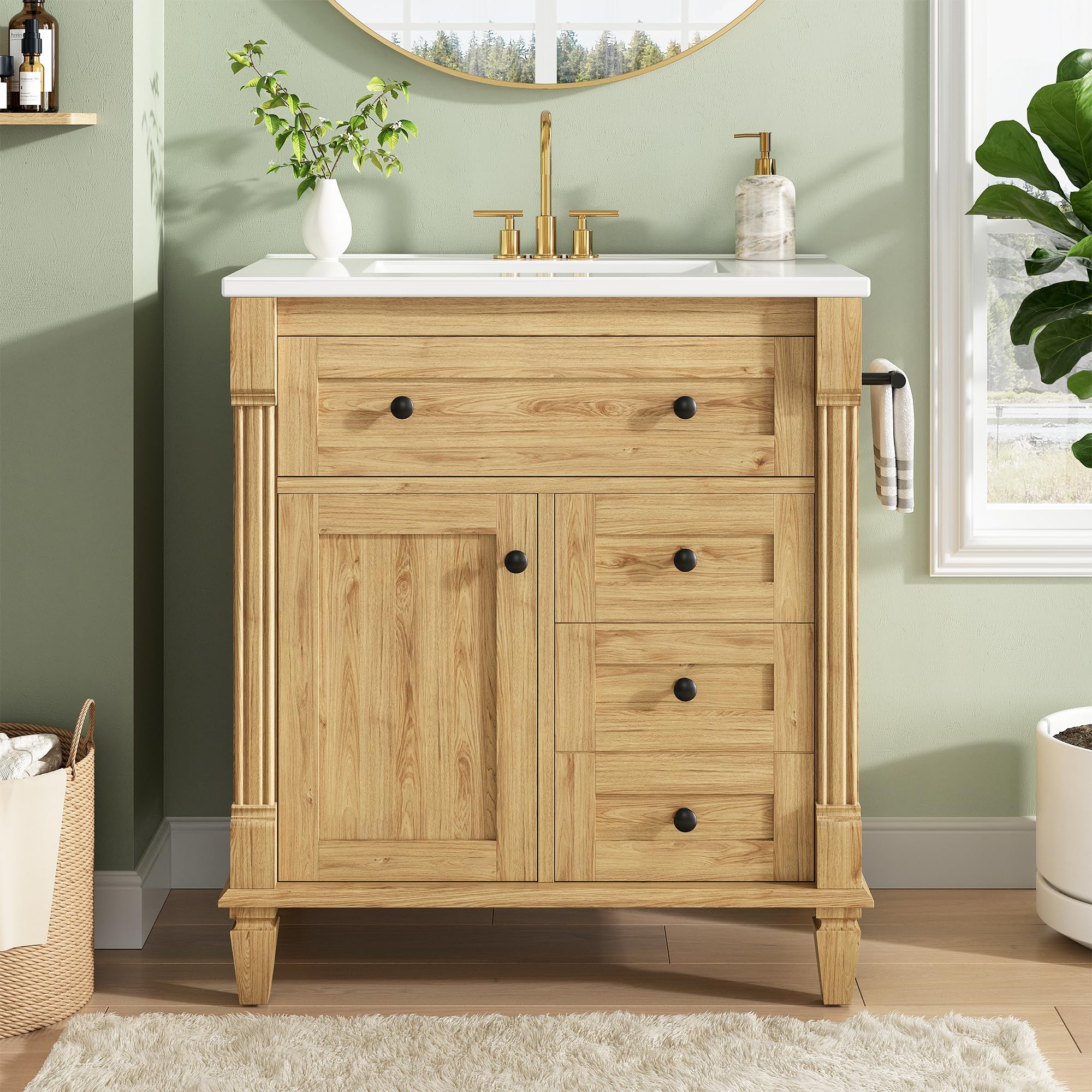


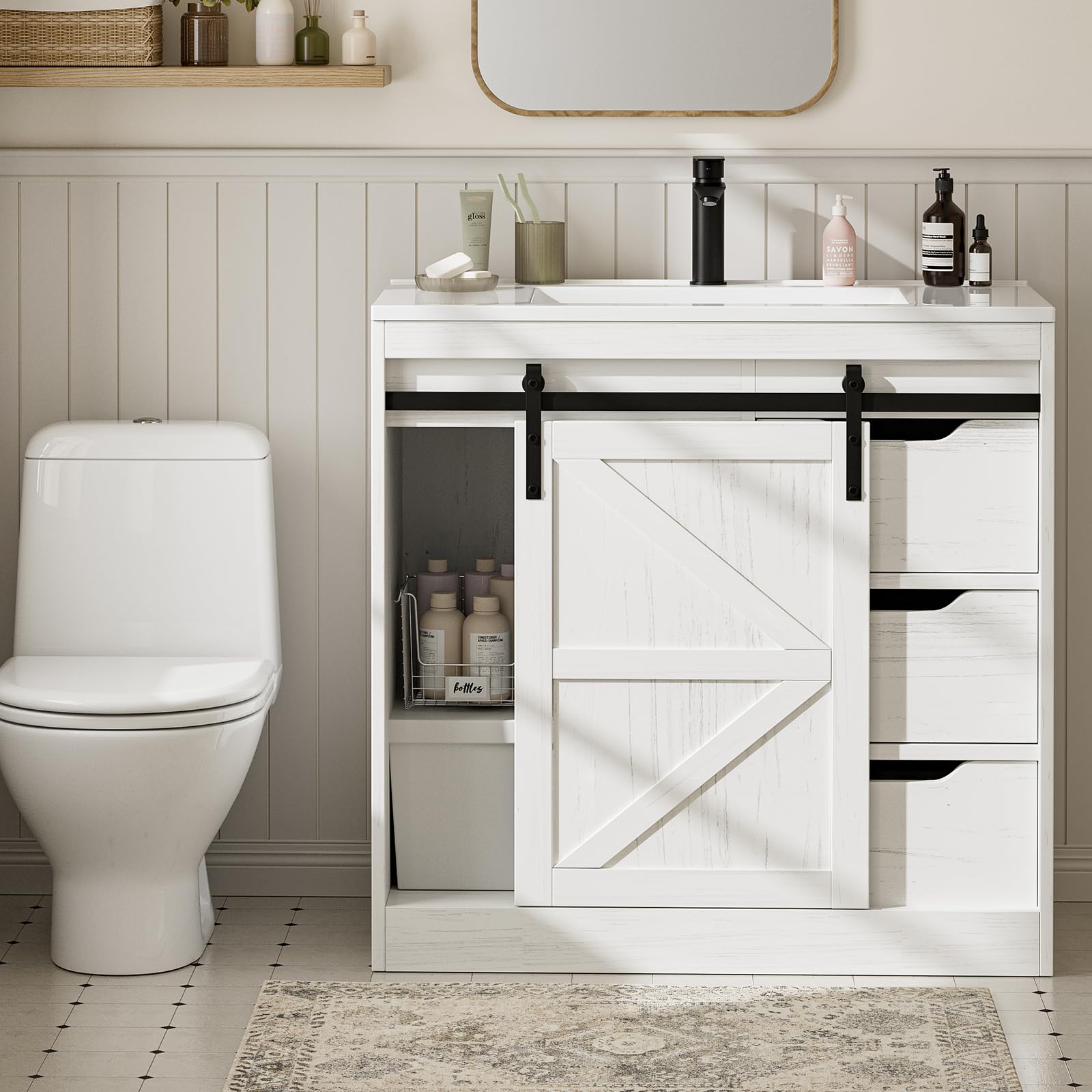

Vanity Basics 101: What You Are Actually Buying
A bathroom vanity is three things in one purchase: a cabinet that holds storage, a top that takes daily water and toothpaste, and usually a sink, sometimes sold separately. Some listings include a faucet and mirror, and many do not, so always check what is in the box before you compare prices. A low price that excludes the top is not lower than a complete unit once you add the missing parts.
A few terms cover most listings. Freestanding means the cabinet stands on the floor. Floating or wall mounted means it hangs on the wall and shows floor beneath. The rough in is where your water lines and drain sit, and the cabinet back and drawers must fit around it. Cultured marble is a molded stone look material common at budget prices, while ceramic tops are fired clay with a glazed surface. Knowing these words turns a confusing listing page into a simple checklist.
Key Specs Explained in Plain English
What You Can Realistically Get on a Budget
A realistic budget is around $200 to $500 for a complete vanity with top and sink in common widths like 24, 30, or 36 inches. At that level you can expect a clean design, a durable molded or ceramic top, and storage that works, though often as a cabinet with doors rather than full drawers. What gets cut is usually solid wood construction, stone tops, and soft close hardware on every moving part. Do not cut on two things: a cabinet box that resists moisture, and a top with a raised edge or backsplash that keeps water off the wall.
Intended Use and Who It Is For
Budget vanities suit guest bathrooms, rental properties, basement baths, and first homes where the remodel budget has to stretch across paint, flooring, and fixtures too. They also suit a primary bathroom if your household is small and you are tidy about wiping up water. Be honest about use. A family bathroom with two kids splashing through every morning will test a budget cabinet hard, and in that room it can be smarter to buy the sturdiest box you can afford and save money on the mirror and light instead.
Maintenance and Long Term Costs
The purchase price is only part of what a vanity costs you. Budget cabinets made from basic board can swell if water sits at the base, and repairing that damage is rarely worth it, so prevention is the real maintenance plan. Keep a bead of caulk sound where the top meets the wall, wipe the floor dry after baths, and fix drips under the sink quickly. On the plus side, budget tops are usually easy care surfaces that need only mild cleaner. Plan a small reserve, around $50 to $100 over the years, for caulk, touch up paint, and a replacement drain part.
Key Performance Specs
For a vanity, performance means storage you can reach, a sink that does not splash everywhere, and doors or drawers that still align after a year of use. Look for a sink bowl at least about 5 inches deep to contain splashes, a cabinet interior tall enough for cleaning bottles under the plumbing, and hinges or slides with metal parts rather than thin plastic. Height around 32 to 36 inches keeps most adults comfortable. If a listing hides the box material or the interior dimensions, treat that silence as a warning sign and look at the next option.
Size, Weight, and Fit for Your Space
Start with width, because it is fixed by your wall and your toilet clearance. Common budget widths are 18, 24, 30, 36, and 48 inches, and depth is usually about 18 to 21 inches. Measure the path into the bathroom as well, since a one piece vanity with top attached must fit through the door and around any hallway turn. Weight matters for floating models, which need solid wall studs or proper blocking. Floor standing models are more forgiving for a first install, because the floor carries the load and the wall anchors mainly keep the unit from tipping.
Before you order, sketch your drain position. A drawer vanity whose cutout misses your drain by an inch can turn a weekend project into a plumbing bill. Shoppers who want to see what stronger construction looks like at higher prices can read our guide to the best quality bathroom vanities and then judge how close a budget model comes to those standards.
Rookie Mistakes to Avoid
- Comparing prices without checking what is included. A cabinet only listing looks cheap until you add a top, sink, and faucet, so total the full package first.
- Guessing the size. Measure wall width, door swing, and toilet clearance, then tape the footprint on the floor before you buy anything.
- Ignoring the cabinet material. Basic board in a wet room needs sealed edges, and unsealed edges swell, so inspect product photos of the interior and base.
- Forgetting the plumbing position. Your drain and water lines decide which drawer and shelf layouts will fit without modification.
- Spending the whole budget on the cabinet. Keep money aside for a faucet, supply lines, caulk, and possibly a new mirror, or the project stalls half finished.
Getting Started: Setup and First Use
When the box arrives, read the manual before first use and check every panel and the top for shipping damage before the delivery window closes. Dry fit the vanity in place, confirm the plumbing lines up, and level the cabinet with shims so doors hang straight and the top sits flat. Connect water lines hand tight plus a careful quarter turn, run the water, and check under the sink with a dry paper towel to spot slow leaks. Clean and inspect regularly during the first month, because small drips and settling are easiest to fix early, before moisture reaches the cabinet bottom.
Set up storage with intention from day one. Tall bottles go in the cabinet section away from the trap, daily items go where you can reach them without kneeling, and a small tray on the top keeps wet items off the surface. Those habits keep a budget vanity looking and working like a more expensive one.
FAQs
How much should I spend on a budget bathroom vanity?
Plan on around $200 to $500 for a complete unit with a top and sink in a standard width, plus extra for a faucet and installation supplies. Below around $200, expect cabinet only listings or very basic materials that need gentle use. Above around $500, you start buying better box materials and drawers, which is worth it for a busy primary bathroom but less vital for a guest room.
How do I maintain a budget bathroom vanity?
Wipe water off the top, fronts, and base promptly, because moisture is the main enemy of budget materials. Use mild cleaner and a soft cloth, and avoid soaking the cabinet with a wet mop. Check the caulk line at the wall twice a year and renew it when it cracks. Look under the sink every few months for dampness, since catching a slow drip early can save the whole cabinet.
How long does a budget bathroom vanity last?
With dry habits and a ventilated room, a budget vanity commonly lasts about 7 to 12 years before the finish or base shows real wear. Units in steamy rooms with poor airflow and standing water can fail in half that time. The top usually outlasts the cabinet, so your care should focus on the box, especially the floor line and the area around the sink cutout where water sneaks in.
Are expensive bathroom vanities worth it?
They are worth it when the bathroom is your main one and you plan to stay in the home, because plywood or solid wood boxes and stone tops can double the service life. They are harder to justify in a guest bath or a home you may sell soon. A sensible middle path is a budget vanity with the best box material you can find, paired with careful sealing and dry habits.
What features matter most when buying a budget bathroom vanity?
Moisture resistant box construction matters most, followed by a complete package that truly includes the top and sink you need. After that, look at storage shape that fits your plumbing, a sink deep enough to limit splashing, and metal hardware. Decorative legs, trendy colors, and matching accessories can all change later for little money, while the box and top are the purchase you live with.
The Bottom Line
Set a total budget that includes the faucet and supplies, measure before you shop, and put your money into the cabinet box and the top before anything decorative. Use the product table above to compare complete packages side by side, and the best bathroom vanities on a budget for your room will be the ones that stay dry, fit your plumbing, and still look tidy years from now.