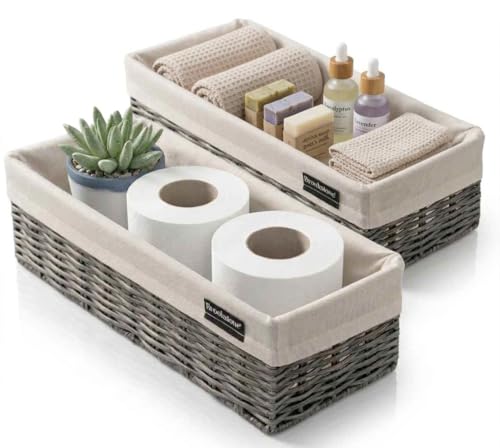
Best Bathroom Storage for Small Bathrooms: Match the Right Fit to Your Routine in 2026
Disclosure: We may earn a commission when you buy through links on this page, at no extra cost to you. As an Amazon Associate I earn from qualifying purchases. Learn more

Choose the best bathroom storage for small bathrooms by measuring first, then matching shelves, cabinets and organizers to your routine and budget.
There is no single best storage answer for a small bathroom, because small bathrooms fail in different ways. One has no counter space, another has no cabinet, and a third has plenty of walls but a floor plan where every door swing eats the room. The right purchase depends on which problem you actually have and how you move through the room each morning.
This guide matches the best bathroom storage for small bathrooms to real routines, so you can buy for your habits instead of for a photo. Work through the user types and measuring steps below, then use the product table below to check dimensions and formats against your own tape measure notes.

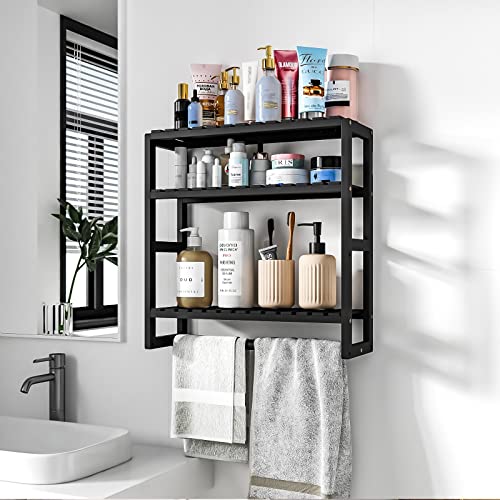
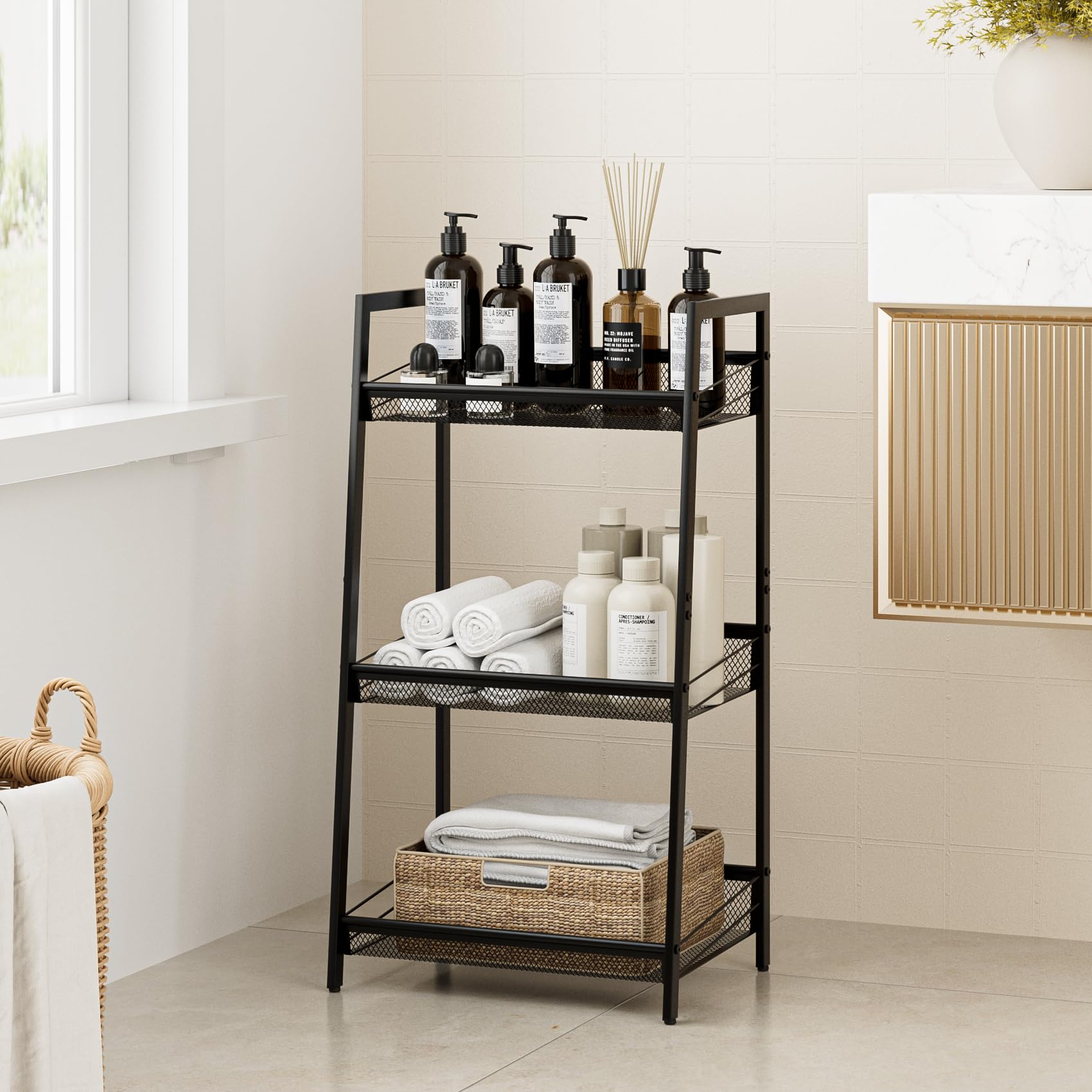

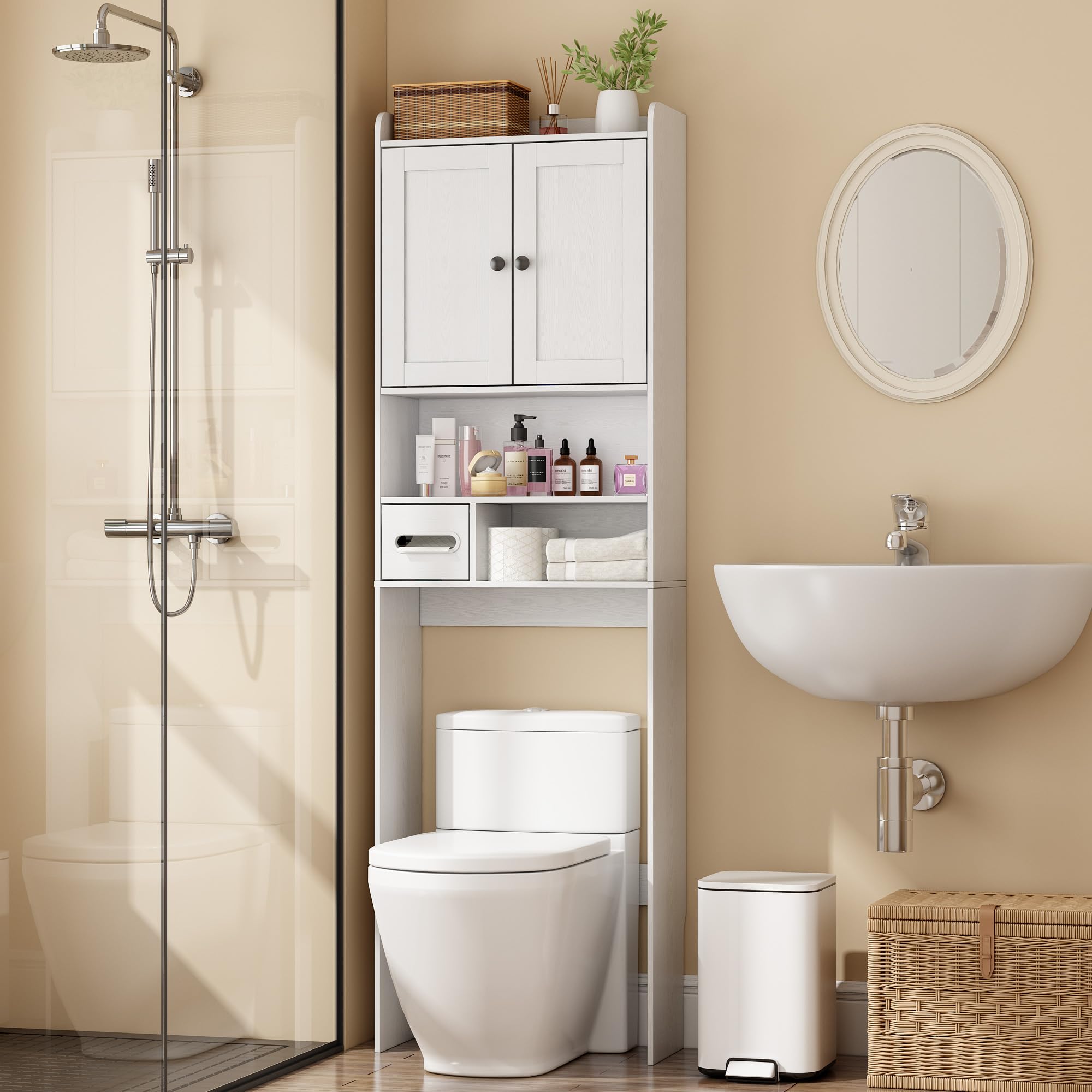
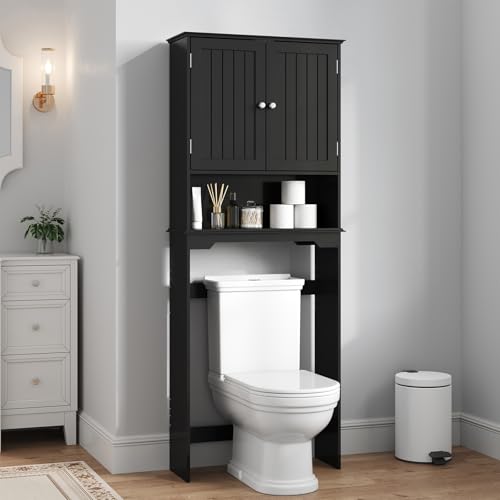

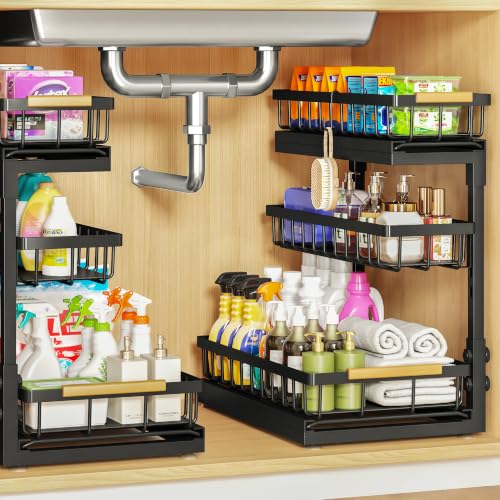
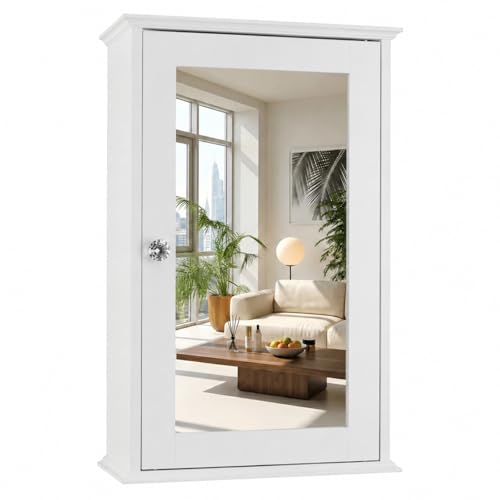
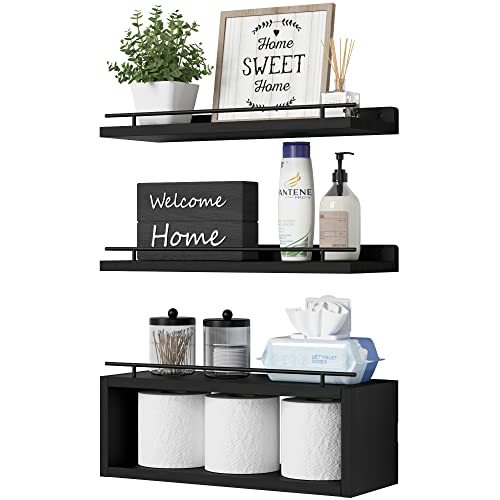
Who Should Buy Which Bathroom Storage?
For Value Seekers
Value seekers should spend on format before finish. A simple open shelf unit or a slim rolling cart that fits the gap beside the toilet usually solves more daily frustration per dollar than a handsome cabinet that duplicates storage you already have. Prioritize materials that survive humidity, such as powder coated metal, sturdy plastic, or properly sealed wood, because a cheap unit that swells or rusts within a year is not a bargain. Buy one piece, live with it for a month, and let real use show you what the second piece should be. Small bathrooms punish guesswork, and staged buying keeps both cost and clutter down.
For First Time Buyers
First time buyers should start with storage that needs no drilling and no permanent change. Freestanding over toilet shelving, adhesive hooks rated for wet rooms, and under sink organizers all install in minutes and move with you if you rent. Choose adjustable shelves when you can, because bottle heights vary more than product photos suggest, and a shelf you cannot fit a shampoo bottle on is wasted space. Keep the first setup simple: one home for daily items near the sink, one home for back stock, and one for towels. Once that system runs smoothly, you will know exactly which upgrade, if any, is worth holes in the wall. Renters planning a whole room refresh can also browse our guide to the best small bathroom storage ideas for layout inspiration.
For People Who Want the Best Performance
Performance in a small bathroom means everything reachable, visible, and dry, with zero wasted volume. That usually points to fitted solutions: a mirrored medicine cabinet that replaces a plain mirror without adding depth, a made to measure under sink drawer system that works around the plumbing, or a tall narrow cabinet that uses vertical space beside the door. Pay for soft close hinges, full extension drawers, and ventilation friendly slatted designs where towels are stored. The premium is justified when the piece is built for your exact gaps, because in a tiny room a wasted two inches is a large share of the total storage you will ever get.
Picking the Right Bathroom Storage for Different Uses
Best Bathroom Storage for Small Apartment: What to Prioritize
The phrase best bathroom storage for small apartment points to a specific set of constraints: you likely cannot drill freely, you may move within a year or two, and the bathroom often serves guests as well as daily routines. Prioritize freestanding and door mounted formats that leave no damage, sizes that fit standard apartment gaps such as the space above the toilet tank, and pieces light enough to carry out in one trip on moving day. Apartment storage also earns its keep when it folds, stacks, or serves two rooms, so a cart that works in the bathroom now and a kitchen later is a genuinely smarter buy than a fixed cabinet.
Key Features to Compare
Intended Use and Who It Is For
Start by naming the exact job. Daily grooming storage must sit within arm reach of the sink and tolerate splashes. Back stock storage for extra shampoo and cleaning supplies can live higher, deeper, or behind a door. Towel storage needs airflow above all, because towels packed into a sealed box in a steamy room will smell stale. Households sharing one small bathroom need zones: a bin or shelf per person prevents the counter creep that makes small rooms feel chaotic. Write your job list before shopping, then reject any piece that does not serve a job on it, no matter how clever it looks in a listing.
Measuring for Size and Portability
Measuring is the skill that decides success in a small room. Record width, depth, and height of every candidate spot, then subtract clearance: doors and drawers need swing room, toilet tanks need access for repairs, and shower doors need their full arc. Note the narrow points too, like the gap between a sink pedestal and a wall, which often fits a cart of about 8 to 10 inches wide. Use painter tape on the wall and floor to outline a piece before buying; living with the outline for two days reveals blocked switches and bumped shins that numbers hide. Prefer lighter pieces you can lift out for cleaning, because small bathrooms need regular deep cleaning behind and under storage. Our general guide to the best bathroom storage covers larger room formats if your next home has more space.
Safety and Certifications
Safety in bathroom storage is mostly about stability and moisture. Tall units must anchor to the wall with the supplied hardware, especially in homes with children who may pull on shelves, and anchor straps are a small cost against a tip over accident. Choose finishes and materials rated for damp environments, and keep electrical items such as toothbrush chargers on open, ventilated shelves rather than inside sealed cabinets near water spray. Glass shelves should be tempered, and mirrored cabinets should close securely so bottles cannot vibrate off an edge. If a product lists a weight limit per shelf, respect it: a row of full shampoo bottles is heavier than it looks.
Maintenance and Long Term Costs
Bathroom storage lives in the most humid room in the home, so maintenance decides lifespan. Open designs wipe down quickly and dry fully, while closed cabinets need a weekly airing in steamy bathrooms to prevent mildew on stored items. Metal frames should be checked for rust at joints and feet, and wood pieces need intact sealant, since swollen edges cannot be repaired. Factor in the cost of matching bins and liners, replacement adhesive pads, and eventually a full replacement if you choose the cheapest materials. Spending slightly more on moisture proof construction usually lowers the total cost across five years of daily use.
Features That Matter for Small Bathrooms
Small bathrooms reward specific features that barely matter in large ones. Vertical reach matters: storage that runs from above the toilet to near the ceiling can double capacity without touching floor space. Shallow depth matters: shelves of about 6 to 8 inches deep hold toiletries perfectly while leaving the room feeling open, where a deep cabinet would crowd the walkway. Doors matter: sliding, mirrored, or open fronts beat swinging doors that need clearance. Adjustable shelves and removable bins matter because they adapt as products change. Finally, a footprint that lets you clean the floor underneath matters more than in any other room, since moisture and hair collect fast in tight corners.
Common Mistakes to Avoid When Buying Bathroom Storage
- Buying by looks before measuring. A beautiful cabinet that blocks the door swing or the toilet tank lid becomes daily irritation. Tape the outline first and live with it for two days.
- Ignoring the plumbing. Under sink storage must fit around traps and supply lines, which sit in different spots in every home. Measure the cabinet interior with the pipes, not just the doors.
- Choosing closed storage for damp towels. Sealed boxes trap steam and odor. Towels belong on open bars, hooks with airflow, or slatted shelving.
- Forgetting the warranty and hardware. Wall mounted pieces are only as good as their anchors and brackets. Check what hardware is included and whether spare parts are available.
- Solving storage you do not have. Adding shelves before decluttering just organizes clutter. Empty every cabinet first, count what truly stays, then buy for that smaller, honest list.
Tips to Get the Most From Your Bathroom Storage
Read the manual before first use, especially for wall mounted pieces, because anchor type and spacing decide how much weight the unit can honestly hold. Group items by routine rather than by product type: a morning bin with toothbrush, paste, and daily skincare speeds up shared bathrooms and keeps counters clear. Clean and inspect your storage monthly, wiping shelves, checking anchors and feet, and removing anything expired or empty.
Store heavy bottles low and light items high, which keeps tall units stable and makes lifting safer. Keep a small gap between stored items and the wall so air can circulate and paint stays mold free. If you pair new storage with other small room upgrades, plan the layout as one system; our guide to the best small toilets for small bathroom spaces shows how fixture size and storage size work together. A cabinet focused shopper may also want our guide to the best bathroom storage cabinet options for closed, finished looking pieces.
FAQs
What features matter most in bathroom storage for small bathrooms?
Shallow depth, vertical use of wall space, and fronts that need no swing clearance matter most. Together they add capacity without stealing the floor area you stand on. One feature worth seeking out is adjustable shelving with at least one tall bay, because modern pump bottles and electric toothbrush stands are taller than the fixed shelves in many compact units, and a single awkward bottle can waste an entire shelf level.
How do I maintain bathroom storage in a humid bathroom?
Wipe shelves weekly, leave cabinet doors open for an hour after steamy showers when you can, and keep stored bottles dry before putting them back. Check metal feet and hinges monthly for early rust, and treat small spots promptly so they cannot spread. A small rechargeable fan or an open window during showers cuts humidity more than any storage material can. Good maintenance is mostly airflow and dryness, applied consistently.
How much should I spend on bathroom storage for a small bathroom?
Most small bathrooms improve dramatically for about $50 to $200 total, spent on one or two well fitted pieces rather than many small gadgets. Simple carts and over toilet shelves sit at the lower end, while fitted cabinets and medicine cabinets cost more. Spend first on the spot you use every morning, because that return is daily. Decorative extras can wait until the functional gaps are closed and a month of use shows what is still missing.
Is expensive bathroom storage worth it for a small bathroom?
It can be, when the price buys an exact fit, moisture proof materials, and hardware that stays smooth for years. In a tiny room, one perfectly sized cabinet often outperforms three cheap pieces that almost fit. It is not worth it when the premium only buys styling, or when you rent and cannot take the piece with you. Judge by fit and materials first, then by looks, and expensive storage becomes a rational choice rather than a gamble.
What should I measure before buying bathroom storage?
Measure the width, depth, and height of the spot, the swing of every nearby door and drawer, the height of the toilet tank and its lid clearance, and the position of pipes under the sink. Also measure your tallest bottles, because shelf spacing must fit the products you own today. Write the numbers on one card and keep it in your phone. Shopping with real measurements in hand ends the most common small bathroom mistake, which is guessing.
How long does bathroom storage last?
Good bathroom storage lasts about five to ten years, depending on material and humidity control. Powder coated metal and quality plastic usually outlast cheap pressed wood in steamy rooms, while sealed solid wood sits in between with basic care. Lifespan drops fast when units stay wet, get overloaded past their shelf limits, or stand unanchored and flex at the joints. A monthly wipe and inspection routine is the cheapest lifespan extender you can buy, and it costs nothing.
The Bottom Line
Match the format to the job, measure with tape on the walls before you buy, and choose materials that shrug off steam. Those three habits matter more than any single brand or style. Compare the dimensions in the product table above against your notes, start with one well fitted piece, and the best bathroom storage for small bathrooms will feel less like a compromise and more like the room finally working the way you do.