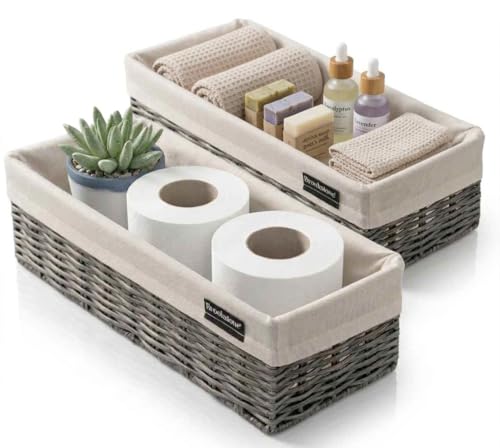
Best Bathroom Storage Containers: A First Time Buyer's Guide for 2026
Disclosure: We may earn a commission when you buy through links on this page, at no extra cost to you. As an Amazon Associate I earn from qualifying purchases. Learn more

Shopping for the best bathroom storage containers for the first time? Learn the terms, compare options, and avoid common mistakes with this easy guide.
Buying containers for a bathroom sounds easy until you face choices about lids, materials, stacking, and sizes that all look similar online. If this is your first set, you do not need the largest bundle or the most decorative jars. You need a few containers that fit your cabinet, protect the items inside, and are simple to clean. This guide explains best bathroom storage containers in plain language, step by step.
Start with the basics below, learn the key terms, and then use the product table below to match sizes and materials to the items you actually own.

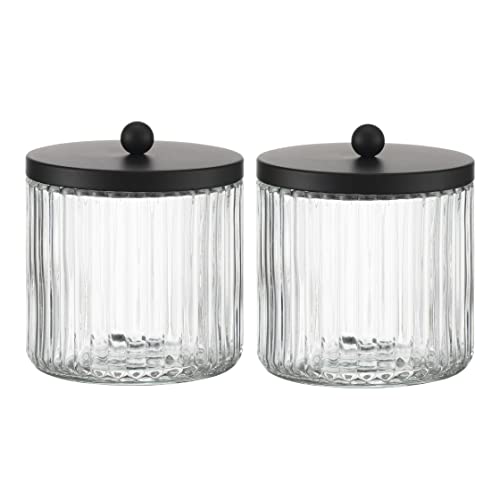
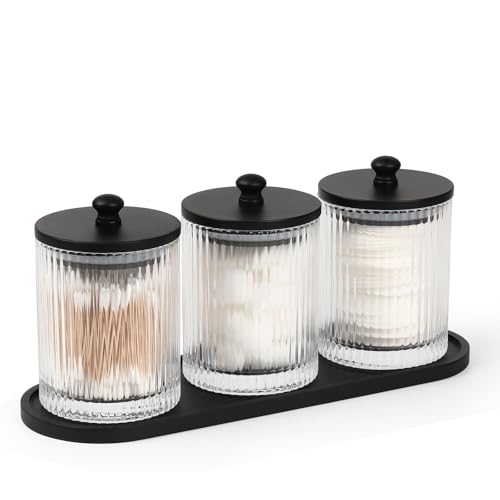
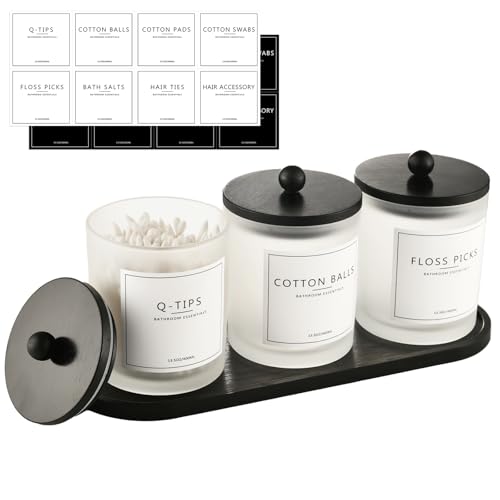
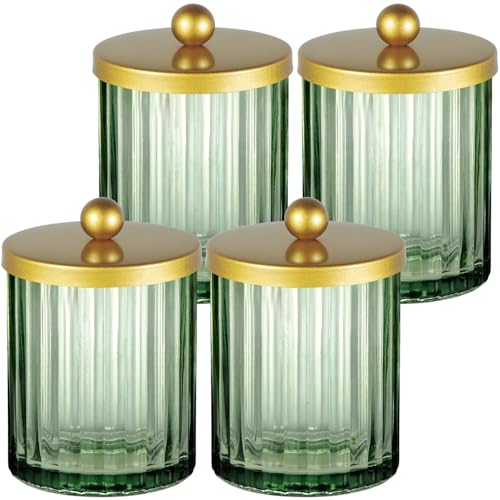

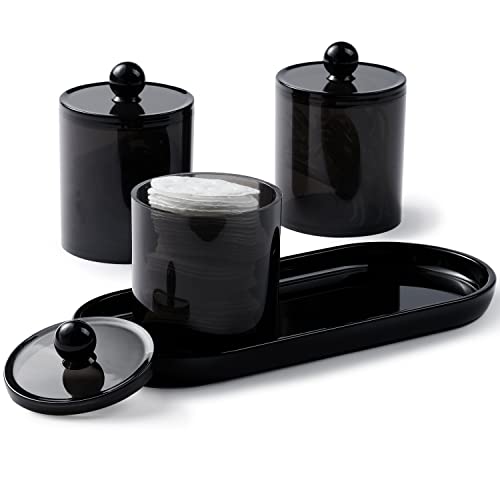


Bathroom Storage Containers 101: The Basics
A bathroom storage container is a box, jar, or canister with sides that protect contents from splashes, dust, and clutter. Unlike an open basket, a container often has a lid, which helps with stacking and keeps small items contained when a cabinet door swings open. People use them for cotton balls and swabs, bath salts, spare razors, hair ties, makeup, and cleaning supplies. Terms you will see include stackable, meaning containers sit safely on top of each other, airtight, meaning the lid seals tightly against air and moisture, and modular, meaning pieces share footprints so they line up neatly on a shelf.
For a full room plan, beginners often start with our overview of best bathroom storage and then choose containers for the small items that remain unsorted.
Key Specs Explained in Plain English
Spec sheets use short labels that can hide practical differences. The six points below translate those labels into decisions you can make with a tape measure and a quick look at your cabinet. Read them in order if you are new to buying containers, because material affects cleaning, size affects fit, and build quality decides whether a good fit still works well after a year of daily opening and closing in a humid room.
Material and Skin Safety
Material decides weight, clarity, and how a container handles moisture. Clear plastic lets you see contents and is light, and many buyers look for BPA free plastic for items that touch skin daily. Glass looks clean and resists stains, but it is heavier and can break if dropped on tile. Stainless steel in grades such as 18/8 resists rust well and suits a modern room, while food grade silicone is flexible and useful for small lids and seals. For a bathroom, prioritize rust resistance and smooth surfaces over novelty finishes.
Ease of Cleaning (Dishwasher Safe?)
Containers collect toothpaste spray, powder, and product residue, so cleaning ease matters. Smooth plastic and glass usually rinse clean with mild soap in minutes. Some plastic pieces are labeled dishwasher safe, but hand washing often protects lids and seals for longer. Wood lids and bamboo pieces should be wiped, not soaked. If a container has narrow corners or textured grooves, expect slower cleaning. A simple test is to ask whether you could wash it fully with a cloth without needing a tiny brush for daily upkeep.
Heat Resistance and Surface Safety
Bathrooms get warm and steamy, and some containers sit near heated styling tools. Heat resistant materials keep their shape near a curling iron rest or a warm shelf, while thin plastic can warp if a hot tool touches it. Keep hot tools on a heat safe mat, not directly on any container lid. Also check the base. A container should not scratch a vanity surface or leave rust marks on a painted shelf, so smooth bases and dry placement protect both the container and your furniture.
Size, Capacity, and What Is Included
Capacity tells you how much fits inside, but shape decides whether your items fit in practice. Tall narrow containers suit cotton swabs and brushes, while short wide ones suit bath salts and spare soaps. Sets may include several sizes that share a footprint, which helps stacking. Count the pieces carefully, because lids and scoops are sometimes counted as separate items in a set total. Measure your cabinet height with the lid on, and leave room for your fingers to lift the container out comfortably.
Storage and Space Saving
Stackable and modular designs save the most space because they use vertical room inside cabinets and on shelves. Square and rectangular shapes waste less corner space than round jars, although round jars can be easier to grip and look softer on a counter. Nesting empty containers helps when you store spares. If space is tight, choose one footprint in two heights rather than many random shapes. Our guide to the best storage for small bathroom shows how to plan those footprints across a whole room.
Durability and Build
Durability shows in lid fit, wall thickness, and how seams and hinges feel. A good lid closes evenly without forcing and opens without tipping the container. Plastic should flex slightly rather than feel brittle, glass should have even edges, and metal should resist rust at joins and screws. Check that any silicone seal sits flat and can be removed for washing. A container you use daily should survive knocks in a cabinet and repeated opening without the lid loosening within a few months.
Rookie Mistakes to Avoid
- Buying the biggest set first. Large sets include sizes you may never use, so start with a few core containers and add pieces later.
- Ignoring cabinet height. A container that fits without its lid may not fit once the lid and your hand are included.
- Choosing looks over cleaning. Grooved, textured, or fabric covered containers can trap residue and take much longer to keep fresh.
- Storing damp items in a sealed container. Airtight lids trap moisture, so dry items fully before you close the lid for storage.
- Mixing chemicals with daily toiletries. Keep cleaning products in a separate, clearly labeled container away from items that touch skin.
If you prefer open access for some items, compare containers with our guide to the best baskets for bathroom storage and use each format where it works best.
Getting Started: Setup and First Use
Wash new containers with mild soap, rinse well, and dry them fully before filling. Group items by how you use them, such as morning routine, first aid, and back stock, and assign one container to each group. Label the base or lid if several containers look alike, which helps everyone in the household return items correctly. Place daily containers at front and eye level, and put refills higher or deeper. Hand wash wooden lids and dry them promptly, and oil wooden pieces monthly if the maker advises it, so the wood does not dry and crack in a steamy room.
For hidden bulk storage, some households pair containers with a larger enclosed unit from our guide to the best bathroom storage cabinet options.
Bathroom Storage Containers: Your Questions Answered
What material is safest for bathroom storage containers?
Glass, BPA free plastic, and rust resistant stainless steel are all sound choices for bathroom use. Glass is easy to sanitize and does not hold odors, while plastic is safer if a container drops on tile. Choose smooth, non porous surfaces for items that touch skin, and avoid cracked or flaking finishes. Once a container has held bathroom items, keep it for bathroom use only.
How long do bathroom storage containers last?
Glass and stainless steel containers can last many years because they resist stains and do not warp with normal care. Plastic containers often last a few years before lids loosen or surfaces cloud from residue and cleaning. Silicone seals may need replacing sooner if they stretch or hold odors. Long life depends mostly on gentle cleaning, dry storage of contents, and lids that are not forced closed when overfilled.
Are bathroom storage containers dishwasher safe?
Some plastic and glass containers are labeled dishwasher safe, but lids, seals, and wooden tops usually last longer with hand washing. Heat in a dishwasher can warp thin plastic and loosen airtight seals over time. Check the base stamp or care note for each piece rather than assuming a whole set shares one rule. When in doubt, a quick hand wash and full air dry is the safer routine.
Is a full set of bathroom storage containers better than buying pieces?
A small set is better when the pieces share a footprint and stack, because the uniform size keeps cabinets tidy and predictable. Buying pieces is better when you have one specific gap, such as a tall container for swabs or a wide one for bath salts. Many first time buyers do best with a starter set of three or four, then add single pieces only after a month of real use shows what is missing.
Our Verdict
For a first purchase, focus on material, lid fit, and sizes that match your cabinet. The best bathroom storage containers for your home will clean easily, stack or line up neatly, and hold the small items you reach for daily. Use the product table above to compare footprints and materials, start modestly, and add pieces only when a real need appears. A broader plan is available in our guide to best bathroom storage solutions when you are ready.