Best Bathroom Light Fixtures for 2026: A Buyer Checklist
Disclosure: We may earn a commission when you buy through links on this page, at no extra cost to you. As an Amazon Associate I earn from qualifying purchases. Learn more
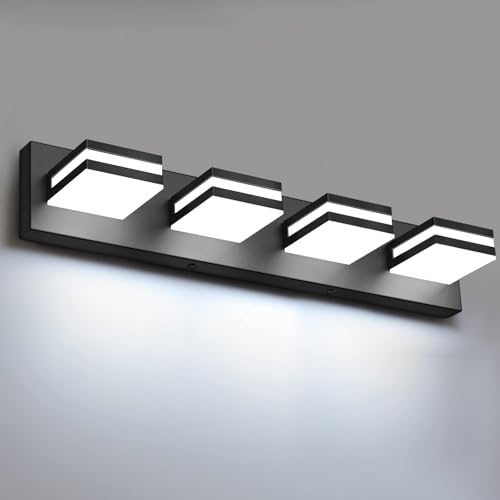
Best bathroom light fixtures depend on damp rating, brightness, color, and placement. Use this checklist to match one to your room.
Choosing the best bathroom light fixtures can feel harder than it should, because a bathroom needs bright light for grooming, soft light for relaxing, and safe fittings for a damp room. This guide walks through the choices in plain language, so you can match a fixture to your mirror, your ceiling height, and your budget. The comparison table below summarizes the main types side by side.
A good bathroom light does more than brighten a room. It should show true skin tones at the mirror, spread light evenly without harsh shadows, and stand up to steam and splashes over time. Use the checklist in this guide to compare options on equal terms, and read the maker instructions before you install or wire anything.
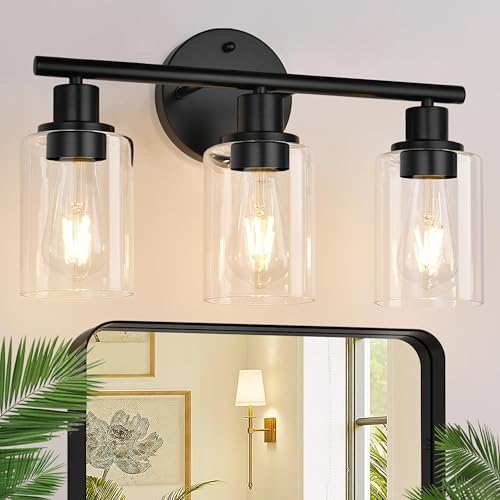


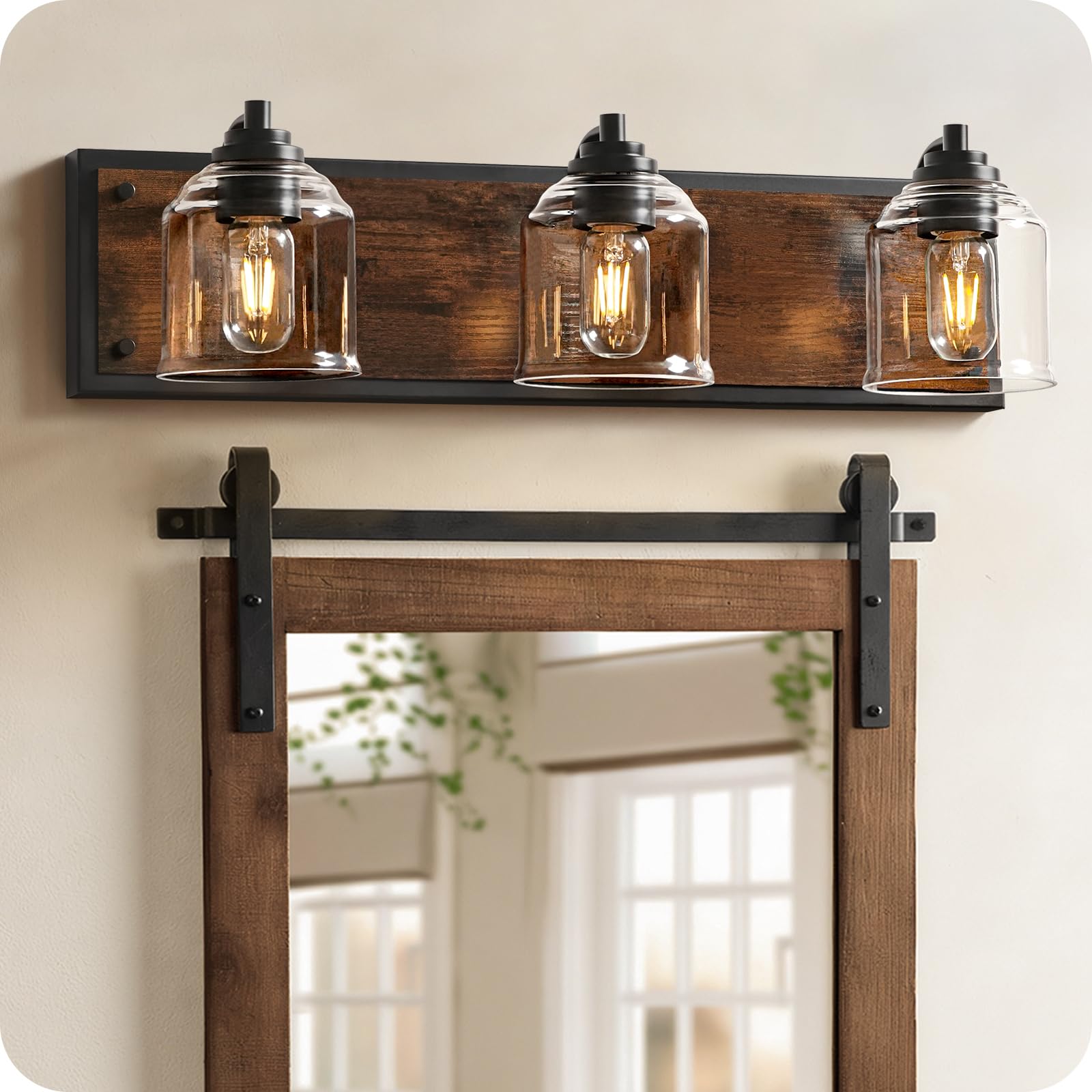
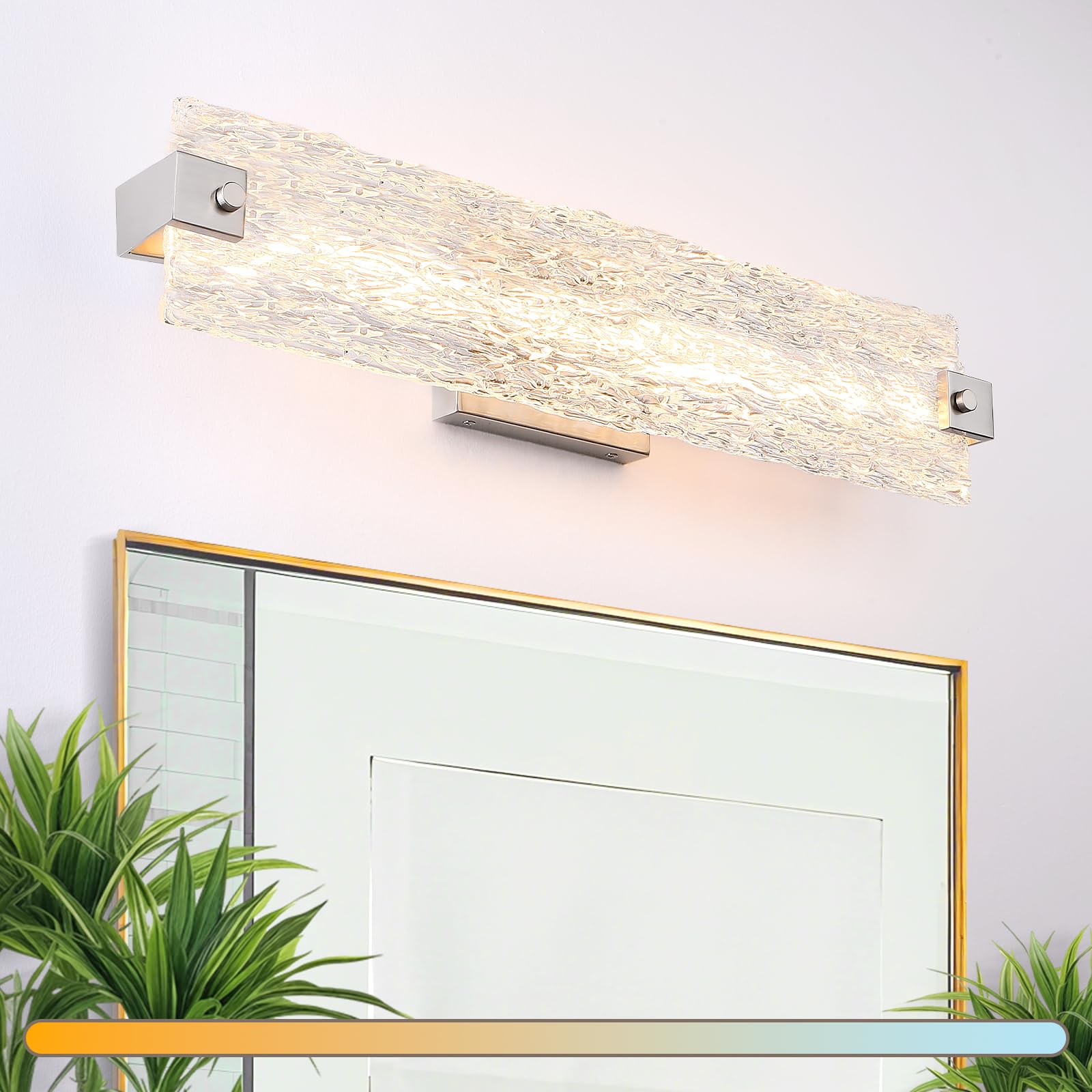

How to Choose the Best Bathroom Light Fixtures
Think of this section as a checklist, not a formal review. Each heading below names one factor worth checking before you buy, with a simple way to judge whether an option fits your bathroom. Work through them in order, and note any factor that matters most in your room.
Intended Use and Who It Is For
Start by naming the main job for the light. A mirror light serves grooming tasks such as shaving, makeup, and checking skin, so it needs even light from both sides of the face. A ceiling light serves general room lighting, while a shower rated light serves a wet zone.
Small bathrooms may need one fixture to do two jobs, while larger rooms often work better with a mirror light plus a ceiling light. If you share the bathroom, think about early morning routines and whether a dimmer would help one person get ready without waking the household.
Ease of Use and Setup
Check how the fixture mounts, what kind of bulbs it takes, and whether a dimmer or a motion sensor fits your routine. Surface mounted fixtures are often simpler to fit than recessed ones, but recessed lights can suit low ceilings and clean sight lines. Look for clear maker guidance on bulb type, wattage limits, and dimmer compatibility, and plan for bulb changes that do not need tools or a ladder in a tight space. If wiring changes are needed, follow maker electrical guidance and local codes, and hire a qualified electrician when the work goes beyond a simple bulb or shade change.
Maintenance and Long Term Costs
Long term costs come from bulbs, cleaning, and replacement parts, not just the price on the box. Sealed LED fixtures can last for years without a bulb change, while fixtures that take standard bulbs give you more choice when a bulb fails. Glass shades show water spots and dust, so check whether they lift off easily for cleaning. In a steamy bathroom, finishes that resist corrosion and tarnish tend to look better for longer, and that can save a second purchase sooner than you planned.
Safety and Certifications
Bathrooms are damp rooms, so safety ratings matter more here than in a bedroom or hallway. Look for a damp location rating for general bathroom use and a wet location rating for lights placed directly over a shower or tub. Check that the fixture carries a recognized safety certification and that the maker states where it can be used. Keep lights a safe distance from water sources unless the maker clearly rates them for that spot, and never fit a fixture in a shower zone that is only rated for dry rooms.
Warranty and Customer Support
A clear warranty tells you how long the maker stands behind the finish, the driver, and the electrical parts. Compare warranty length, what it covers, and whether replacement shades or parts are easy to order. Good support also matters when a fixture arrives damaged or a shade does not fit as expected. Keep the receipt and the maker model details in one place, so a claim later does not turn into a search through old emails.
Build Quality and Materials
Materials shape how a fixture looks after years of steam, cleaning products, and daily use. Metal housings often feel sturdier than thin plastic, while glass shades tend to spread light more softly than bare bulbs. Check joints, mounting plates, and screws for a solid fit, and read the maker care notes for cleaning products to avoid. A fixture that feels loose in the box will rarely feel better once it is on the wall.
Types Compared
The table below is a simple type comparison. Use it to narrow the field of best bathroom light fixtures before you compare prices, then return to the checklist above to judge the finalists.
| Type | Best For | Pros | Cons | Typical Price |
|---|---|---|---|---|
| Vanity bar lights | Mirror grooming | Even face lighting | Needs wall space beside or above the mirror | About $40 to $150 |
| Vanity sconces | Side lighting at a mirror | Reduces face shadows | Needs wiring on both sides | About $50 to $180 |
| Ceiling flush mounts | General room light | Simple fit, wide spread | Can cast shadows at the mirror alone | About $30 to $120 |
| Recessed lights | Low ceilings, clean look | Neat finish, focused pools of light | Harder to retrofit | About $25 to $90 each |
| Shower rated lights | Wet zones | Built for steam and splashes | Smaller choice of styles | About $40 to $130 |
See our guide to the best vanity light fixtures if mirror lighting is your main job, since that guide compares vanity styles in more depth. For a small bathroom, a bright ceiling fixture plus a modest vanity light often gives a better result than one large fixture alone.
What Different Spending Levels Buy You
At a budget level, around $30 to $70, expect a simple fixture with basic finishes and standard bulbs, suited to a rental refresh or a small guest bathroom. Check the damp rating and shade quality carefully here, since thin finishes show wear sooner.
In the mid range, about $70 to $160, you get a wider choice of finishes, better shade materials, and often dimmer compatibility or integrated LED light. This level suits a main bathroom used every day, and a slightly higher price can pay off in fewer repairs.
At a premium level, about $160 to $350, you pay for refined finishes, heavier construction, and design details such as slim profiles. Even here, check the same basics: damp rating, brightness, color quality, and ease of cleaning.
Brightness, Color, and Placement
Brightness is measured in lumens, and a small bathroom often needs about 1,500 to 2,500 lumens in total, while a larger room may need more. Rather than chasing one bright fixture, think about layers: a ceiling light for general brightness plus mirror lights for tasks.
Color temperature changes how the room feels and how skin looks. Warm white, around 2700K, can make grooming light look yellow, while neutral white, around 3500K to 4000K, often suits bathrooms best. A dimmable fixture gives brighter light for grooming and softer light for a relaxing bath.
Placement matters as much as brightness. Lights above a mirror alone can cast shadows under the eyes and chin, while lights on both sides of the mirror spread light more evenly. Keep side lights near eye level when you can, and avoid a single bright bulb directly behind the person at the mirror.
Quick Buyer Checklist
Run through these questions before you order:
- Is the fixture rated for a damp location, or for a wet location if it sits over a shower or tub?
- Does it give enough total lumens for the room size, with mirror light for grooming?
- Is the color temperature near 3500K to 4000K, or dimmable if you want warmer evening light?
- Does it fit the mirror width and the wall space, with room for wiring and mounting?
- Are bulbs easy to replace, or is the LED sealed with a long rated life?
- Is the finish suited to steam, and can the shade be cleaned without tools?
- Does the warranty cover the finish, the driver, and the electrical parts for a fair period?
- Do you need an electrician for wiring changes, or is the fit a simple swap?
Red Flags to Watch For
Watch for vague specs that do not state lumens, color temperature, or damp rating. A listing that only says bright or warm white, without numbers, leaves you guessing about the result. Missing safety certification is another warning sign, especially for a fixture meant for a bathroom.
Very short warranties, unclear maker details, and reviews that read like copied text should also give you pause. Check whether replacement shades or parts are sold separately, since a fixture with no spare parts becomes a full replacement after one break. Finally, be careful with fixtures that promise dramatic energy savings or lifetime light without a rated life figure to back it up.
A related room refresh often starts with towels and cleaning, and our guide to the best bathroom towels can help you match soft goods to the new lighting. If you plan to repaint or reseal around the fixture, read our guide to the best bathroom caulk before you start, so the seal around sinks and tubs stays neat.
How to Make Your Bathroom Light Fixture Last Longer
Read the manual before first use, and note any limits on bulb type, dimmer use, and cleaning products. Clean and inspect the fixture regularly, checking for loose screws, cracked shades, and signs of moisture inside the cover. Store spare shades and bulbs in a dry place, and switch off power before any cleaning near wiring. Small habits like these keep light output steady and help you spot wear before it becomes a fault.
Frequently Asked Questions
How do I maintain a bathroom light fixture?
Maintain a bathroom light fixture by switching off the power, wiping shades with a soft cloth and a maker approved cleaner, and checking screws and seals for looseness or moisture. Dust and water spots dim light over time, so a wipe every few weeks keeps output steady in a steamy room. Replace cracked shades promptly, since cracks let moisture reach electrical parts. If you see discoloration inside the cover or a persistent flicker, stop using the fixture and ask a qualified electrician to check it before you fit a new bulb.
Are expensive bathroom light fixtures worth it?
Expensive bathroom light fixtures can be worth it when the extra cost buys better finishes, sturdier construction, and a longer warranty, but price alone does not guarantee better light. Compare lumens, color temperature, damp rating, and shade quality at every price level, since a mid range fixture with the right specs often lights a mirror better than a costly fixture with poor placement. Spend more when the fixture is part of a remodel, when you want a matched finish, or when replacement parts matter. For a simple refresh, a well reviewed budget fixture can serve just as well.
What features matter most when buying bathroom light fixtures?
The features that matter most are damp or wet location rating, total lumens, color temperature, shade quality, and ease of bulb replacement. A damp rating keeps the fixture suited to steam, while enough lumens and a neutral color temperature help grooming light look natural. Shade material shapes how softly light spreads, and easy bulb access saves effort over the life of the fixture. Dimmer compatibility is a useful extra when you want bright morning light and softer evening light from the same fixture.
How much should I spend on a bathroom light fixture?
Most buyers spend about $40 to $160 for a single bathroom light fixture, with simple ceiling lights near the lower end and vanity bars or paired sconces near the upper end. A full room with a ceiling light plus mirror lights can cost about $120 to $350 in total, depending on finish and bulb type. Set your budget after you count how many fixtures the room needs, then compare damp rating and warranty within that range. A slightly higher spend often makes sense for a main bathroom used every day.
How long does a bathroom light fixture last?
A bathroom light fixture often lasts about 10 to 20 years for the housing and finish, while bulbs last far less depending on type and use. Standard bulbs may need replacement every year or two in a busy bathroom, while integrated LED fixtures often rate their light source for 25,000 hours or more. Steam, cleaning products, and loose fittings shorten life, so regular cleaning and prompt repair of cracked shades help. If the finish corrodes or the driver fails outside warranty, replacement usually makes more sense than repair.
The Bottom Line
Focus on three things: a damp or wet rating that fits the spot, enough even light at the mirror, and a finish that stands up to steam. Match the fixture type to the job, check brightness and color before you buy, and follow maker electrical guidance for any wiring work. When those basics are right, the style choice becomes much easier. Use the product table and the type comparison to weigh your options, then revisit the checklist for your final choice of best bathroom light fixtures.