Best Bathroom Exhaust Fans With Night Light (2026): Sizing and Controls Guide
Disclosure: We may earn a commission when you buy through links on this page, at no extra cost to you. As an Amazon Associate I earn from qualifying purchases. Learn more
Pick the best bathroom exhaust fan with night light by airflow, noise, warm dim glow and separate switching.
A bathroom fan has two jobs that often conflict at night. It should clear steam and odor quickly, yet the room should also stay dim enough for a short trip at 2 a.m. without waking you fully. Choosing the best bathroom exhaust fan with night light means matching airflow and noise to your room while checking that the dim light is warm, separate from the main light, and easy to control. The product table below groups the main types by airflow, sound, and controls so you can narrow your short list fast.
This guide skips named picks and focuses on the decisions that change daily use: sizing, controls, ceiling fit, and when the night light earns its added cost over a plain fan.


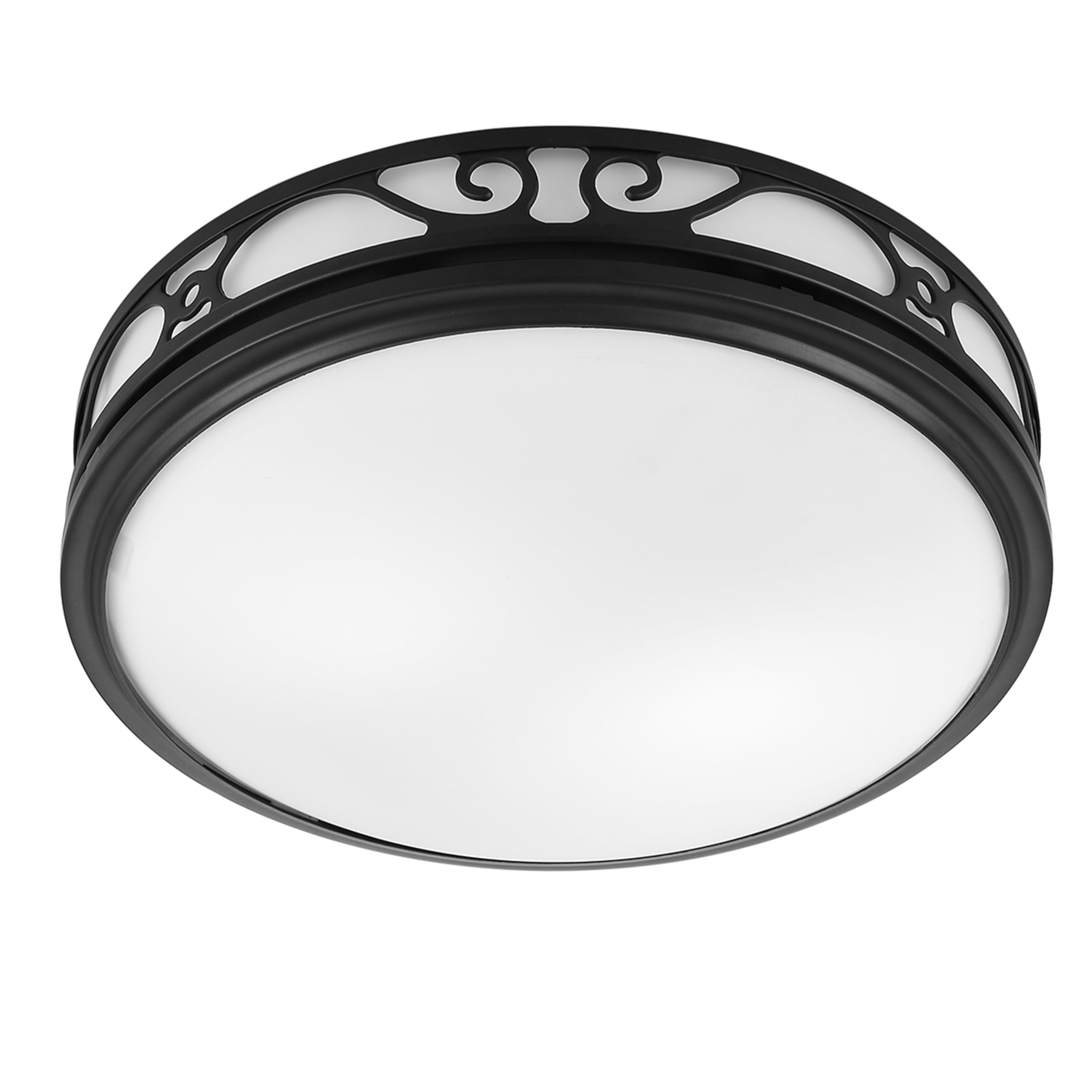


Types at a Glance
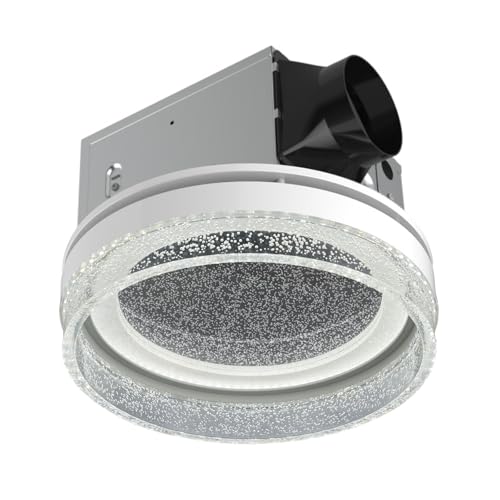
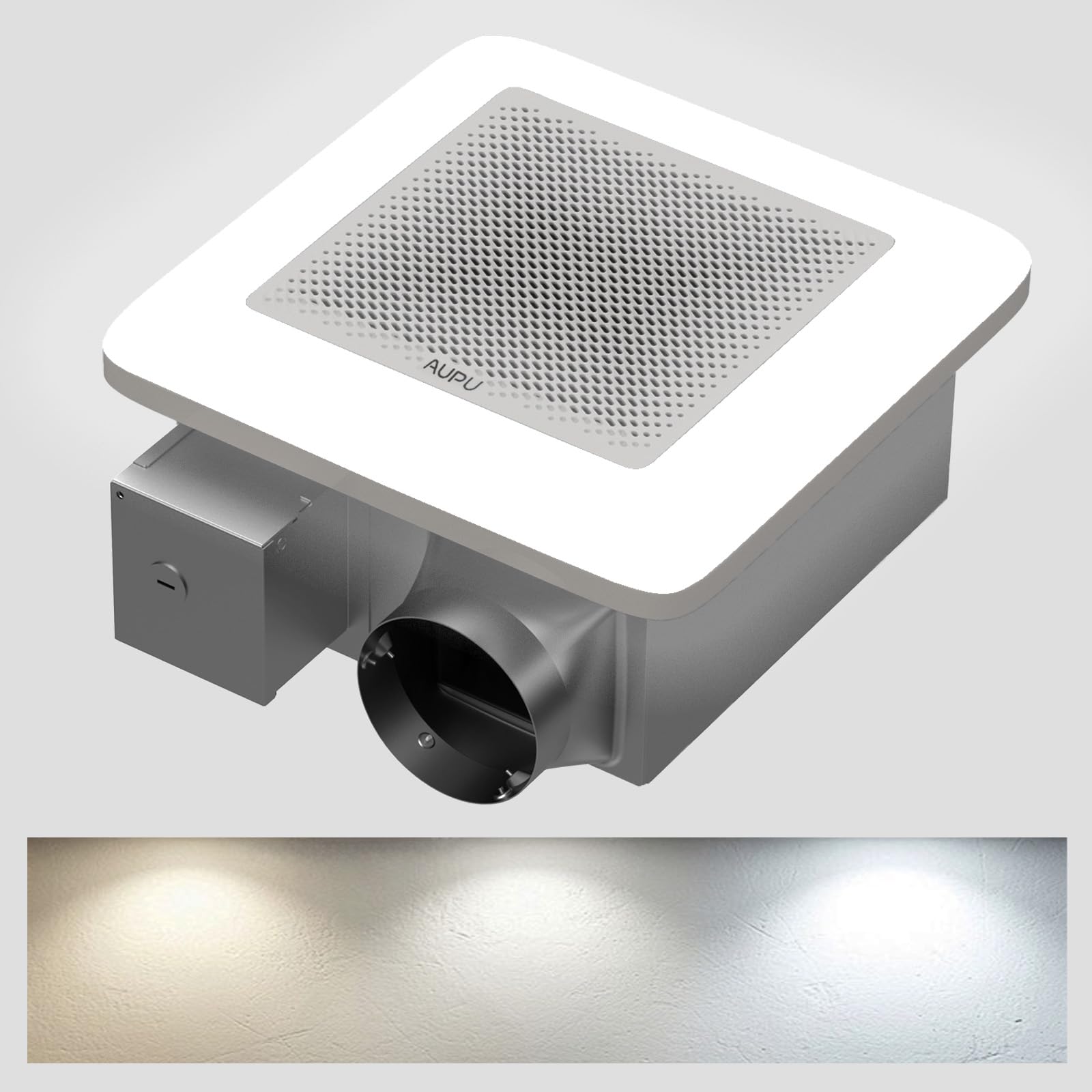
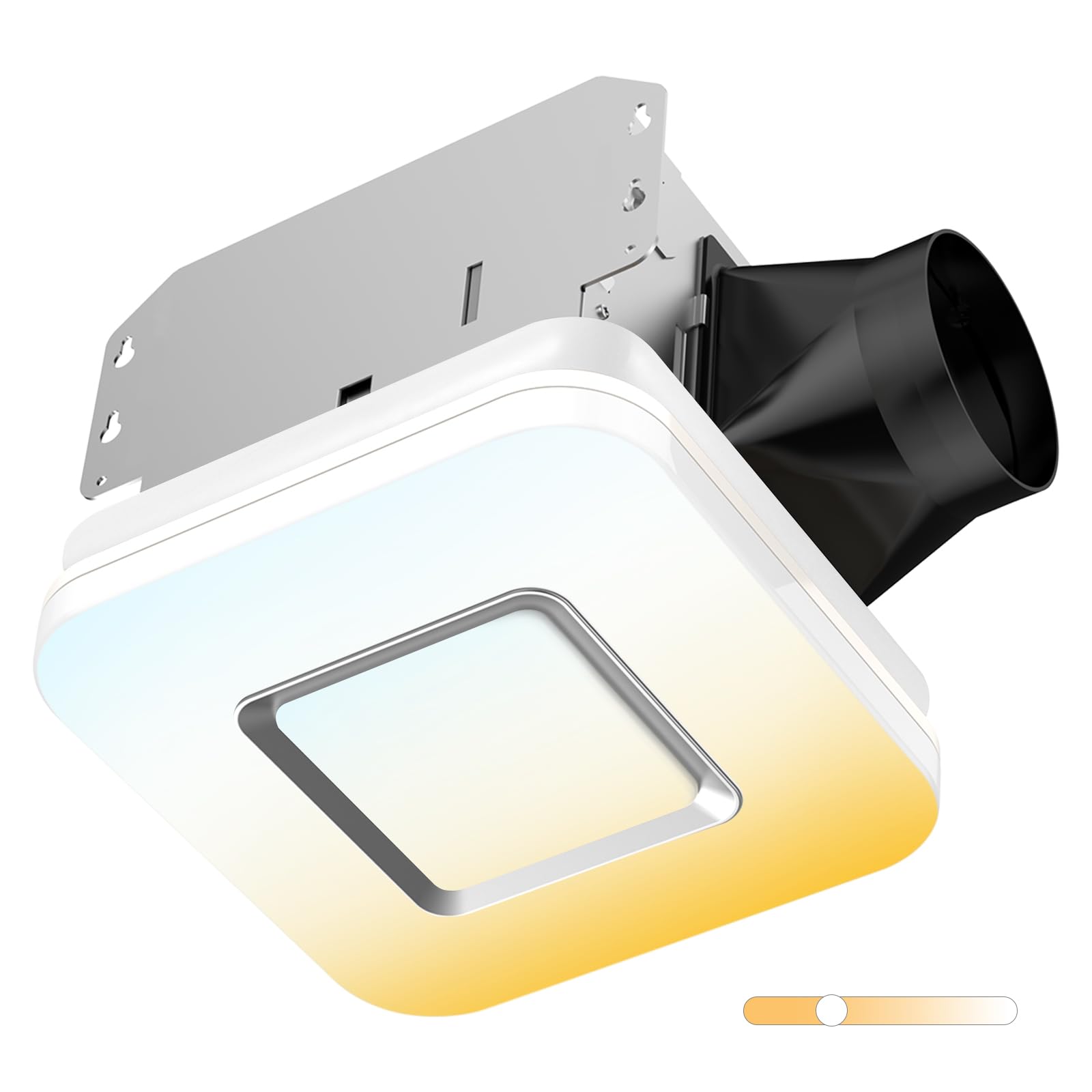
Most models fall into three groups. A basic ceiling fan pairs a single speed motor with a small dim bulb or LED panel and suits a small guest bath. A fan with a main light plus a separate night light suits a primary bath where one fixture must do everything. A quiet fan with a humidity sensor adds automatic moisture control for busy family rooms and shower heavy use.
Your starting point is still the broader category. If you are comparing plain fans and lighted fans side by side, see our guide to the best bathroom exhaust fan for the general sizing and noise basics before you weigh the night light itself.
How We Chose What to Compare
A model earned attention only when its stated airflow was certified, its night light could run apart from the main light, and its housing fit common ceiling cutouts and duct sizes.
How to Choose the Right Bathroom Exhaust Fan
Size and Form Factor
Airflow is rated in CFM, and a common guide is about 1 CFM for each square foot of floor with an 8 foot ceiling. A 50 CFM unit suits a toilet room or a small bath near 50 square feet, 80 CFM covers many standard baths, and 110 CFM fits larger primary baths or rooms with a jetted tub. Choose 150 CFM only for very large rooms, since an oversized fan on a short duct can sound louder and pull more conditioned air than you need.
Type
Ceiling mount is the standard choice when ductwork runs through an attic. A wall mount suits a bath on an outside wall with no ceiling access, while an inline fan places the motor in the attic and leaves only a grille in the room, which cuts sound at the grille. Humidity sensing and main light versions add convenience, but each added function needs its own wiring and switch control, so confirm your wall box and ceiling wiring can support the type you want.
Features Worth Paying For
The night light itself matters most in detail. Look for a warm glow rather than a bright white output, output low enough to guide you without glare, and a separate switch or a built in sensor so it can stay on while the fan and main light stay off. An integrated LED removes bulb changes but cannot be swapped when it fades, while a socket design lets you change the bulb. A humidity sensor and a timer that runs the fan after you leave both help clear moisture you cannot see.
If the main light is your priority and the night light is secondary, compare the options in our guide to the best bathroom exhaust fan with light, where brightness and color for tasks like shaving and makeup get more weight.
Measurements and Compatibility With Your Setup
Measure the existing ceiling cutout, the housing width between joists, and the duct diameter before you order. Many older fans use a 3 inch or 4 inch duct, while higher airflow models often need a 6 inch duct for their rated output and low noise. Check attic access, the direction the duct exits, and whether the grille will cover the old opening. A new unit that is slightly larger than the old cutout is usually workable, while one that is smaller can leave gaps and extra patching.
Certifications
Look for HVI certification, which means the airflow and sound ratings were tested to a shared standard rather than stated by the maker alone. A UL or ETL listing shows the electrical parts meet safety requirements for a damp bathroom location, and many models are rated for use over a tub or shower when connected to a GFCI circuit. Energy Star models use less electricity for the same airflow, which matters for a night light and fan that may run for hours each day.
DIY Versus Professional Installation Cost
A direct swap with the same housing size, duct, and wiring is a realistic project for a confident homeowner who can work safely with power off at the breaker. New ductwork, a new ceiling opening, or added switches for separate night light control usually call for an electrician or a remodel contractor. For a breakdown of labor and parts by job type, see our guide to bathroom exhaust fan installation cost before you request quotes.
How Much Should You Spend?
Basic night light fans cost about $50 to $100 and suit small rooms where noise is a minor concern. The middle range, about $100 to $200, usually brings quieter operation near 1 sone or below, a humidity sensor or timer, and a better finished grille. Above about $200 to $300 you pay for very quiet large room airflow, inline designs, or added functions. Spending more does not fix a wrong size, so fund correct sizing and ductwork first.
If warmth matters more than a dim light, compare the trade offs in our guide to the best bathroom exhaust fan with heater, and note that heater models often need a dedicated circuit.
Do You Really Need a Bathroom Exhaust Fan With Night Light?
Homes With Young Children
Children who visit the bathroom at night often turn on the full main light, which wakes them and anyone nearby. A dim warm light left on all night gives them a clear path to the toilet and sink while keeping the room calm. Choose a grille and light cover with no small removable parts, and place control of the bright light high enough that a child uses the dim setting by default.
Older Adults and Night Safety
For older adults, the value is fall prevention rather than convenience. A steady dim light removes the dark gap between the bedroom and the bathroom and avoids the glare that can briefly blur vision when a bright light switches on. Pair the light with a quiet fan, since a loud unit may discourage use after a shower. If dizziness or frequent falls are a concern, talk with a clinician about personal safety needs beyond lighting.
Primary Baths Shared by Partners
When two people keep different hours, a night light on its own switch lets one person use the room without lighting the whole bath or waking the other. A model with a sensor that turns the dim light on at dusk and off at dawn removes the nightly switch routine. Guest baths gain the same benefit, since visitors can find the room without searching for switches.
Sound shapes all of these uses. If a fan will run while someone sleeps in the next room, review our guide to the best quiet bathroom exhaust fan and favor ratings of 1 sone or below for nighttime comfort.
Common Mistakes to Avoid
- Buying by room name instead of size: a fan sold for a primary bath can still be too weak for your square footage and ceiling height.
- Wiring the night light to the main light switch: the dim light then cannot run alone, which removes the main reason to buy it.
- Keeping an undersized duct: a high airflow fan on a narrow duct delivers less air and more noise than its rating suggests.
- Choosing a cool white night light: bright blue leaning light feels harsh at night and can make it harder to fall back asleep.
- Venting into the attic: moist air dumped above the ceiling can damage insulation and wood, so the duct must end outdoors.
- Ignoring the sone rating: a fan that sounds harsh will be switched off early, leaving moisture in the room.
How to Make Your Bathroom Exhaust Fan Last Longer
Dust on the grille and fan wheel slowly cuts airflow, so vacuum the grille and wipe the cover on a regular schedule that matches how much lint and hair spray your household produces. Check that the outside vent flap opens freely and that birds or lint have not blocked it. Listen for new rattles or grinding, which can signal a loose grille or a wearing motor, and address them early. If you are planning a swap rather than a repair, our walkthrough of how to replace a bathroom exhaust fan explains the order of the main steps.
FAQ
What is the best bathroom exhaust fan with night light?
The best choice is the unit that matches your room size in CFM, rates at or below about 1 sone, and gives the night light its own control. No single type wins for every bath, since a small guest room needs far less airflow than a large shower room. Start from the product table, then confirm duct size and cutout fit before you decide on extra features such as a humidity sensor.
Is a bathroom exhaust fan with night light worth it?
It is worth it when someone uses the bathroom at night most nights, because the dim light replaces the main light for short trips and uses very little power, often only a few watts for an LED version. It adds little value in a bath used only during the day or one that already has a plug in night light on an open outlet with a clear path from the door.
How long does a bathroom exhaust fan last?
Many fans run for about 10 years before noise rises or airflow drops, though a quality motor in a well vented setup can last longer. The night light part may age on a different schedule, since an integrated LED can dim over time even while the fan still works well. If light output matters to you, a model with a replaceable bulb gives you a simple way to restore brightness without changing the whole unit.
Is a bathroom exhaust fan worth it?
Yes, in a bath with a shower or tub a fan protects paint, grout, mirrors, and wood trim by moving moist air outdoors instead of letting it settle on cool surfaces. Building codes in many areas require ventilation in bathrooms, either a fan or an openable window, so check local rules when you remodel. A window alone rarely clears a steamy shower as fast or as reliably in cold or humid weather.
How do you clean a bathroom exhaust fan?
Turn power off at the breaker, not only at the wall switch, before you remove the grille. Wash the plastic grille in warm soapy water and let it dry fully, and use a vacuum brush on the housing and wheel without spraying water inside the motor area. Cleaning at a time when the room is dry, rather than right after a shower, keeps loosened dust from clumping on damp surfaces.
What is the most reliable bathroom exhaust fan brand?
No single brand is most reliable for every home, and reliability claims without repair data are hard to verify. Better signals are HVI certified ratings, a UL or ETL listing, a warranty that covers the motor for several years, and readily available replacement grilles and parts. A correctly sized and correctly vented unit from any established maker will usually outlast a premium unit installed on a blocked or undersized duct.
Final Thoughts
Start with room size, duct fit, and noise, then judge the night light on warmth, brightness, and separate control. That order keeps the fan doing its main job while the dim light quietly improves every night trip. Review the product table above once more, and choose the best bathroom exhaust fan with night light whose ratings match your measurements rather than the model with the longest feature list.