Best Bathroom Exhaust Fans With Bluetooth Speaker (2026): Buying Guide
Disclosure: We may earn a commission when you buy through links on this page, at no extra cost to you. As an Amazon Associate I earn from qualifying purchases. Learn more
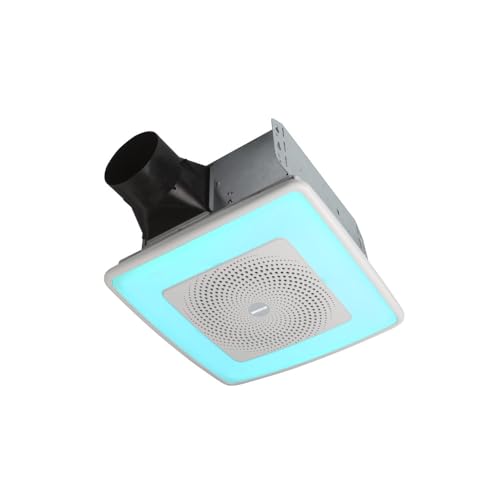
Compare the best bathroom exhaust fan with bluetooth speaker by airflow, noise, pairing, wiring and price before you order.
A bathroom fan has one main job, pulling moist air out before it fogs mirrors and feeds mildew on grout. Adding a speaker turns that plain utility into something you actually enjoy using every morning. Choosing the best bathroom exhaust fan with bluetooth speaker means balancing airflow, noise, and sound quality in one ceiling unit, and the product table below lines up the main types side by side so you can see how they differ.
This guide walks through the fan sizes, speaker details, wiring needs, and safety listings that matter, so you can match a model to your bathroom instead of guessing from a box cover.


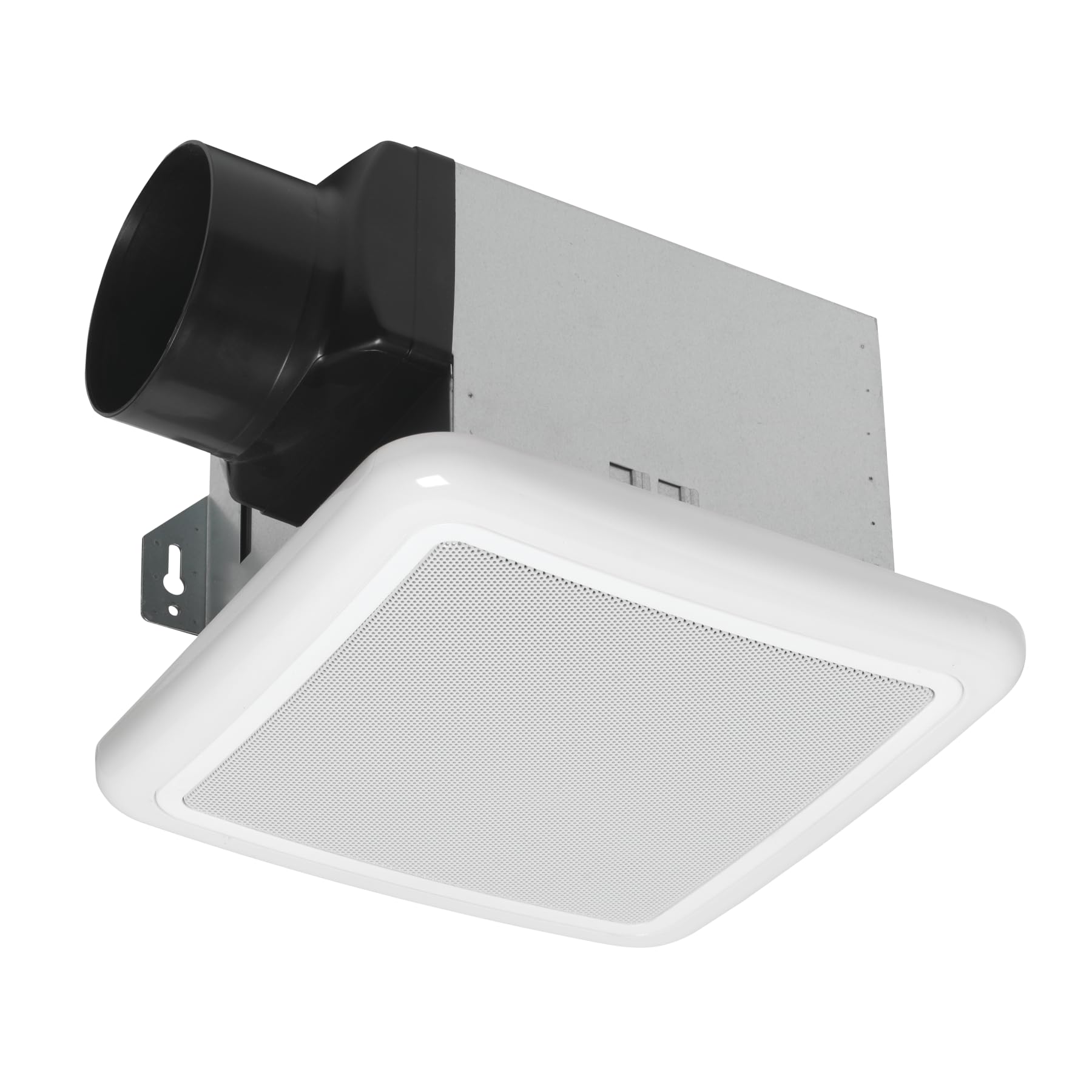
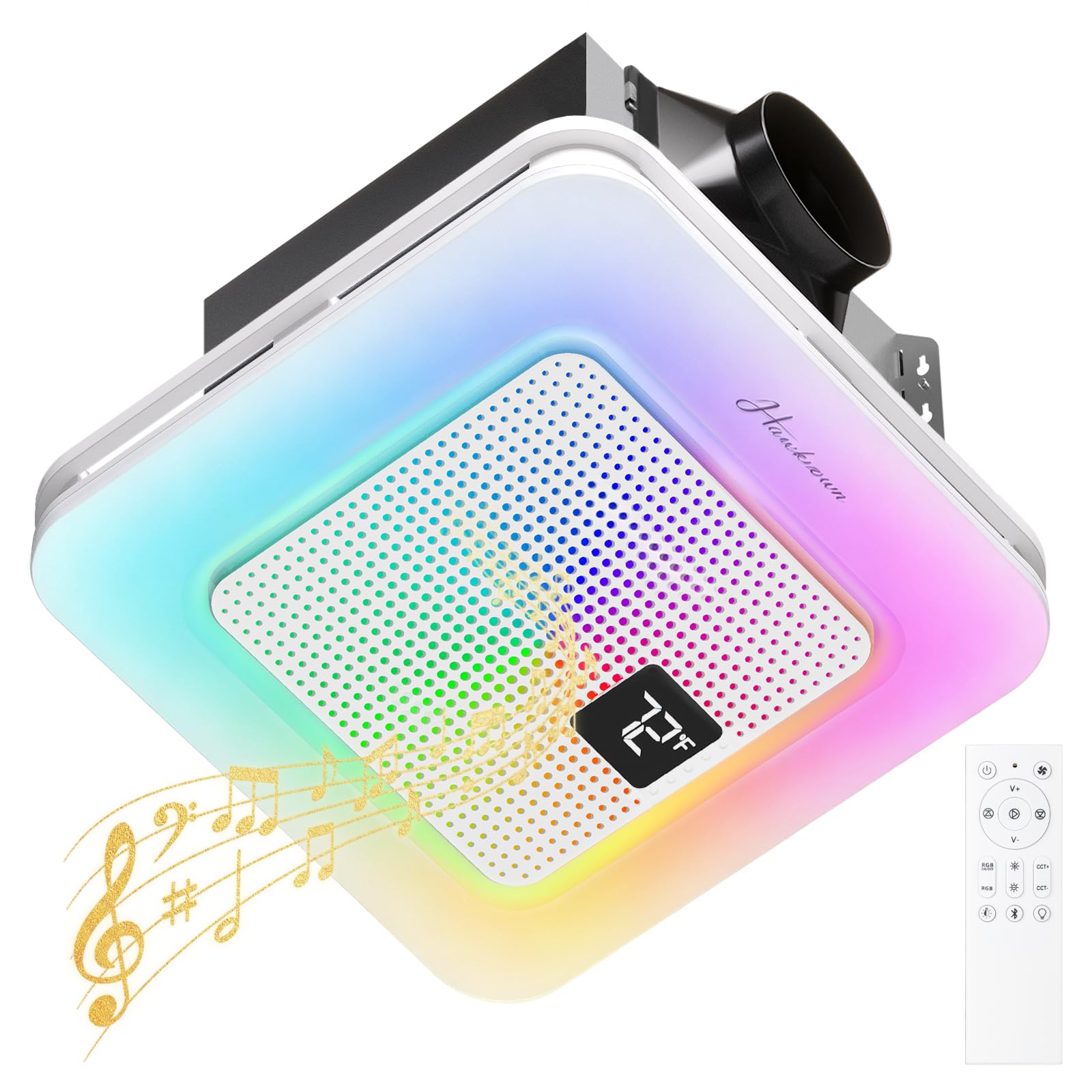
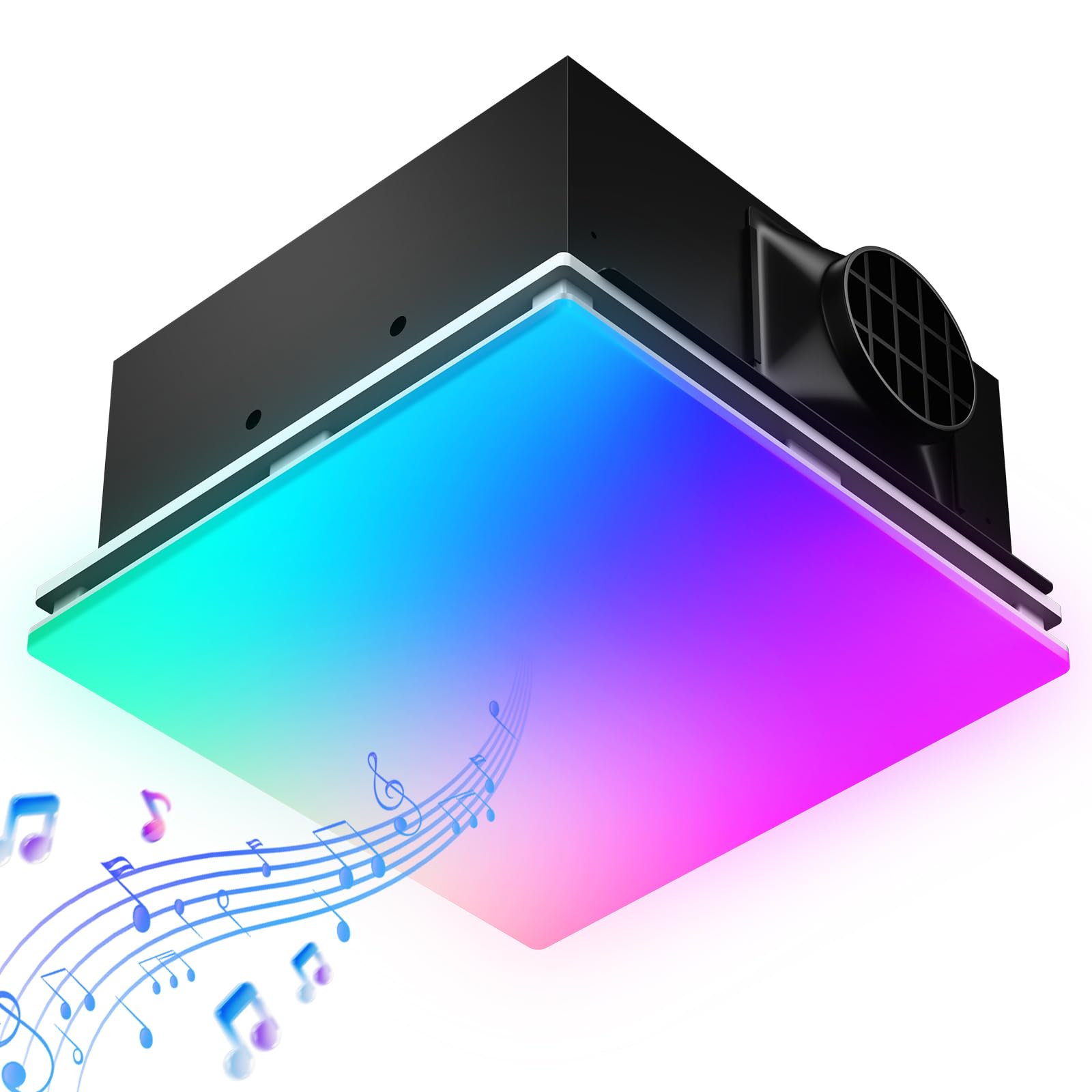
Types of Speaker Fans Compared
Speaker fans fall into three broad types. None of them needs a countertop device or a cord near the tub, but they differ in wiring, controls, and price.
Speaker Only Fans
This is the simplest layout, a fan and a speaker behind one grille, with no light and no sensor. It suits a bathroom that already has good lighting and a window or a second light source. Wiring is usually the easiest of the three types because many models run the fan and speaker from one switch, with volume handled on your phone. Sound tends to be modest, fine for podcasts and news, less full for music at shower distance. If your current fan opening is small and you want the least work overhead, start here.
Fans That Pair a Speaker With a Light
Adding a light gives you one fixture doing three jobs, which helps in small bathrooms where ceiling space is tight. Most models let you run the light and fan on separate switches, and some include a dim night light setting for late trips. Check the light color and brightness, because a harsh blue white light can feel cold in a warm toned room. If lighting is your main second need, our guide to the best bathroom exhaust fan with light compares light output and color options in more depth.
Fans With Humidity Sensing and a Speaker
A humidity sensor turns the fan on when shower steam builds and shuts it off after the air clears, so the fan runs even when you forget the switch. Paired with a speaker, this type is the most automated option and usually the priciest. It earns its keep in bathrooms with no window and in homes where kids leave the fan off. Confirm the sensor can be adjusted or overridden from the switch, since a sensor set too low can start the fan during a long bath you meant to keep steamy.
How to Choose the Right Bathroom Exhaust Fan
Size and Airflow
Fan power is rated in CFM, short for cubic feet per minute. A small half bath often does fine at about 50 CFM, a standard full bath usually needs about 80 CFM, and a large bath with a separate shower and tub area may need 110 CFM or more. A common rule is roughly one CFM per square foot of floor, with extra capacity for a jetted tub. Picking the next size up is safer than undersizing, because a weak fan leaves moisture on walls long after you finish showering.
Noise Level in Sones
Fan noise is rated in sones, and lower is quieter. A rating of 1.0 sone or less sounds like a soft hum you can talk over, while a rating near 3 or 4 sones is plainly loud. This matters more with a speaker fan, because fan roar competes with your music and pushes you to raise the volume. If quiet running is your top concern, our guide to the best quiet bathroom exhaust fan explains sones ratings and motor types in detail. For a speaker model, aim for the lowest sones rating your budget allows.
Bluetooth Range, Pairing, and Sound
The speaker connects to your phone over Bluetooth, and the signal must pass through the ceiling and grille, so real range inside a home is often shorter than the open air figure on the box. Check how pairing works before you buy. Some models pair to one phone at a time and need a manual reset when a second person wants control, which can annoy a shared household. Speaker wattage and driver size set the volume ceiling, but placement matters too, since a speaker firing down from the ceiling spreads sound evenly across the room.
Features Worth Paying For
Beyond the speaker, the extras worth their cost are a humidity sensor, a light with a night setting, and a timer that keeps the fan running after you leave. A remote control helps when the switch layout in your bathroom is awkward. Skip features you will not touch, such as color changing light shows, which add cost and one more app to manage. Spend first on airflow and low noise, because those two decide whether the fan does its main job well. Extras should come after the basics are covered, not instead of them.
Measurements and Compatibility With Your Setup
Before ordering, measure your current fan housing and note the duct diameter, commonly 4 or 6 inches. A new unit that matches the old housing size can often swap in from below with little ceiling cutting, while a larger housing means drywall work. Confirm the joist spacing above the ceiling and the direction the duct runs. If you are swapping an old unit, our walkthrough on how to replace a bathroom exhaust fan covers the removal and fitting steps. Also check whether your switch box has room for the extra switch leg a separate speaker or light circuit may need.
Certifications and Electrical Safety
Look for a UL or ETL listing, which confirms the unit passed electrical safety testing for use in a damp location. A fan installed directly over a tub or shower generally must sit on a GFCI protected circuit, so check your panel and local code before you start. HVI certification means the airflow and noise figures were verified by an independent body rather than only claimed by the maker. ENERGY STAR models use less power, which adds up on a fan that runs daily. Keep the rating plate details from your old fan, since an inspector may ask about the replacement.
Installation Cost and How Much to Spend
A confident DIY installer with an existing duct run can fit a speaker fan in a few hours using basic tools. New duct work, a roof vent, or fresh wiring points to a licensed electrician, and our breakdown of bathroom exhaust fan installation cost shows what pros usually charge. On price, plain speaker fans run about $100 to $200, while models adding a light and humidity sensing run about $200 to $350. Professional fitting often adds about $150 to $400 depending on the venting work involved.
Do You Really Need a Fan With a Built In Speaker?
You benefit most if music, radio, or podcasts are already part of your shower or morning routine and you dislike bringing a loose speaker into a wet room. A ceiling speaker stays dry, never needs its own charging cable by the sink, and cannot fall into the tub. Shared bathrooms gain too, because anyone can connect a phone without moving a device between rooms.
If you rarely listen to anything in the bathroom, a plain fan does the same moisture work for less money, and our guide to the best bathroom exhaust fan covers strong basic models. Warmth seekers may also find the money better spent on heat, and our guide to the best bathroom exhaust fan with heater compares that route. The speaker earns its cost only when you know you will use it most days.
Common Mistakes to Avoid
- Buying by speaker wattage alone and ending up with a fan too weak to clear steam from your size of bathroom.
- Ignoring the sones rating, then finding the fan noise drowns out the music you bought it to play.
- Skipping the duct size check, so the new fan cannot connect to the existing vent without extra parts.
- Wiring the fan and speaker to one switch when the model needs separate switches for full control.
- Venting into the attic instead of outdoors, which moves moisture into the roof space and can damage insulation.
- Mounting the fan far from the shower, where it pulls less of the steam at its source.
Care and Maintenance
Dust on the grille muffles both airflow and sound, so vacuum the grille cover every few months and wipe it with a damp cloth. Once or twice a year, switch off power at the breaker, drop the grille, and vacuum the housing and blower wheel to clear the lint that builds up inside. Spin the wheel by hand to confirm it turns freely and quietly. Check that the damper flap in the duct opens when the fan runs and closes at rest, since a stuck flap wastes energy and lets cold air drift in. If the speaker starts to crackle, clean the grille first, because dust buildup is the usual cause.
FAQ
What is the best bathroom exhaust fan with bluetooth speaker?
The right pick depends on your room size, duct size, and how you listen. A quiet model at about 80 to 110 CFM with a sones rating near 1.0 suits most full baths, while small baths can use less airflow. One detail many buyers miss is switch control, so confirm whether the fan, light, and speaker can run apart from each other before you order, because that wiring choice shapes daily use more than any spec on the box.
Is a bathroom exhaust fan with bluetooth speaker worth it?
It is worth it when listening is part of your daily routine, because a tool you enjoy gets used, and a fan that gets used clears more moisture over its life. The premium over a plain fan is modest next to the cost of repairing mildew damage in grout and paint. It is harder to justify in a guest bath that sees little use, where a basic quiet fan covers the real need for far less money.
How long does a bathroom exhaust fan with bluetooth speaker last?
The fan motor and the speaker age at different rates. Motors in vent fans commonly run for many years, while phone standards change, so Bluetooth versions and pairing methods may move on sooner than the fan itself. To protect your purchase, favor models whose grille and speaker module can be replaced on their own. That way a failed speaker does not force you to replace the whole ceiling unit and redo the wiring.
Can you use the speaker while the fan is off?
On many models, yes, but it depends on the wiring. Units wired with separate switch legs let you play music with the fan off or run the fan in silence. Units wired to a single switch power both together every time. If quiet listening matters to you, read the wiring diagram in the product listing before buying, and tell your electrician your preference before the install starts rather than after the ceiling is closed.
How do you clean a bathroom exhaust fan with bluetooth speaker?
Turn off power at the breaker first, then remove the grille and wash it in warm soapy water. Never spray cleaner directly onto the speaker mesh or the motor, because liquid can reach parts that should stay dry. Use a soft dry brush on the speaker area instead, and let the grille dry fully before refitting it. Cleaning after painting the bathroom is also wise, since paint dust settles on the grille and dulls the sound.
Final Thoughts
Start with airflow matched to your room, keep the sones rating low, and then judge the speaker on pairing ease and placement. Measure your housing and duct before ordering, and decide your switch layout early, because those two choices decide how smooth the install feels. Chosen with care, the best bathroom exhaust fan with bluetooth speaker clears steam quietly while your music plays overhead. Compare the types in the product table above once more, and pick the one that fits your wiring and your routine.