Best Bath Towels for Drying Off in 2026: A Buying Guide for Thorough, Comfortable Drying
Disclosure: We may earn a commission when you buy through links on this page, at no extra cost to you. As an Amazon Associate I earn from qualifying purchases. Learn more
Compare bath towels for drying off by GSM, cotton fiber, weave, size and care, with a clear checklist to help you choose absorbent towels for daily use.
A towel can feel soft in the store and still leave your skin damp and stay heavy on the rack for hours. The best bath towels for drying off pull water from skin and hair quickly, cover your body without gaps, and then release that moisture to the air. This guide shows how fiber, weight, weave, and size create that result, so you can read the comparison table below with a clear checklist.
Start with how you dry off. Some people pat once and dress fast, others stay in the towel while they get ready. Your routine, laundry pace, and bathroom air flow change which towel serves you best.

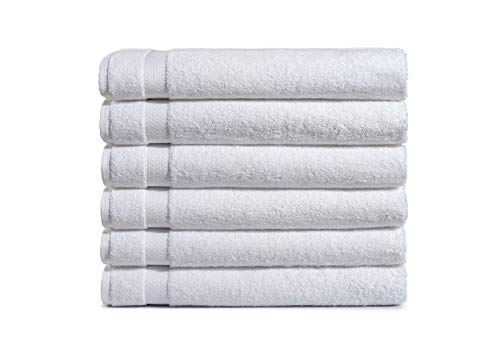
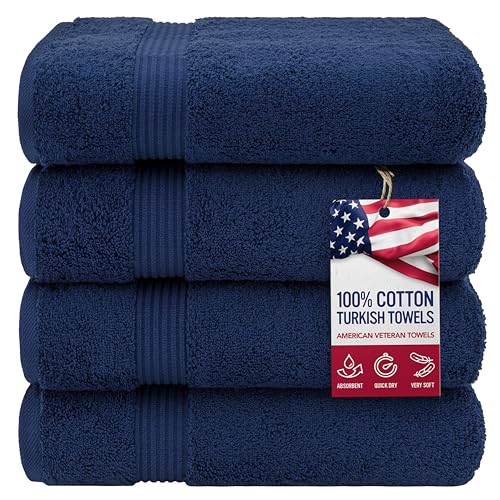
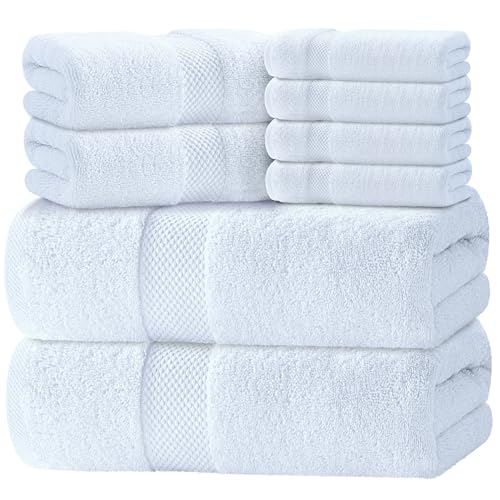


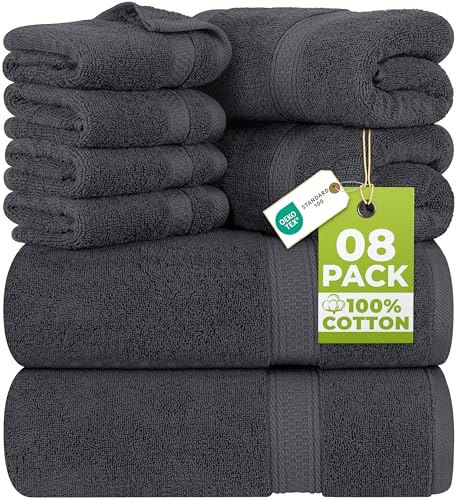
Who Should Buy Which Bath Towels for Drying Off?
Match the towel to the person and the bathroom, not to the thickest option on the shelf. Each group below points to a different balance of absorbency, weight, and drying speed.
Busy Households That Wash Towels Often
You need sets that survive frequent washing and still dry a whole family after morning showers. Choose a mid weight cotton towel in the 400 to 600 GSM range, sold in sets. Stock at least two towels per person so a clean one is ready while the other is in the wash.
People Who Stay Wrapped While Getting Ready
You dry off, then keep the towel on while you brush teeth or style hair. Choose a bath sheet, about 35 by 70 inches, so the towel wraps fully and stays closed at the chest or waist. Check the weight, since a large heavy towel can slip as you move.
Renters and Small Bathrooms With Little Air Flow
You hang towels on one bar or a single hook, and the room stays humid long after a shower. Choose a thinner towel with a shorter pile that gives up moisture fast once it hangs. Light colors help you spot mildew early on folds and edges, and a spread towel on a bar dries far faster than one bunched on a hook.
Key Features to Compare
Use these five factors in order when you compare the best bath towels for drying off, since each one changes how much water a towel takes up and how fast it lets that water go.
Cotton Fiber and What It Does for Absorbency
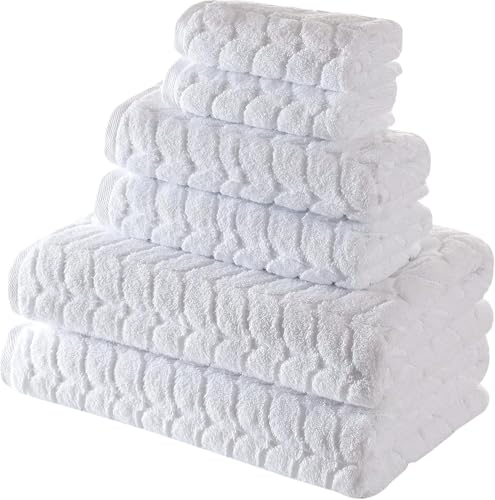
Fiber decides how much water a towel can hold. Long staple cotton, including Turkish cotton and Egyptian cotton, makes smoother yarns that keep their loops upright after many washes. Short staple cotton costs less but can feel rough sooner and shed more lint. Blends dry faster on the rack yet usually absorb less per pass. If absorbency matters most, see our guide to the best drying bath towels.
GSM and the Weight You Will Feel
GSM means grams per square meter, and it tells you how dense the fabric is. Towels around 300 to 400 GSM feel light and dry fast but may saturate before you finish. The 400 to 600 GSM range suits most daily use, giving strong absorbency without a long wait on the rack. Towels above 600 GSM feel plush yet take longer to dry. Pick the lowest GSM that still leaves your skin dry in one pass.
Weave, Loops, and How Fast a Towel Dries
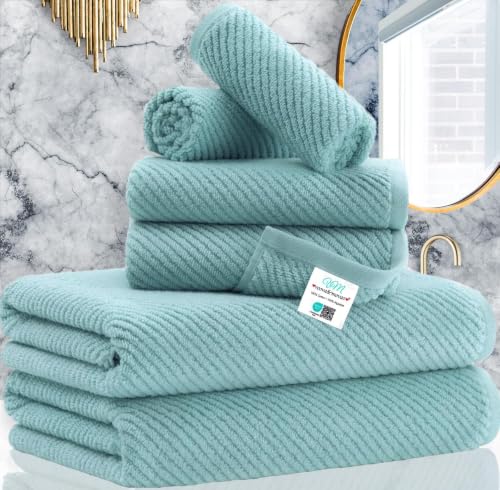
Most bath towels use terry loops, and those loops do the real work of drying off. Dense, upright loops present more cotton to your skin and pull in more water than flat pile. Zero twist yarns feel very soft, while low twist yarns hold their shape better. A lighter ground weave helps the towel release moisture between uses. If a fast turnaround matters, see our guide to the best fast drying bath towels.
Size and Coverage for Your Body and Your Rack
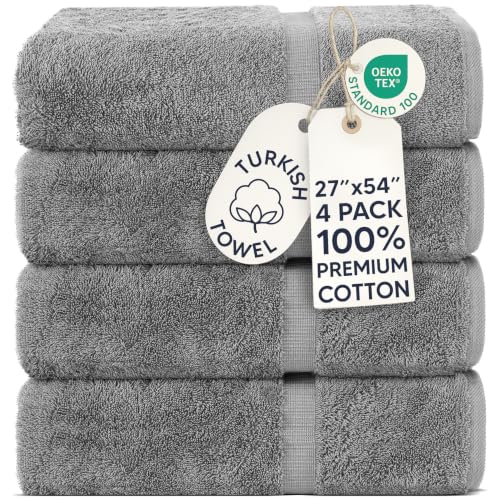
A standard bath towel is about 27 by 54 inches, which covers most adults and folds neatly on a standard bar. Bath sheets run about 35 by 70 inches and wrap the body fully, but they need a longer bar to hang without folding. Measure your bar before you size up, since a folded sheet dries slowly at the crease.
Edges, Stitching, and Certification Labels
Edges fail before the center of a towel does, so inspect hems first. Double stitched hems resist fraying in the washer and dryer. An OEKO TEX label means the finished fabric was tested for substances the standard limits, which matters for towels that touch wet skin daily. Strong construction also keeps corners square, so the towel hangs flat. For construction details, see our guide to the best quality bath towels.
Types of Bath Towels Compared for Drying Off
Price bands differ mainly in fiber quality, pile density, and finish. Use this comparison to set your budget before you look at colors.
Everyday Towels for Family Sets on a Budget
Everyday towels usually cost about $10 to $20 each in sets and use standard cotton at a moderate GSM. They absorb well for daily showers, wash without special care, and are cheap to replace. Expect a thinner feel and faster wear at the edges. These suit family and guest bathrooms.
Plush Luxury Towels for a Thick, Warm Feel
Luxury towels use long staple cotton, higher GSM, and careful finishing, and they often cost about $25 to $50 each. The dense pile takes up water evenly, and the towel feels warm on your skin. The trade off is weight and a long dryer cycle. If that spa style feel is your goal, see our guide to the best luxury bath towels.
Compact Towels for Small Spaces and Gym Bags
Compact towels use a lower GSM or a waffle style weave so they fold small and dry fast on a hook. They suit dorm rooms, travel, and gym bags where storage is limited. A waffle weave feels less plush and may need an extra pass on wet hair, but it rarely stays damp overnight.
Towels Made With Organic or Recycled Fibers
These towels use organic cotton or blends with recycled fibers, and they often carry a certification label you can verify on the tag. Absorbency sits close to standard cotton when GSM and loop density match, so compare those numbers rather than the label alone. Expect a modest premium over everyday sets.
Common Mistakes to Avoid
Most towel regret comes from a few simple choices at the shelf or on wash day.
- Buying the highest GSM you can find leaves you with towels that stay damp on the rack and grow musty between washes.
- Choosing a bath sheet without measuring your towel bar forces a folded hang that dries slowly at the crease.
- Judging softness only by touch in the store misleads you, since a surface finish can wash out in the first few cycles.
- Buying one towel per person guarantees a damp backup on laundry day and rushed, poor drying after every shower.
- Picking dark colors for every bathroom hides early mildew spots and lint that light colors would show you sooner.
Care and Maintenance for Bath Towels
Wash new towels before the first use to remove loose lint and surface finish, and wash them apart from clothes with zippers that can pull loops. Use warm water and a moderate amount of detergent, since excess detergent coats fibers and lowers absorbency. Skip fabric softener and dryer sheets, because both leave a film that makes water bead instead of soaking in.
Dry towels fully after every use and after every wash. Hang each towel spread flat over a bar so air reaches both sides, and run the bathroom fan when the room stays steamy. Tumble dry on medium heat and remove towels while they feel just dry, since extra heat makes cotton brittle. Never shelve a towel that still feels damp.
Frequently Asked Questions
What features matter most in bath towels for drying off after a shower?
Loop density, cotton fiber, and GSM matter most, in that order. One point many buyers miss is loop height: longer loops hold more water, but they snag more easily on rings and rough nails. Check photos for tight, even loops, since thin patches in the center are where a towel stops drying well first.
What GSM range works best for bath towels used for drying off?
For most homes, 400 to 600 GSM gives the best balance of absorbency and rack drying time. Your climate shifts that choice: in a humid region, stay near 400 to 500 GSM so towels dry between morning and evening use. If two people share one bathroom, lean lighter so the second user never meets a damp towel.
Are luxury bath towels worth the higher price for drying off?
Luxury bath towels are worth it if you value a thick feel and long staple fibers that stay smooth after many washes. They do not always dry skin faster than a good mid weight towel, since speed depends more on loops than on price. Buy one or two first, live with them for a month, and only then decide on a full set.
How can you keep bath towels fresh for longer between washes?
You keep bath towels fresh by drying them fully after each use and washing them every three to four uses. Rotate two towels per person across the week, so each towel gets a full rest day to air out. If a musty smell survives a normal wash, wash once with hot water and no detergent, then again with detergent, and dry the towels right away.
How often should you replace bath towels used every day?
Replace daily use bath towels about every two to three years, or sooner if the signs below appear first. Watch for loops that lie flat after washing, edges that curl or fray, and a towel that leaves your skin damp. Guest towels age far more slowly, so judge replacement by condition rather than by the calendar.
Wrapping Up
Choose by loops, fiber, and GSM first, then set size by your body and your towel bar. A mid weight long staple cotton towel suits most homes, while lighter towels serve humid rooms and heavier towels reward bathrooms with good air flow. Compare your short list against the product table above before you order.
When the best bath towels for drying off match your routine this closely, drying off takes seconds and the towel feels dry again by evening.