Best Basketballs for Concrete 2026: Matching the Right Ball to Your Routine
Disclosure: We may earn a commission when you buy through links on this page, at no extra cost to you. As an Amazon Associate I earn from qualifying purchases. Learn more

Find basketballs for concrete that keep their grip on rough outdoor courts. Compare covers, sizes, and prices to match a ball to the way you play each week.
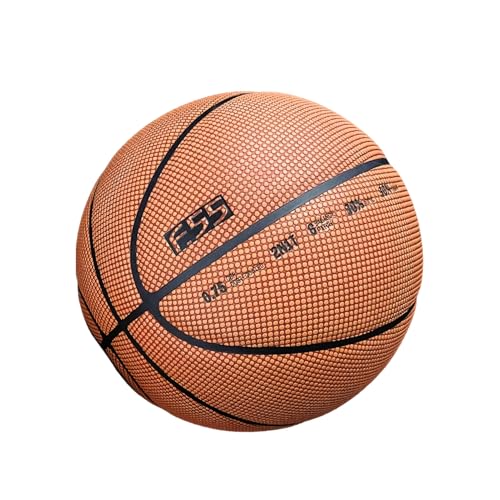
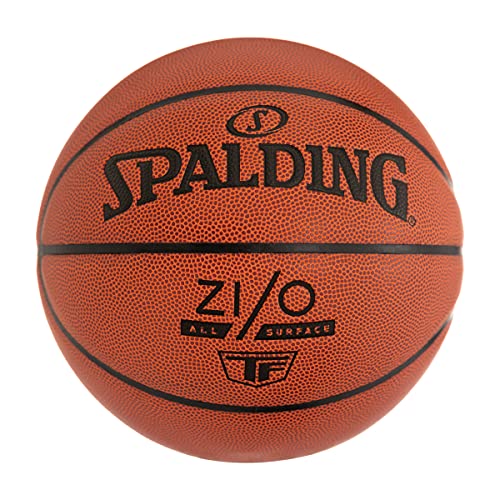
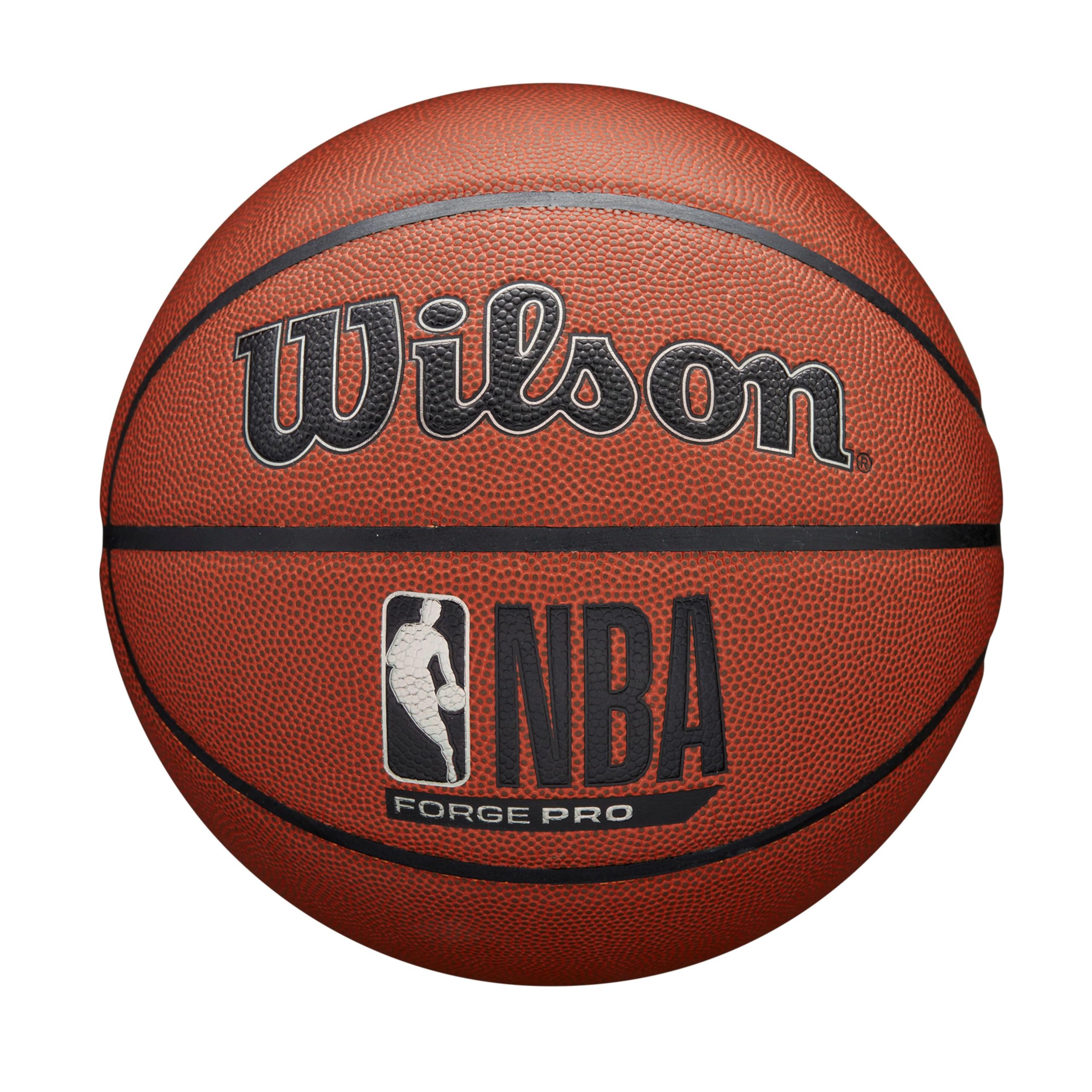
There is no single ball that suits every outdoor player, because a Saturday shooter and a daily driveway regular wear a ball out in completely different ways. When you shop for best basketballs for concrete, the surface is the deciding factor: rough pavement grinds covers, eats grip, and punishes seams. This guide matches ball types to real routines so you buy for the games you actually play. The comparison table below collects the main options in one place for a fast first scan.
Think about your week before you think about brands or colors. How many sessions you play, how rough your court is, and whether the ball lives in a garage or a car trunk will point you to the right cover, the right size, and the right price band.




Who Should Buy Which Basketball?
For Small Spaces and Easy Storage
A short driveway or a tight shared court rewards a ball that is easy to carry and simple to store. Keep a pump and a small bag with the ball, and store it indoors away from heat so the cover stays supple. If space is truly tight, a slightly smaller size still shoots fine for casual games and is easier for younger players to handle and put away.
For Frequent or Serious Users
Daily players on pavement should budget for a thick rubber cover and keep a backup ball in rotation, because even the toughest cover wears smooth under constant friction. The same surface wears soles down fast, which is why many regulars also shop for best basketball shoes for concrete with durable outsoles. Replacing two moderately priced balls across a season often beats stretching one premium ball past its grip life.
For Bad Weather and Tough Conditions
Rain, grit, and cold all shorten ball life outdoors. A rubber ball tolerates damp courts better than any leather or composite option, and a quick wipe after a wet session keeps grit from grinding into the channels. Store the ball dry, since a cover left wet in a cold garage can stiffen and crack over a single winter.
For Weekend Beginners
If you play a few times a month, a low priced rubber ball in the correct size is all you need. Spend your attention on sizing and inflation rather than on premium materials you will not feel at this pace. As your routine grows, your second ball can step up in cover quality, and the first one becomes a fine spare for guests.
Key Features to Compare
Features That Matter for Concrete
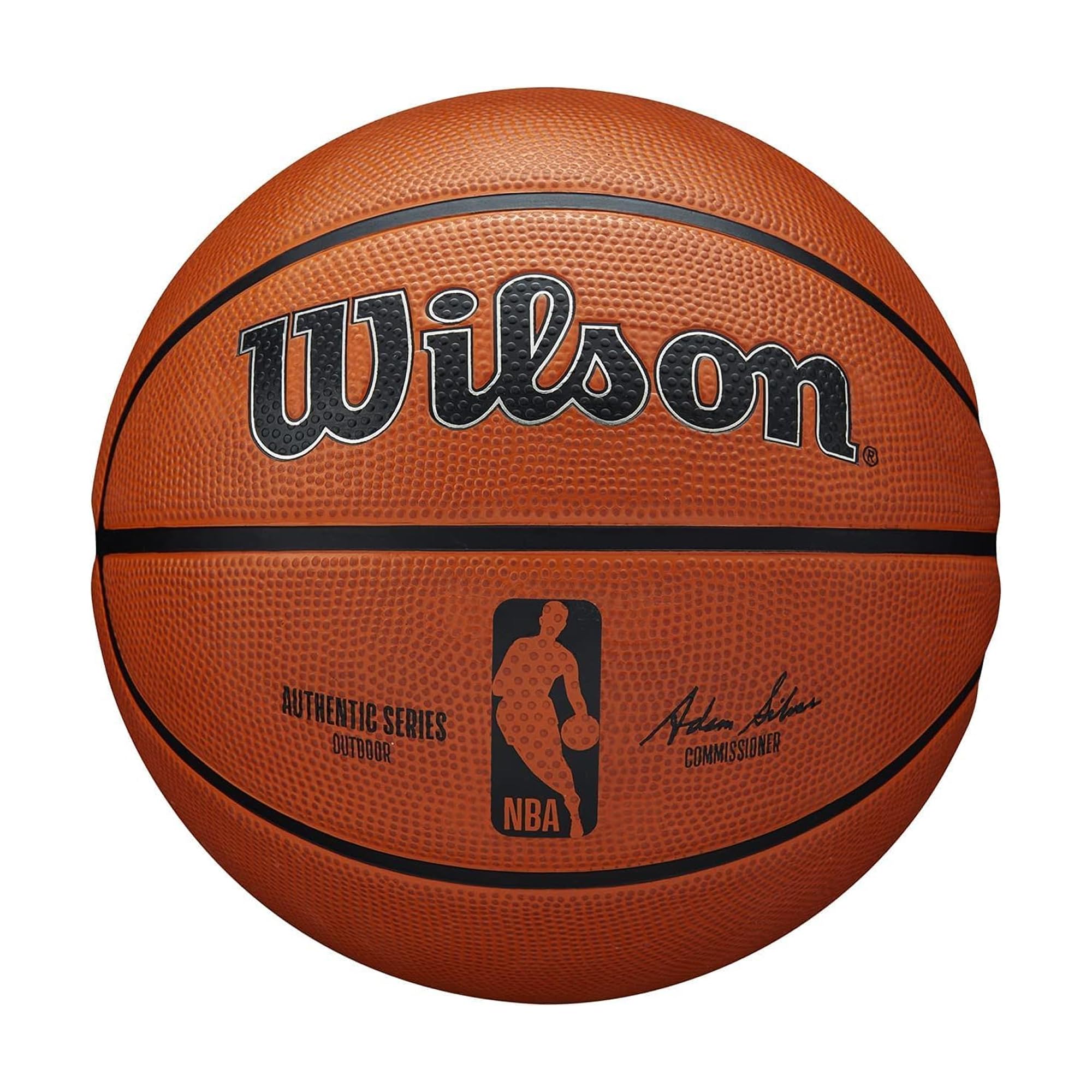
The cover decides everything on pavement. Stated plainly, a thick rubber cover governs how long a ball survives concrete, while a genuine leather cover is an indoor class of ball that rough pavement will scar and ruin within weeks. When players ask what separates the best basketballs for concrete from gym balls, cover material is the honest answer, ahead of color, panel design, or price.
Size, Weight, and Fit
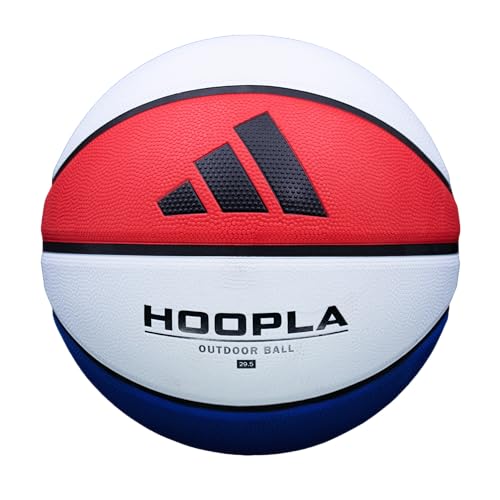
Ball size is read from the league class you play in rather than from personal taste, and size 5, at about 27.5 inches around, suits youth players up to about age eleven. Size 6, about 28.5 inches, is the standard for girls and women from middle school upward and for boys in the middle school years. Size 7, about 29.5 inches, is the official size for boys and men from high school on. A ball that is too big teaches a pushing shot, so size honestly.
Grip, Bounce, and Control
Grip on concrete comes from the channels cut between panels. A deep channel design governs grip life on rough surfaces, because shallow pebbling wears flat quickly while deep channels keep their edges and keep shedding dust. Bounce should feel lively but not wild at the maker recommended pressure. If a ball feels dead, check inflation before blaming the cover, since outdoor balls lose air faster through temperature swings.
Skill Level and Intended Use
Beginners gain more from correct size and steady inflation than from any advanced cover. Intermediate players who shoot daily will feel the difference a composite cover makes on release, though it will wear faster than rubber outside. Chasing lists of the best basketballs ever is fun reading, but a ball matched to your court and your hands will serve your routine better than a famous name.
Materials and Construction
Rubber covers are the outdoor standard: cheap, tough, and grippy in dust. Composite leather feels softer and shoots closer to a gym ball, at a higher price and with faster outdoor wear. Panel count and bladder quality affect how round the ball stays over months of use. Color and graphics are pure taste, and guides to the best looking basketballs cover the style side if looks lead your list.
Common Mistakes to Avoid When Buying a Basketball for Concrete
- Buying a leather or indoor composite ball for pavement, then watching the cover scar within a few sessions.
- Choosing size by age guesses instead of the league standard, which quietly teaches poor shooting form.
- Judging by price alone, since the cheapest thin rubber balls can lose their grip channels in a single month of daily play.
- Playing on a badly underinflated ball, which feels heavy, bounces dead, and stresses the bladder.
- Leaving the ball in a hot car trunk or in direct sun, which ages the cover faster than the games do.
Tips to Get the Most From Your Basketball
Keep the ball inflated to the pressure printed near the valve, usually about 7.5 to 8.5 pounds per square inch, and check it weekly during heavy play. Wipe grit off with a damp cloth after outdoor sessions, then let the ball dry at room temperature. Rotate two balls if you play daily, since rest days slow cover wear. Finally, retire a ball when the channels feel smooth, because worn grip changes your shot more than a new ball ever will.
Footing matters as much as the ball, and supportive footwear such as best basketball shoes helps you stop and plant on abrasive pavement.
Basketball Questions Answered
What features matter most in a basketball for concrete?
Cover material matters most, followed by channel depth and correct size. A thick rubber cover survives pavement friction that destroys leather, and deep channels keep grip as the surface wears. One point buyers often miss is the valve: a recessed valve sits flush with the cover and avoids the scuffing and slow leaks that a raised valve picks up on rough ground. Check the valve before you check the graphics.
What basketball size should I get for outdoor play?
Match the size to the league standard for your age group: size 5 for youth, size 6 for girls, women, and middle school boys, and size 7 for high school boys and men. Outdoor play does not change the sizing rules. If you are between sizes, choose the smaller one for casual games, because control and shooting form improve sooner with a ball you can palm and release cleanly.
How long does a basketball last on concrete?
A rubber ball played several times a week on concrete typically keeps good grip for about three to six months before the channels wear smooth. Occasional weekend play can stretch that past a year. Lifespan depends more on surface roughness than on price, since fresh asphalt is far gentler than old, pitted concrete. When the ball starts sliding in your hands on a normal dribble, its useful grip life is over.
Does indoor versus outdoor use matter for a basketball?
Yes, it matters a great deal. Indoor balls use leather or soft composite covers tuned for clean hardwood, and pavement ruins those covers quickly, while outdoor balls trade some softness for rubber toughness. A ball marked for indoor and outdoor use is a compromise that survives outside but feels firmer inside. If you play in both places often, owning one ball for each setting costs less than replacing ruined gym balls.
Is a premium basketball worth it for a beginner?
Usually not at the start. A beginner gains more from the correct size, proper inflation, and frequent play than from a premium cover, and rough concrete will wear an expensive ball down at the same rate as a cheap one. Put the savings toward a pump, a spare ball, or court time. Step up in price only when you play often enough to feel cover differences on your shot.
Final Thoughts
Match the ball to your routine and the choice gets simple: a thick rubber cover for the surface, the league correct size for your hands, and deep channels for grip that lasts. Glance back at the product table above to compare covers and prices side by side. Chosen that way, the best basketballs for concrete stop being a guess and become the ball you reach for every session.