Best Basketball Towels Made Simple: A Clear Buying Guide for 2026
Disclosure: We may earn a commission when you buy through links on this page, at no extra cost to you. As an Amazon Associate I earn from qualifying purchases. Learn more

Shopping for basketball towels for the first time? Learn the key terms, compare sizes, fabrics and GSM, and avoid rookie mistakes with this easy guide.
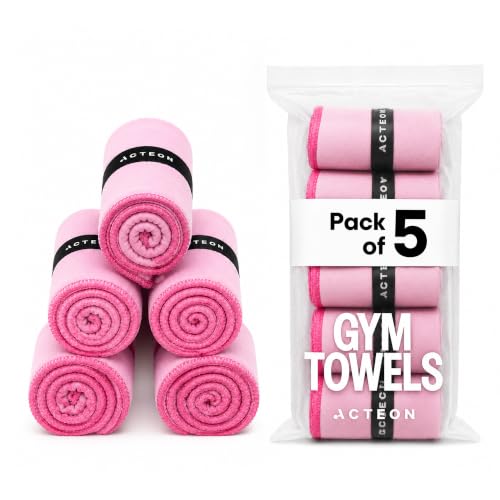
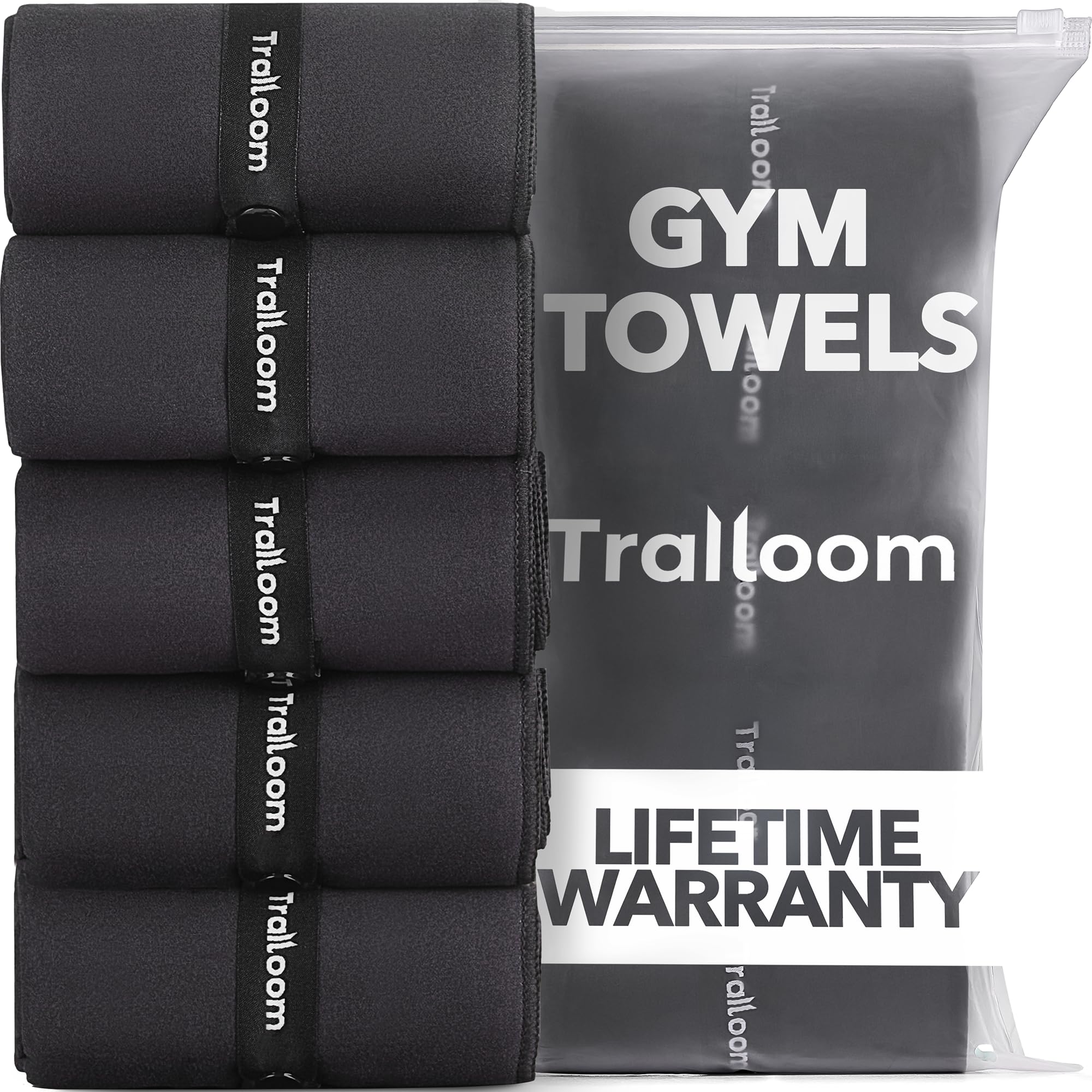
If you are buying a court towel for the first time, the choice looks simpler than it is. A plush towel may dry too slowly on the bench, while a thin towel may stop absorbing sweat by the second half. The best basketball towels match your sweat, your bag space and your laundry routine, and the comparison table below helps you check those points.
This guide starts with the basics and then moves to size, fiber, weight and care. You will learn which towel suits a starter player, which suits a heavy sweater, and which suits a coach for a whole team.


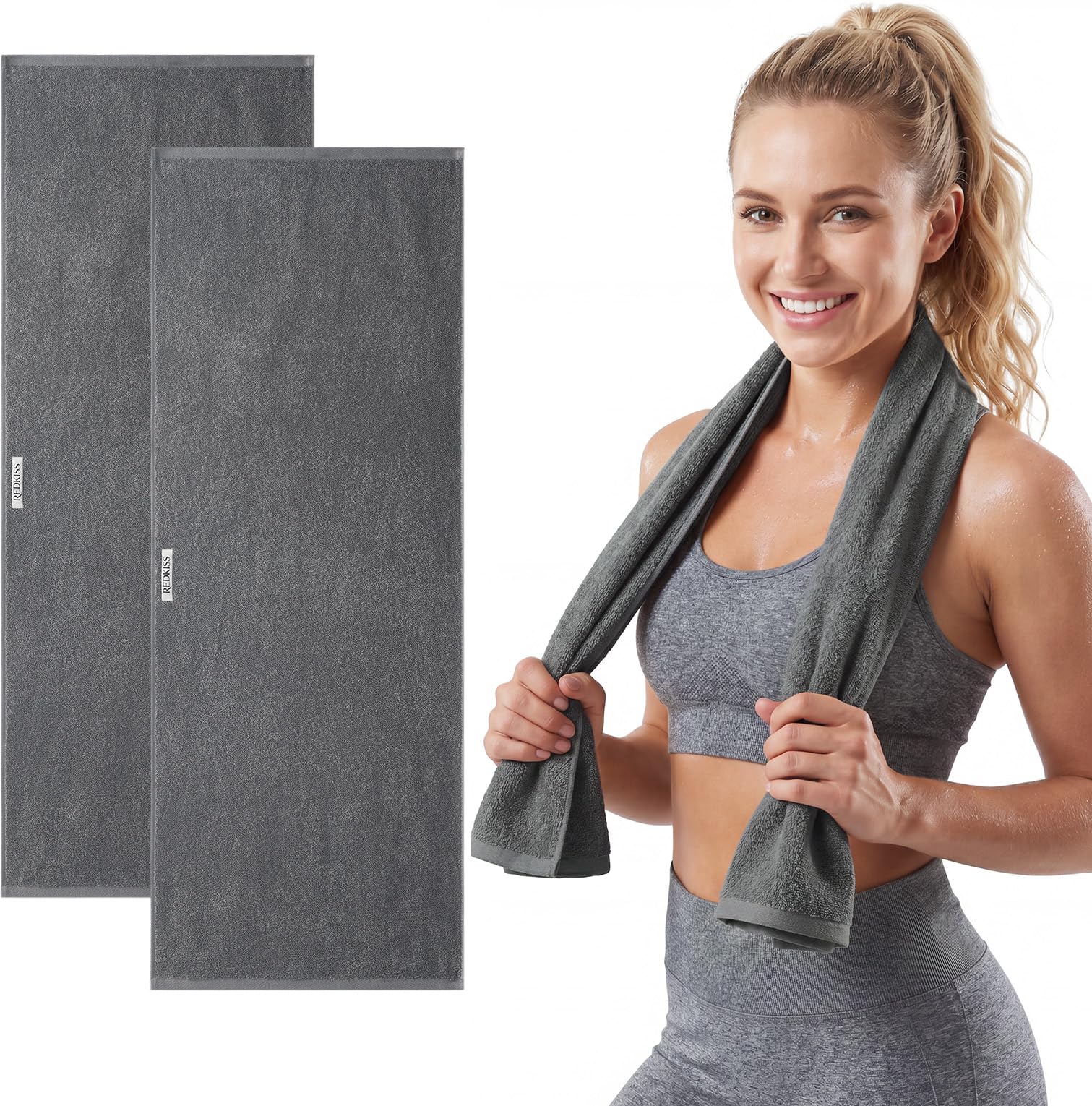


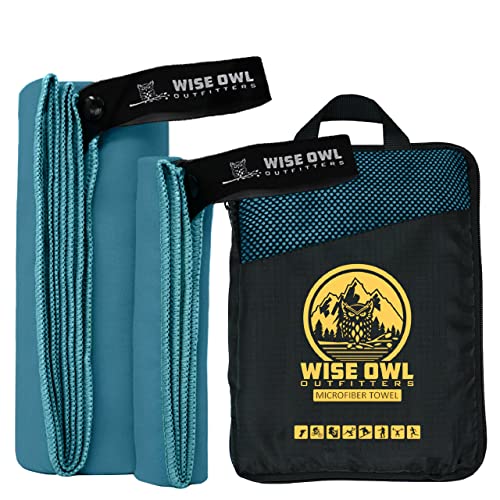
Who Should Buy Which Basketball Towels?
Start with how you use a towel during a game or training session. Your role, sweat level and laundry habits matter more than color or a luxury label.
Players Who Sweat Heavily During Full Games
You need absorbency first and a dry surface late in the game. Choose a standard bench size in looped cotton terry or a cotton rich blend, at the upper end of the weight range covered below. Carry a second towel for the second half.
Guards and Ball Handlers Who Need Dry Hands
Your towel has one main job, which is to give you a dry grip before free throws and inbound plays. Choose a smaller hand size that you can grab fast and fold over a bench or bag strap. A smooth microfiber side wipes palms clean without leaving lint on your fingers.
Coaches and Team Managers Who Buy in Sets
You need towels that survive constant washing and are easy to sort after each game. Choose one size and one or two colors for the whole squad, with strong edge stitching.
Basketball Towels 101: The Basics for First Time Buyers
A basketball towel is a small sport towel made to remove sweat from your face, neck, arms and hands near the court. It is much smaller than a bath towel, because it must fit on a bench, over a shoulder or inside a gym bag. That focus on sweat, speed and packing is what separates the best basketball towels from a spare towel borrowed from home.
A bath towel is built for one full body dry after a shower, so it is larger, heavier and slower to dry in a closed bag. If you want a contrast for home use, see our guide to the best bathroom towels for sizes built for the bathroom. A court towel gets used many times in two hours and washed far more often.
Key Features to Compare
Compare the six factors below in order. Together they decide how a towel feels in the first quarter and how it holds up after a season of washing.
Size for the Bench and Your Gym Bag
Size controls coverage and packing at the same time. Small hand towels at about 12 by 12 inches suit quick palm and face wipes, but they soak through fast. Standard bench towels at about 16 by 28 inches cover your neck and shoulders and are the safest first choice for most players. Larger towels near 24 by 44 inches suit tall players, yet they fill more bag space and dry more slowly.
Material and Fiber Blend
Cotton terry uses loops that pull in sweat and feel soft on skin, which suits long bench time. Long staple cotton, often sold as Turkish cotton style yarn, feels smoother and sheds less, but it can dry more slowly. Microfiber absorbs a lot for its weight and dries fast, though some players find it grabs dry skin. A cotton and microfiber blend balances softness, absorbency and drying speed for everyday training.
Absorbency and GSM Weight
GSM means grams per square meter, and it tells you how dense and heavy the fabric feels. Most basketball towels work well at about 300 to 500 GSM. Towels near 300 GSM feel light, pack small and dry fast, which suits guards and short sessions. Towels near 500 GSM hold more sweat and feel plusher, which suits heavy sweaters, but they need more air time after a game.
Quick Drying Between Games and Sessions
A towel that stays damp becomes a smell problem inside a closed bag. Thin microfiber and lower GSM cotton release water fastest, while dense terry holds moisture longer in its loops. If your turnaround between sessions is short, drying speed should rank above plush feel.
Texture, Grip and Lint on Hands and Shoes
Texture should match the job you give the towel. Looped terry grips sweat well on skin, while a flatter weave slides less lint onto your palms before you handle the ball. Many players wipe shoe soles to restore court grip, and for the shoes themselves, see our guide to the best basketball shoes for traction features. Keep one towel face for skin and the other for soles.
Durability, Edges and Skin Safe Finishes
Frequent washing tests a towel more than game use does. Look for tight edge stitching, even loops that do not snag, and color that stays true after repeated cycles. An OEKO TEX label means the fabric was checked for harmful substances, which matters for a towel pressed to your face many times a week. For broader towel build terms, see our guide to the best quality towels.
Basketball Towel Types Compared
Looped terry towels are the classic bench choice. They feel familiar, absorb sweat in volume, and suit players who wipe their face and neck often. Their weak point is slow drying time.
Flat microfiber towels pack to almost nothing and shine for hands, balls and shoe soles. They dry fast on a bag strap and leave little lint. Blended towels sit between the two, with terry softness on one side and a smoother, faster drying surface on the other.
Rookie Mistakes to Avoid
First time buyers tend to repeat the same few errors. Each one below costs comfort, hygiene or money.
- Buying a bath size towel fills your gym bag and leaves it damp for hours after the game.
- Choosing the thickest towel you can find slows drying and invites a sour smell in a closed bag.
- Using fabric softener coats the fibers and makes the towel push sweat around instead of absorbing it.
- Sharing one towel across a team spreads germs and leaves the last users with a soaked surface.
- Packing a wet towel with your shoes and ball keeps odors in the bag and moisture on your gear.
Getting Started: First Wash and First Court Use
Wash a new towel before its first game. A first wash removes loose lint and factory finishes that block absorbency, and it shows you how much the size changes after drying. Wash it with similar colors, skip fabric softener, and dry it fully before you pack it.
At the court, fold your towel so a dry section is always easy to reach, and hang it over the bench or your bag rather than dropping it on the floor. For ball care habits that pair well with dry hands, see our guide to the best basketballs ever.
Care and Maintenance for Basketball Towels
Wash your towel after every game or hard session. Sweat, skin oils and court dust build up fast, and waiting a few days lets odors set into the fibers. Use warm water and a plain detergent, and add no softener at any point in the life of the towel.
Dry the towel fully before you store it, in a dryer or hanging open in moving air. Check edges and loops each week for fraying, because a towel that sheds lint onto your hands is near the end of its useful court life.
Frequently Asked Questions
Are luxury basketball towels worth the extra cost for casual players?
For most casual players, luxury basketball towels are not worth a large price jump. The extra cost usually pays for softer yarn and denser pile, which add drying time on the bench. If you play once or twice a week, your money works harder when it buys a second midweight towel, so a clean one is ready while the first is in the wash.
How do you keep basketball towels fresh longer inside a gym bag?
You keep basketball towels fresh longer by airing the bag itself, not only the towel. Open every pocket when you get home and leave the bag in moving air for a few hours. On game day, carry the used towel in a separate washable pouch instead of loose against clean clothes, and wash that pouch weekly as well.
What GSM is best for basketball towels used in tournaments?
For tournament play, a GSM near the middle of the range suits most basketball towels best. Tournaments stack several games into one day, so a very dense towel may still be damp by your third game. A midweight towel absorbs well in the morning and can dry during a long lunch break if you hang it open.
How often should you replace basketball towels?
You should replace basketball towels when a clean wash no longer restores absorbency or freshness. Test an older towel by holding it under a tap for a few seconds. If water beads and runs off instead of soaking in, the fibers are worn or coated beyond recovery. Frayed edges, thinning patches and a smell that returns within one game are also clear signs to retire the towel.
How many basketball towels should a player carry to one game?
Most players should carry two basketball towels to one game. Use the first for your face, neck and hands during play, where skin contact matters most. Keep the second dry as a reserve for the final quarter, for wiping shoe soles, or for a teammate whose towel is soaked. Two standard sizes still take less bag space than one large bath towel.
The Bottom Line
For a first purchase, keep the decision simple. Pick a standard bench size, a midweight fabric near 300 to 500 GSM, and a fiber you will wash without fuss after every game. Match texture to your main job.
Use the product table above to check size, GSM and fabric against those points. When the best basketball towels for your routine are clear, buy the simplest set that covers your week of play, and spend the savings on court time instead.