
Best Basketball Shoes for Wide Flat Feet: Fit and Stability Guide for 2026
Disclosure: We may earn a commission when you buy through links on this page, at no extra cost to you. As an Amazon Associate I earn from qualifying purchases. Learn more

Need basketball shoes for wide flat feet? Compare wide lasts, arch support, and stability features for comfortable court play in every game.
Shopping for best basketball shoes for wide flat feet means solving two fit problems at once: width that does not squeeze, and support that does not let arches collapse inward. Wide feet need room across the forefoot, while flat feet need stability that resists overpronation during cuts and jumps. A shoe that solves only one problem will still hurt or feel unstable. The comparison table below shows the main shoe types side by side.
Start with width and last shape. Shoes labelled wide, or built on a naturally roomy last, give toes space to spread without pressure on the outer foot. Flat feet also need a stable midsole that does not compress heavily on the inner edge. Try shoes with your usual socks, and test lateral movement, since a shoe that feels roomy walking may still collapse inward on a hard cut.

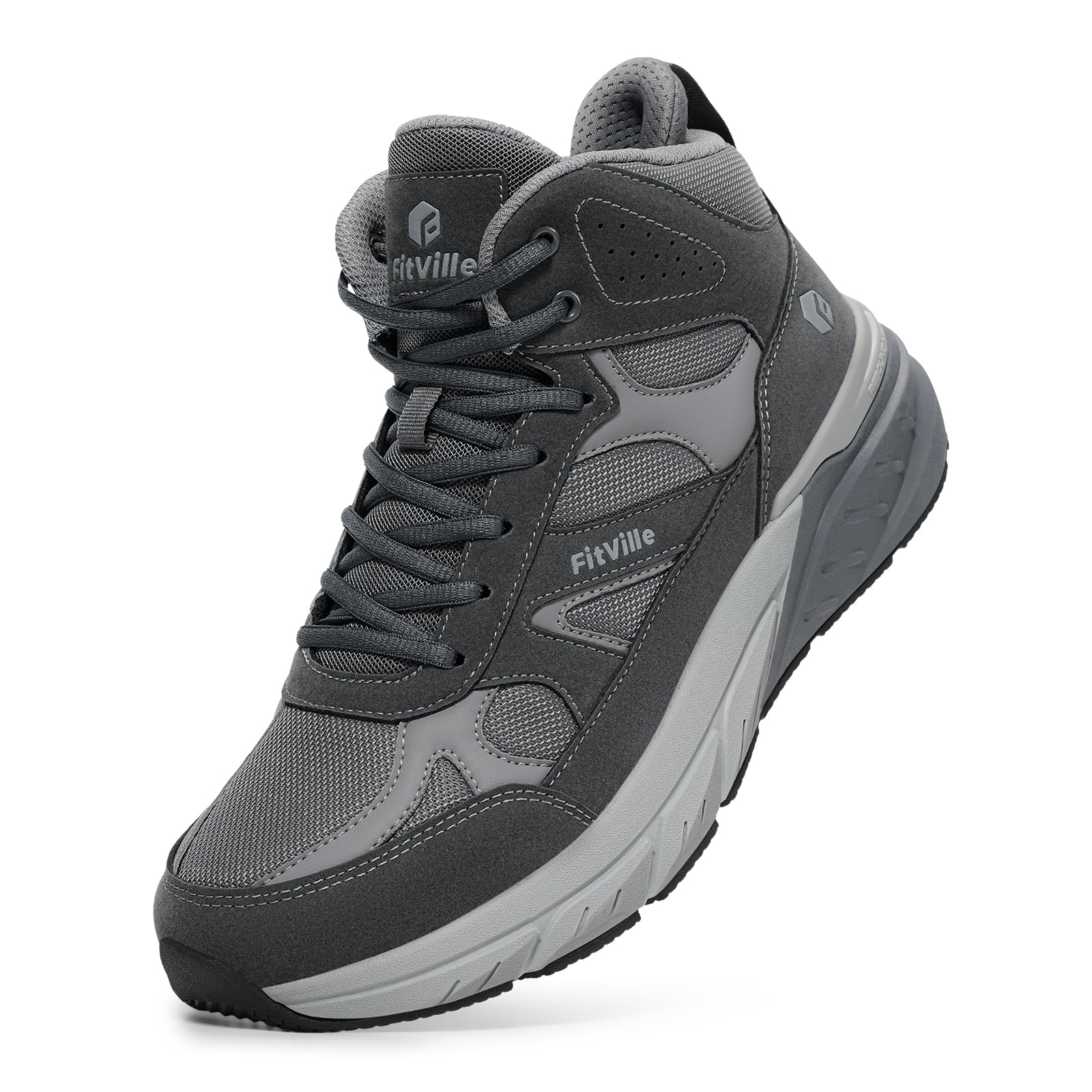

Wide Flat Feet in Plain Language
Flat feet have low or fallen arches, so the foot rolls inward, called overpronation, during walking and running. On court, that roll stresses ankles, knees, and the arch itself, especially during lateral moves. Wide feet add pressure on the outer forefoot when lasts run narrow, causing pinching, blisters, and numb toes. Together, these traits demand a shoe that is both roomy and stable.
Stability features counter overpronation. Firmer foam on the inner midsole, a medial post, or a stability shank resists inward roll. A wide base spreads load and improves balance. Arch support should feel supportive without digging into the arch, since aggressive support can irritate flat feet that have adapted to a lower arch.
The goal is controlled, comfortable support, not forced arch height.
Key Features Explained
Width and Last Shape
Width should be judged by forefoot room, not just a wide label. Toes should spread without touching the shoe edge, and the widest part of your foot should align with the widest part of the shoe. Shoes with a straight last suit many wide flat feet better than curved lasts that narrow the forefoot. If a shoe pinches at the little toe or bunion area in the shop, it will hurt more after a full game.
Stability and Arch Support
Stability comes from firmer inner midsoles, wide bases, and heel counters that keep the heel centred. Removable insoles matter, since many flat footed players use custom or over the counter orthotics that need room. Test stability by standing and shifting weight: the inner edge should not collapse dramatically, and the heel should stay centred. If you use orthotics, bring them to every fitting and test with them in place.
Cushioning and Traction
Cushioning should absorb landing impact without adding instability. Moderately firm, even cushioning suits wide flat feet better than very soft foam that compresses unevenly. Traction must grip on cuts, since overpronation already challenges balance. Herringbone or similar indoor patterns grip well on clean courts, while outdoor courts need harder rubber.
Replace shoes when inner cushioning collapses visibly, since that collapse worsens overpronation.
Who Should Buy Which Type
Wide flat footed guards should favour roomy, stable low or mid tops with strong lockdown for quick cuts. Forwards and centres, who jump and land more, need extra landing cushioning plus the same width and stability. Players using orthotics should prioritise removable insoles and volume, testing the full orthotic and shoe combination before buying.
Wide focused basketball guides highlight lasts and sizing that suit broader feet across positions. See our guide to best basketball shoes for wide feet for more detail.
Flat foot focused guides compare stability and arch features in more depth. See our guide to best basketball shoes for flat feet for more detail.
General wide flat foot guides cover daily wear options that complement court shoes. See our guide to best shoes for wide flat feet for more detail.
Running focused wide flat guides can help for conditioning work off the court. See our guide to best running shoes for wide flat feet for more detail.
Walking guides suit recovery days and daily wear when court shoes are not needed. See our guide to best walking shoes for wide flat feet for more detail.
Mistakes to Avoid
A common mistake is buying a longer size to gain width, which leaves the heel slipping and the arch support misaligned. Width should come from a wide last or wide sizing, not from extra length. Another mistake is choosing very soft, plush shoes that feel comfortable standing but collapse inward on cuts. Comfort standing still does not predict stability in motion.
Ignoring pain is risky. Persistent arch, ankle, knee, or heel pain, especially pain that changes gait, deserves clinician advice. Flat feet can relate to tendon issues and other conditions that shoes alone cannot fix. A clinician or podiatrist can assess whether orthotics, therapy, or other care is needed alongside better shoes.
A Final Check Before You Order
Before you buy, bring any orthotics you use and test the full combination, since shoe fit changes completely with an insert inside. Check that toes spread without touching the shoe edge, that the heel stays centred, and that arch support feels helpful rather than digging. A shoe that fits well without orthotics may crowd badly with them, so never judge fit on an empty shoe alone.
Shop later in the day when feet are slightly swollen, since morning fit can mislead and evening swelling reveals pinching that matters during games. Test lateral cuts and jumps, watching whether the inner edge collapses dramatically under load. If collapse is severe, try a firmer stability model or a different last shape rather than accepting a shoe that rolls inward on every move.
Check inner midsole wear monthly during season, since wide flat feet compress that area fastest and support usually fails before the upper looks worn. Replace shoes when inner cushioning collapses, traction smooths, or heel counters loosen, and check orthotics for wear at the same time. Note which lasts and widths felt best, since that record makes future fitting far quicker and more reliable.
Frequently Asked Questions
Should I buy wide size or a larger length?
Buy width from a wide last or wide sizing, not from extra length. A longer shoe leaves the heel slipping and places arch support in the wrong spot. Try wide versions first, and check forefoot room with toes spread. If wide versions still pinch, try a different last shape, since brands shape lasts differently.
Proper width with correct length gives the best fit and stability.
Do flat feet need arch support inserts?
Many flat footed players benefit from supportive insoles or orthotics, but the right level varies. Mild support suits some, while others need custom orthotics assessed by a podiatrist. Choose shoes with removable insoles so inserts fit without crowding. If inserts cause pain, numbness, or new discomfort, stop and seek professional advice rather than forcing adaptation.
Are stability shoes heavy and slow?
Modern stability court shoes balance support with reasonable weight, though they may feel firmer than neutral shoes. That firmness is the point, since it resists inward roll during cuts. Test lateral movement and jumps, and judge speed by how the shoe feels in motion, not by weight in the hand. A stable shoe that moves well beats a light shoe that collapses on every cut.
When should wide flat feet be checked professionally?
Seek clinician or podiatrist advice for persistent arch, heel, ankle, or knee pain, swelling, numbness, or pain that changes how you walk or run. Flat feet can relate to tendon and joint issues that need assessment beyond shoes. Early advice can prevent worsening problems and guide orthotic or therapy choices that complement good footwear.
How often should I replace stability court shoes?
Replace stability shoes when inner cushioning collapses, traction wears smooth, or heel counters loosen, since those failures worsen overpronation. Wide flat footed players often wear inner midsoles faster, so check that area monthly during season. Do not wait for visible holes, since support usually fails before the upper looks worn out.
Final Thoughts
Wide flat feet need room across the forefoot plus stability that resists inward roll, and neither trait alone is enough. The product table above compares the main types, and the sections here explain how width, last shape, and stability interact on court. Buy width properly, test lateral movement with orthotics if you use them, and respect persistent pain.
With that match, best basketball shoes for wide flat feet can make court play comfortable and stable, rather than a trade off between pinching and rolling. Fit both problems at once, and the game feels far better.


