
Best Basketball Shoes for Dusty Court: Every Type Explained Side by Side for 2026
Disclosure: We may earn a commission when you buy through links on this page, at no extra cost to you. As an Amazon Associate I earn from qualifying purchases. Learn more

A practical guide to the best basketball shoes for dusty court: tread, rubber and the types compared.
Dusty courts ruin good moves. You plant to cut, the sole skates on a film of grit, and suddenly your shoes matter more than your handle. The best basketball shoes for dusty court play solve that problem with tread patterns and rubber that keep biting when the floor does not get swept.
This guide compares the main types side by side, then shows you how to match a type to your level and your court. Use it alongside the comparison table below, and pay closest attention to the outsole, because on dust, the outsole is the whole story.

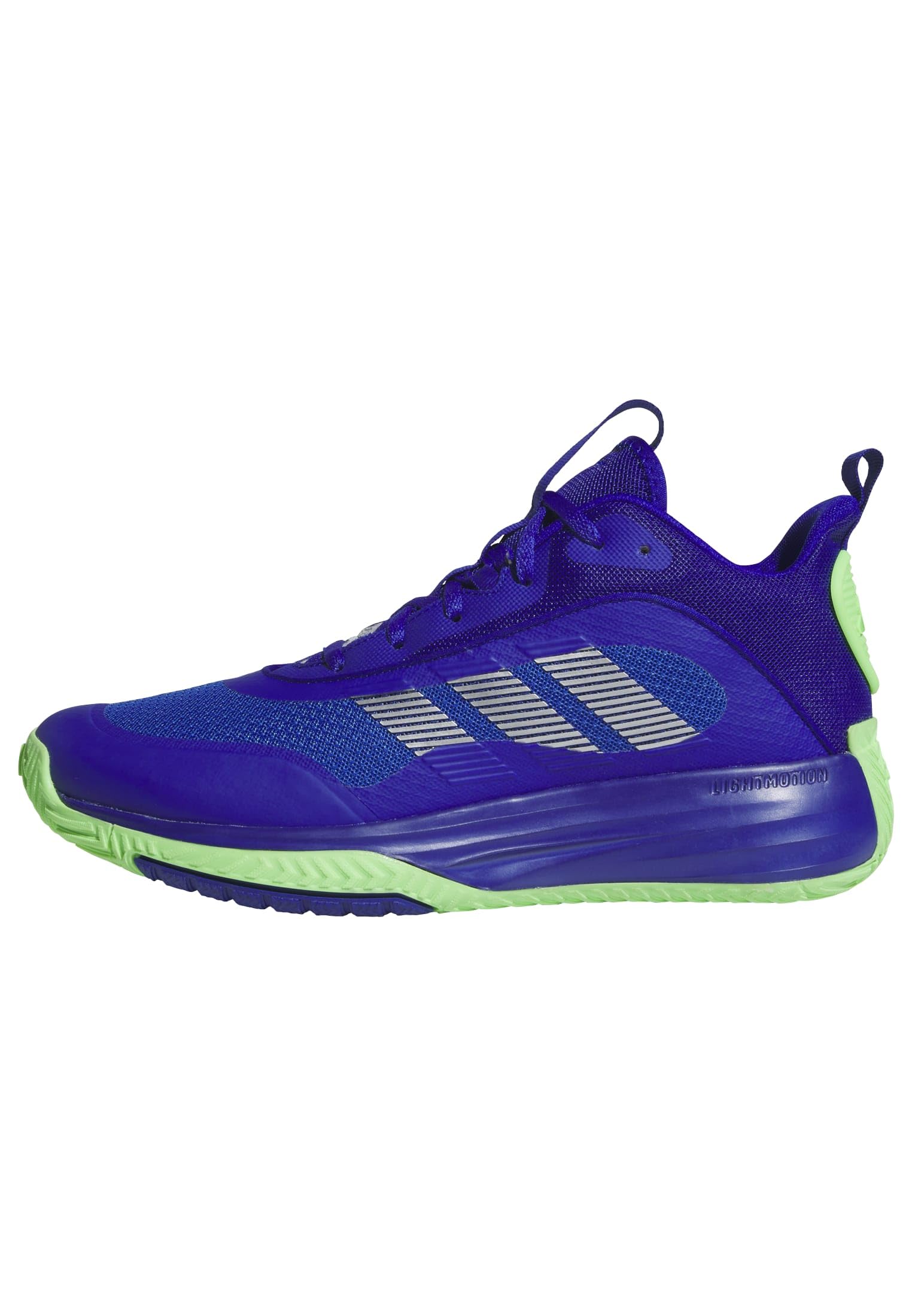
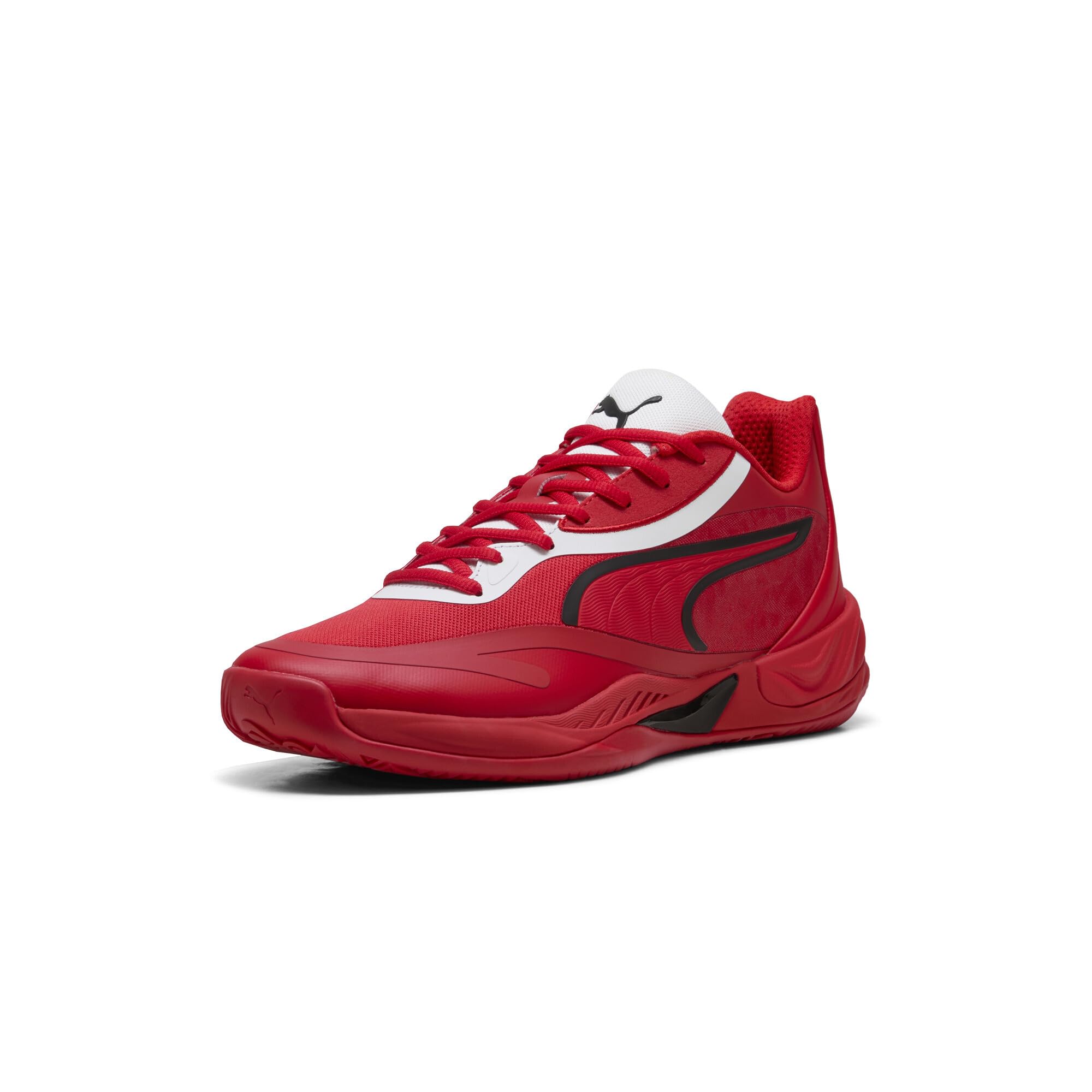


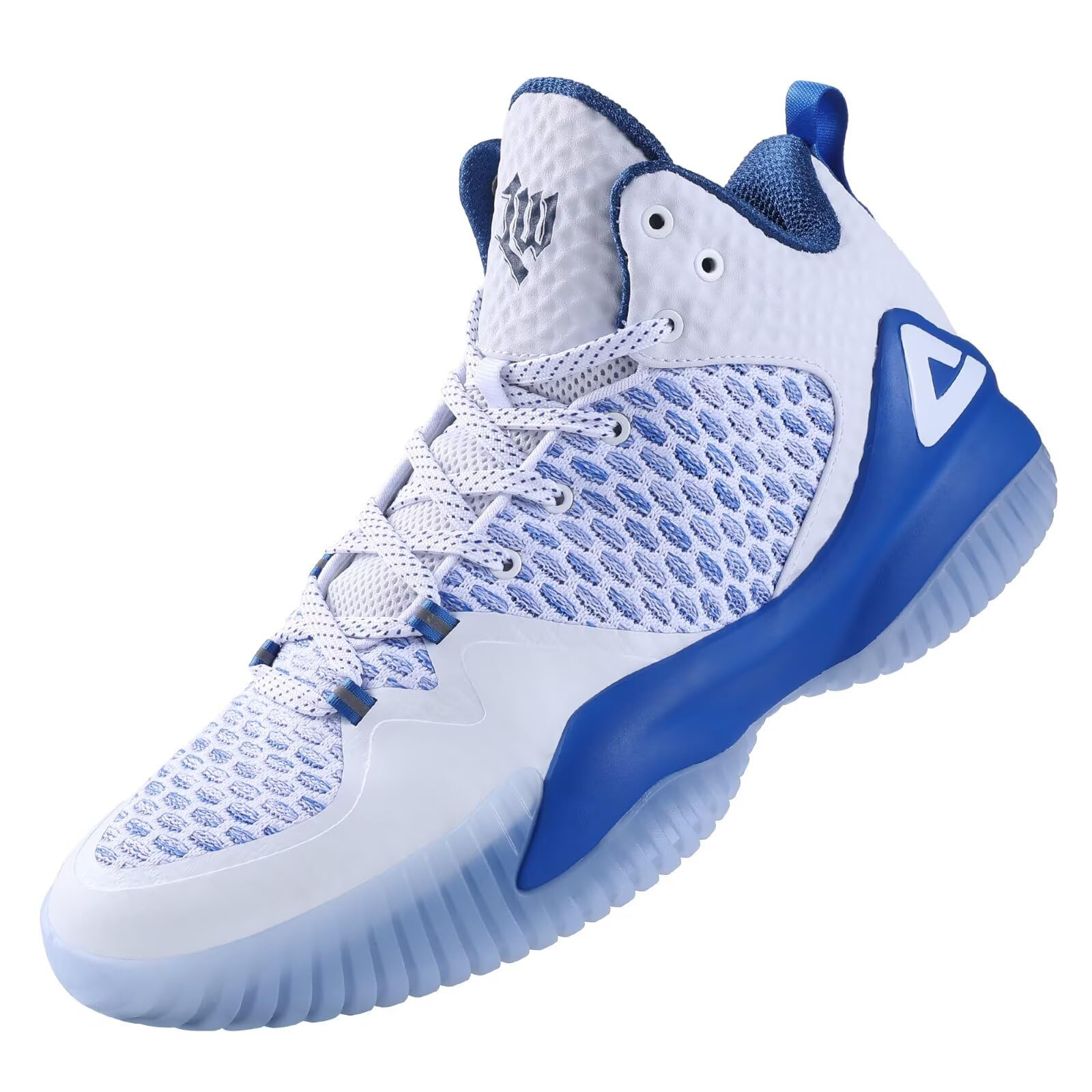


Types of Basketball Shoes for Dusty Court Play Compared
Every type below can work on a dusty floor if the tread is right, but they trade grip, support, and price in different ways. Read the profiles, note which player sounds like you, and then check the detailed buying factors further down before you commit to a pair in the product table above. When you compare the best basketball shoes for dusty court, start with tread pattern and rubber.
Kids and Youth Options
Youth shoes are built for growing feet and lighter bodies, with softer cushioning and more forgiving fits. Their outsoles usually use wider, flatter tread blocks, which actually helps on dusty school gym floors because more rubber touches the ground at once. The limits are durability and support: lighter players wear them out less quickly, but a strong teenager playing daily will chew through the tread in a season. Buy youth options for fit and value, replace them as feet grow, and do not size up to stretch the purchase, because a loose heel invites ankle rolls.
Intermediate and All Around Options
All around shoes balance grip, cushioning, and ankle support for players who do a bit of everything. This is the sweet spot for most recreational players on dusty courts. Look for a herringbone or multidirectional tread in solid rubber, a mid cut collar, and enough cushioning for repeated jumps without a heavy feel.
These shoes forgive minor fit quirks and handle both guard moves and post play. If you play twice a week at a community gym that rarely gets mopped, this type gives you the most reliable grip per dollar.
Advanced and Performance Options
Performance shoes chase maximum traction and responsiveness for quick guards and competitive leagues. They often use deep, sharply angled tread grooves that channel dust away from the contact patch, plus firmer cushioning that returns energy on the first step. The trade offs are price and tread life, since softer performance rubber wears faster, especially if you also wear the pair outdoors. Court feel is excellent, but these shoes demand the right fit: a sloppy heel in a low cut performance model is a sprain waiting for a dusty crossover.
Beginner Options
Beginner shoes keep things simple: durable rubber outsoles, generous cushioning, and stable, slightly wider bases. On dusty courts that stability matters, because new players plant their feet flat and need the whole sole working for them. Tread patterns are usually straightforward herringbone, which grips well and is easy to wipe clean mid game.
You give up some lightness and court feel, but you gain confidence while your footwork develops. For a first pair, this type paired with a midsole that feels soft on landing is the sensible starting point.
Kids and Youth Options vs Intermediate and All Around Options: Which Should You Choose?
Start with fit: youth shoes come in youth lasts and sizes, so a small adult in a youth model often gets a narrower heel and softer support than they need. For grip on dust, both types can use wide tread blocks, but all around models usually carry deeper grooves that clear grit better over a full game. Durability favors the all around shoe, with thicker rubber built for adult weight and force.
Price favors youth options, often by a wide margin. Choose youth for genuinely young, still growing players, and all around models for anyone adult sized, playing organized runs, or wanting one pair to last the full season.
How to Choose the Right Basketball Shoe
Skill Level and Intended Use
Your level decides how much tread precision you need. Beginners benefit from stability and forgiveness when a step lands wrong. Intermediate players who cut hard and defend laterally need tread that grips in every direction, not just forward.
Advanced players should prioritize dust clearing groove depth and a secure lockdown, because their game exposes weak traction fastest. Be honest about how often you play too: a daily player should budget for better rubber, since tread depth, and therefore dusty court grip, fades with every month of wear.
Safety and Support Basics
On a slippery floor, support features become safety features. A firm heel counter keeps your foot from sliding inside the shoe during a skid, and a wide, flat outsole base resists tipping when your plant foot lands on grit. Mid and high cut collars add a sense of security, though fit and strength matter more than collar height alone. If you have a history of ankle sprains, consider pairing supportive shoes with a lace up ankle brace, and talk with a clinician or physical therapist about strengthening work rather than expecting any shoe to prevent injury on its own.
Indoor vs Outdoor Use
Dusty court play is an indoor problem, but many players split time between gym floors and asphalt. Indoor shoes use softer rubber that grips polished wood beautifully yet wears down fast on concrete. Outdoor shoes use harder, thicker rubber that survives asphalt but can feel less sticky on a dusty gym floor.
If you play in both places, a second pair is the honest answer; our guide to the best outdoor court basketball shoes covers the tougher outsoles built for blacktop. One pair asked to do both jobs ends up mediocre at each.
Performance Characteristics
Three traits decide dusty court performance: tread geometry, rubber hardness, and dust management. Herringbone remains the benchmark because its zigzag grooves bite in every direction and push grit aside as you load the foot. Very soft rubber grips best but wears fastest, while very hard rubber lasts but can skate.
The practical check is simple: press the shoe onto the dusty floor, twist, and listen. A confident squeak and no slide means the pattern is working. For deeper reading on tread design, see our guide to the best traction basketball shoes for dusty courts.
Features That Matter for Dusty Court
Dust changes the shopping list in specific ways. Prioritize full length herringbone or radial tread with visible groove depth, a solid rubber outsole rather than translucent rubber that tends to attract and hold dust, and a wipe friendly pattern you can clean with your hand between plays. An outsole that wraps slightly up the sides helps when you play off the edge of your foot on defense. Players who want a broader shortlist can compare styles in our roundup of the best on court basketball shoes, and those who also play tennis or volleyball can check the best court shoes for cross sport tread ideas.
How to Make Your Basketball Shoe Last Longer
Traction care is shoe care on dusty courts. Wipe the outsoles with a damp hand or a sticky mat before each run and again at halftime, because embedded grit acts like sandpaper on rubber. Store shoes out of direct sun and away from extreme heat, which hardens rubber and kills grip.
Check tread depth before each week of play; once the pattern looks smooth in the ball of the foot area, grip on dust is already fading. Clean soles with mild soap and water after outdoor use, let them air dry fully, and keep a dedicated indoor pair if you can, since street grit ground into the tread never fully comes out.
Basketball Shoes: Your Questions Answered
What features matter most in basketball shoes for dusty court play?
Tread pattern and rubber come first. Choose deep herringbone or multidirectional grooves in solid rubber, with enough groove spacing to shed grit rather than pack it in. A wipe check in the store tells you plenty: drag the sole across a dusty patch of floor and see whether it grips or glides. After tread, prioritize a secure heel fit, because internal sliding plus external sliding is how ankles get hurt on dirty floors.
Is it worth buying premium basketball shoes as a beginner?
Not for dusty court play. Premium models often use softer rubber tuned for clean league floors, and that rubber wears quickly while offering little extra grip once dust builds up. A mid priced all around shoe with deep tread will serve a beginner better and leave budget for a second pair later.
Spend the savings on court time. As your game sharpens and you learn your preferred fit, a performance model becomes a smarter upgrade.
How long do basketball shoes for dusty courts last?
Expect roughly one season of regular play, about 75 to 100 hours of court time, before tread wear noticeably hurts grip on dusty floors. The shoe may still look fine while the grooves have shallowed enough to skate. Rotate two pairs if you play daily, and reserve the newer pair for games. Retire a pair from serious runs when the ball of the foot tread looks smooth, even if the upper still looks new.
Does indoor vs outdoor use matter for dusty court grip?
Yes, because the rubber compounds differ. Outdoor shoes survive asphalt with harder rubber, but that hardness slides sooner on a dusty gym floor. Indoor shoes grip better on wood yet dissolve quickly outside.
If your league plays on a neglected gym floor, buy a true indoor shoe and protect it from pavement. Treat the walk from the parking lot as the enemy and change shoes at the bench.
What size basketball shoe should I get for court play?
Choose a snug heel and midfoot with about a thumb width at the toes, fitted in the evening with your game socks. Basketball feet swell during play, so a shoe that feels perfect in a morning fitting may pinch by the fourth quarter. Half sizes matter here more than in casual shoes. If your heel lifts when you cut in the store, go down or change models, because no lacing trick fully fixes a long shoe.
Wrapping Up
On a dusty floor, tread geometry and rubber beat brand names and price tags. Match the type to your level, keep the soles clean, and replace the pair when the grooves go smooth. Chosen that way, the best basketball shoes for dusty court sessions stop the skating and give your moves back. Check the product table above and pick the pair whose outsole passes the wipe check.


