
Best Basketball Pumps 2026: Complete Buying Guide
Disclosure: We may earn a commission when you buy through links on this page, at no extra cost to you. As an Amazon Associate I earn from qualifying purchases. Learn more

Keep basketballs game ready: hand versus electric pumps, gauge accuracy, needle care, valve checks, and pressure tips for players, families, and coaches.
Basketball pressure changes how the ball bounces, grips, and feels, so a reliable pump is a small tool with a big effect. The best basketball pumps cover hand, foot, and electric options, and the product table above helps players, families, and coaches choose wisely.
Most basketball pumps share needles and valves, but they differ in speed, gauge accuracy, and durability. A pump that leaks, snaps needles, or guesses pressure will frustrate users and shorten ball life, while a solid pump keeps every ball ready with little fuss.


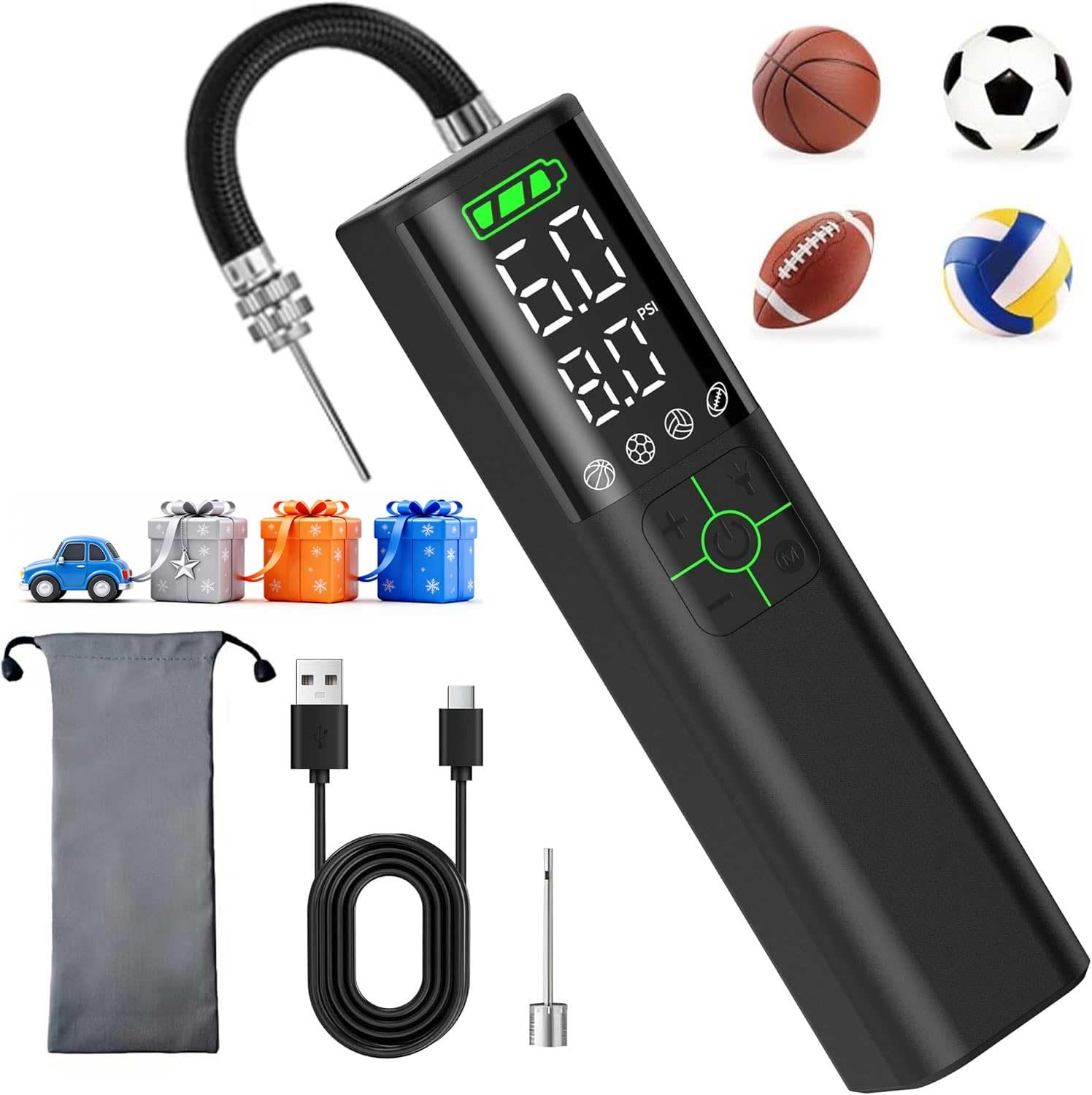


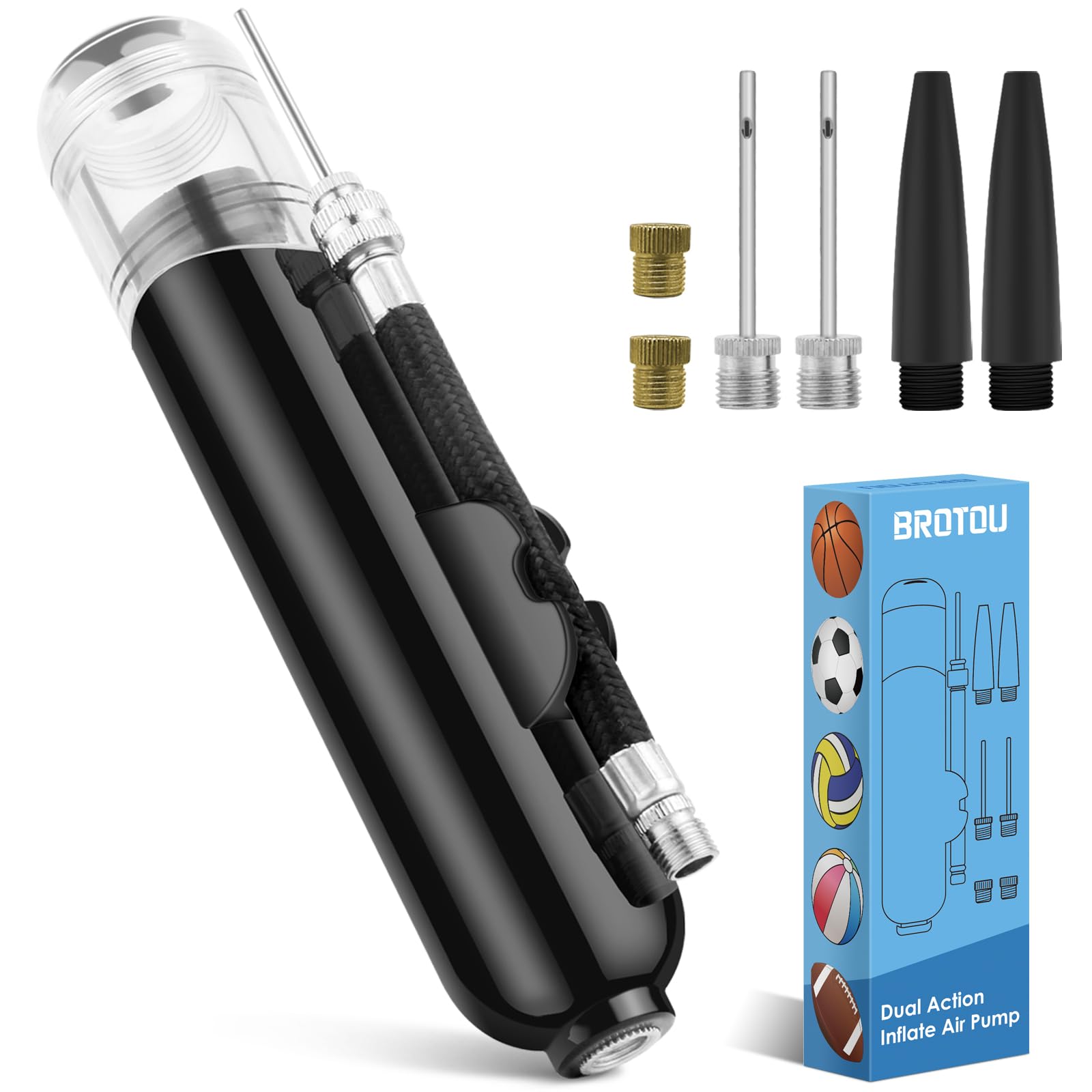

Who Needs a Basketball Pump
A basketball pump suits players who own balls, families with driveway hoops, coaches running practices, and schools maintaining many balls. Coaches benefit most from fast, durable pumps, while families need a compact pump that lives near the hoop or in a kit bag and works on game day.
It is less essential for players who only use gym balls maintained by a venue. If you own even one basketball and play weekly, however, a pump pays for itself quickly, since correctly inflated balls bounce true, grip better, and last longer than soft or overinflated balls.
- Players who own basketballs and play weekly
- Families with driveway or backyard hoops
- Coaches and schools maintaining many balls
Key Features for Basketball Inflation
Pump Type and Speed
Hand pumps suit single balls and kit bags, offering portability at low cost. Foot pumps inflate faster and free hands, which helps coaches handling several balls before practice. Electric pumps are fastest for bulk inflation, but they need power or charging and cost more, so they suit clubs rather than occasional players.
Speed should match your ball count. A family inflating one ball weekly gains little from electric speed, while a coach inflating twenty balls before practice saves real time with a foot or electric pump. Balance speed against cost and storage, since a bulky pump that lives far from the court gets used less.
Gauge Accuracy and Ball Pressure
Basketball pressure guidance varies by ball size and maker, so check the marking near the valve for your ball. A gauge helps you hit that pressure accurately, while squeezing alone often misleads, since a ball can feel firm while still underinflated. Even a simple gauge improves consistency across balls in a set.
Overinflation stresses seams and makes bounce harsh and unpredictable, while underinflation makes dribbling sluggish and wears the ball unevenly. Inflate in stages, check with a gauge, and stop at the recommended pressure. Consistent pressure across team balls also keeps practice fair and predictable.
Needles, Hoses, and Durability
Needles break most often from side pressure or dry insertion, so moisten needles lightly, insert straight, and keep spares. Hoses should seal firmly at both ends, since leaks waste effort and slow inflation. Metal barrels generally outlast thin plastic, though quality plastic pumps serve families well when stored dry.
Storage affects lifespan. Keep the pump dry, protect needles with caps, and store it where it will be found on game day. A pump buried in a damp garage with bent needles helps no one, while a pump kept near the balls with spares ready keeps every session on schedule.
Types Compared
Hand, foot, and electric basketball pumps cover most needs, and each suits a different user. The table below compares the three types.
| Type | Suits | Watch Out For |
| Hand pump | Players, kit bags | Slow for many balls |
| Foot pump | Coaches, team balls | Bulkier to store |
| Electric pump | Clubs, bulk inflation | Needs power or charging |
Hand pumps suit portability, foot pumps suit coaching speed, and electric pumps suit bulk club use. Most players do well with a hand pump and spare needles, while coaches gain time from larger models.
Inflating a Basketball Correctly
Check pressure guidance on the ball, moisten the needle, and insert it straight into the valve without side force. Inflate slowly, check pressure with a gauge partway, and finish at the recommended level. Remove the needle straight out, and bounce the ball a few times to feel consistent response before play.
Store balls at correct pressure rather than flat for long periods, since flat storage can crease panels and stress valves. Keep balls indoors away from extreme heat and cold, which change pressure and age materials. Small care habits keep balls playable for seasons.
Mistakes That Damage Balls and Pumps
Forcing dry needles at an angle is the fastest way to break needles and damage valves. Overinflating for a harder bounce is another common error, since it stresses seams and changes play unpredictably. Guessing pressure by squeeze alone leads to inconsistent balls across a team set.
Leaving pumps in damp places rusts metal parts and stiffens hoses, while losing needles renders a pump useless on game day. Keep spares, store dry, and replace worn hoses promptly. A pump treated well costs little and lasts for years of regular use.
Keep a small kit with the pump that includes spare needles, a gauge, and a cloth for wiping valves clean after outdoor play. That kit turns a flat ball from a cancelled session into a two minute fix, and it costs very little to assemble. Coaches especially benefit from a kit per team bag, since balls at different venues rarely arrive fully inflated.
What Your Money Gets at Each Price Level
Price tiers for a basketball pump reflect materials, build quality, and features rather than a single best choice, so use the table below as a guide to where extra spending actually helps. A budget option often covers the core job well, while higher tiers add durability, comfort, or convenience that frequent users will notice most.
| Tier | Typical Price | What You Get |
| Budget | about $8 to $15 | Simple hand pumps with basic needles. |
| Mid range | about $15 to $30 | Sturdier pumps with gauges and spare needles. |
| Higher end | about $30 to $80 | Foot or electric pumps for teams and clubs. |
Start at the lowest tier that meets your real use, then step up only for a weakness that would bother you daily. A casual user rarely benefits from premium durability, while a daily user feels cheap materials quickly. That simple rule keeps spending sensible without sacrificing the features that matter for your routine.
Also consider running costs and lifespan alongside the purchase price. A slightly pricier option with replaceable parts, washable covers, or widely available spares can cost less over years than a cheap option that needs early replacement. Compare total ownership, not just the price on the listing, before you decide.
Frequently Asked Questions
What pressure should a basketball be inflated to?
Pressure varies by ball size and maker, so check the marking near the valve or the ball packaging for your specific ball. Most adult basketballs sit in a range that feels firm with a slight give under a hard squeeze. Use a gauge for accuracy, since squeeze alone often leads to under or overinflation.
Why does my basketball keep going flat?
Slow air loss often comes from valve dirt, a worn valve, or a small puncture, so clean the valve area and inspect the ball surface carefully. Inflate to correct pressure and recheck after a day to confirm the leak rate. A ball that loses air quickly after cleaning may need valve care or replacement.
Can I use a bicycle pump for a basketball?
Yes, if it has a ball needle adapter and a suitable pressure range, since many bicycle pumps accept ball needles. Check that the pump does not overinflate quickly, and use a gauge to stop at basketball pressure. A dedicated ball pump is simpler, but an adapted bicycle pump works in a pinch.
How often should I check basketball pressure?
Check before games and practices, and at least weekly for balls in regular use, since temperature changes and slow valve leaks alter pressure over time. Balls stored in cold garages lose pressure faster in winter, while hot storage raises pressure. A quick gauge check before play keeps bounce consistent.
Is an electric pump worth it for one basketball?
For a single ball, a hand pump is usually enough, since it inflates one ball in a minute or two at low cost. Electric pumps earn their price when many balls need inflation often, such as for teams and schools. Buy electric for bulk use, and hand pumps for personal and family use.
Should coaches buy an electric pump?
Coaches who inflate many balls before every practice gain real time from an electric pump, since it handles bulk inflation quickly and consistently. Families and individual players gain less, since a hand pump covers one or two balls easily. Weigh weekly ball count against price, and choose electric only for genuine bulk use.
Final Thoughts
A good basketball pump inflates accurately, protects needles and valves, and stays ready near the balls it serves. Compare the product table above against your ball count and storage space, and keep spare needles with the pump.
Correct pressure keeps bounce true and balls lasting longer, which is a small habit with a big payoff. Careful best basketball pumps research usually ends with a simple tool that never lets a game down.


