Best Basic Toilets: A Buying Guide for 2026
Disclosure: We may earn a commission when you buy through links on this page, at no extra cost to you. As an Amazon Associate I earn from qualifying purchases. Learn more

Compare basic toilets by flush power, bowl height, rough in size, and price. A plain guide to a simple toilet that is cheap to buy and easy to maintain.
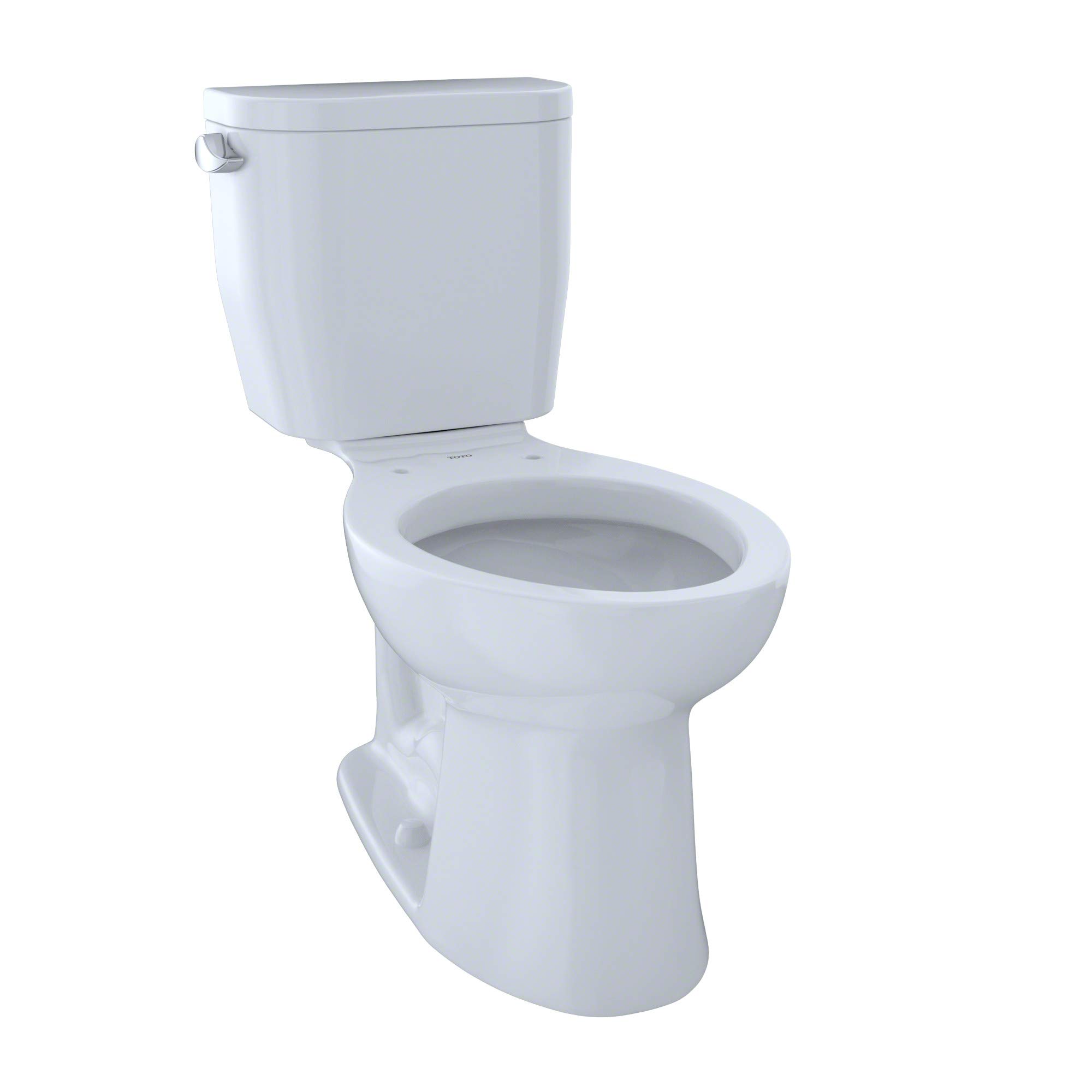
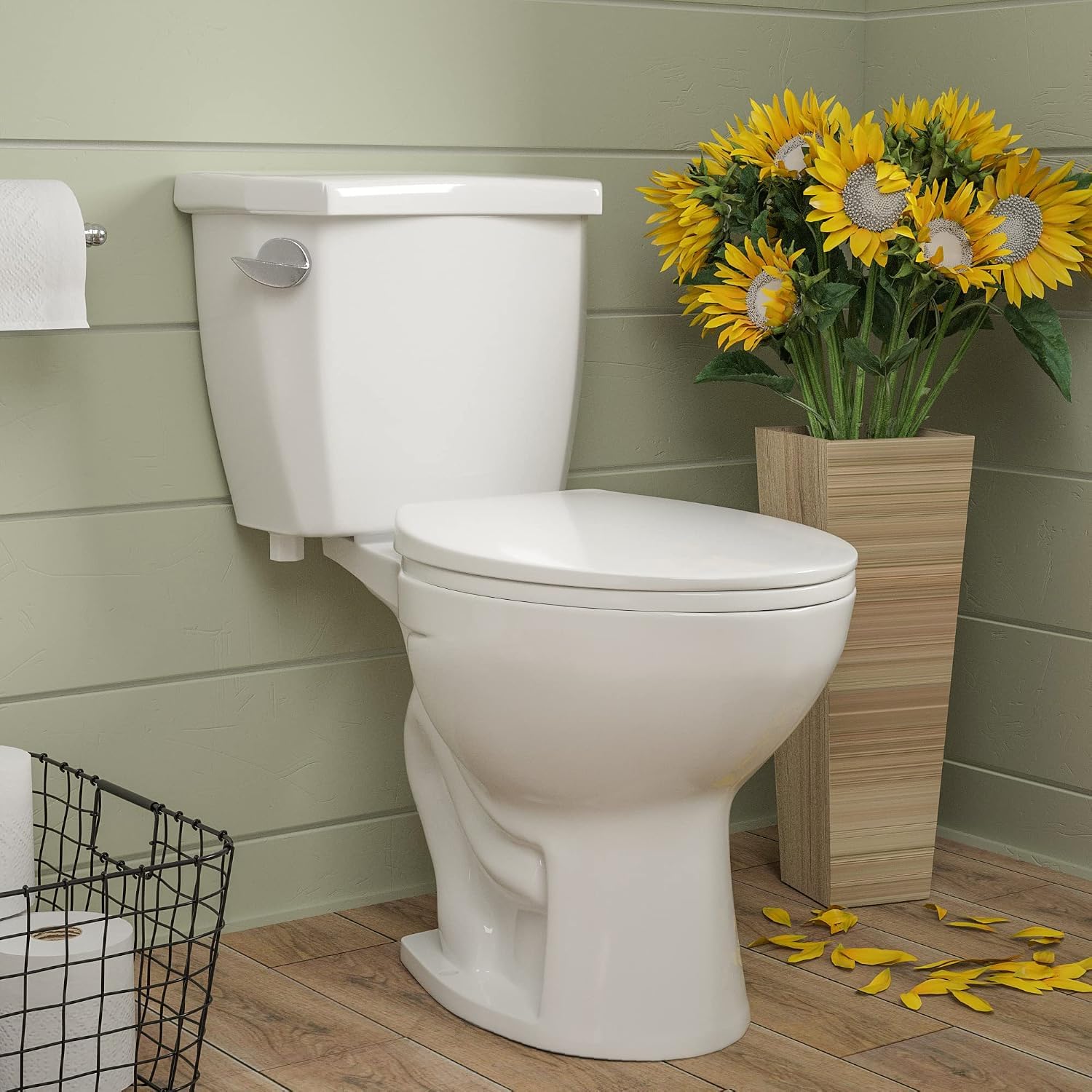
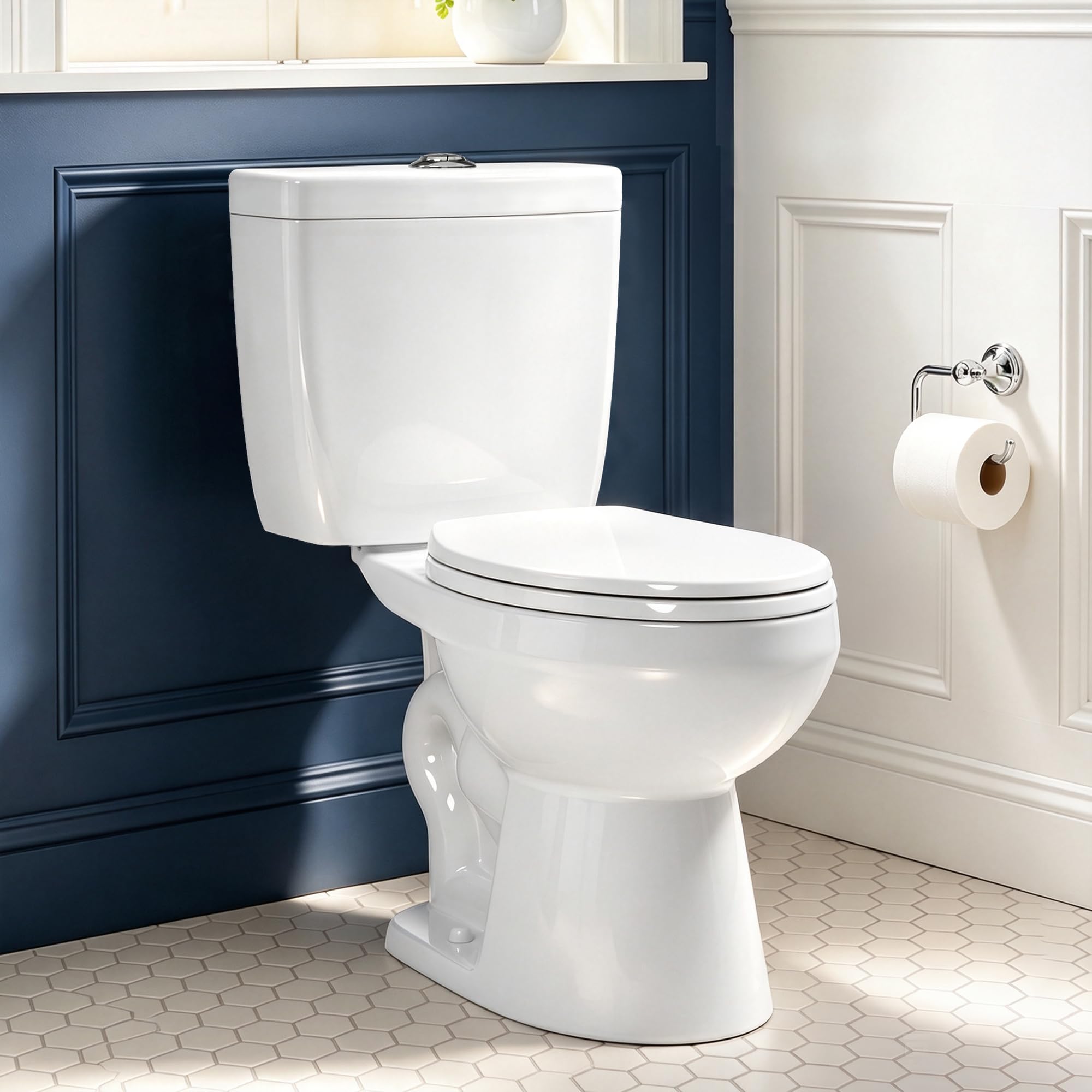
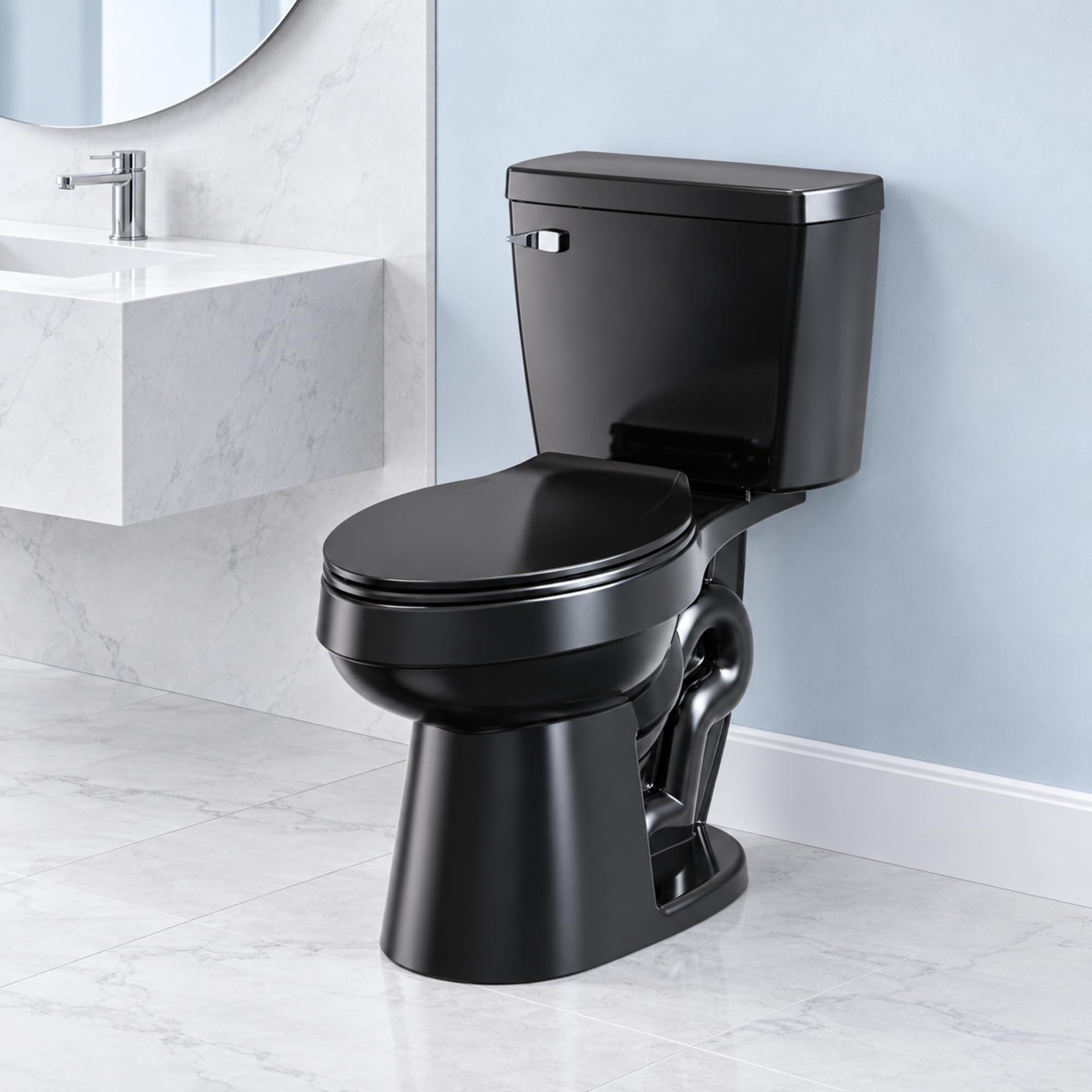
A basic toilet is the right call when you want a bathroom that simply works, without paying for extras you will never use. Shoppers comparing best basic toilets usually care about three things: a flush that clears the bowl in one pass, parts that any hardware store stocks, and a price that leaves room in the remodel budget. This guide walks through the price bands, the specs, and the fit checks that matter most. The product table above gathers current options so you can scan them quickly.
Going simple is a design choice, not a compromise. A plain toilet trades powered flushing, heated seats, and skirted sides for a short parts list, and that short list is exactly what makes the toilet cheap to own for years.



Price Bands for a Plain and Simple Toilet
Stated plainly, a basic toilet trades a long feature list for a short parts list, and every part on that list is cheap and shared across many makers, so a repair rarely waits on a special order. Price bands in this class mostly buy bowl shape, seat quality, and finish rather than new flushing technology.
Entry Band: Under About $150
The entry band covers two piece toilets with a round bowl, a gravity flush, and a plastic seat that is sometimes sold separately. These are the workhorses of rental units and first bathrooms. Nothing here is fancy, but the flapper, fill valve, and flush lever are standard sizes, so a full internal refresh costs very little and takes basic hand tools.
Middle Band: About $150 to $300
Spending more usually buys an elongated bowl, a taller rim, and a quieter fill valve, plus a seat included in the box. Glazing inside the trapway tends to be smoother in this band, which helps waste move through with less residue left behind. For a busy family bathroom, this band is where most buyers settle.
Upper Band: About $300 to $450
The upper end of basic buys one piece bodies, soft close seats, and finishes that wipe clean faster. The flushing hardware stays familiar and stocked, so you gain comfort and easier cleaning without giving up the cheap parts advantage. Choose this band when the toilet sits in a guest bathroom where looks matter more.
How to Choose: A Buying Guide
Star charts and ranked lists can help you build a shortlist, and reading how best ranked toilets lists are put together shows what those scores reward, but the label on the box tells you more about daily use than any score. Work through the factors below in order and the right choice usually becomes obvious.
Construction and Bowl Material
Nearly every basic toilet is made of vitreous china, a glazed ceramic that resists stains and holds up for decades. What varies is the glazing inside the trapway, the channel that carries waste out of the bowl. A fully glazed trapway reduces buildup and keeps the flush effective over time. Check that the glaze covers the whole water path, not just the visible bowl surface.
Flush Power and Water Use
Flush ratings are the clearest numbers in this class. A toilet rated at 1.28 gallons per flush meets the WaterSense standard and uses about twenty percent less water than the older 1.6 gallon class, while still clearing the bowl when the trapway and rim jets are well designed. If your home has older drain lines with a gentle slope, ask about flush performance ratings rather than chasing the lowest water number alone.
Size and Rough In Fit
The rough in is the distance from the finished wall to the center of the floor drain, and the standard rough in of about 12 inches governs whether a toilet installs without moving plumbing. Measure from the wall itself, not the baseboard, to the bolts that hold your current toilet down. Most basic toilets are built for 12 inches, with 10 inch and 14 inch versions made for unusual bathrooms.
Bowl Height and Shape
Height shapes daily comfort more than any other choice. A standard rim sits about 15 inches from the floor, while a comfort height rim sits about 17 to 19 inches, closer to chair height, which many adults and older users find easier for sitting down and standing up. Round bowls save space in small bathrooms, while elongated bowls give more seat room and need about two extra inches of depth.
Seat, Lid, and Everyday Comfort
Seats are easy to overlook because they are cheap to replace later. Plastic seats are light and simple to clean, while molded wood seats feel warmer and sturdier but weigh more. A slow close hinge prevents slamming, a genuine kindness in a house with kids or light sleepers. Match the seat shape to the bowl shape, since a round seat on an elongated bowl never sits correctly.
Parts, Durability, and Care
The parts that wear out are the flapper, the fill valve, and the supply line, and on a basic toilet all three are universal sizes. When you shop for best basic toilets with ownership costs in mind, favor standard internals over any design that needs a maker specific canister or tower. A five minute flapper swap once every few years is the normal upkeep for this class.
Types of Basic Toilets
Basic toilets come in a few body styles, and the style affects price, cleaning, and how much floor space the toilet needs.
Two Piece Toilets
The tank bolts onto the bowl during installation, which makes the toilet lighter to carry and cheaper to ship. If a tank ever cracks, you can replace it alone. The seam between tank and bowl needs a wipe during cleaning, a small trade most owners accept.
One Piece Toilets
Tank and bowl are cast as a single unit, so there is no seam to trap grime and no tank bolts to leak. They weigh more and cost more, and a crack means replacing the whole unit. They suit buyers who value fast cleaning over the lowest price.
Round Bowl Toilets
A round bowl projects less into the room, which helps in powder rooms and small rental bathrooms. The seat is a little shorter front to back, so taller adults may find it snug. Measure your available depth before choosing, especially if a door swings toward the toilet.
Elongated Bowl Toilets
An elongated bowl adds roughly two inches of length and gives a roomier seat that most adults prefer. It is the default shape in the middle and upper price bands. Confirm the extra depth still leaves comfortable knee room in front of the bowl.
Setup and Care Tips
Set the toilet on a new wax ring, press it straight down onto the flange, and snug the floor bolts evenly without overtightening, since porcelain cracks under uneven pressure. Gentle cleaners protect the glaze over the years, and our notes on best for cleaning toilets cover which cleaners are safe on porcelain and which ones slowly dull the finish.
Paper choice matters more than most people expect. Soft, fast dissolving rolls, the kind sold as best toilet paper, break down quickly in the drain line and reduce strain on older pipes. Pair gentle paper with moderate use and a basic toilet will rarely trouble your plumbing.
Keep two tools within reach of every bathroom. A flange plunger, the style grouped under best toilet plungers, seals against a toilet drain far better than a flat sink plunger, and a stiff brush like the ones listed under best toilet brushes handles weekly scrubbing without scratching the glaze. Together they solve nearly every small problem this toilet class presents.
Basic Toilet Questions Answered
How many years does a basic toilet usually last?
A basic toilet body often lasts thirty years or more because vitreous china does not wear out in normal use. The parts inside the tank are the real lifespan limit, and flappers and fill valves typically need replacing every four to seven years depending on water quality. Homes with hard water or heavy chlorine may see rubber parts soften sooner. Replacing soft parts on schedule keeps an old toilet flushing like new.
Is a 1.28 gallon flush enough for a family bathroom?
Yes, a well designed 1.28 gallon flush handles a busy family bathroom without trouble. Clearing power comes from the bowl design, the rim jets, and the glazed trapway working together, not from water volume alone. Problems usually trace back to a worn flapper that leaks tank water or a partially clogged rim jet. If a newer low flow toilet struggles, check those two items before blaming the rating.
Can a homeowner install a basic toilet without a plumber?
Many homeowners install a basic toilet in about an hour with a wrench, a putty knife, and a new wax ring. The heavy steps are lifting the old unit, scraping the old ring from the flange, and setting the new toilet straight down without rocking it. Shut off the water and drain the tank first. If the flange sits below floor level or looks cracked, call a plumber, because a poor seal leaks slowly and damages the floor.
What is the difference between a wax ring and a silicone ring for a toilet?
A wax ring is the traditional seal and conforms well to uneven flanges, but it is single use and messy to remove. A silicone or rubber ring can be repositioned during the set and reused if you pull the toilet later for floor work. Wax costs less and has the longer track record. Either type works when the flange height is right, and flange height matters more than ring material.
Why does a toilet keep running after the flush ends?
A toilet that runs on and off between flushes almost always has a leaking flapper that lets tank water slip into the bowl, so the fill valve tops the tank up again and again. A toilet that never stops running may have a fill valve set too high, sending water down the overflow tube. Both fixes are cheap and need no special tools. Put food coloring in the tank to confirm a silent leak before buying parts.
Final Thoughts
A good basic toilet comes down to three checks: the rough in matches your bathroom, the flush rating suits your drain lines, and the bowl height fits the people using it. Keep the product table above open while you measure, and favor standard internals so future repairs stay cheap and simple. Chosen that way, best basic toilets deliver years of uneventful service, which is exactly what a toilet is for.