
The Best Basic Thermostat: Buying Guide for 2026
Disclosure: We may earn a commission when you buy through links on this page, at no extra cost to you. As an Amazon Associate I earn from qualifying purchases. Learn more

Wiring compatibility, simple scheduling and a clear display keep a basic thermostat easy to use every day. Check your system before you choose.
The best basic thermostat models are refreshing, because the goal is simple control without apps, subscriptions, or learning curves. A basic thermostat should set temperature reliably, show the current setting clearly, and work with your heating and cooling system without fuss. This guide explains compatibility, controls, and features worth paying for, and features you can safely skip. The product table above shows current options side by side.
Compatibility comes first. Heating systems vary, from forced air furnaces and heat pumps to boilers and electric baseboards, and not every thermostat suits every system. Wiring matters too, since some models need a common wire for power while others run on batteries. Check your current wiring and system type before choosing, because a beautiful thermostat that cannot control your system is no bargain.
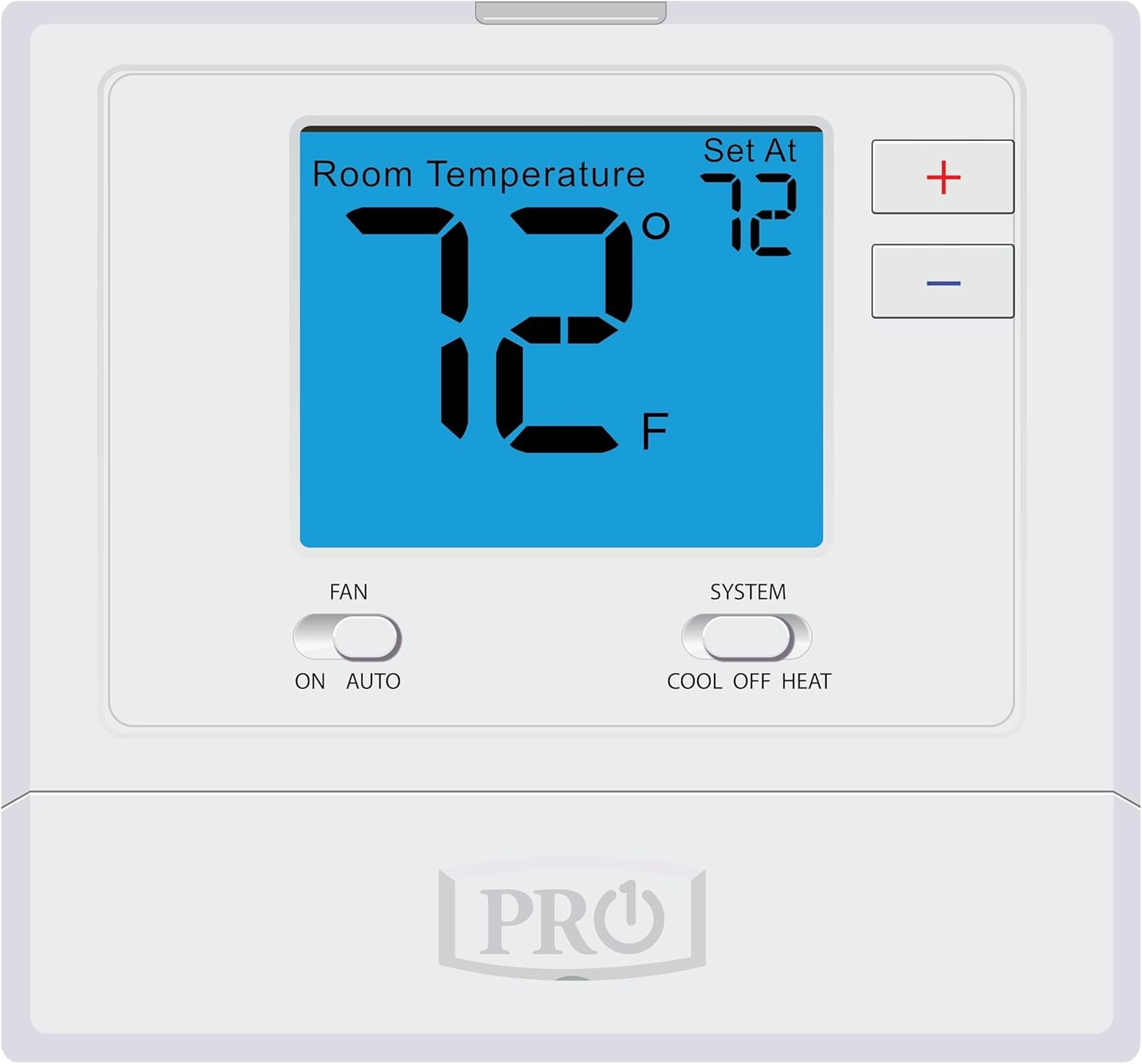
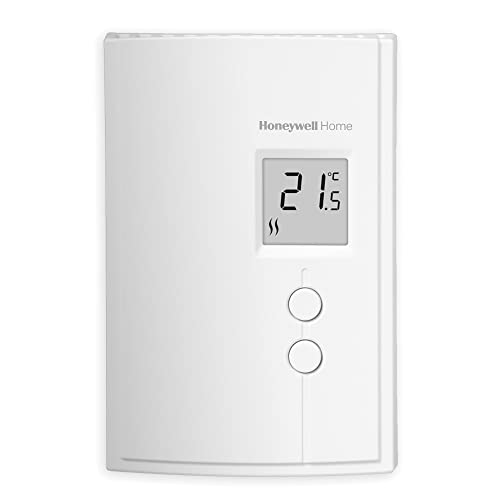


Thermostat Basics in Plain Language
A basic thermostat senses room temperature and signals your heating or cooling system to run until the set temperature is reached. Non programmable models hold one temperature until you change it, which suits households with steady routines. Programmable models let you set different temperatures by time of day, saving energy when the house is empty or everyone is asleep. Manual models use dials or simple buttons, while digital models show exact temperatures on a clear display.
Heat pump systems need special care, since they use auxiliary heat in cold weather and can waste energy if cycled incorrectly. Boiler systems and electric baseboards have their own wiring and control needs. If your system uses two stage heating, a heat pump with emergency heat, or zoned controls, confirm compatibility in the manual or with a heating professional before buying, even for a basic model.
Key Features Explained
Wiring and Power
Before buying, turn off power to the system and photograph the existing wiring, noting each wire label. A common wire, often labeled C, powers many digital models continuously, while battery models avoid that need but require battery changes. If your wiring lacks a common wire, choose a battery model or ask a professional about adding one, rather than forcing a fit. Never work on wiring with power on, and call a professional if labels are unclear or wires look damaged.
Display and Controls
A clear display matters more than it sounds, especially for older users or dim hallways. Large digits, good contrast, and simple up and down controls reduce mistakes and frustration. Backlit displays help at night, while a simple hold button lets you override a schedule without reprogramming. Avoid models with tiny menus or hidden settings if the thermostat will be used by several household members with different comfort with technology.
Scheduling and Accuracy
Scheduling saves energy only if it matches real life. A simple weekday and weekend schedule suits most households, while seven day programming helps shift workers and variable routines. Temperature accuracy matters too: a sensor placed near a draft, direct sun, or a heat source will misread the room and cycle the system poorly. Place the thermostat on an interior wall away from vents, windows, and appliances for the truest readings.
Who Should Buy Which Type
Non programmable models suit households with steady temperatures, rental properties, and users who prefer one simple setting. Programmable models suit workers and families with regular away hours, since setbacks save energy without daily adjustment. Battery models suit older wiring without a common wire, while wired digital models suit households that dislike battery changes.
Smart style thermostats add connected features, so compare them when you want remote control beyond basic scheduling. See our guide to best smart thermostat for more detail.
Intelligent models learn routines and adjust automatically, which suits households that prefer hands off control. See our guide to best intelligent thermostat for more detail.
Setback focused models emphasize energy saving schedules, which can help if away hours are regular and predictable. See our guide to best setback thermostat for more detail.
Mistakes to Avoid
A common mistake is buying for looks without checking system compatibility, which leads to returns or costly rewiring. Another is placing the thermostat poorly, near a draft or sunny window, which causes short cycling and uneven comfort. Skipping the wiring photograph before removal is also risky, since restoring old connections from memory invites errors.
Electrical safety matters throughout. Always switch off power at the breaker before touching thermostat wiring, and call a qualified professional for unfamiliar systems, damaged wires, or missing labels. A basic thermostat should simplify life, not create a wiring puzzle. If installation feels uncertain at any point, professional help is cheaper than a damaged control board or an unsafe connection.
Care and Everyday Use
Keep the thermostat clean and free of dust around vents and sensors, since dust can affect readings. Replace batteries on schedule for battery models, and note the date so a dead battery never leaves heating off on a cold night. Review schedules seasonally, since routines change with school terms, work patterns, and daylight.
If temperatures feel uneven, check sensor placement and system filters before blaming the thermostat. Dirty filters restrict airflow and make any control work harder. A simple annual system check, plus a thermostat that matches your system and routine, keeps heating comfortable and energy use sensible year after year.
A Final Check Before You Order
Check your system type and wiring before you buy, since furnaces, heat pumps, boilers, and electric baseboards each have different control needs. A model that suits a forced air furnace may not suit a heat pump with emergency heat, even when the wiring looks similar. Confirm compatibility in the manual or with a heating professional when your system has staging, zoning, or auxiliary heat.
After installation, run heating and cooling through a full cycle and review the schedule after the first week of real use. Routines rarely match first guesses, so adjust setback times to actual away hours. Review the schedule again when seasons change, and check the system filter at the same time, because restricted airflow makes any control work harder.
Frequently Asked Questions
Do I need a common wire?
A common wire provides continuous power for many digital thermostats. Battery models can run without one, though batteries need replacing. If your wiring lacks a common wire and you prefer a wired digital model, a heating professional can advise whether adding one is feasible. Photograph existing wiring and check the new model manual before buying, since compatibility varies by system and model.
Programmable or non programmable: which is better?
Non programmable models suit steady routines and users who prefer one setting. Programmable models save energy when the house is empty or occupants sleep, provided the schedule matches real life. A schedule nobody uses saves nothing, so choose the simplest control you will actually use. For variable routines, a seven day program offers more flexibility than a single weekday and weekend pattern.
Where should a thermostat be placed?
Place a thermostat on an interior wall, away from drafts, direct sun, vents, fireplaces, and heat producing appliances. Poor placement causes false readings, short cycling, and uneven comfort. Avoid hallways that stay much cooler or warmer than living rooms. If relocation is needed, a professional can advise on wiring and placement that gives truer room readings.
Can I install a basic thermostat myself?
Many basic models suit confident DIY installers with clear wiring labels and a matching system. Always switch off power at the breaker first, photograph wiring, and follow the manual exactly. Call a professional for heat pumps, zoned systems, unclear labels, damaged wires, or any doubt. Professional installation costs less than repairing a control board damaged by incorrect wiring.
Why does my heating cycle on and off often?
Short cycling can come from poor thermostat placement, a dirty filter, an oversized system, or incorrect settings. Check placement away from drafts and sun, replace filters, and review cycle settings in the manual. If short cycling persists, a heating professional can check system sizing and controls. Persistent short cycling wastes energy and wears equipment, so early checks are worthwhile.
Final Thoughts
A good basic thermostat matches your system, shows temperature clearly, and offers only the scheduling you will actually use. The product table above compares the main types, and the sections here explain compatibility and placement in practical terms. Photograph your wiring, check your system type, and keep installation safe.
With that care, best basic thermostat models can deliver steady comfort and sensible energy use for years, without complexity. Simple control, well chosen, is often the smartest choice of all.


