
Best Basic Elliptical: A Buying Guide for 2026
Disclosure: We may earn a commission when you buy through links on this page, at no extra cost to you. As an Amazon Associate I earn from qualifying purchases. Learn more

A buying guide to the best basic elliptical for your home, covering stride length, resistance, footprint, ceiling height, noise, and setup checks.
An elliptical gives you a full body, joint friendly workout at home, but basic models vary a lot in stride feel, stability, and noise. Buy the wrong one and it wobbles, squeaks, or gathers dust in a corner. This guide to the best basic elliptical walks you through the measurements and features that decide whether a machine fits your body, your room, and your routine.
The product table above lists current options side by side. Below it, you will find three buying profiles, a full feature checklist, the main machine types, and practical setup advice.


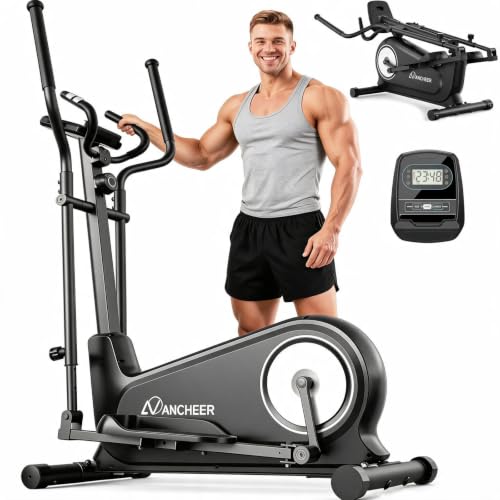
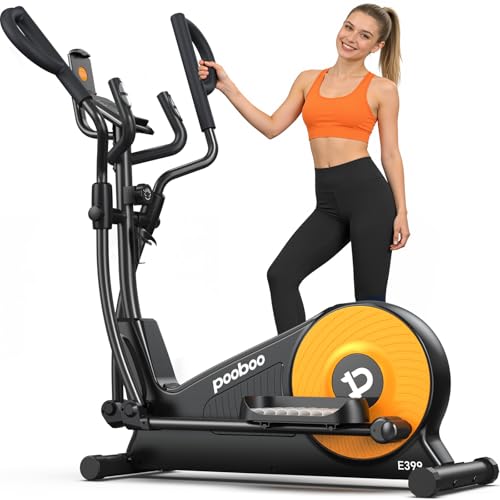


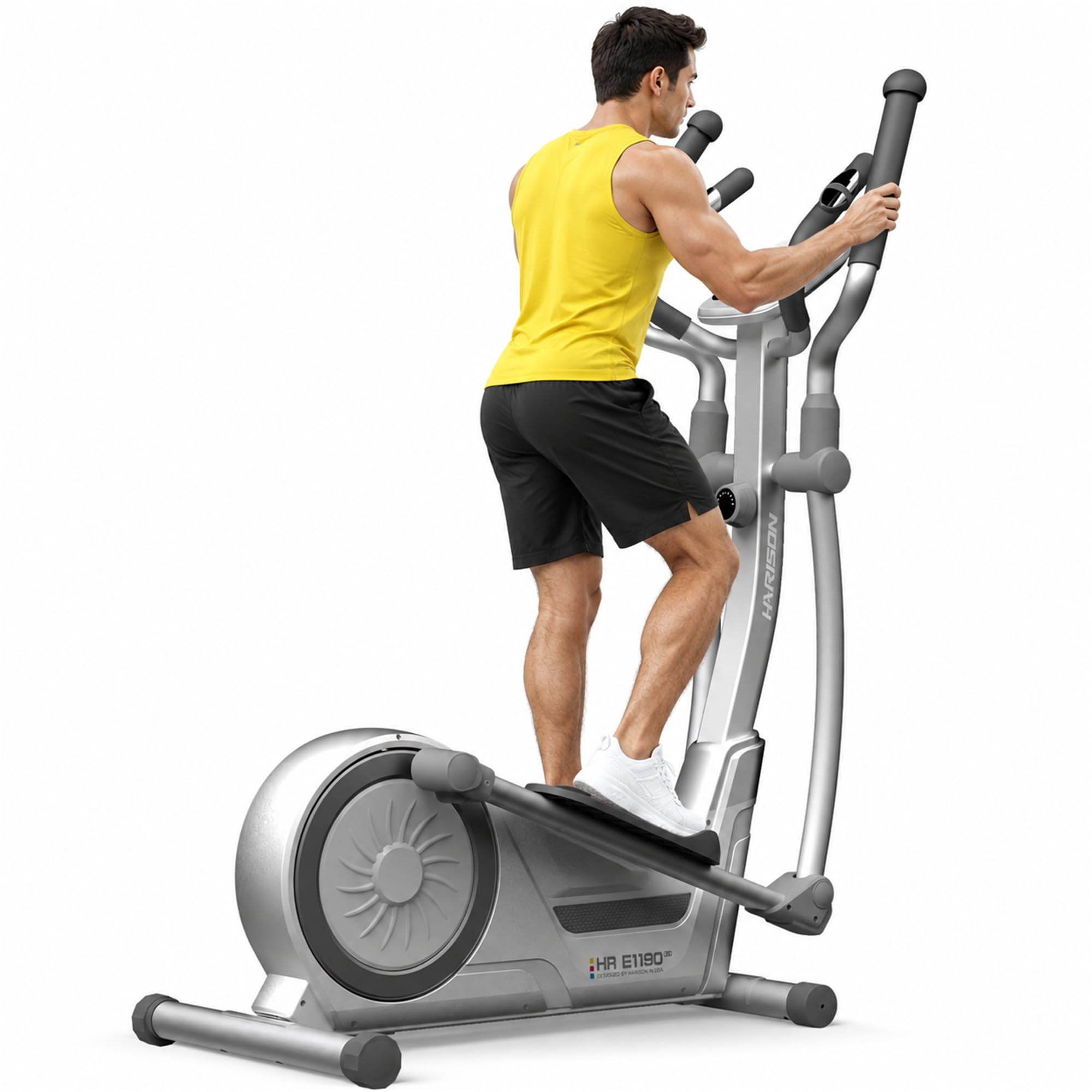
Three Buying Profiles: What to Look For Instead of a Brand Name
The Balanced Checklist
A well rounded basic elliptical pairs a steel frame with magnetic resistance, a stride around 18 to 20 inches, and a weight capacity comfortably above the heaviest user in the house. Expect to pay around $400 to $800 for this balance of stability and features. The console should track time, distance, and heart rate without forcing a subscription. The trade off at this level is size: stable machines are long and heavy, so measure your room first and accept that this is furniture, not a gadget you tuck away daily.
Where to Save Safely
Value machines, often around $250 to $450, save money on the console, not on the frame. A simple display, fewer preset programs, and manual or basic motorized resistance adjustment are fair compromises. What you should not accept is a low weight capacity, a very short stride, or a frame that flexes when you pedal hard. A smaller flywheel is another common saving; it makes the motion slightly less smooth at high resistance, which most casual users tolerate well in exchange for the lower price.
The Starter Checklist for Beginners
Beginners do best with a machine that feels inviting on day one: a low step up height, wide pedals with a textured surface, and resistance that starts genuinely easy. Moving handlebars help you add upper body work gradually, while fixed handles give nervous starters something steady to hold. Look for a clear, simple console you can read at a glance. Assembly matters too, because a beginner who faces a four hour build may never start; favor models known for clear manuals and mostly preassembled frames.
How to Choose the Best Basic Ellipticals: Buying Guide
Space, Footprint, and Ceiling Height
Most basic ellipticals occupy about 5 to 6 feet of floor length and about 2 feet of width, and you need clear space behind the pedals for safe mounting. Ceiling height is the measurement buyers forget: add your height to the pedal height at its peak, commonly about 12 to 18 inches, to find your minimum ceiling. A tall user in a low basement can feel cramped fast. Foldable models shorten the footprint for storage, but check the folded height too, since some still stand tall against a wall.
Stride Length, Range of Motion, and Ergonomics
Stride length shapes how natural the motion feels. Riders under about 5 feet 4 inches often manage a 16 to 18 inch stride, most adults feel best at 18 to 20 inches, and tall users may want 20 inches or more. A stride that is too short forces a choppy, bouncing gait that tires your hips. Pedal spacing matters as well: narrow spacing keeps your feet closer to hip width and feels kinder to knees and hips during longer sessions.
Assembly and Portability
Plan on one to three hours of assembly with a second person for the heavy frame pieces, and confirm whether tools are included. Transport wheels on the front make a real difference in apartments, letting you roll the machine to a wall after workouts. Check the total weight as well: heavier machines, often 100 lb or more, feel steadier under hard effort but are harder to move up stairs on delivery day. Decide where it will live before it arrives, not after.
Console, Programs, and App Connectivity
A basic console should show time, distance, speed, calories, and pulse from handlebar sensors. Preset programs that change resistance automatically keep workouts varied without any planning. Bluetooth connectivity lets the machine send data to fitness apps on your phone, which some riders love for tracking streaks. Just confirm the core workouts work without a paid app, because a growing number of brands lock programs behind memberships. The best basic elliptical for most homes is one whose console stays fully useful if you never subscribe to anything.
Noise Level for Apartments
Magnetic resistance is the quiet option, producing little more than a soft hum, while cheaper friction systems can squeak as pads wear. Most noise complaints actually come from vibration through the floor, not the machine itself. A dense exercise mat under the frame absorbs much of that thump and protects the floor at the same time. If you plan early morning workouts above a neighbor, test the machine at your hardest comfortable resistance, since noise rises with effort and speed.
Resistance Type and Range
Magnetic resistance is the standard to look for: it is smooth, quiet, and needs almost no maintenance because nothing touches the flywheel. Look for at least 8 to 16 levels so you can progress gradually from easy recovery rides to harder intervals. Manual knob adjustment keeps prices low and works fine, while motorized adjustment from the console feels smoother mid workout. Air and hydraulic systems appear on some budget machines, but they tend to feel uneven and wear faster, so treat them as starter compromises.
Types of Basic Ellipticals
Smart Connected Models
Connected models add a larger screen or tablet holder, Bluetooth data sharing, and guided workout libraries. They suit riders who stay motivated with coaching and progress charts. The costs are a higher price and possible subscription fees, so weigh those against how often you truly open fitness apps.
Compact and Foldable Models
Compact and foldable models shorten the rail or fold the frame upright to fit small rooms and closets. They suit apartment dwellers who must reclaim floor space daily. Expect a shorter stride and a lower weight capacity as the trade off, and test stability carefully, because lighter frames can rock during fast intervals.
Budget Starter Models
Budget starter models keep the essentials: a steel frame, magnetic resistance, and a simple console, at prices often under $300. They suit new exercisers testing whether the habit sticks before spending more. Limits include basic displays, fewer resistance levels, and shorter warranties, but a well chosen starter can serve for years of moderate use.
Commercial Grade Models
Commercial grade models are built for gyms, with heavy frames, high weight capacities, and parts rated for many users a day. They suit households where several people train hard or a very heavy user needs extra capacity. Prices climb well past basic territory, and the machines are large and hard to move, so most home buyers gain little from this class.
Setup and Care Tips
- Place a dense mat under the machine to protect floors, reduce vibration, and make the ride feel more stable.
- Wipe down the frame, handles, and pedals after each workout, because sweat corrodes metal and makes pedals slippery.
- Check and tighten bolts monthly, since the rocking motion of an elliptical slowly loosens hardware.
- Start with lower resistance and build gradually over weeks, which protects joints and helps the habit stick.
- Keep the area behind the pedals clear, and supervise children around the machine, since moving arms and pedals can pinch.
One safety note matters for every rider. Stop your workout and seek medical advice if you feel chest pain, sharp joint pain, dizziness, or unusual shortness of breath. If you live with a heart condition, joint problems, or balance issues, talk with your doctor before starting an elliptical routine, and agree on a safe intensity range together.
Basic Ellipticals: Your Questions Answered
How long does a basic elliptical last?
A basic elliptical typically lasts five to ten years with regular home use. The frame rarely fails; wear shows first in pedal bushings, resistance cables on manual models, and console batteries. A small habit extends life a lot: keep a simple log of squeaks and looseness, and fix small noises within a week, because a loose joint left alone grinds itself worse. Machines stored in damp garages age faster than machines kept in dry rooms.
Which basic elliptical style is better for beginners?
A mid size magnetic model with a stride near 18 inches is the friendliest starting point for most beginners. It feels stable, starts at very low resistance, and leaves room to grow. Beginners with knee or hip sensitivity should pay special attention to narrow pedal spacing, which keeps leg alignment natural. Our guide to the best elliptical for seniors adds useful low impact and balance advice that new riders of any age can borrow.
How much space does a basic elliptical need?
Plan a floor area of roughly 6 feet by 3 feet, plus about 2 feet of clear space behind the machine for stepping on and off safely. Delivery space matters too: check the box dimensions against your doorways and stair turns before ordering, because returns of large fitness gear are costly and slow. If space is tight, compare the footprint figures in our guide to the best elliptical equipment to see how models differ.
Is a basic elliptical quiet enough for an apartment?
Yes, a magnetic basic elliptical is quiet enough for most apartments, especially on a mat over carpet or a rug. The bigger risk is impact vibration traveling through joists during fast, heavy efforts. Scheduling hard intervals for daytime hours and placing the machine against an exterior or load bearing wall both reduce what neighbors hear. If your building has thin floors, a ground floor or basement spot is the safest choice.
Does a basic elliptical require a subscription?
No, a basic elliptical does not require a subscription to function. Resistance, preset programs, and the core display all work on their own. Subscriptions only unlock extras such as streamed classes, scenic routes, and detailed training plans on connected models. Before buying a connected machine, confirm in writing which features remain free, because a few brands place even basic program variety behind a paywall after a trial period ends.
Wrapping Up
Measure your room and ceiling, match stride length to your height, and choose magnetic resistance with a frame rated above your weight. Those three checks matter more than screen size or program counts. Compare your finalists in the product table above, and you will find the best basic elliptical that earns its floor space. For wider comparisons across price levels, see our guide to the best rated elliptical models, and if you have health concerns, talk with your clinician about the routine that fits your personal needs.


