Best Baseball Card Sets to Collect by Budget: Smart Guide for 2026
Disclosure: We may earn a commission when you buy through links on this page, at no extra cost to you. As an Amazon Associate I earn from qualifying purchases. Learn more

Collecting on any budget: how to judge the best baseball card sets to collect by condition, completeness, and cost of care.
Baseball card sets span a huge price range, from a single affordable box to complete vintage sets that cost more than a car. Spending more does not always get you a better collection, because value depends on your goal, the era you enjoy, and how well the cards were kept. This guide to the best baseball card sets to collect shows what each budget level realistically delivers.
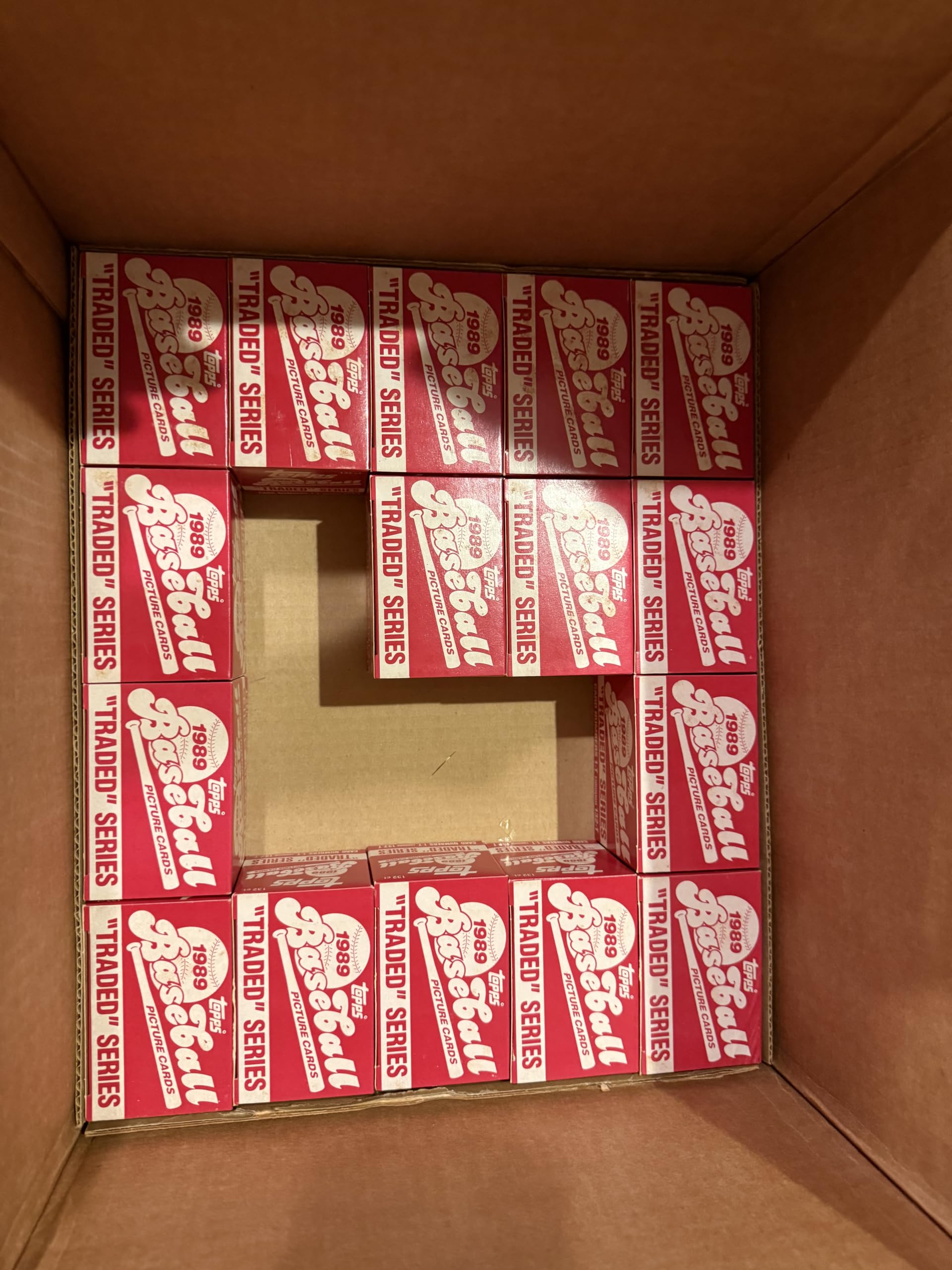
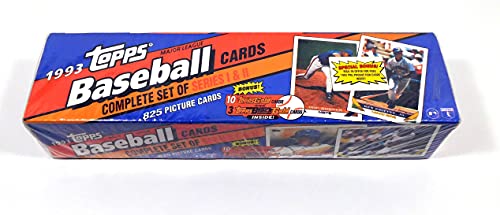
You will learn which features deserve your money, which extras you can skip, and how storage and supplies change the true cost. Use the comparison table below to see current options side by side before you read the tier guidance that follows.




Budget Tiers at a Glance
Instead of chasing a single famous set, start by matching a tier to the way you actually collect. The three groups below describe what buyers at each level should expect in card quality, completeness, and enjoyment, so you can set a budget that fits your goal from the start.
Best Budget Tier Fit
Budget sets suit new collectors who want the fun of opening packs, sorting a base set, and learning player history without financial pressure. Expect recent base sets, partial vintage sets, and smaller factory sets with common cards in decent condition. You give up rare inserts, autographs, and sharp corners on older cards, but you gain volume and variety. This tier is ideal for building knowledge, trading with friends, and deciding which era or team focus excites you most before you spend serious money later.
Best Mid Range Tier Fit
Mid range sets are the sweet spot for collectors who want a complete, attractive set they can keep for years. At this level you can target full base sets with strong centering, a few notable rookie cards, and older sets in honest mid grade condition. You still skip most autographed and very low numbered parallels, yet the cards look great in a binder and hold interest over time. This tier fits set builders, team collectors, and gift buyers who want quality without entering auction level pricing.
Best Premium Tier Fit
Premium sets suit focused collectors who already know their era, team, or player and want condition and scarcity to match. Expect high grade vintage sets, limited modern releases with strong checklists, and sets with documented provenance from careful owners. Prices rise steeply because condition, grading, and low supply all stack together, so patience and research matter more here. Buy at this level only when you have secure storage, a clear resale understanding, and a budget that treats the purchase as a long term hobby commitment.
What Your Money Gets You at Each Price Tier
The product table above gives a quick snapshot, but price alone hides big differences in completeness and condition. A cheap incomplete set can cost more to finish than a complete set bought once, so read each tier by what it includes, not only by the sticker price.
Budget Tier: What to Expect
For around $25 to $100 you can usually buy recent factory sets, starter lots, and partial sets from less popular years. Cards are often ungraded and condition varies, so ask for clear photos of corners and surfaces before you buy older material. Completeness matters most at this level, because chasing missing singles one by one adds shipping costs fast. Choose sets with a published checklist so you can confirm every card is present, and favor sellers who describe flaws honestly rather than using vague praise.
Mid Range Tier: The Sweet Spot for Most Buyers
For about $100 to $500 you move into complete sets with better condition, stronger rookie content, and more attractive designs from respected years. Many collectors find this range delivers the best balance of pride of ownership and sensible spending. You can also afford proper binders, pages, and sleeves within the same overall budget, which protects your purchase. If you also shop complete releases, see our guide to the best baseball card sets to buy for a related look at set buying basics.
Premium Tier: When Spending More Pays Off
Above about $500, and often well above it, you pay for scarcity, high grade condition, and historic importance rather than card count. Spending more pays off when the set is genuinely hard to replace, the key cards are verified authentic, and condition claims are backed by grading or a trusted seller record. It does not pay off for rushed auction bidding or for modern sets bought at release week hype prices. Set a firm ceiling before you bid, and walk away when emotion starts setting the price.
Features Worth Paying For (and Ones to Skip)
Some features protect value and enjoyment for decades, while others only raise the price on the day you buy. The four areas below help you sort a listing quickly and decide where an upgrade is truly worth paying for.
Intended Use and Who It Is For
Your intended use decides everything else. A set bought for family sorting nights and binder browsing needs completeness and clean, readable cards, not graded slabs. A set bought as a long term store of value needs key cards in strong condition and easy liquidity later.
Team and player collectors can save money by choosing sets strong in their focus and ordinary elsewhere. Write your goal in one sentence before you shop, and judge every listing against that sentence instead of against what other collectors praise.
Authenticity Guarantees and Seller Support
Cards do not carry a factory warranty, so seller guarantees and platform buyer protection do that job instead. Pay for sellers who offer returns, state their grading standards, and answer questions about the key cards with extra photos. For older sets, authentication of star cards matters more than a low price, because a single altered or counterfeit key card can erase your savings.
Keep invoices and listing photos in a folder for each major purchase. That simple record helps with insurance, resale, and any dispute that appears later.
Maintenance and Long Term Costs
Maintenance costs are modest but real, and they grow with collection size. Budget for binders, archival pages, penny sleeves, and rigid holders for key cards, plus a dry storage spot away from sunlight and damp basements. Replacing poor quality pages every few years is cheaper than restoring damaged cards, which is often impossible.
If you later choose professional grading for a few star cards, treat that fee as an optional extra, not a routine cost. Good basic supplies protect far more value than most optional services.
Size, Weight, and Fit for Your Space
A complete set can run from under one hundred cards to more than seven hundred, and that difference decides how you store and enjoy it. Large sets need wide binders or storage boxes and shelf space to match, while compact factory sets fit in a drawer. Measure your shelf or cabinet before you buy several sets at once.
Weight also matters if you move often, because full storage boxes get heavy quickly. Collectors with small spaces often enjoy one focused set more than several sets stacked in a closet.
How to Choose the Best Baseball Card Sets to Collect for Your Goal
Start with era, then completeness, then condition, in that order, because era decides whether a set can make you happy at any price. Next, decide whether you enjoy the hunt of finishing a set yourself or the satisfaction of buying it complete, since both paths cost differently. Collectors who cross over from other sports can compare approaches in our guide to the best hockey card sets to collect, where set size and season structure differ in useful ways.
Best Baseball Card Sets to Collect Modern: Where Your Money Goes
Modern sets reward money spent on strong checklists, popular rookie classes, and clean base set design rather than on chasing every parallel color. Look for complete base sets first, then add one or two special subsets you truly like. Because print runs are large, condition is usually sharp, so completeness and storage quality set collections apart. If modern cards are your entry point, our guide to the best topps baseball card sets explains how flagship releases are structured year to year.
Long Term Costs to Factor In
Total ownership cost includes more than the purchase price. Add supplies, storage furniture if you need it, shipping on every order, and the time cost of sorting and cataloging large lots. Insurance is worth considering once a collection passes a value you would hate to lose, and a simple inventory list with photos supports any claim.
Resale also has costs, since marketplace fees and shipping eat into returns, so buy first for enjoyment. Collectors who also explore other card hobbies can see how costs compare in our guide to the best pokemon card sets to collect, where storage needs are similar but price drivers differ.
Baseball Card Sets to Collect: Your Questions Answered
How long do baseball card sets last if stored well?
Baseball card sets can last for many decades when stored well. Keep cards in sleeves or pages, away from sunlight, heat, and humidity, and they will hold condition for a lifetime of collecting. The biggest threats are damp storage, rubber bands, and frequent rough handling of key cards. Check your binders once a year for musty smells or sticking pages, and replace failing supplies early before they damage the cards themselves.
How much should I spend on a baseball card set to collect?
Spend an amount you can enjoy without needing the set to rise in value. Many happy collectors start around $25 to $100 for a first complete set, then move toward about $100 to $500 once they know their era. Set a yearly hobby budget and include supplies and shipping inside it. If a purchase would cause stress or require credit, it is the wrong set at the wrong time, whatever its reputation.
How do I maintain a baseball card set in good condition?
Maintain a set by handling cards by their edges, sleeving key cards, and storing everything upright in a cool, dry room. Wash and dry your hands before sorting, and never eat or drink over open binders. Use archival quality pages rather than the cheapest pages, because low grade plastic can stick or cloud over time. A quick photo inventory on your phone also helps you notice missing cards after lending or trading sessions.
What features matter most when buying baseball card sets?
Completeness, condition of the key cards, and seller honesty matter most. Confirm the set matches its published checklist, study clear photos of star cards, and read how the seller grades. Design and era fit your taste, which decides long term enjoyment more than hype does.
One often missed point is collation, meaning whether a hand built set has consistent color and wear across cards. A set that looks uniform in a binder usually came from careful original storage.
Are expensive baseball card sets worth it?
Expensive sets are worth it only when scarcity, condition, and your own interest all line up. A high price backed by graded key cards and a trusted seller can be sensible for a focused collector. The same price driven by auction excitement or release week hype usually is not.
Give yourself a waiting period of a few days before any premium purchase. If you still want that exact set at that price after waiting, the decision is far more likely to age well.
Final Thoughts
Choose by goal first, completeness second, and condition of the key cards third, and your budget will almost set itself. Budget sets teach you the hobby, mid range sets reward most collectors best, and premium sets belong to patient buyers with secure storage. Compare the options in the product table above, then pick the best baseball card sets to collect for the way you will actually enjoy them, not for someone else. A set you open, sort, and revisit often is always the right purchase.