
Best Barrel Racing Boots for 2026: A Budget to Premium Guide
Disclosure: We may earn a commission when you buy through links on this page, at no extra cost to you. As an Amazon Associate I earn from qualifying purchases. Learn more

Compare the best barrel racing boots by price tier, with clear guidance on fit, heel shape, shaft height, outsole grip and leather quality for riders.
A pair can cost about $100 or about $500, and the price tag tells you little about how it feels in the stirrup mid turn. The best barrel racing boots hold your heel down, slide into the stirrup cleanly, and stay comfortable through a long day at the grounds. This guide shows where extra money helps, so you can use the comparison table below with a budget in mind.
A monthly playday rider needs something different from a rider hauling to jackpots every week. Your foot shape, calf width, and the ground you walk between runs shape the right choice.


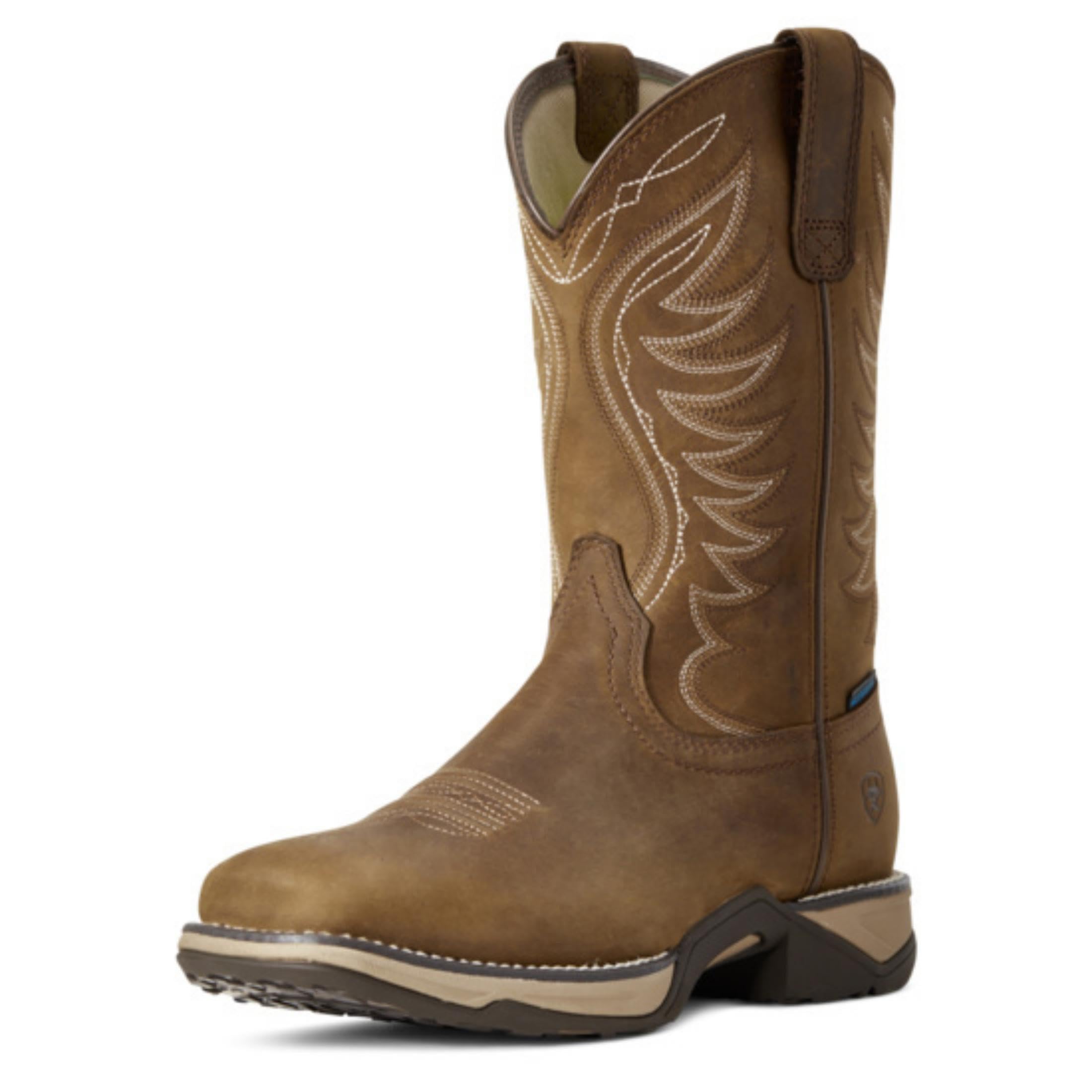
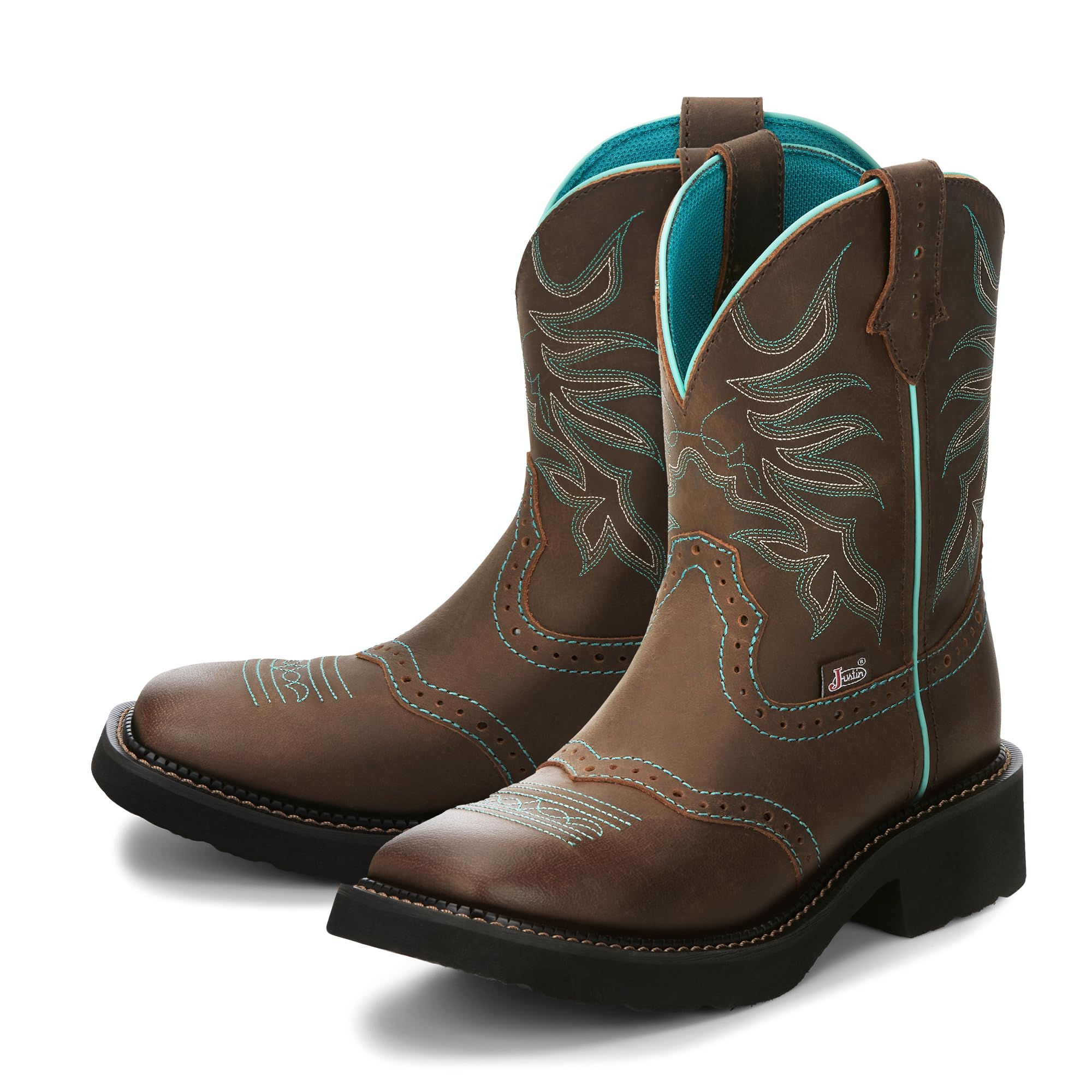

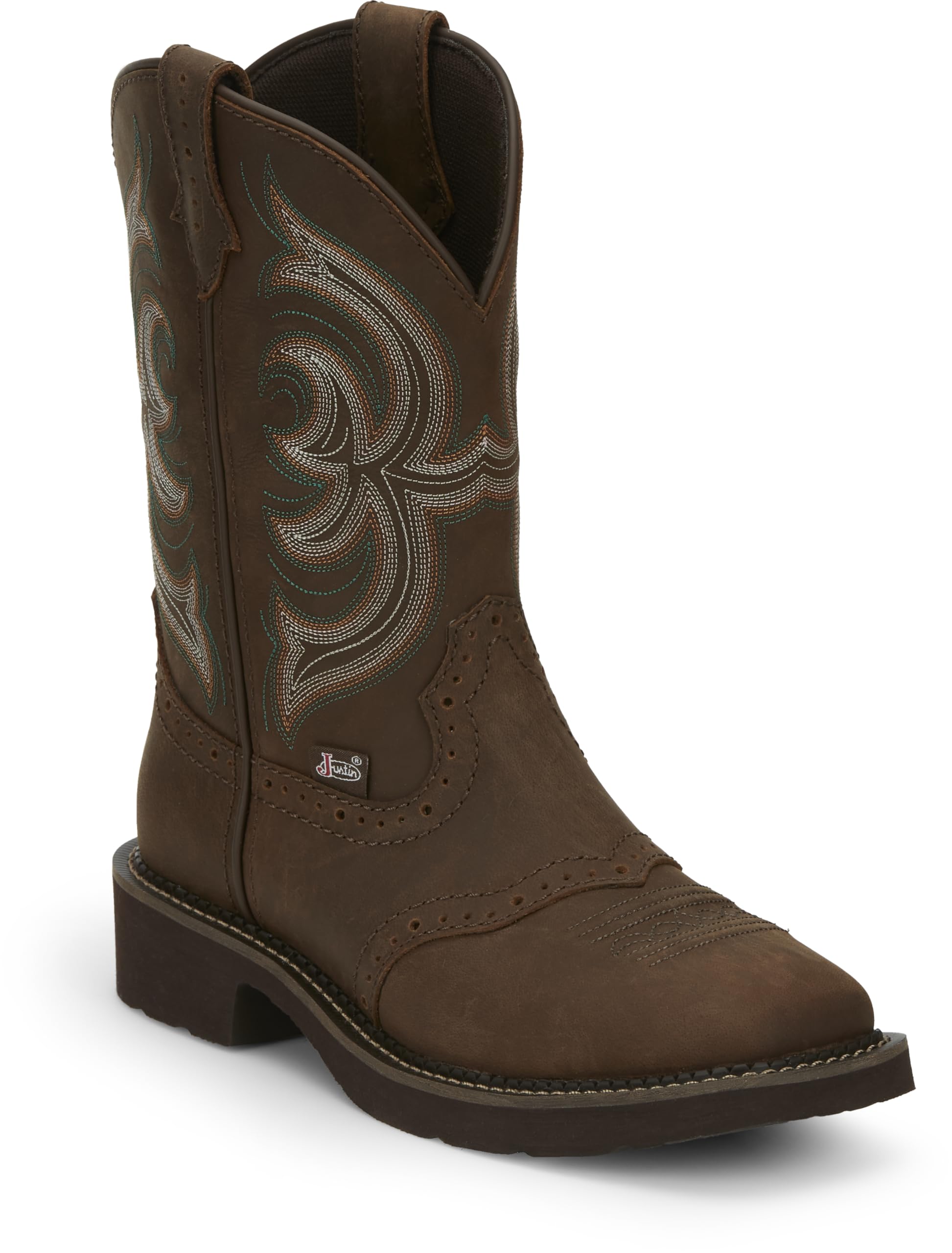


Who Should Buy Which Barrel Racing Boots?
Barrel racing boots are a western riding boot built for speed work, so the groups below are split by how often you compete. Rider boots and horse leg protection are separate purchases, so for the horse side, see our guide to the best horse boots for barrel racing.
New Racers Who Are Still Growing or Learning
You need a safe, honest boot, not the most expensive leather in the store. Look in the budget tier for a secure instep fit, a riding heel, and a toe shape that enters the stirrup without a fight. If your feet are still growing, a modest price protects you from buying the same size twice in one season.
Weekly Jackpot and Rodeo Competitors
You run often, walk arena fences, and stand on packed dirt, so support and durability drive your choice. The midrange and premium tiers repay you with firmer arch support, better cushioning, and leather that keeps its shape. A smooth outsole that releases from the stirrup matters at speed, because a hung boot in a fall is dangerous.
Riders With Wide Calves or Hard to Fit Feet
Your search starts with shape, not price. Look for brands that offer wide calf shafts and wide foot widths, because a boot that fits your foot but strangles your calf will sit in the trailer unused. A square toe gives your toes room, and a wide shaft opening lets jeans slide inside without bunching. Most wide options sit in the midrange tier and above.
Key Features to Compare
Compare these five factors for every pair, and a low price will not hide a poor fit. Most barrel racing boots are a form of western boot, so see our guide to the best cowboy boots for barrel racing for broader western styles.
Fit, Toe Shape, and Toe Box Room
A riding boot should feel snug across the instep, firm at the heel counter, and free at the toes. With no laces, the instep does the holding, so a loose instep lets your foot slide forward in the stirrup. A pointed or snip toe slips into a stirrup easily, while a square toe gives a wider, roomier toe box. Measure late in the day, when feet are largest, and aim for a thumb width of space ahead of your longest toe.
Riding Heel Height and Stability in the Stirrup
The heel stops your foot sliding through the stirrup and keeps your weight down through a turn. A roper style heel stands about 1 to 1.25 inches tall and feels steadier for walking, while a taller riding heel stands about 1.5 to 2 inches, angled to catch the stirrup edge. Stability also comes from the shank under the arch, which keeps the boot from twisting on uneven ground. Choose the lower heel if you walk a lot.
Shaft Height and Calf Fit
Most shafts stand about 11 to 13 inches tall, enough to protect your lower leg from the saddle fender and carry a spur strap above the heel. The top opening must clear your calf with your jeans tucked in, without pinching when you sit in riding position. Pull straps help you draw the boot on, and a well cut shaft stands upright instead of collapsing at your ankle. With athletic calves, check shaft circumference rather than guessing from foot size.
Outsole Material, Grip, and Weight
A traditional leather outsole slides in and out of the stirrup, but it can feel slick on wet concrete. A rubber outsole grips arena dirt and trailer ramps better, yet deep lugs can catch in the stirrup, so look for a smooth, shallow tread made for riding. Weight matters over a full day, and a lightweight boot with a flexible forefoot tires your legs less on foot.
Leather Quality, Cushioning, and Arch Support
Full grain leather molds to your foot, resists scuffs from stirrup leathers, and can be conditioned back to life, while synthetic uppers cost less and need less care. A breathable lining helps on hot race days, when a shaft can feel heavy by the finals. Inside, a cushioned insole softens packed ground, and built in arch support suits flat feet or high arches. Removable insoles let you swap in extra support.
What Each Price Tier Buys You in Barrel Racing Boots
Price tiers here are really about leather grade, construction, and size choice, and the best barrel racing boots for your budget spend money on those three things first. If your search results mix in motorsport footwear, see our guide to the best racing boots for that separate category.
Budget Tier: Sound Basics for About $100 to $180
At this level you get a correct riding shape, a synthetic or basic leather upper, and a glued sole. Fit is safe, but the insole is thin and the shaft may soften quickly with weekly use. This tier suits new racers, growing youth riders, and occasional competitors.
Midrange Tier: Better Leather and a Longer Service Life
For about $180 to $300, uppers move to real leather, insoles gain cushioning, and more widths and calf sizes appear. Stitching improves, linings feel smoother, and many pairs can be resoled, which stretches their working life. Most weekly racers land here, because the comfort gain over budget pairs shows up on long days.
Premium Tier: Finer Leather and Closer Fit Choices
Above about $300, and up to about $500, you pay for premium full grain or exotic look leathers and the widest choice of toe shapes and widths. Riding function barely differs from a good midrange pair, so the upgrade is fit precision, appearance, and leather that keeps its looks. Buy here when you compete often and know your exact size in the brand.
Common Mistakes to Avoid
These errors cost riders money and, in a few cases, safety.
- Buying boots a size large lets your foot slide forward and your heel lift out at a run.
- Choosing deep lug soles made for work can make a boot hang in the stirrup during a fall.
- Judging fit in the morning misses the swelling that makes a boot tight by an evening race.
- Paying for exotic leather before checking calf fit leaves you with a beautiful boot you cannot pull on.
- Wearing brand new boots at a jackpot invites blisters and a sore, distracted run.
- Ignoring a loose heel risks your foot slipping through the stirrup at speed.
Care and Maintenance for Barrel Racing Boots
Brush off arena dust after every use, because grit ground into the creases at the ankle works like sandpaper on leather. Wipe the uppers with a damp cloth, let the boots dry away from direct heat, and apply conditioner when the surface looks dry or pale. Boot trees keep the shaft top from folding in storage.
Long term costs stay modest. Conditioner and boot socks cost little, replacement insoles run about $20 to $40, and a resole on a leather soled pair costs about $60 to $100. Check heel caps for uneven wear, because a worn heel changes how the boot sits in the stirrup. Retire a pair when the shaft cracks or the heel feels loose.
Frequently Asked Questions About Barrel Racing Boots
How should barrel racing boots fit on race day?
Barrel racing boots should feel snug at the instep, allow your toes to lie flat, and let your heel lift only slightly as you walk. Sit on a stool with your feet in riding position before you buy, because a shaft that feels fine standing can press the back of your knee once your knees bend in the saddle.
How long is the break in period for new barrel racing boots?
The break in period for new barrel racing boots is usually about one to two weeks of regular wear. Wear a new pair at home and around the barn in short sessions first, so stiff leather softens at the ankle before a competition day. If one spot rubs, a cobbler can stretch that small area without changing the rest of the fit.
How often should barrel racing boots be replaced?
Barrel racing boots should be replaced when the support is gone, which for a weekly racer is often after about two to three seasons. Watch for a wobbly heel, an insole that stays flat, or cracks where the shaft folds as you step. A resole can extend a sound upper, but a twisted shank ends the working life of the boot.
Are premium barrel racing boots worth the higher price for a monthly racer?
Premium barrel racing boots are rarely worth the higher price if you race only once a month. Your cost per run stays high, and a midrange pair gives you the same heel security and stirrup release. Premium leather makes more sense once your racing calendar fills most weekends and your size has stopped changing.
Do barrel racing boots need to be waterproof for muddy arenas?
Barrel racing boots do not need to be fully waterproof for most muddy arenas. A waterproof membrane adds warmth and slows drying, while water resistant leather handles splashes, puddles, and horse washing areas well. Never dry wet leather beside a heater, because fast heat cracks the surface. Carry a spare pair if you often step into standing water.
Our Verdict
Set your tier by how often you race, then judge every pair on instep fit, heel shape, and a smooth outsole. Budget pairs serve new and growing riders, midrange pairs serve most weekly racers, and premium pairs reward riders who know their size. Check prices and sizes in the product table above. When you shop for best barrel racing boots with fit and safety first, the right tier is obvious.


