Best Barn Quilts: Matching the Right Model to Your Routine for 2026
Disclosure: We may earn a commission when you buy through links on this page, at no extra cost to you. As an Amazon Associate I earn from qualifying purchases. Learn more

Learn how to choose the best barn quilts for your wall, with sizing, materials, paint, mounting, and weather care guidance for outdoor display.
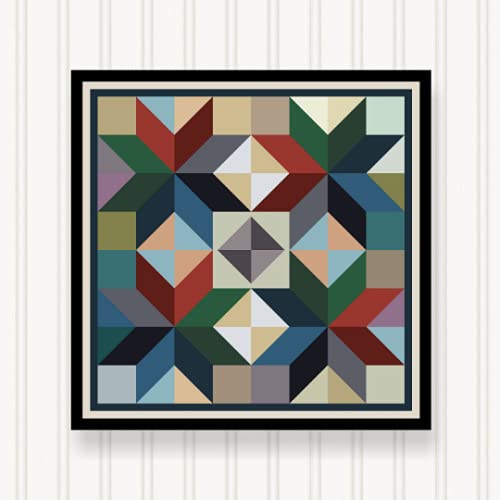
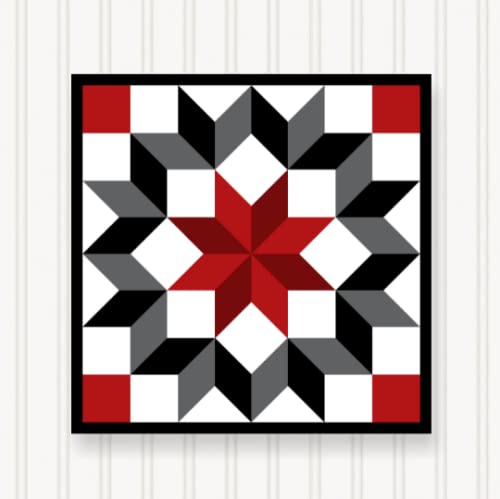
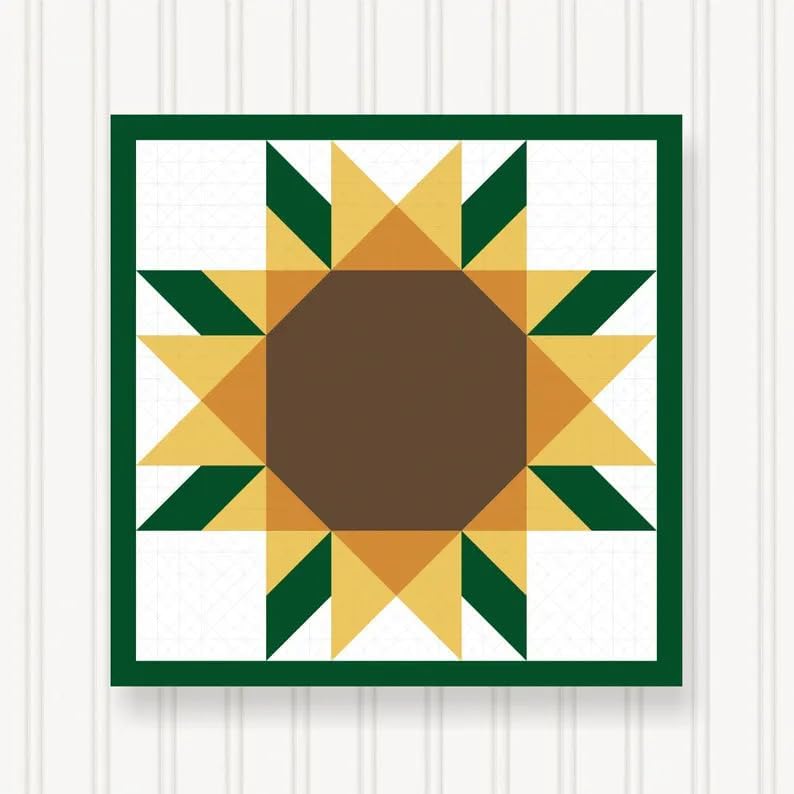
A barn quilt is a painted wooden or metal panel that copies a traditional fabric quilt block and mounts on a barn, garage, shed, or house wall. There is no single design that suits every building, because wall size, viewing distance, sun exposure, and your comfort with upkeep all change what will work. The best barn quilts for a roadside barn seen from a moving car look very different from the right panel for a garden shed you walk past every day.
This guide matches panel types to real situations, then walks through size, board material, paint, pattern, and mounting. Use the comparison table below to see how sizes and materials line up, then use the sections that follow to narrow your choice with confidence.


Who Should Buy Which Barn Quilts?
For First Time Buyers
Start with a simple, bold pattern in two or three colors on a panel around 2 by 2 feet or 3 by 3 feet. Simple blocks such as a star, a pinwheel, or a churn dash read clearly, forgive small painting imperfections, and cost less if you buy a finished panel. A smaller first panel also lets you practice mounting on a garage or shed before committing to a large piece high on a barn gable. Choose a design with wide shapes rather than thin lines, because wide shapes are easier to tape, paint, and touch up later.
For Value Seekers
Value comes from lifespan, not the lowest sticker price. A panel made from exterior grade board with properly sealed edges and two coats of exterior paint will outlast a cheaper panel that swells at the edges after one wet season. Mid sized panels around 3 by 3 feet or 4 by 4 feet usually give the best balance, since very large panels cost more to ship and need stronger mounting hardware. If you paint your own, a single sheet of good board can yield several small panels, which spreads the material cost across gifts or a matching set for two buildings.
For Gift Shoppers
Barn quilts make personal gifts because the pattern can carry meaning, such as a family quilt block, a state flower theme, or colors matched to the home. Panels around 2 by 2 feet ship most easily and hang on porches, fences, and entry walls without special hardware. When you order a finished panel as a gift, confirm the production time, since hand painted pieces often need one to three weeks before shipping. Include a short note about mounting and care so the recipient is not guessing about screws, spacing from the wall, or cleaning.
For People Who Want the Best Performance
For a landmark panel that must read from the road and survive years of weather, spend on the board and the finish rather than on a complex pattern. Aluminum composite panels and well sealed marine grade plywood resist warping better than standard boards, and premium exterior paints hold color longer under strong sun. A 6 by 6 foot or 8 by 8 foot panel with high contrast colors will carry across a field. Professional grade mounting, with airflow space behind the panel and stainless fasteners, protects both the quilt and the wall behind it.
Key Features to Compare
Materials and Board Types
The board decides how long the panel stays flat and how well paint adheres. Exterior grade plywood is the common choice because it is affordable, widely available, and easy to cut, but its edges must be sealed carefully since layered edges wick moisture. Aluminum composite material, a plastic core sandwiched between thin aluminum skins, stays flat, resists rot completely, and weighs less at large sizes, though it costs more and needs compatible paints and primers.
Solid PVC boards never rot and cut cleanly, but they expand more in heat and can feel less rigid on big panels. Whichever board you pick, the back and edges need the same sealing attention as the face, because most failures start where water sneaks in from behind.
Size and Fit
Size should follow viewing distance. A panel seen from a driveway about 20 to 40 feet away reads well at 3 by 3 feet or 4 by 4 feet, while a barn facing a road 100 feet or more away often needs 6 by 6 feet or 8 by 8 feet to register as more than a colored square. Measure the flat wall area first and leave breathing room around the panel so it does not crowd trim, doors, or vents.
Also check how you will lift the panel into place, since an 8 by 8 foot panel may need to be built and mounted in sections. When you shop for board and finish supplies, our guide to the best wood for barn quilts explains which boards handle outdoor seasons best.
Weather Resistance and Sun Exposure
Sun and rain age a panel faster than cold does. South and west facing walls take the harshest sun, which fades reds and dark blues first, so choose paints rated for exterior use with strong UV resistance and expect brighter colors to need refreshing sooner. Rain matters most at the top edge and at screw holes, so a slight gap between panel and wall lets water drain and air dry the back. In snowy climates, mount the panel high enough that drifting snow and splash back from the ground do not keep its bottom edge wet for weeks at a time.
Pattern, Color, and Visibility
Contrast matters more than detail. A pattern with strong light and dark contrast reads at a distance, while two similar mid tone colors blend into one shape from the road. Traditional blocks with a clear center motif, such as a lone star or a bear paw, hold up best at large sizes.
Limit most panels to three or four colors so the design stays graphic rather than busy. Test your palette by viewing a photo of the pattern from across the room or as a small thumbnail on your phone, which mimics how the full panel will read from far away. Paint choice drives both color life and repainting effort, so see our guide to the best paint for barn quilts before you commit to a palette.
Common Mistakes to Avoid When Buying Barn Quilts
- Choosing size by price alone. A panel that is too small for the wall and viewing distance looks lost, no matter how nice the painting is.
- Skipping edge and back sealing. Unsealed edges absorb water, swell, and peel paint, often within the first year outdoors.
- Picking a detailed pattern for a distant wall. Fine lines and many small pieces blur together at road distance and add painting cost without adding impact.
- Mounting flat against the wall with no gap. Trapped moisture behind the panel damages both the panel back and the siding underneath.
- Ignoring fastener quality. Ordinary screws rust, streak the face, and weaken; stainless or coated exterior fasteners cost little more and protect the finish.
How to Make Your Barn Quilt Last Longer
Inspect your panel twice a year, in spring and fall, looking for peeling paint, soft edges, and rust stains around fasteners. Wash the face gently with a soft cloth, mild soap, and water to remove pollen and road dust, and rinse well so soap residue does not attract more grime. Touch up small chips promptly with matching exterior paint, because a tiny chip left open becomes the entry point for moisture.
Every few years, a fresh clear exterior coat or a light repaint of faded colors restores contrast. If a panel must come down for repair, store it flat in a dry space rather than leaning it, since leaning invites warping over time.
Frequently Asked Questions
What size barn quilt works best on a barn wall?
Match size to viewing distance: about 4 by 4 feet for viewing from 30 to 50 feet, and 6 by 6 feet or 8 by 8 feet for road front barns seen from 100 feet or more. Also confirm the wall has a flat, unobstructed area larger than the panel, and consider door swing and ladder access before choosing the biggest option.
How long does a barn quilt last outdoors?
A well built panel with sealed edges and exterior paint typically looks good for about five to ten years before it needs repainting, and the board itself can last far longer. Lifespan drops sharply when edges go unsealed or the panel traps moisture against the wall, so mounting method matters as much as materials.
How do I clean a barn quilt safely?
Use a soft cloth or sponge with mild soap and water, working from the top down, and avoid pressure washers, which force water into edges and under paint. Clean on a mild day so the panel dries fully, and check screw heads while you work, since early rust is easiest to fix before it stains the painted face.
Does a heavier board always mean a better barn quilt?
No, weight alone does not predict durability. A lighter aluminum composite panel can outlast a heavier solid board because it cannot rot and stays flat. Judge a panel by its material rating for exterior use, how completely its edges and back are sealed, and the quality of its paint, not by heft.
How do I hang a barn quilt safely?
Use corrosion resistant screws driven into studs or solid blocking, with spacers or cleats holding the panel about half an inch off the wall for airflow. Large panels need two people and a stable ladder or lift, and you should never mount high panels on a windy day. If your barn wall is very high or uneven, hiring a local installer is the safer choice.
Our Verdict
Choose size from viewing distance first, then judge the board and finish, since those decide how many seasons the panel survives. Keep the pattern bold, the colors high in contrast, and the mounting spaced off the wall so moisture can escape. Compare your finalists in the product table above against those three points, and the best barn quilts for your building will be the ones that stay flat, stay bright, and stay readable from the road year after year.