
Best Barn Boots for Winter in 2026: Which Type Is Right for You?
Disclosure: We may earn a commission when you buy through links on this page, at no extra cost to you. As an Amazon Associate I earn from qualifying purchases. Learn more

Find barn boots for winter that handle mud and cold, with guidance on insulation, waterproof types, fit, traction and price for daily chores.
Winter barn work mixes cold air, deep mud, frozen ruts and water from troughs, often before daylight. The best barn boots for winter keep your feet dry through chores, grip on slick concrete and still feel steady after an hour of standing. Use the comparison table below to match each type to your barn and your weather.
Start with your hardest morning, not your mildest one. Note how deep the mud gets, how long you stand still and whether you also walk fields or handle horses. Those answers point you to the right shaft height, insulation level and outsole.

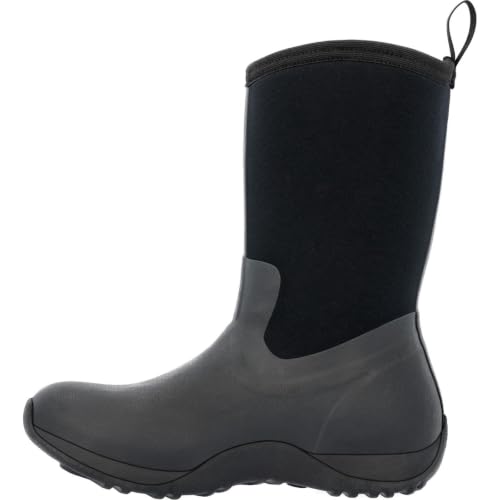


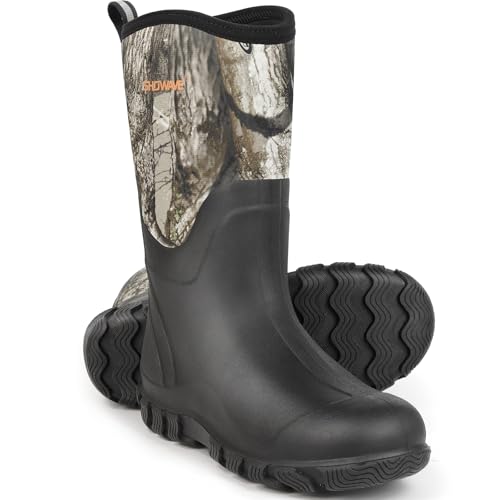
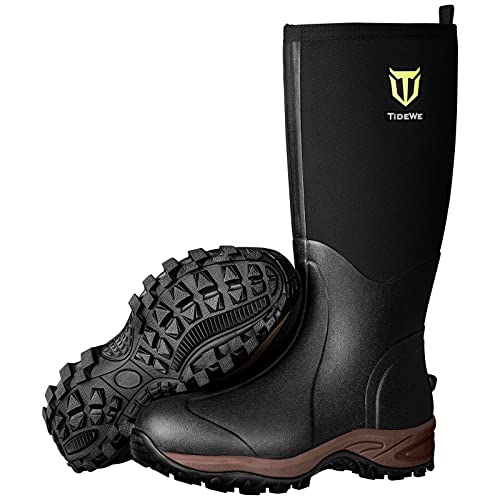
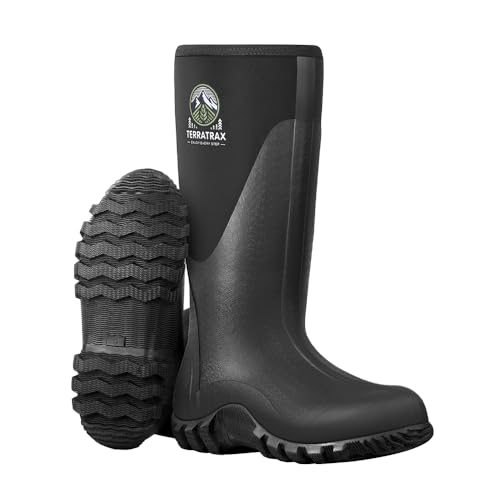
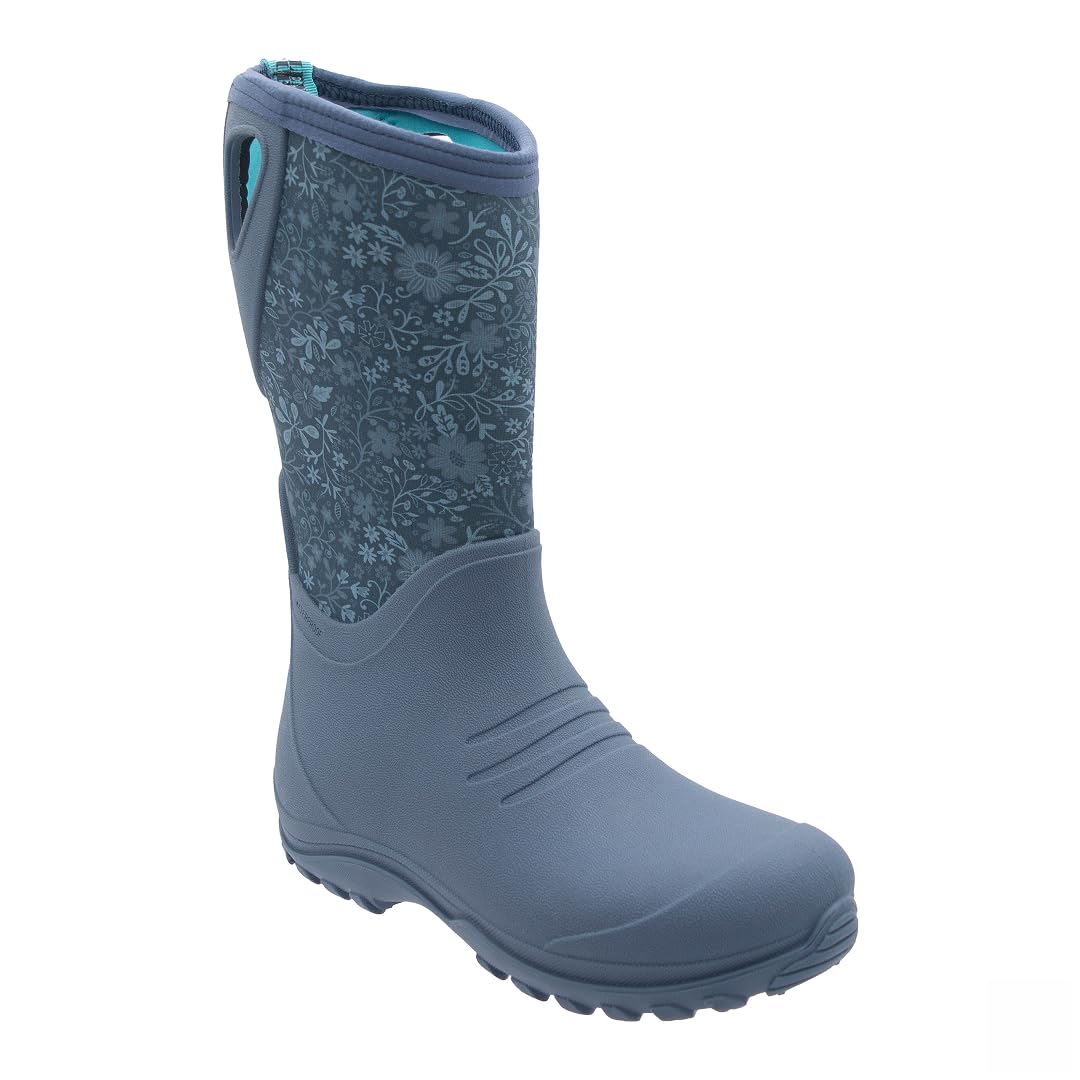

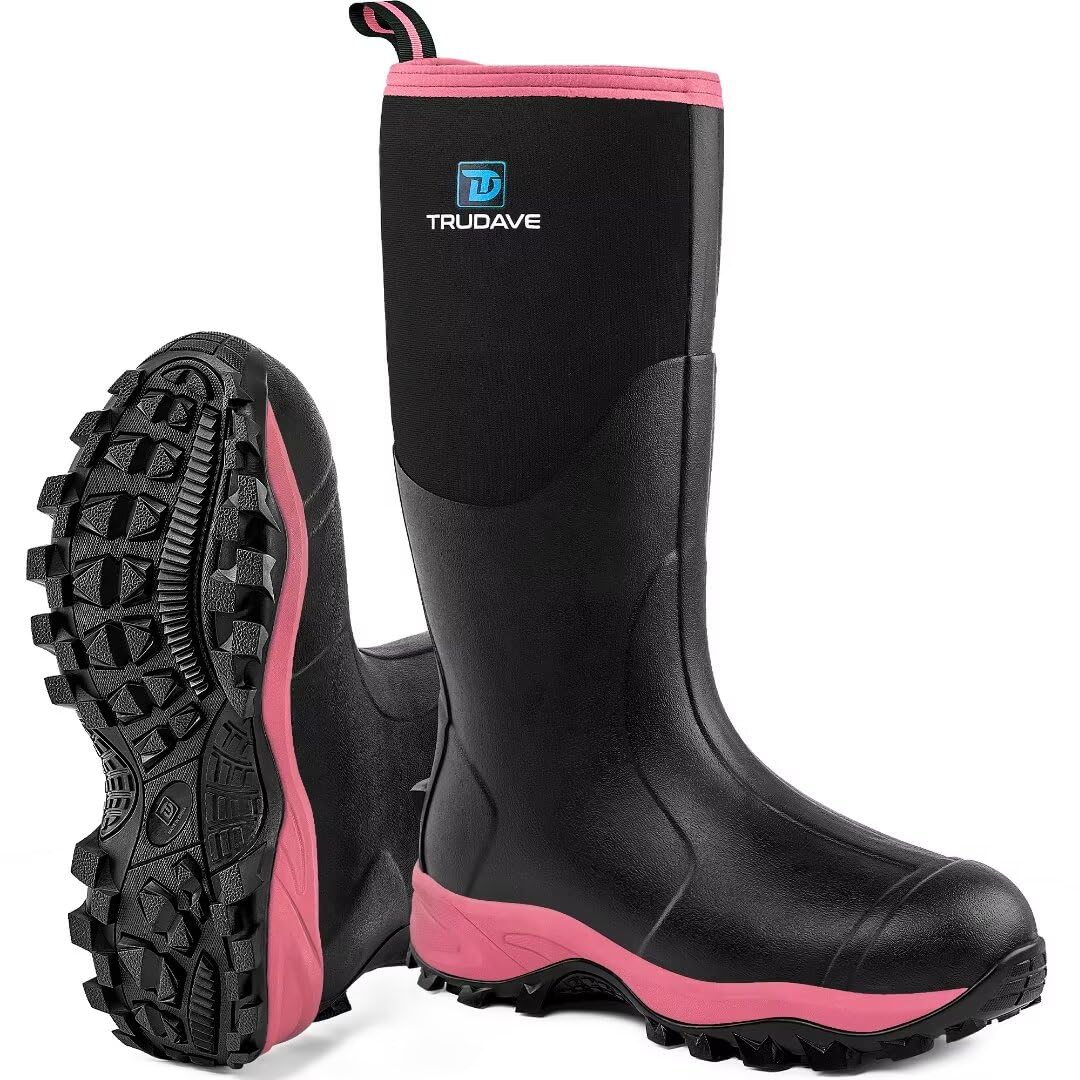
Who Should Buy Which Winter Barn Boots?
Your chores decide the boot more than the brand does. Choose for the task you repeat every day in the coldest weeks.
Daily Chore Hands in Wet and Muddy Barns
You muck stalls, carry buckets and hose aisles, so water and manure reach your boots daily. Choose a tall insulated rubber or neoprene boot that rinses clean and seals out splash. A roomy calf and pull loops help when your hands are gloved. Warmth matters, but a washable lower matters more for you than a leather finish.
Horse Owners Who Walk Fields and Handle Horses
You move between stalls, paddocks and uneven fields, and you may lead horses on frozen ground. Choose a boot with firm ankle support, a defined heel and enough toe room for thick socks. A safety toe can add peace of mind around hooves and heavy gates. Ground feel helps you notice ice before you slip.
Barn Workers in Very Cold and Snowy Places
You feed outdoors, break ice and stand still in wind while animals eat. Choose the warmest insulation you can walk in, plus a liner you can remove and dry overnight. A taller shaft keeps driven snow out when you cross drifts to reach a gate. Weight matters less for you than staying warm during still tasks.
Types of Barn Boots for Winter Compared
A standard snow boot from a guide to the best winter boots may feel warm on a cleared path, yet barn use adds manure, deep mud and trough water. Shaft height, washability and grip set these three types apart.
Tall Insulated Rubber and Neoprene Boots
These boots have a sealed rubber foot and a flexible insulated shaft that reaches mid calf or higher. They shed mud, resist manure and rinse clean under a hose, which suits wet barns well. Fit is often loose, so active walking can feel sloppy and warm feet may sweat during long chores. Most cost about $90 to $170, and they suit daily mucking best.
Leather Waterproof Boots for Chores and Riding Tasks
These boots pair a waterproof leather upper with a lugged sole and a more secure lace up fit. They support the ankle, work better for walking and driving, and some styles fit a stirrup more safely than tall rubber boots. Leather needs cleaning and conditioning, and deep mud can overwhelm a shorter shaft. Most cost about $120 to $220.
Pac Boots With Removable Liners for Deep Cold
These boots combine a rubber lower with a fabric or leather upper and a thick removable liner. The liner adds serious warmth for still work and comes out at night so trapped moisture can dry. The shape feels bulky, pedal and stirrup use can feel clumsy, and fit runs wide. Most cost about $110 to $200, and they suit the coldest sites best.
Key Features to Compare
Compare these factors in order, because warmth alone cannot fix a boot that leaks, slips or pinches.
Insulation Matched to Activity and Cold
For the best barn boots for winter, insulation only helps if it matches how much you move. Active mucking creates body heat, so moderate insulation in the foot and shaft often feels enough and limits sweat. Still tasks like holding a horse or watching water tanks need heavier insulation, because cold rises from frozen ground. Check whether insulation covers the sole as well as the upper, since a warm shaft cannot offset a cold footbed on concrete.
Waterproofing and Shaft Height
Look for a sealed foot, sealed seams and a membrane or rubber lower that keeps trough splash and slush out. Shaft height should pass your usual mud and snow depth with room to spare, because one deep step can pour water over a short boot. A gusset or close calf fit limits hay and snow entry at the top. Breathable linings help a little, but in winter dryness from sealing matters more than airflow.
Outsole Traction for Mud, Snow and Ice
Deep lugs shed mud and bite into snow, while wider spaced lugs clear better as you walk. Rubber that stays flexible in cold grips wet concrete better than a stiff sole that skates on top. A defined heel helps on ladders and in stirrups and gives you a brake on slopes. No barn sole makes smooth ice safe, so slow down, shorten your steps and clear main paths where you can.
Fit, Sizing and Toe Box Room With Thick Socks
Try boots late in the day with the socks you will wear for chores, because feet swell and winter socks add real bulk. You need length for toes to spread, width that holds the midfoot without squeezing and a heel that lifts only slightly. Readers shopping in womens sizes can also see our guide to the best ladies winter boots for general snow use, while barn fit still needs that extra sock room.
Materials, Weight and Ease of Entry
A rubber lower resists manure acids and hose water, while leather uppers give support and neoprene shafts flex around the calf. Heavier boots can feel steady in mud but tire your legs on long rounds, so weigh warmth against distance. Pull loops, a wide opening and a small kick off ridge at the heel save time with gloves on. Men who want a separate pair only for town snow can see our guide to the best boots men winter, but barn work still needs a washable lower.
Common Mistakes to Avoid
These errors cause cold, wet or sore feet long before a boot wears out.
- Buying your summer shoe size leaves no room for winter socks and makes toes cold and cramped.
- Choosing fashion snow boots for mucking lets manure and water ruin the upper and soak the lining.
- Picking the warmest insulation for active chores makes feet sweat, and damp socks then chill fast outdoors.
- Ignoring lug depth leaves you sliding in mud and on packed snow near gates and troughs.
- Wearing a loose tall boot for riding risks a foot slipping or catching at the wrong moment.
- Drying boots beside a strong heater cracks leather and can warp rubber and liners.
Care and Maintenance for Barn Boots in Winter
Rinse mud and manure off after chores with plain water, because manure left on leather and stitching dries it out and shortens its life. Knock soles together outdoors to clear packed mud from the lugs, and check for stones before you walk on barn floors. Wipe leather lowers dry and let rubber boots drain upside down briefly.
Dry boots in open air away from direct heat, and pull pac liners and insoles out so moisture can escape overnight. Condition leather uppers only as the maker directs, and keep conditioner off rubber lowers. Store pairs upright in a dry place, inspect seams, soles and liners each month, and repair small leaks early before water reaches the insulation.
Frequently Asked Questions
Do I need waterproof barn boots for winter chores?
Yes, waterproof barn boots are a practical need for most winter chores. Even without rain, melting snow, trough splash and wet bedding soak a non waterproof upper within one round. If your barn stays dry and frozen, a treated leather boot may cope, but keep a taller sealed pair ready for thaw weeks when aisles and paddocks turn wet.
How should barn boots for winter fit with thick socks?
Barn boots for winter should feel secure at the heel and midfoot, with clear space ahead of your longest toe. Wear your chore socks for any fitting and walk, squat and step up as you would at the barn. A boot that feels snug in the shop will often feel tighter after cold and swelling. Consider a half size up only if the heel still holds well.
How long is the break in period for leather barn boots for winter?
Leather barn boots for winter often need about one to two weeks of short chores before the ankle and forefoot soften. Start with feeding rounds rather than a full day, and add time as hot spots fade. Rubber and neoprene styles need little break in, though a new insole may settle. Pain, numbness or blisters that persist mean the fit is wrong, not that you should push on.
Can I wear barn boots for winter for riding as well as chores?
Some barn boots for winter can work for light riding, but only if the sole, heel and toe shape suit your stirrup. A defined heel helps stop the foot sliding through, and a smooth toe enters and leaves the stirrup cleanly. Bulky pac boots and wide rubber boots are poor riding choices. When in doubt, change into riding boots before you mount.
How often should I replace barn boots for winter?
Replace barn boots for winter when leaks, cracked lowers or worn lugs remain after cleaning and simple repair. Many daily users get about two to four winters, while occasional users may get longer from the same pair. A clear warning sign is wet socks on a dry day, which points to a hidden crack. Flat lugs that no longer shed mud are another sign.
The Bottom Line
Match the type to your chores first, then check insulation, sealing, grip and fit with your real winter socks. Tall rubber suits wet mucking, leather suits walking and mixed tasks, and pac boots suit deep cold. Use the product table above to compare shaft height, insulation and price side by side.
When you choose best barn boots for winter with those points in mind, you get a pair that stays dry, grips on bad ground and earns its place by the barn door all season.


