
Best Bargain Running Shoes 2026: Fit and Value Guide
Disclosure: We may earn a commission when you buy through links on this page, at no extra cost to you. As an Amazon Associate I earn from qualifying purchases. Learn more

Learn how fit, cushioning and durability separate the best bargain running shoes from cheap pairs that wear out fast.
Running shoes are one of the few bargains where a low price can still give you a genuinely good product, because last season designs and simple constructions often run beautifully. This checklist helps you judge best bargain running shoes on fit, cushioning, and durability rather than on launch hype. Work through each point before you buy and you will avoid the pairs that feel fine in the shop and fail by mile fifty.
Note your weekly mileage, your usual surface, and any history of sore knees, shins, or arches, because those facts decide which features matter for you. Then use the comparison table below to test each candidate against the criteria that follow.
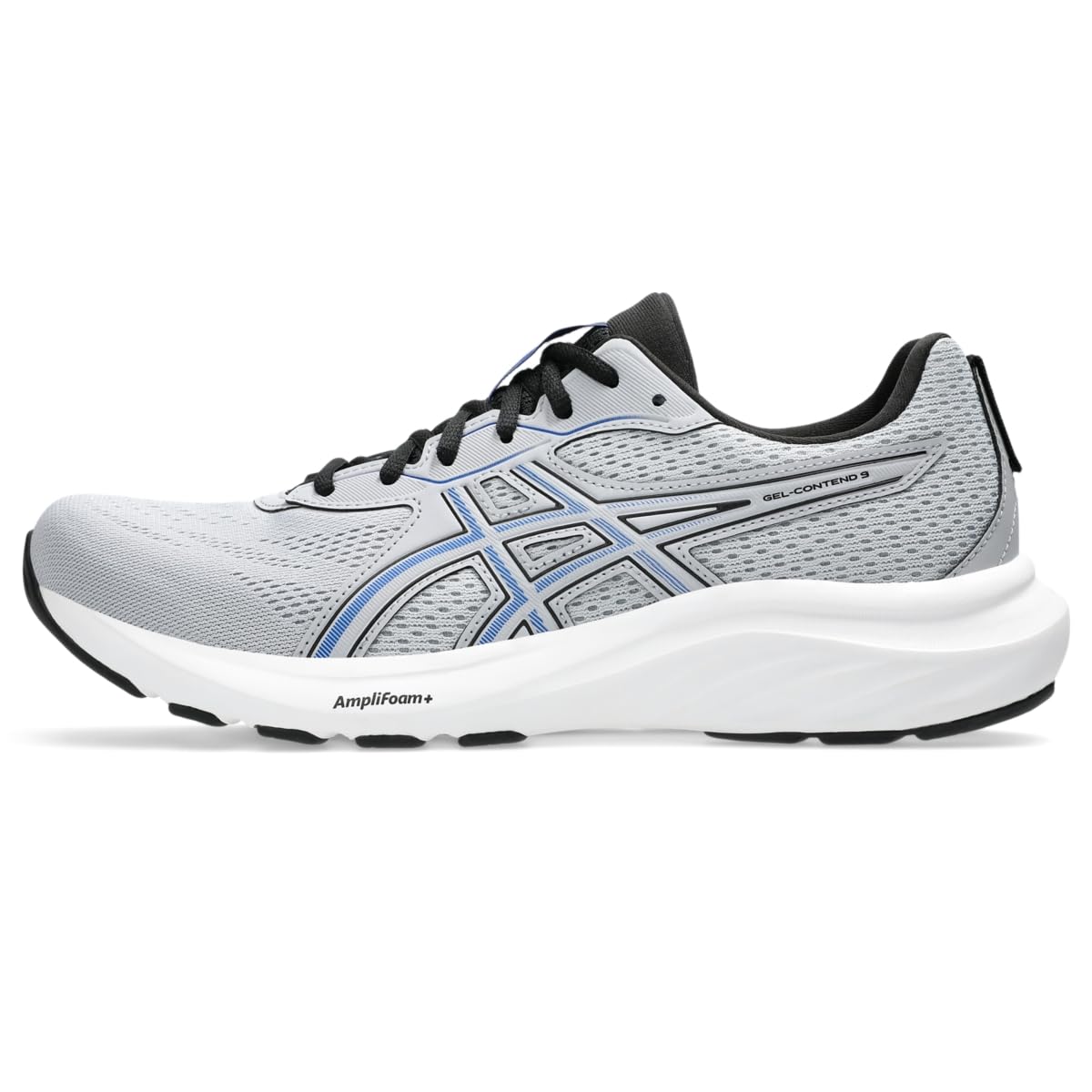


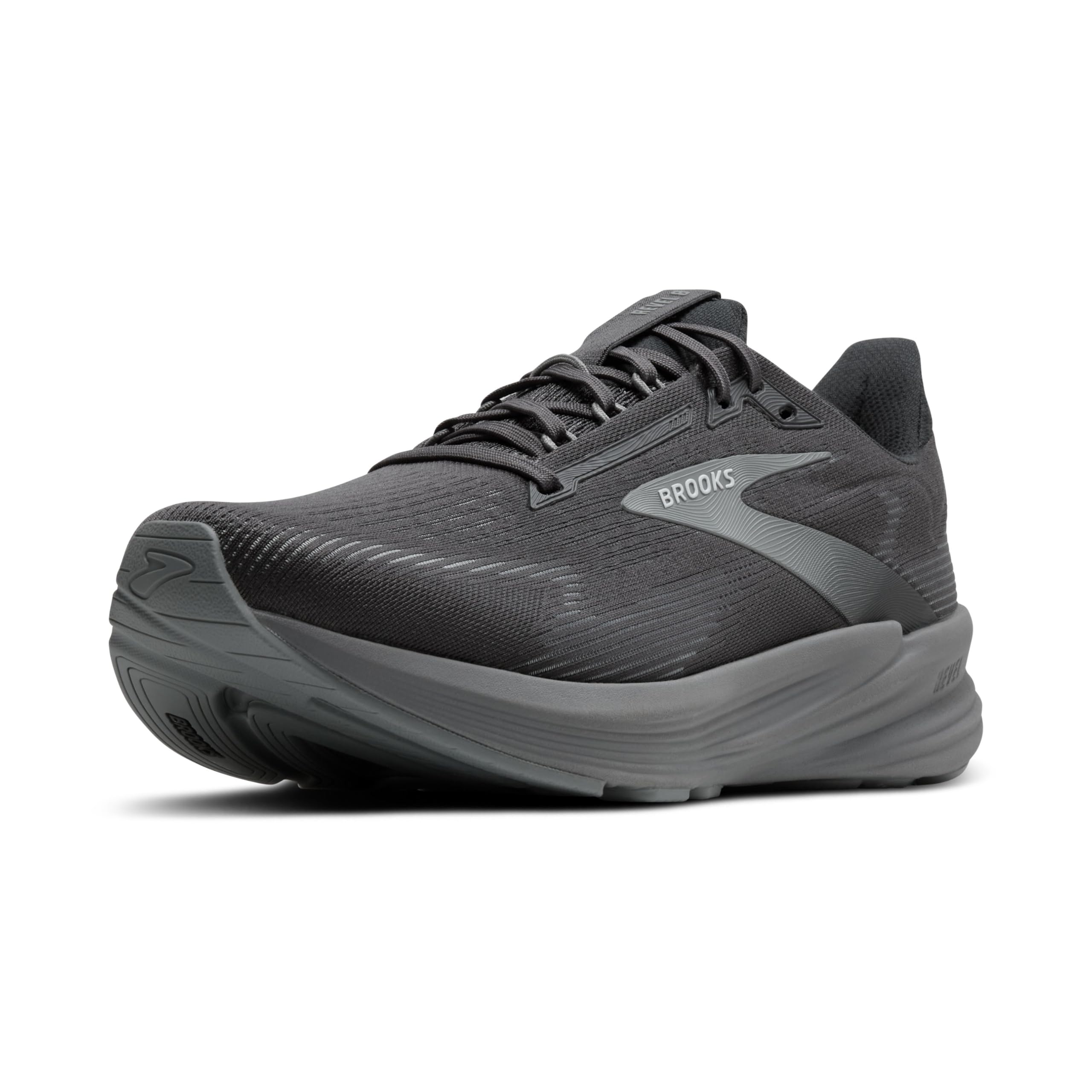

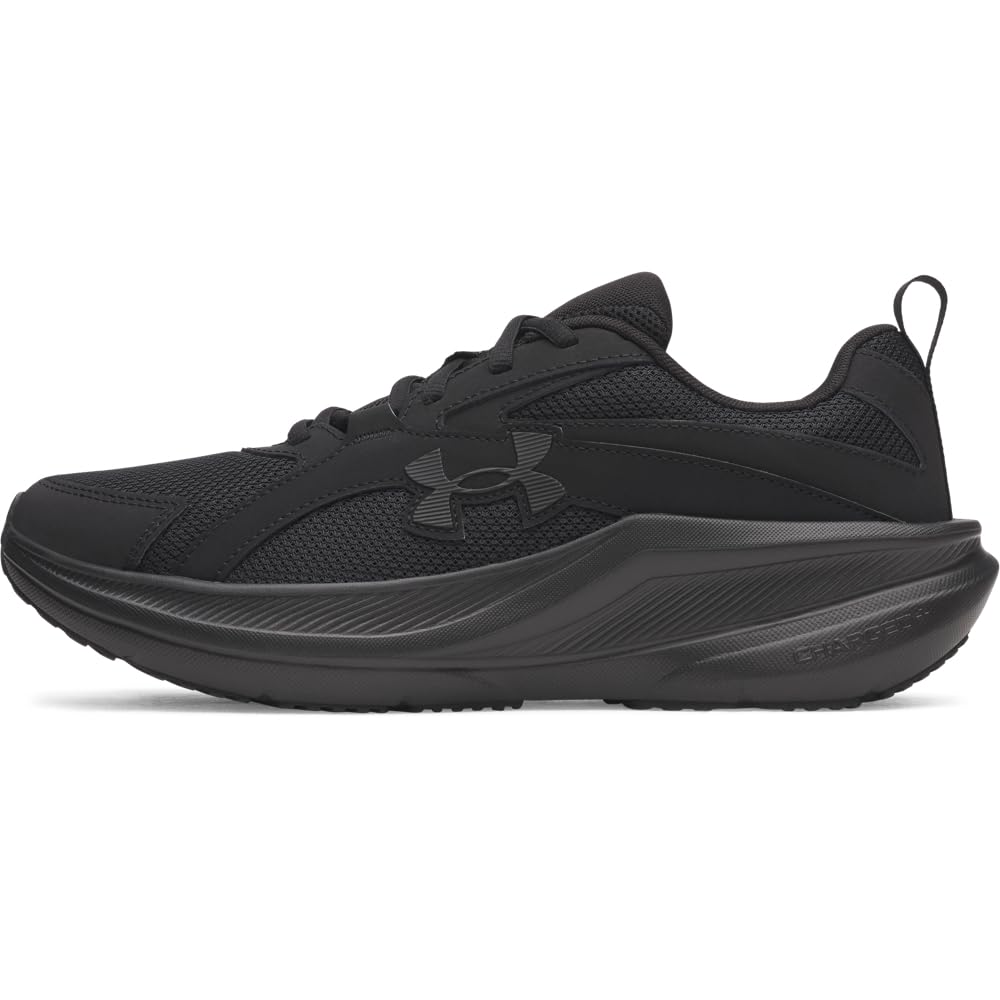
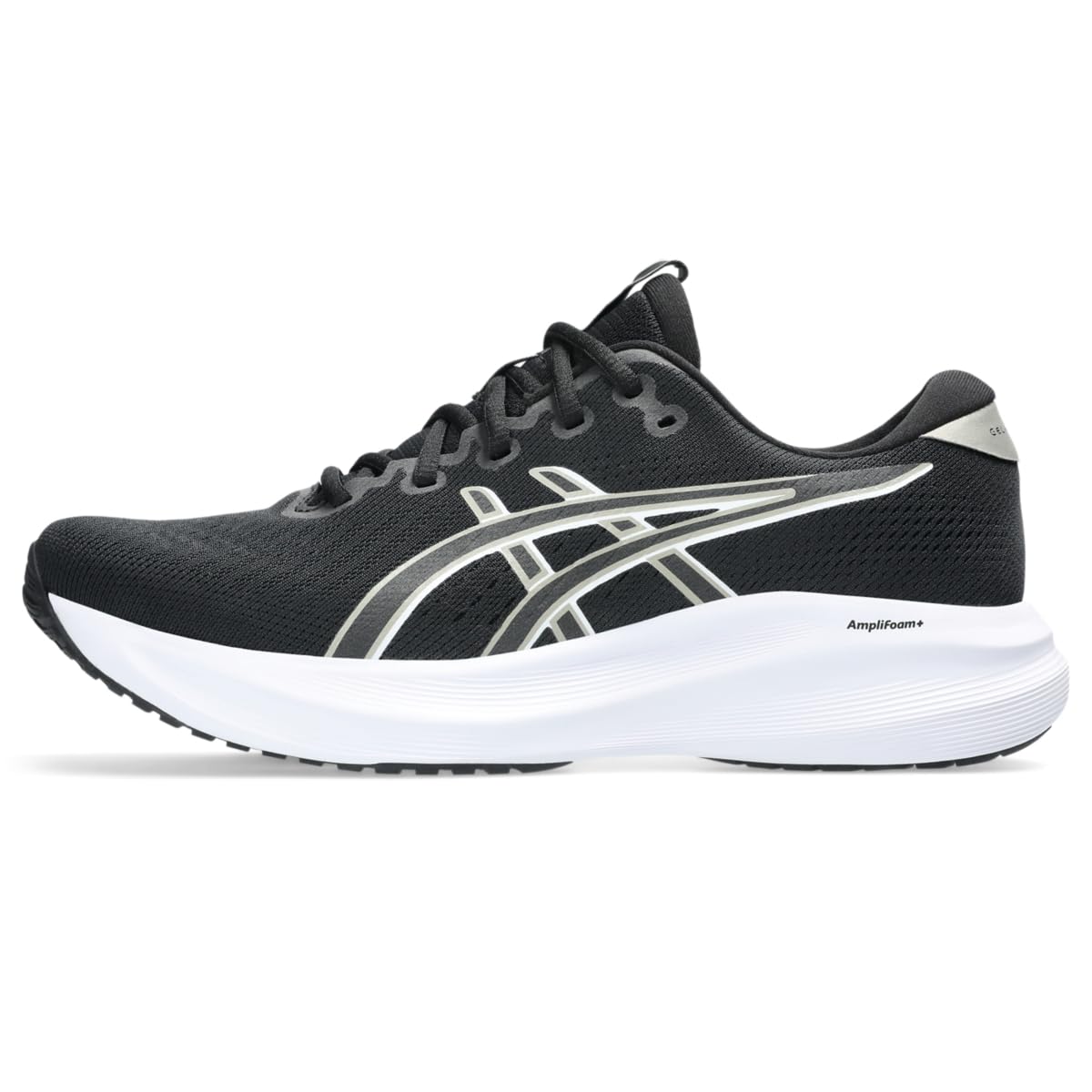


What to Check in Bargain Running Shoes
What You Can Realistically Get on a Budget
At around $50 to $90, expect dependable foam cushioning, a breathable mesh upper, and a rubber outsole that grips roads well for a few hundred miles. What you give up is usually the lightest foams, carbon plates, premium race fit, and the widest choice of widths and colors. Do not give up fit or adequate cushioning to save a small amount, because those two decide comfort on every run. A simple daily trainer at this price, bought in the right size and support type, will outperform an ill fitting premium shoe for most runners, and the money saved can fund a second pair for rotation.
Fit, Sizing, and Toe Box
Fit is the first test and it is not negotiable. Measure your feet in the afternoon or after a run, when they are at their largest, and allow about a thumb width of space, roughly half an inch, between your longest toe and the end of the shoe. Feet swell during a run, and toes that touch the front on a short trial will bruise on a long one. The heel should sit snugly without lifting, the midfoot should feel held without pressure on top, and the toe box should let your toes spread naturally. Wide footed runners should look for a true wide option rather than sizing up, which adds length without adding the width in the right places. Our broader guide to the best running shoes explains fit by foot shape in more detail.
Arch Support and Foot Type
Your arch type and how your foot rolls decide whether you need a neutral shoe or a stability shoe. Flat feet often roll inward more than ideal, called overpronation, and usually feel better with gentle stability features that guide the foot without forcing it. High arches roll less and absorb shock poorly, so they usually suit a neutral shoe with generous cushioning. The wet footprint test gives a rough guide at home: a full footprint suggests flatter feet, while a narrow curved print suggests high arches. Treat it as a starting hint only. If you have ongoing pain, a gait check at a running shop or a visit with a clinician is worth more than any label on a shoe box.
Durability and Expected Lifespan
Most running shoes, bargain or premium, last about 300 to 500 miles before the foam loses its cushioning, even when the upper still looks tidy. Heavier runners and heel strikers sit toward the lower end of that range, while lighter runners on soft surfaces can reach the top. Rubber coverage on the outsole is the visible durability clue: more rubber in the high wear zones under the heel and forefoot means slower wear on roads. Track your mileage in a simple note or app, because time based guesses fail. A shoe that suddenly leaves your legs more tired than usual, or that shows deep compression lines in the midsole, is telling you its miles are done.
Waterproofing: Membranes and When You Need Them
Waterproof membranes such as Gore Tex keep rain and puddle water out, which makes winter road running and wet trail use far more comfortable. The trade off is breathability, because a membrane that blocks water also slows the escape of sweat, so waterproof shoes run warm in summer and dry slowly once water gets in over the ankle. Most road runners in mild climates do better with a breathable mesh shoe and good socks, accepting wet feet on rainy days in exchange for cool dry feet the rest of the year. Choose the membrane when you regularly run in cold rain, slush, or wet grass, and pair it with gaiters if deep puddles are part of your route.
Cushioning and Support
Cushioning describes how much foam sits under your foot and how soft it feels, while support describes how the shoe guides your stride. A thicker stack suits long slow miles and heavier runners, while a lower lighter shoe feels quicker for short fast sessions. Heel to toe drop, the height difference between heel and forefoot, commonly runs from about 4 to 12 millimeters. Higher drops favor heel strikers and can ease pressure on the calves and Achilles, while lower drops load the calves more and suit midfoot strikers. Change drop gradually if you switch, over a few weeks of short runs, because your calves and feet need time to adapt to the new pattern.
Price Tiers to Expect
Mid Tier
The overall tier in bargain running usually means a well regarded daily trainer from a prior season, often around $70 to $110 once discounted. You get balanced cushioning, a durable outsole, and a fit that works for most foot shapes, in neutral and stability versions. This is the right buy for a runner training three to five times a week who wants one pair to handle easy miles, long runs, and the odd faster session. Its limit is specialization: it will not race as lightly as a dedicated race shoe or grip mud like a trail shoe, but for road training it covers the widest ground for the money.
Budget Tier
The value tier, often around $40 to $70, covers simple trainers and entry level models with honest foam and basic mesh uppers. They suit new runners building a habit, walkers who jog lightly, and anyone who needs a spare pair for travel or gym work. Expect a slightly heavier shoe and faster outsole wear than the tier above. The key check here is that the cushioning still feels even and protective on a test jog, because a value shoe with dead feeling foam is not a saving at all. Bought well, this tier is how many runners start, and plenty finish their first year happily in it.
Heavy Use Tier
Heavy use bargains are the sturdier daily trainers with thick rubber outsoles, reinforced uppers, and foams tuned for durability over softness, often around $80 to $120. They suit high mileage runners, heavier runners, and those who run daily on abrasive concrete. You trade some lightness and spring for a shoe that still feels protective near the end of its life. Runners shopping specifically by fit can compare notes in our guides to the best male running shoes and the best ladies running shoes, which cover width and sizing patterns in depth.
Quick Buyer Checklist
- Did you measure your feet late in the day and leave about a thumb width at the toes?
- Does the support type, neutral or stability, match your arch and how your foot rolls?
- Does the cushioning feel protective on a short jog rather than only on a soft shop carpet?
- Is the heel to toe drop close to what your current shoes use, or will you transition slowly?
- Does the outsole have solid rubber coverage in the zones where your old shoes wore down?
- Is the shoe available in your width, rather than forcing you to size up for room?
- Will the upper, mesh or waterproof membrane, suit the weather you actually run in?
Red Flags to Watch For
- Fashion shoes sold as runners. A lifestyle shoe with a running look often lacks a proper midsole and will punish your legs within a few miles.
- No stated drop or weight. Makers of real running shoes publish these figures, and missing specs suggest the shoe was not designed for running at all.
- Foam that feels dead in the shop. Cushioning never improves with wear, so a flat feeling new shoe will only feel worse by mile one hundred.
- Extreme discount with no returns. Fit is personal, and a final sale bargain you cannot exchange is a gamble rather than a saving.
- One model for every foot claim. A shoe that claims to fix flat feet, high arches, and knee pain at once is marketing, not design. Specialist lists such as the best nike running shoes show how brands split models by support type instead.
Care and Maintenance Tips
Replace running shoes every 300 to 500 miles, tracked honestly, because worn foam stops protecting your joints long before the shoe falls apart. Untie them after runs and loosen the laces so your feet slide out without crushing the heel counter. Air dry wet shoes away from direct heat, with the insoles removed and newspaper inside to draw moisture, since radiators and dryers warp foam and glue. Rotate two pairs if you run most days, because foam needs about a day to rebound between runs, and rotation noticeably extends the life of both pairs. Keep bargain pairs for easy miles once they retire from long runs, and move them to walking duty when the cushioning feels flat.
Running Shoes: Your Questions Answered
Are expensive running shoes worth it?
Sometimes, but not automatically, because price buys lighter foams, race plates, and refined fit rather than basic protection. A well chosen bargain trainer covers the needs of most runners for most miles. Spend more when you race seriously, run very high mileage, or have a fit need that only a premium model meets. Otherwise, two rotated bargain pairs usually serve your legs better than one expensive pair worn every day until it is dead.
How long is the break in period for running shoes?
Modern running shoes need little break in, and a correct pair should feel comfortable on the first short run with no rubbing or hot spots. Give a new pair two or three short easy runs before a long run, mainly to confirm fit under real conditions and to adapt if the drop differs from your old shoes. Pain, blisters, or numbness in that window are fit warnings, not break in stages, so exchange the pair while you still can.
How should running shoes fit?
They should hold the heel and midfoot snugly while leaving about a thumb width in front of your longest toe and room for toes to spread. Try them late in the day with your running socks, and jog briefly rather than only standing, because feet lengthen and swell in motion. If you are choosing between sizes, take the larger one, since tight shoes cause blackened toenails on long runs far more often than a roomy pair causes problems. Cross training options like the best tennis shoes for running fit differently, so judge each sport on its own terms.
How often should I replace my running shoes?
Replace them every 300 to 500 miles, sooner if you are heavier, run on concrete, or notice new aches that fade when you switch to a fresher pair. Keep a simple mileage note per pair, because rotating pairs makes time based guesses useless. A worn shoe often looks acceptable while its foam is spent, so trust your legs and your log over the appearance of the upper and outsole.
Can I wear running shoes all day?
Yes, bargain running shoes make comfortable all day footwear, with cushioning that suits standing and walking as well as running. The cost is lifespan, because every hour of walking spends miles from the same foam your runs depend on. If you train seriously, keep a retired pair for daily wear and save your current trainers for runs. That habit alone stretches a bargain pair across a full training cycle instead of half of one.
Final Thoughts
Judge bargain running shoes by fit first, support type second, and honest mileage life third, and price becomes the easiest part of the decision. Compare your finalists in the product table above, try them late in the day, and start with short runs. Chosen that way, best bargain running shoes protect your legs, survive their mileage, and leave money in your pocket for the next pair.


