Best Bargain Laptops for Students 2026: Study and Budget Guide
Disclosure: We may earn a commission when you buy through links on this page, at no extra cost to you. As an Amazon Associate I earn from qualifying purchases. Learn more

Learn what students need from the best bargain laptops for students: a solid processor, enough memory, battery life and a light body.
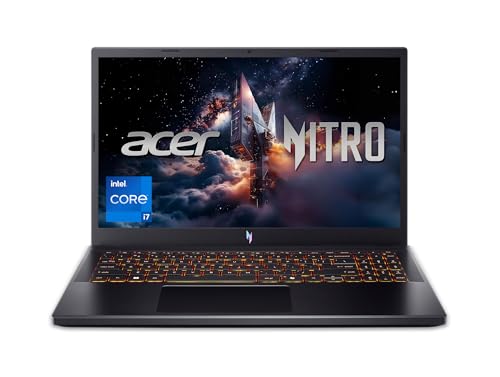
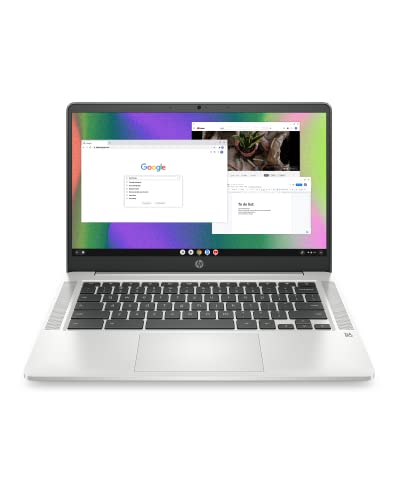
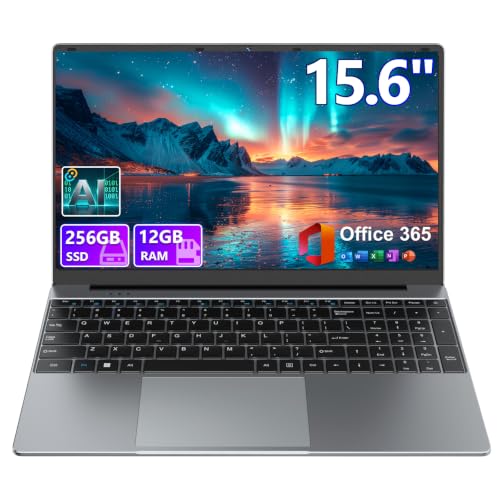
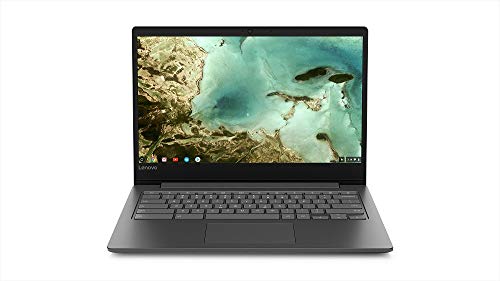
Choosing best bargain laptops for students is easier when you start from your coursework instead of from a long list of specifications. The comparison table below gives you a quick overview, and the sections that follow explain what each choice means in daily student life. A bargain laptop does not need to be the fastest machine on the market. It needs to run your classes, handle your assignments, and survive being carried around campus every day.




Who Should Buy a Bargain Student Laptop
A bargain laptop suits students whose main work is writing, research, video calls, slides, and web based tools. If your courses use standard office software and a browser, a modest processor and enough memory will feel smooth. Students in design, video editing, or heavy engineering software should check the software requirements first, because those programs ask for more power and a stronger graphics system.
Think about where you work as well. A student who studies in libraries and coffee shops benefits from a light machine and a long battery life. A student who mostly works at a desk at home can accept a slightly heavier laptop with a larger screen. Your daily routine matters more than a single headline specification.
Key Specifications That Matter Most
Memory is one of the first things to check. For everyday student work, look for enough memory to keep several browser tabs, a document, and a video call open at once without slowing down. Storage matters too, and solid state storage makes a laptop feel fast when it starts up and opens files. A larger drive helps if you keep many lecture recordings, photos, or projects on the machine.
The processor affects how quickly programs respond, but you do not need the top tier chip for writing and research. A mid range processor from a recent generation is usually plenty. The screen also deserves attention, since you will read on it for hours. A clear, bright display with comfortable text size reduces eye strain during long study sessions.
Battery Life, Weight, and Durability
Battery life is a practical concern on a busy campus day. Check the battery figure as a rough guide, and remember that video calls and bright screens use more power than simple reading. A laptop that lasts through several classes without a charger gives you freedom to study anywhere. Weight matters just as much, because a difference of half a kilogram becomes noticeable in a backpack full of books.
Durability is easy to overlook until a laptop gets bumped in a crowded hallway. A sturdy hinge, a keyboard that feels solid, and a lid that resists flexing are good signs. A protective sleeve and a habit of closing the lid before moving help any laptop last longer through the school year.
Budget Tiers and Long Term Value
At the lowest price tier, you get a machine that covers writing, browsing, and video calls. This tier works well as a second machine or for a student on a tight budget. The middle tier adds more memory, faster storage, and a better screen, which makes daily work feel smoother and extends the useful life of the laptop.
Spending a little more can be good value if it buys a stronger battery, a better keyboard, or a screen you enjoy using. Think in terms of cost per year of use rather than only the price on the day you buy. A laptop that stays useful for four years is often cheaper overall than a very cheap machine that struggles after one year.
Software, Campus Life, and Accessories
Check whether your school offers free or discounted software, because that can change what you need to buy yourself. Many courses use cloud based tools, so a reliable internet connection and a good browser matter as much as raw power. A comfortable mouse, a headset for calls, and a backup drive are small purchases that improve daily study life.
Back up your work regularly, whether to a cloud service or an external drive. Losing an essay the night before it is due is a common and painful student experience. Set up automatic backups early in the term so you never have to think about it again.
Related Guides to Explore
If this topic connects with your plans, read our guide to best bargain laptops for a closer look at that angle. If this topic connects with your plans, read our guide to best notebook laptops for a closer look at that angle. If this topic connects with your plans, read our guide to best quality laptops for students for a closer look at that angle. If this topic connects with your plans, read our guide to best notebook laptops for students for a closer look at that angle. If this topic connects with your plans, read our guide to best laptops for it students for a closer look at that angle.
Making the Most of a Student Laptop
Once you have chosen a laptop, a few setup steps make daily study smoother. Install the software your courses require before term starts, and test video calls, document sharing, and any learning platform your school uses. A short test run reveals problems while you still have time to fix them, rather than during a live class.
Organise your files from the start with a simple folder system by subject and term. Name files clearly with the course code and date, so you can find essays and notes quickly later. A consistent system saves time during revision, when stress is high and deadlines are close.
Protect your laptop with a sleeve and a habit of closing the lid before you move. Keep drinks away from the keyboard, and avoid leaving the machine in a hot car or a damp bag. Small habits extend the life of any laptop, and they matter more for a bargain machine that you hope to use for several years.
Plan for charging by noting where power points are in your regular study spots. Carry a compact charger in your bag, and learn the battery saving settings for long library days. A laptop that runs out of power mid lecture is a common frustration that a little planning avoids.
Finally, review your laptop after the first term. Note what worked well and what frustrated you, such as a small screen or a short battery life. That review helps you choose accessories wisely, whether a larger monitor for desk work or a portable charger for campus days, instead of guessing.
Frequently Asked Questions
How much should a student spend on a bargain laptop?
A sensible student budget depends on your courses and how long you expect the laptop to last. For writing, research, and video calls, a modest price tier is usually enough. If you plan to keep the machine for several years, spending a little more on memory and storage is often good value. Compare the total cost over the expected life of the machine, not only the price on the first day.
Is a lightweight laptop worth it for campus life?
Yes, weight matters a great deal when you carry a laptop all day. A lighter machine is easier to take to lectures, libraries, and group study sessions. It also leaves room in your bag for books and a charger. If you mostly work at a desk, weight matters less, and a larger screen may be a better trade off for your comfort.
What screen size works best for students?
A screen around thirteen to fourteen inches is a popular balance between portability and readable text. Smaller screens travel well but can feel cramped when you split the screen between notes and a lecture. Larger screens are comfortable for long writing sessions but add weight. Choose the size that matches how often you carry the laptop versus how long you sit and write.
Do students need a powerful graphics card?
Most students do not need a powerful graphics card for writing, research, and presentations. Built in graphics handle video calls and everyday software well. Students in gaming, video editing, or three dimensional design should check their software requirements carefully, because those programs benefit from a stronger graphics system and more memory.
How can a student make a bargain laptop last longer?
Keep the software updated, avoid filling the storage completely, and protect the machine with a sleeve. Back up your work often and clean the keyboard and vents gently. Avoid eating over the keyboard and do not leave the laptop in a hot car. With steady care, a bargain laptop can serve well through several years of study.
Final Thoughts
Start from your courses, your daily routine, and your budget, then use the product table above to compare the shortlist. A good choice is a machine you enjoy carrying and using every day, not the one with the longest specification list. With best bargain laptops for students as your guide, you can pick a laptop that supports your studies without straining your finances.