
Best Barefoot Snow Boots 2026: Warmth and Traction Guide
Disclosure: We may earn a commission when you buy through links on this page, at no extra cost to you. As an Amazon Associate I earn from qualifying purchases. Learn more

The best barefoot snow boots keep a wide toe box and flexible sole while adding warmth and grip. Learn how to match them to your winter.
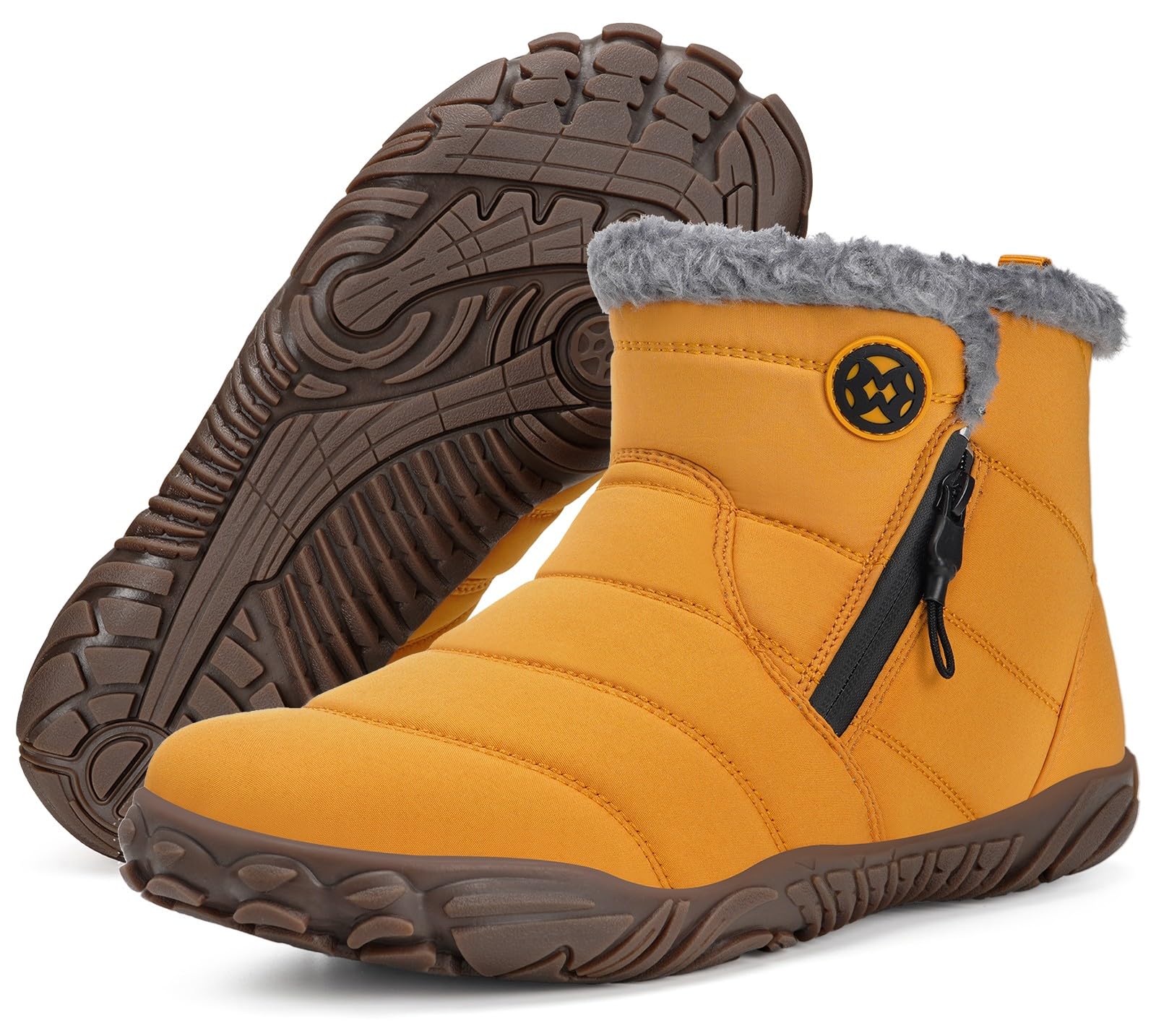
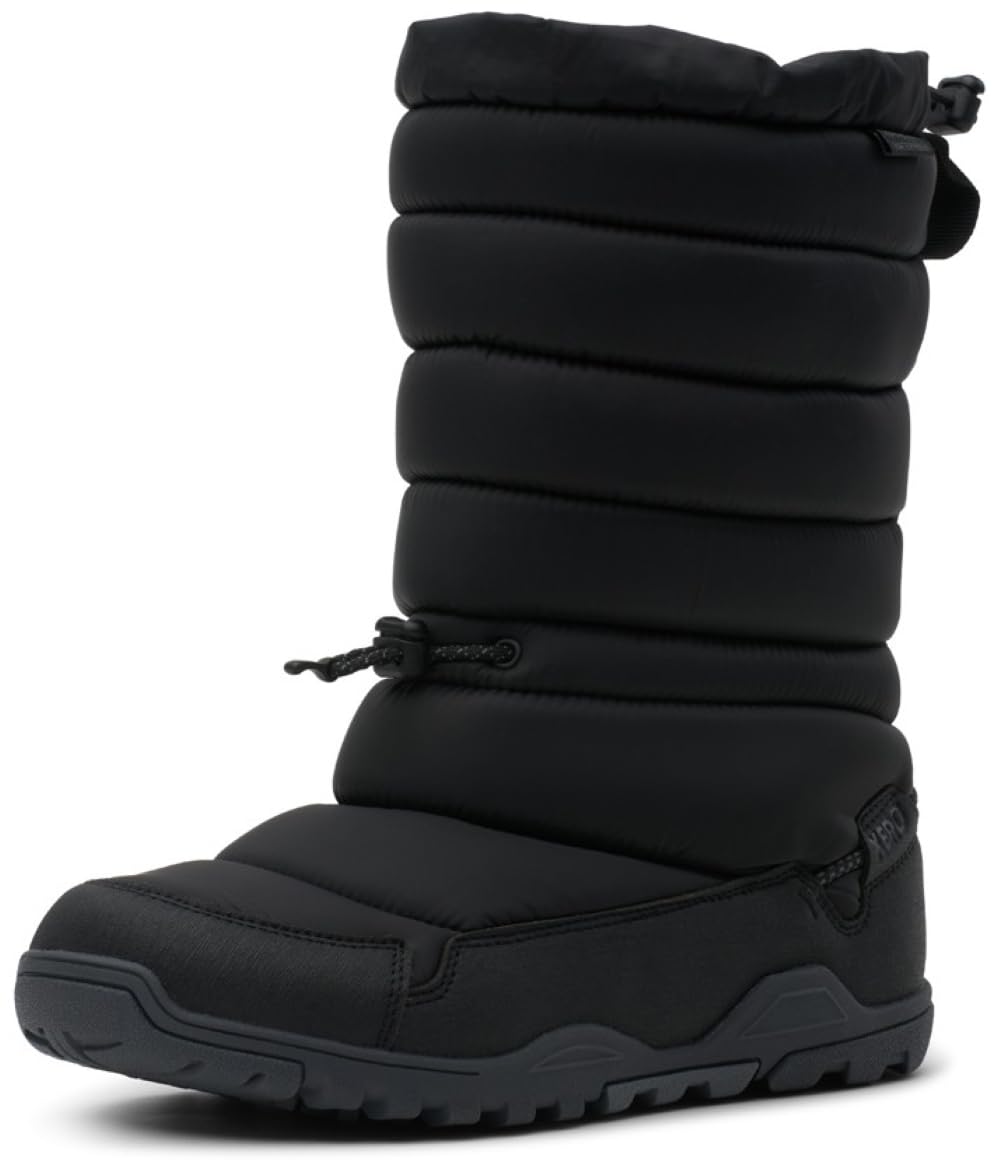
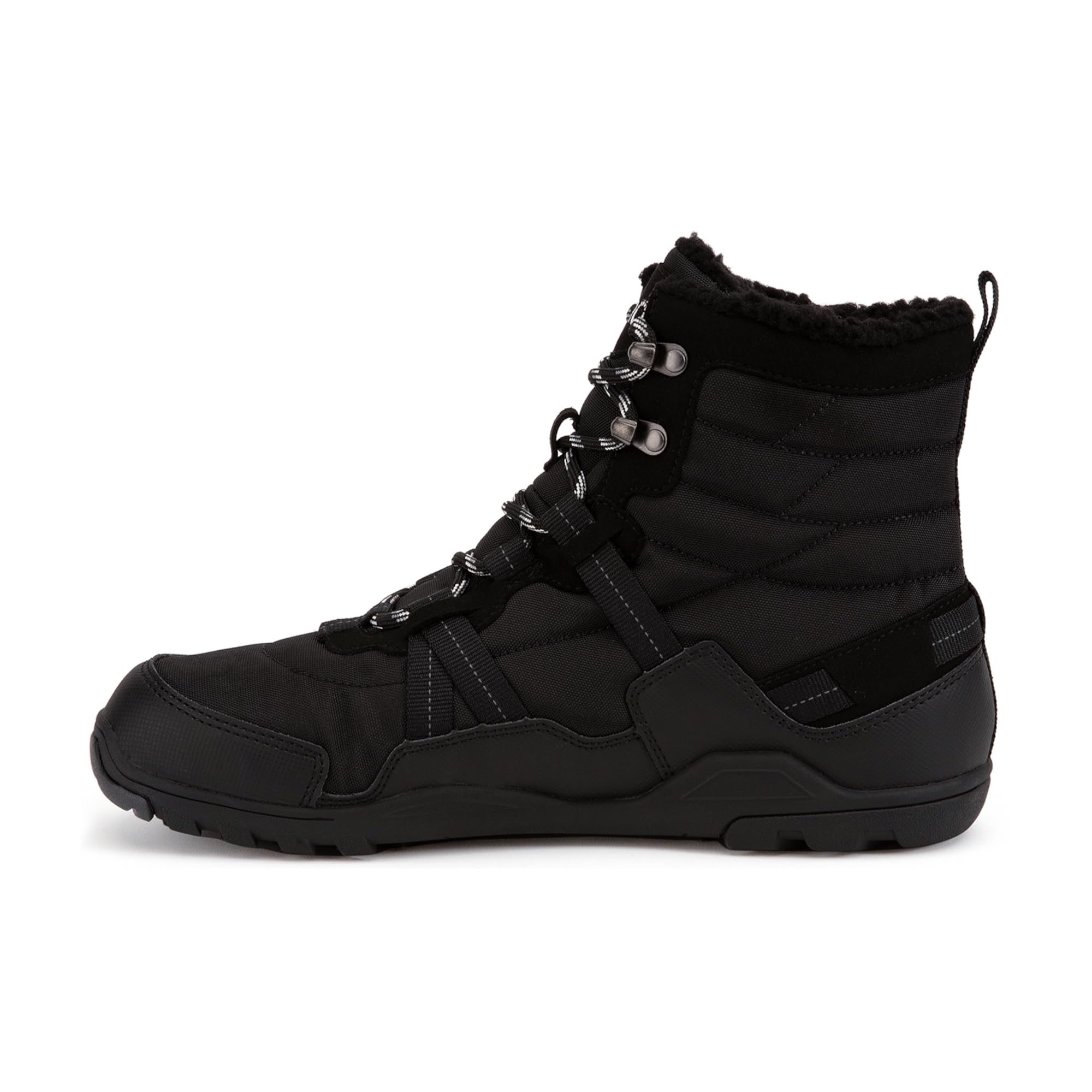
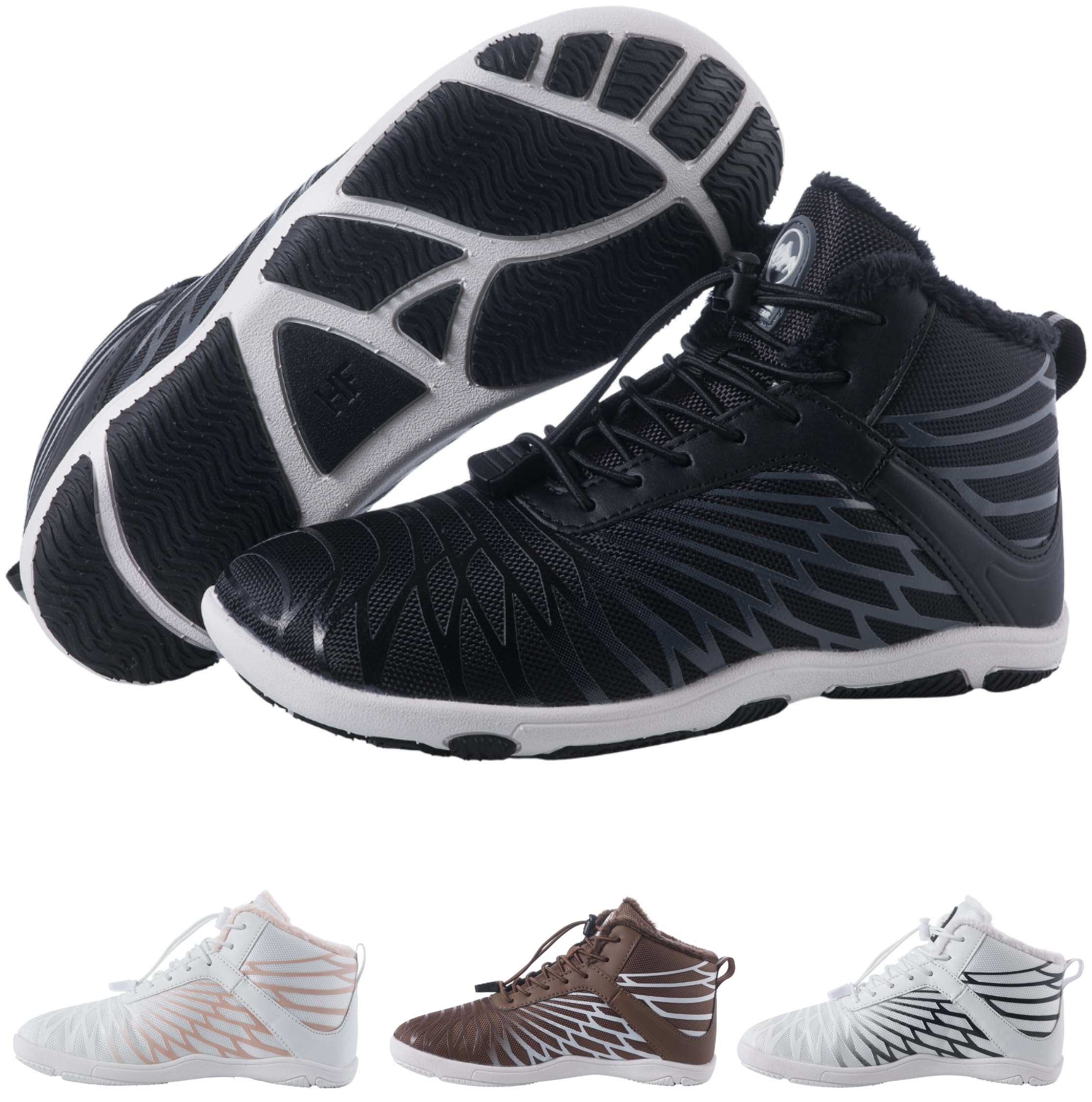
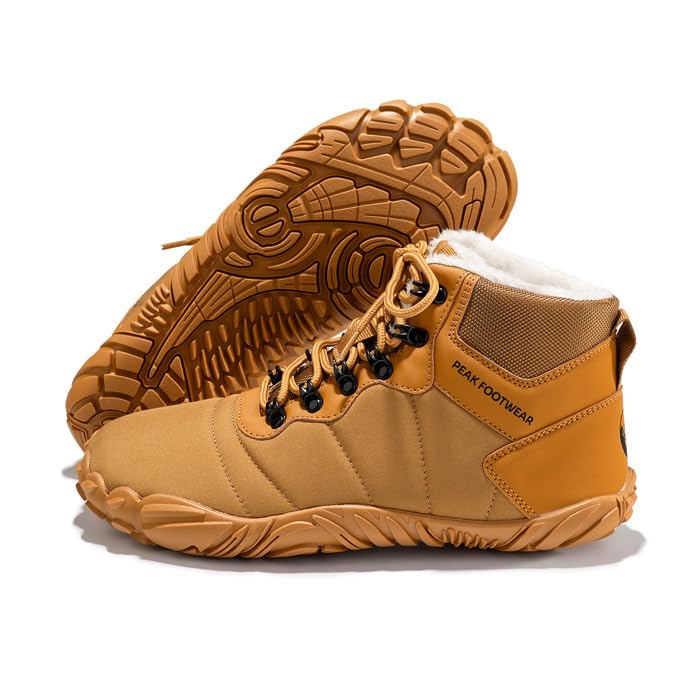
Barefoot boots change how winter feels underfoot, but snow adds cold, slush, and slick ground. The best barefoot snow boots keep the wide toe box and flat sole you want while adding real insulation and grip. Use the comparison table below to match each price tier to the winter you actually face.
Start with two questions. How cold does it get where you walk, and how long will you stay outside? Short trips on cleared sidewalks need far less boot than dog walks and transit waits in deep snow, and that difference should drive your budget.

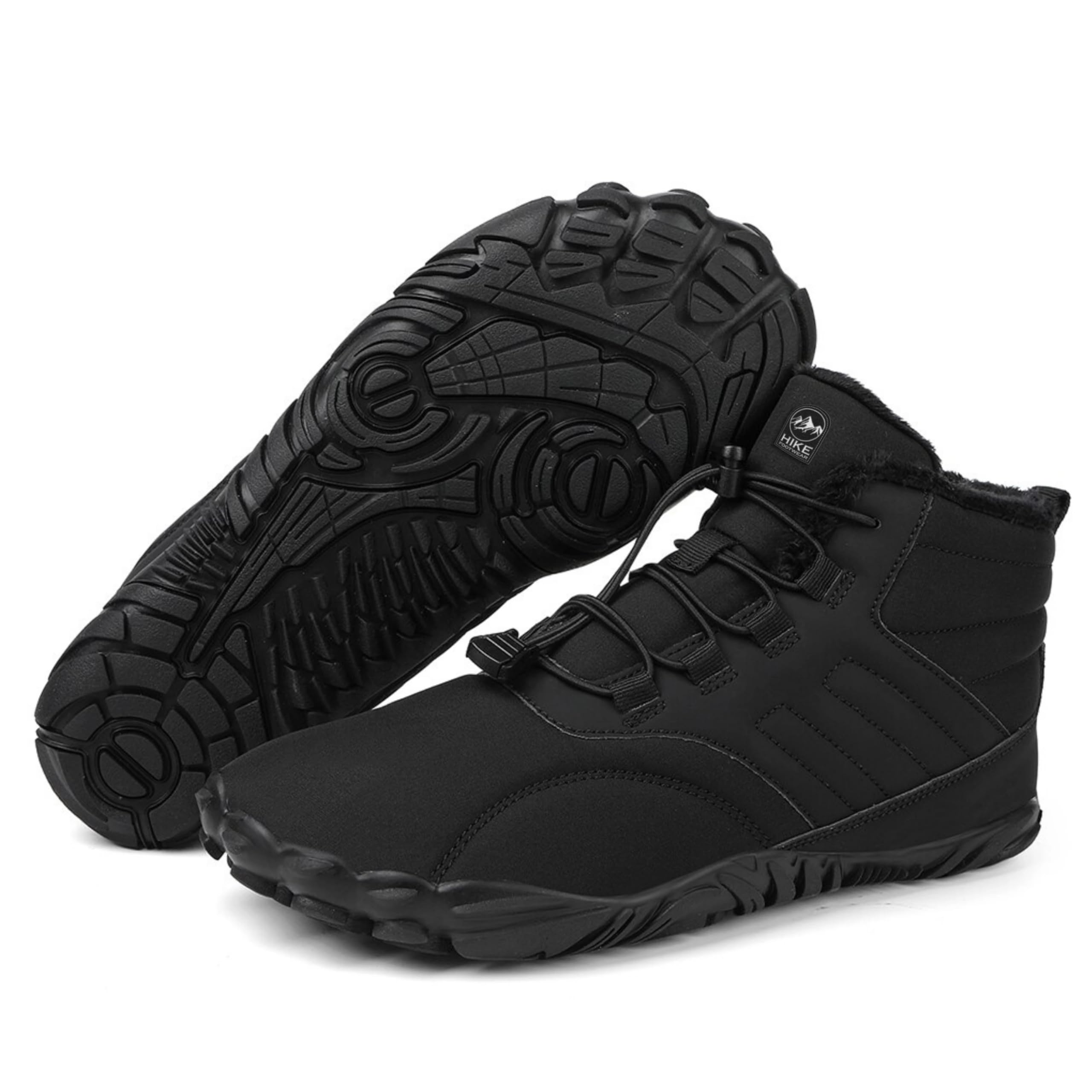
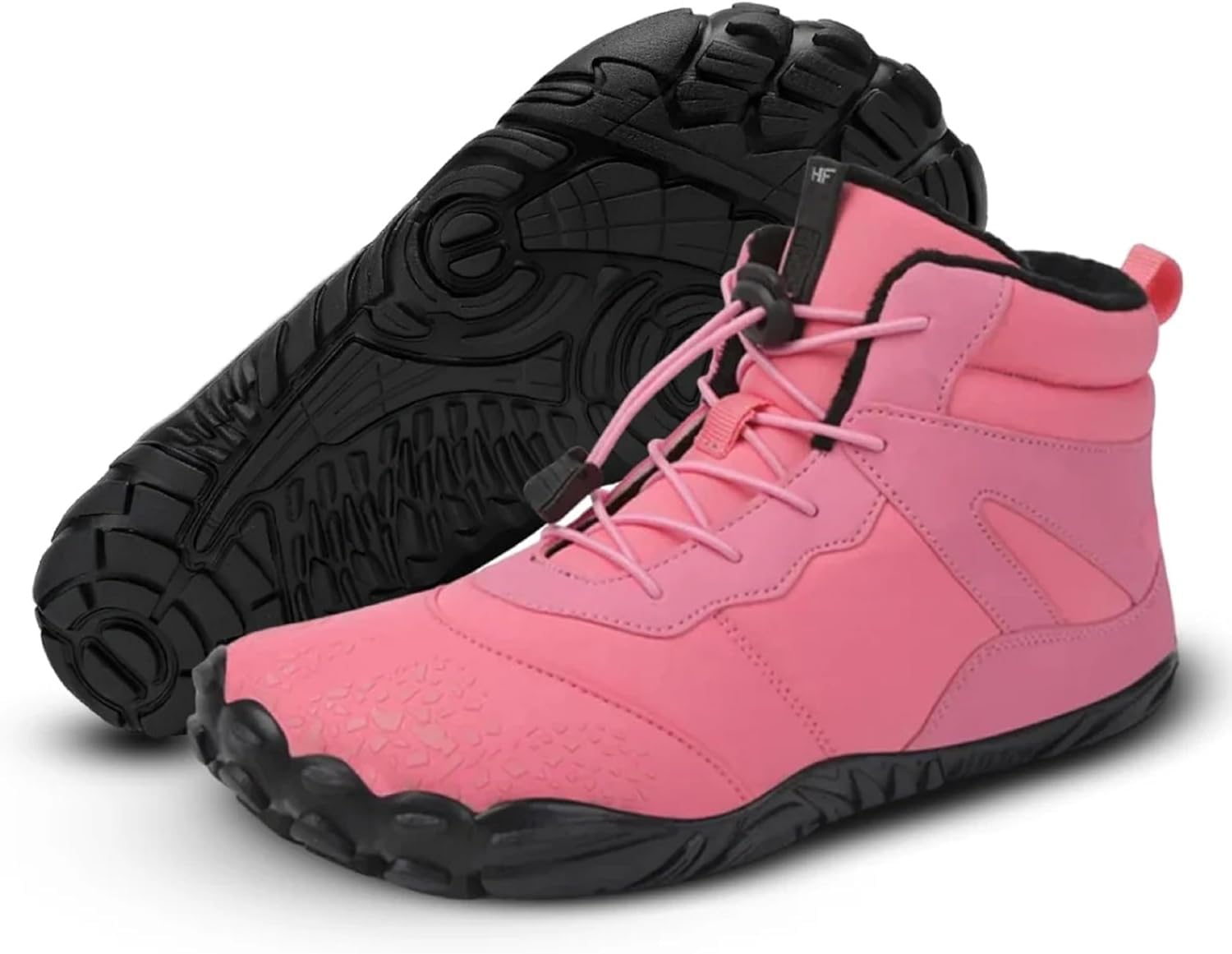
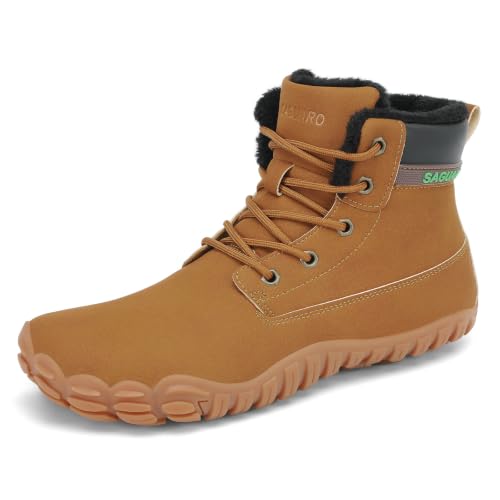
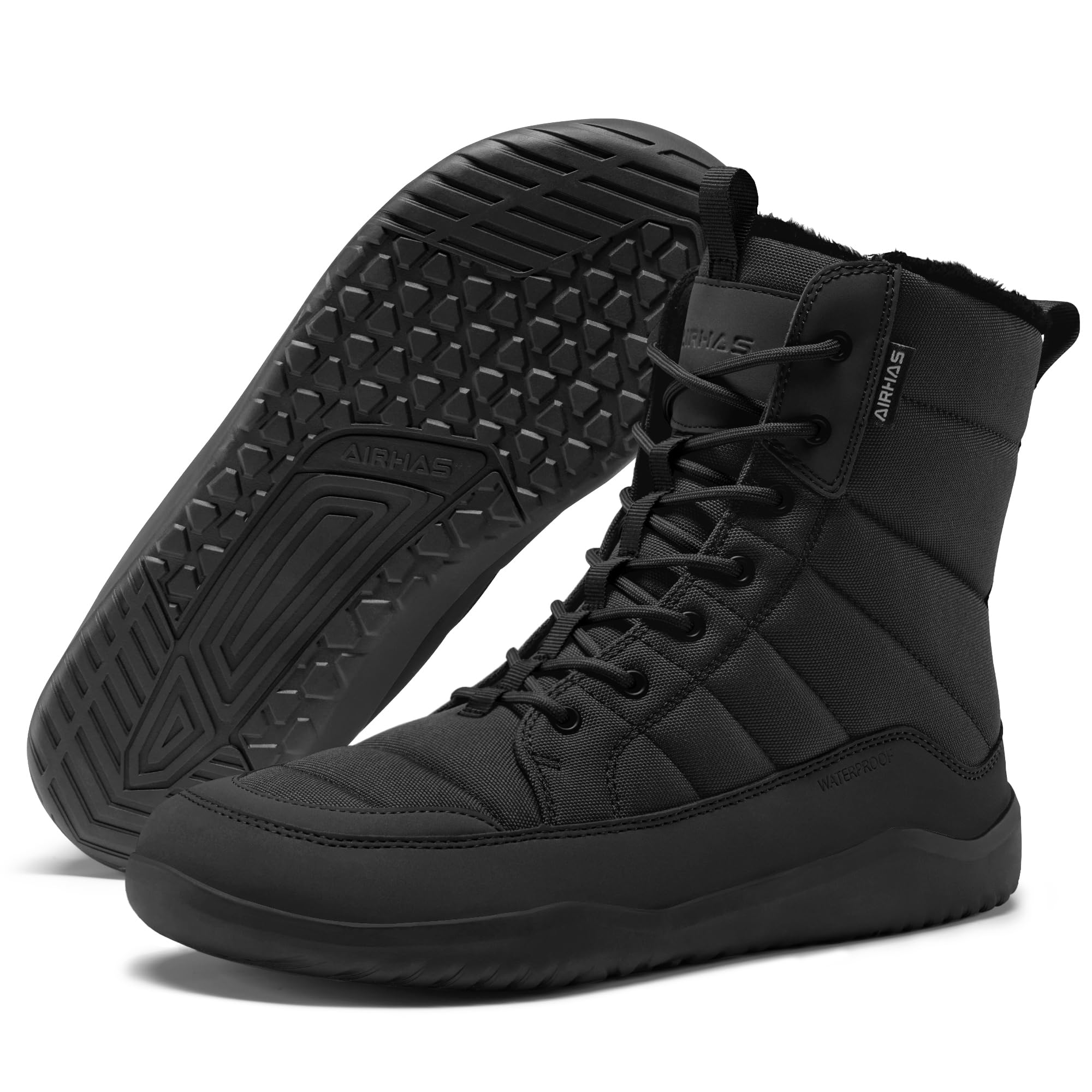
Who Should Buy Barefoot Snow Boots?
Your experience and winter routine matter more than brand names.
Experienced Barefoot Wearers Facing Real Snow
You already walk in flat, flexible footwear without a raised heel. Look for a true zero drop sole, a wide toe box, and insulation chosen for your coldest mornings. You can likely skip extra arch support, because your usual footwear has trained your feet to provide their own stability. If your dry weather pairs need replacing too, see our guide to the best barefoot boots.
Newcomers Moving From Cushioned Winter Boots
You are used to thick padding and a raised heel, so a sudden switch can leave calves and feet tired on long walks. Choose a model with modest sole thickness while you adapt, and build up wearing time over several weeks. Talk with a clinician or foot professional if you notice sharp pain, lasting numbness, or swelling that does not settle with rest, and ask about your personal needs before longer walks.
Wide Footed Walkers Who Need Toe Room in Winter
Conventional snow boots often taper at the toes, which squeezes your forefoot with thick socks. A foot shaped barefoot boot lets your toes spread, and that spread helps balance on uneven snow. If standard boots in your size still pinch, compare toe box width before insulation, because a warm boot you cannot wear for an hour is the wrong boot.
Key Features to Compare
Compare these five factors in order.
Wide Toe Box and Foot Shaped Fit
The toe box is the front of the boot where your toes sit, and in a barefoot boot it follows the natural shape of your foot instead of tapering to a point. That room lets toes spread for balance and leaves space for winter socks without squeezing blood flow. Measure your feet in the evening while wearing winter socks, then check length and width against the model sizing chart.
Zero Drop Sole, Ground Feel, and Stability
Heel to toe drop describes how much higher the heel sits than the toes, and barefoot boots keep that drop at or near zero. A thinner sole gives clearer ground feel, which helps you react on packed snow, while a thicker sole dulls cold from frozen ground. Most barefoot boots offer little built in arch support, so stability comes from your own foot placement and a sole that flexes with you.
Insulation That Still Works With Thick Socks
Insulation traps warm air around your foot, and common options include wool blends, fleece linings, and synthetic fill. More insulation helps on slow, standing heavy days like watching games or waiting for a bus, but it can feel too warm on fast walks. Pick the level for your longest still period outside, and leave socks room to loft.
Waterproof Membrane, Sealed Seams, and Shaft Height
A waterproof membrane blocks slush and meltwater while letting some vapor escape. Options range from house membranes to Gore Tex linings. No winter boot is fully breathable once it is waterproof, so expect a trade off between dryness and airflow on mild days. Sealed seams matter as much as the membrane, because stitch holes leak first. A taller shaft keeps loose snow out at the top, while a shorter shaft feels lighter.
Outsole Lugs and Grip on Snow and Ice
The outsole is the rubber layer that meets the ground, and its lug pattern decides how the boot bites into snow. Deeper, widely spaced lugs clear soft snow well, while softer rubber grips better on cold, hard surfaces. On glare ice, no lug pattern replaces caution or added traction aids. Judge weight against other snow boots, not against the lightweight shoes you wear in summer.
Barefoot Snow Boot Price Tiers: Warmth and Waterproofing at Each Level
Spending more on the best barefoot snow boots is only sensible when the extra money buys warmth, waterproofing, or durability you will use. If you also weigh standard insulated models, see our guide to the best snow boots for how conventional boots trade toe room for cushioning.
Budget Tier: Basic Warmth for Light Snow
Budget models cost about $90 to $130 and usually pair a basic waterproof coating with light insulation and a simpler outsole. They suit mild winters, short errands, and cleared sidewalks where deep snow is rare. Expect thinner linings and a shaft that may let snow in at the top.
Midrange Tier: Stronger Waterproofing for Daily Winter Use
Midrange models cost about $140 to $180 and usually add a proper membrane, better sealed seams, warmer lining, and deeper lugs than budget pairs. Most daily walkers get the best balance here, because the gains show up on wet, cold commutes. Materials also hold up longer under salt and repeated drying.
Premium Tier: Deeper Insulation and Tougher Materials
Premium models cost about $190 to $240 and tend to use denser insulation, tougher leather or reinforced textile uppers, and rubber that stays flexible in deeper cold. The extra spend pays off for rural driveways, long dog walks, and regions where snow stays for months, and far less in a mild city winter. Confirm the sizing exchange policy first, because a premium boot in the wrong size is still wrong.
Long term costs stay modest but real. Budget for warm socks, replacement laces, and a fresh insole pair each season or two, plus reproofing spray for textile uppers where the maker allows it.
How Barefoot Snow Boots Should Fit With Winter Socks
Fit decides whether insulation can do its work, so treat sizing as its own step. Measure both feet, because one is often longer, and size for the longer foot. Leave roughly a thumb width in front of your longest toe while standing, since feet settle forward on slopes.
Sizing runs differ between brands. Women may find that a unisex last feels wide at the heel even when the toe box is right, so if you want a women specific fit instead, see our guide to the best ladies snow boots. Men with very wide feet face the opposite issue at the toes, and our guide to the best snow boots for man shows conventional options.
Common Mistakes to Avoid
- Ordering your summer shoe size leaves no room for winter socks and makes your toes cold.
- Choosing insulation for the coldest day of the year leaves you overheated on most winter walks.
- Assuming a waterproof membrane makes a low shaft safe in deep snow lets snow pour in over the top.
- Switching to zero drop boots for full day walks at once leaves calves and feet sore for days.
- Judging grip on dry store floors tells you nothing about how the outsole handles packed snow.
- Drying boots on a hot radiator cracks leather and weakens the adhesives that hold the sole.
Care and Maintenance for Barefoot Snow Boots
After each wet outing, pull out the insoles, loosen the laces, and let the boots dry away from direct heat. Stuffing them loosely with plain paper draws moisture from the toe area overnight. Brush off dried salt before it works into seams, and wipe leather uppers when white salt lines appear.
Store clean, fully dry boots upright out of direct sun during the off season. Check lug depth before the first snow, because a worn outsole will not recover its grip. Reproof textile uppers only with products the maker approves, since the wrong spray can affect how a membrane handles vapor.
Frequently Asked Questions
Do barefoot snow boots need to be waterproof for daily winter wear?
Yes, barefoot snow boots need real waterproofing for most daily winter wear, because slush and meltwater soak through faster than falling snow does. One point many buyers miss is the tongue area, where slush enters on many designs, so check how the tongue connects to the shaft.
Are expensive barefoot snow boots worth the extra cost?
Expensive barefoot snow boots are worth it when your winter is long, wet, and well below freezing for months. The extra money mainly buys insulation, tougher uppers, and rubber that stays flexible in deep cold. If your snow melts within a day or two, rotating a second pair of warm socks will do more for comfort.
How should barefoot snow boots fit with thick winter socks?
Barefoot snow boots should feel roomy at the toes and secure at the heel with your thickest winter socks. Your toes should spread without pressing the sides, and your heel should lift only slightly. Try them late in the day and step down from a curb, because a fit that works standing still can still jam your toes on a descent.
How long is the break in period for barefoot snow boots?
The break in period for barefoot snow boots is usually about two to four weeks of gradually longer walks. The materials soften a little, but most of the change is your calves and feet adapting to flat soles. Start with short errands and add time every few days.
Can you wear barefoot snow boots all day in winter?
Yes, you can wear barefoot snow boots all day in winter once your feet have adapted to flat soles. For a day mixing outdoor walking with heated indoor hours, carry lighter indoor socks, because insulated boots can make feet sweat inside. Sweat soaked socks will chill your feet fast back outside, so a midday sock change helps.
Final Thoughts
Choose by climate first, fit second, and price tier third. A wide toe box, a flat sole, honest insulation, and a membrane that keeps slush out will cover almost every winter walk. Use the product table above to check those points tier by tier.
When you compare best barefoot snow boots with your coldest week and longest walk in mind, the right tier usually picks itself.


