Best Barefoot Shoes for Work 2026: Office and On Your Feet Guide
Disclosure: We may earn a commission when you buy through links on this page, at no extra cost to you. As an Amazon Associate I earn from qualifying purchases. Learn more

The best barefoot shoes for work balance a wide toe box with a professional look and safe grip. Learn what to check for your workplace.
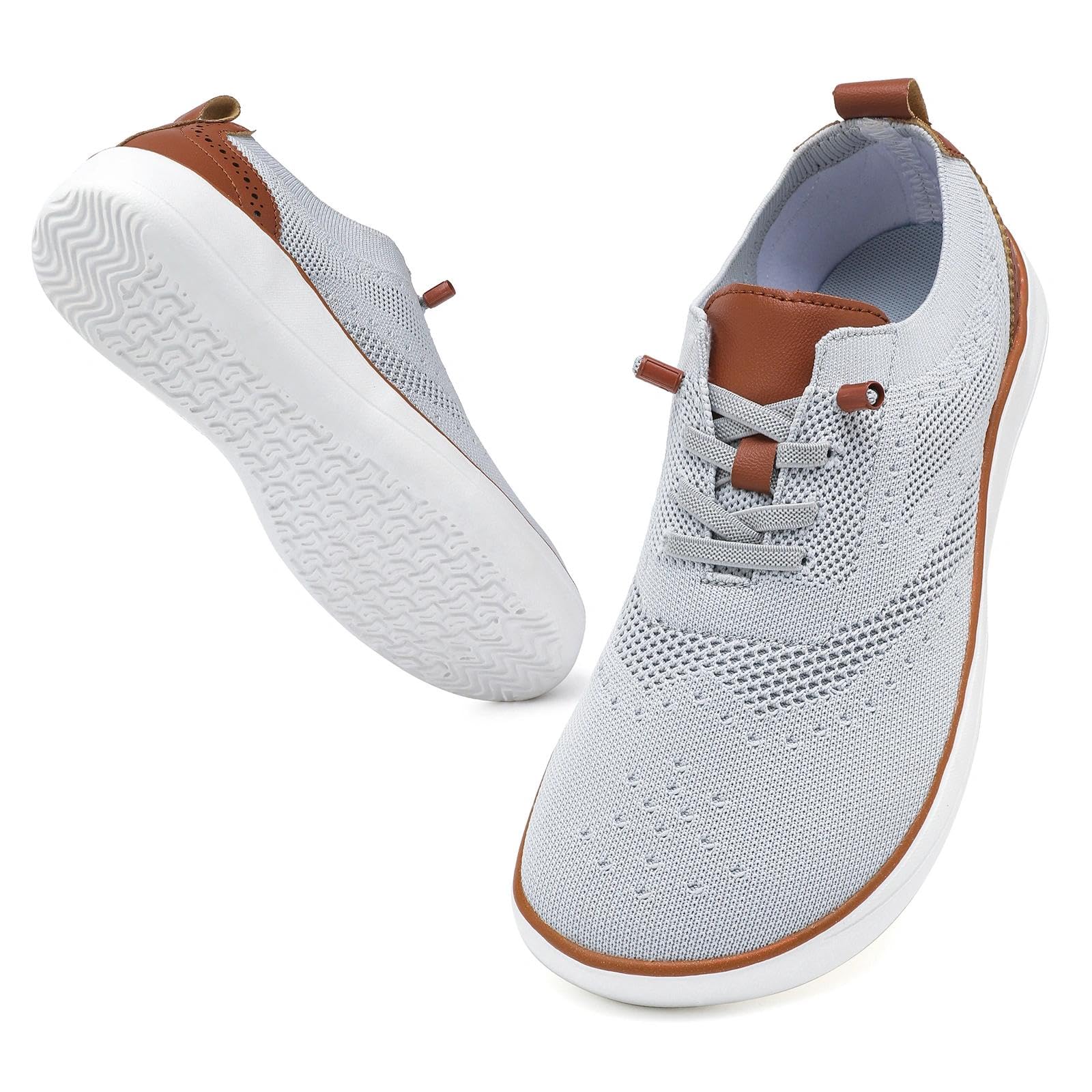
The best barefoot shoes for work keep a wide toe box and a flat, flexible sole while still looking right for your workplace. They suit people who spend the day standing or walking and want their feet to spread and move instead of being squeezed into a narrow, stiff shoe.
Work settings differ a lot, so this guide covers dress codes, floor surfaces, safety requirements and how to switch without sore feet.


Who Should Buy Barefoot Work Shoes
They suit office workers, teachers, retail staff and remote workers who commute on foot and want a comfortable everyday shoe. They also suit people who dislike heel lift and tight toe boxes. They do not replace safety footwear. If your job requires steel or composite toe caps, slip resistant certified soles or electrical hazard protection, follow your employer's rules and look for compliant boots or shoes first.
Types Compared
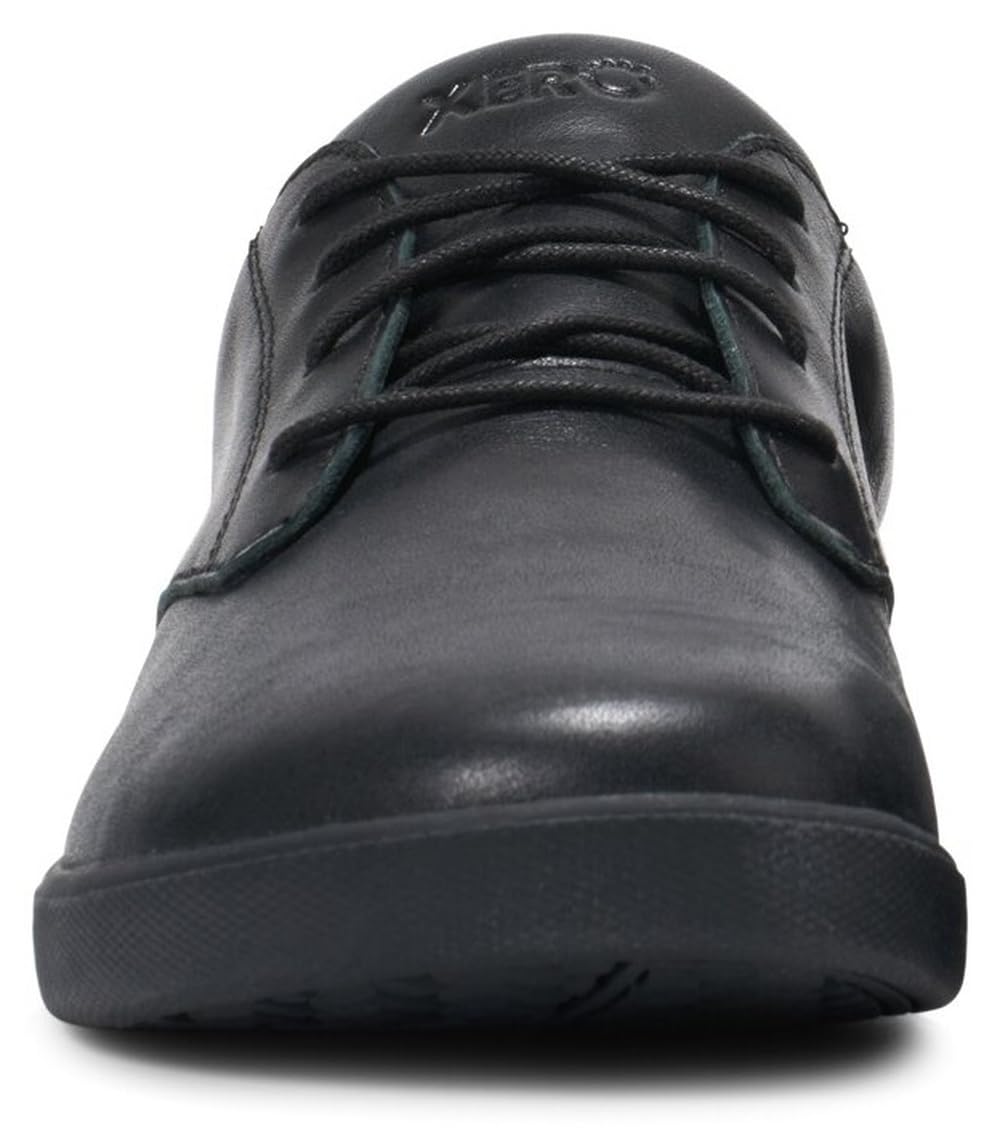
Barefoot dress shoes
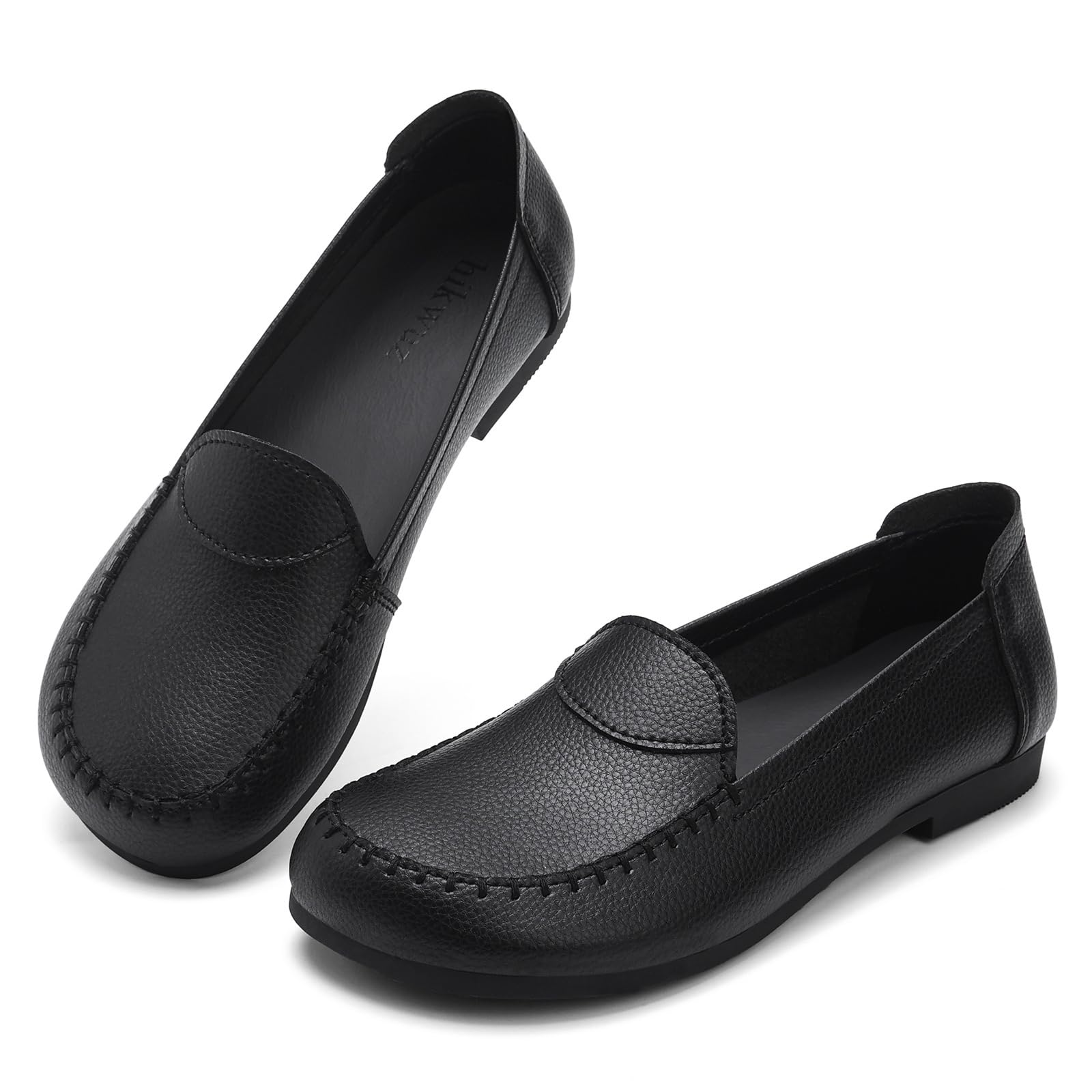
Leather or smooth synthetic uppers with a thin sole and a wide, rounded toe box. They suit business casual offices and meetings. Check that the sole still bends easily, because some dress styles add stiffness for looks.
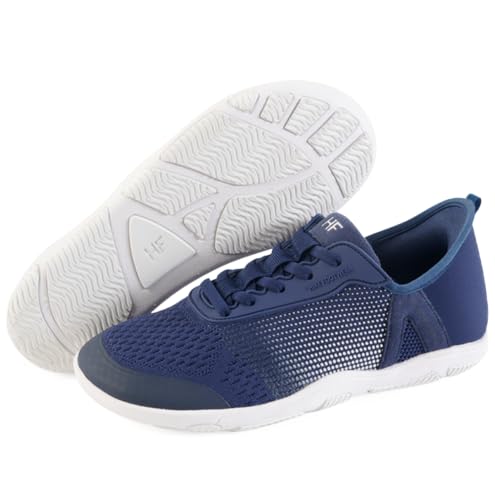
Casual barefoot sneakers
The easiest choice for relaxed workplaces and long days on your feet. Look for a plain dark upper and a clean sole so they pass for ordinary trainers.
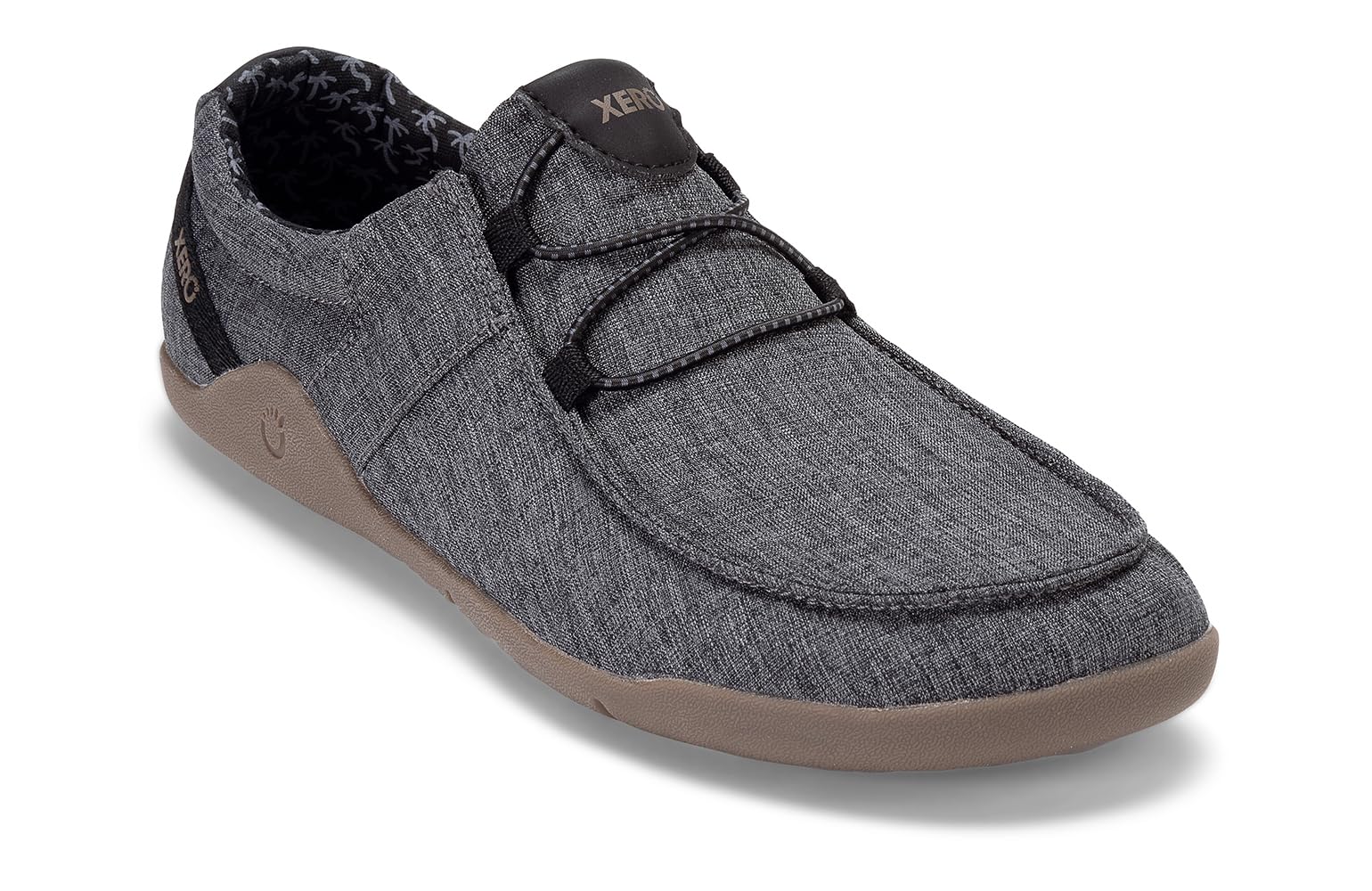
Barefoot loafers and flats
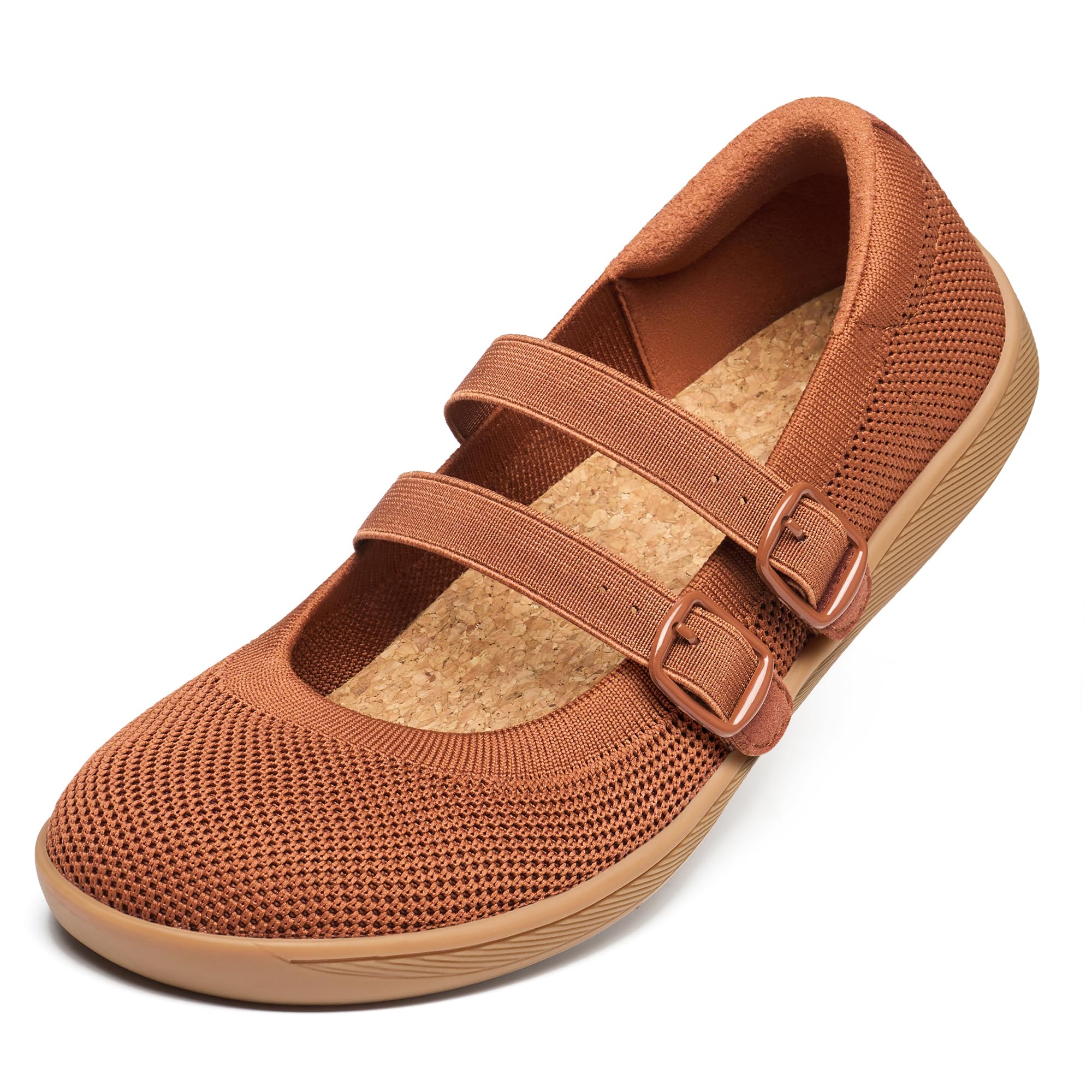
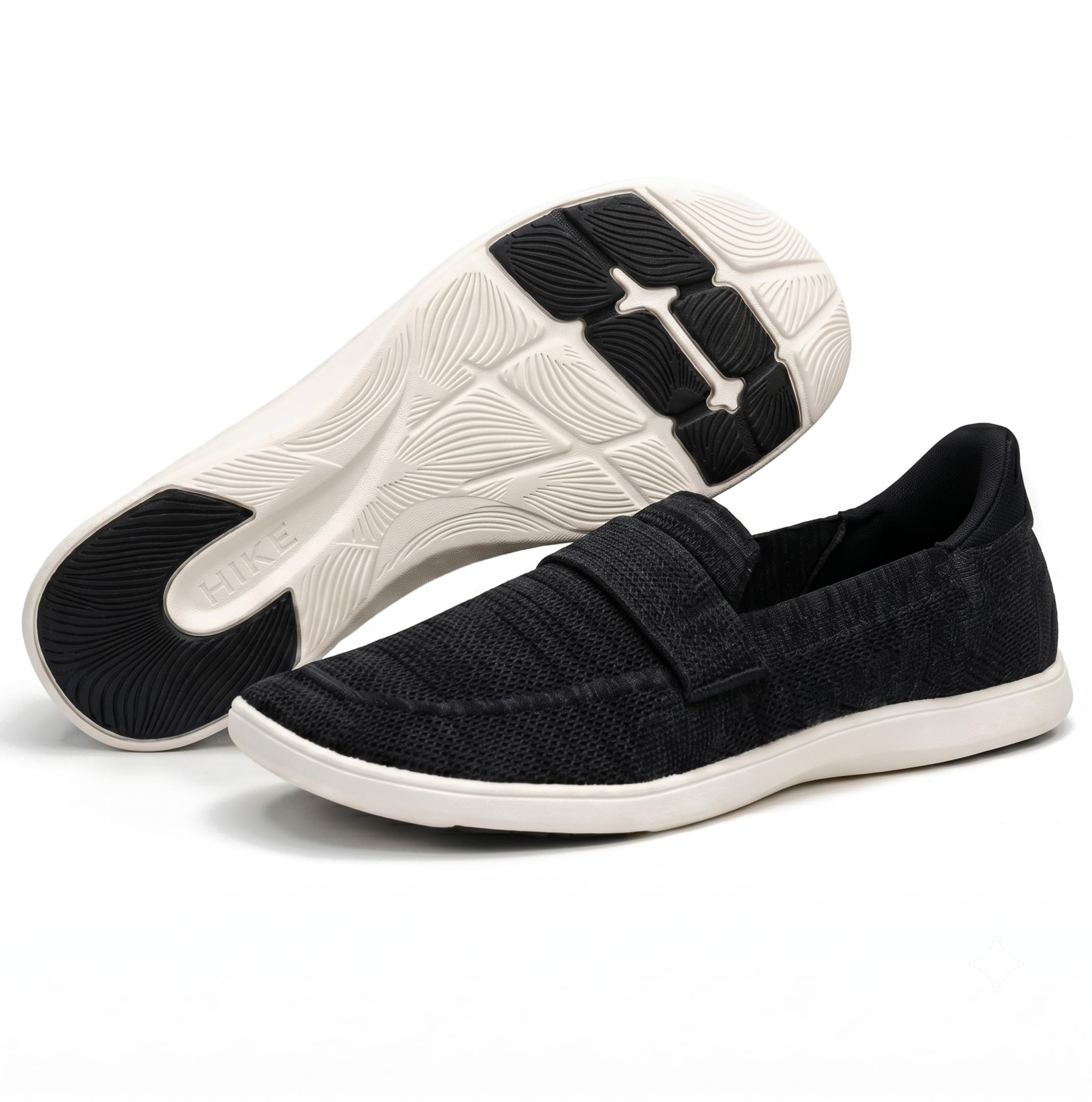
Slip on styles with a wide toe box suit quick changes between desk and meeting rooms. Make sure the heel is secure so your toes are not gripping to keep the shoe on.
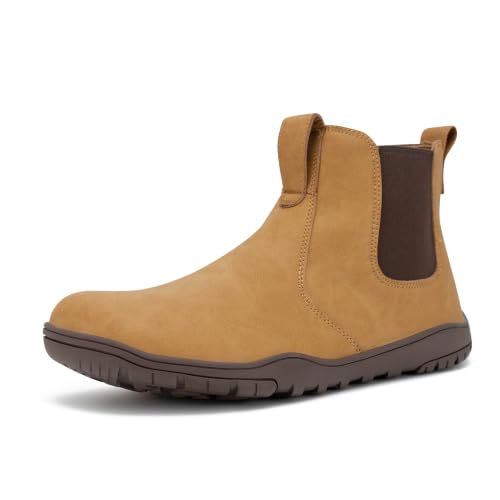
Barefoot boots
A mid or high top with a flat sole gives ankle coverage on cold days and in outdoor work. They suit commutes and light site visits, but not hazard rated jobs.
Features to Compare
- Toe box width: toes should lie flat and spread without pressing the sides.
- Sole: thin and flexible gives ground feel, but a slightly thicker sole is kinder on hard office floors and pavement.
- Grip: look for a tread that holds on tile, wet entrances and polished floors.
- Upper material: smooth leather or dark synthetic reads as smarter than mesh, and wipes clean easily.
- Heel hold: a snug heel prevents slipping and keeps the foot stable on stairs.
Switching at Work
Treat the change as gradual. Wear the shoes for part of the day first and swap back to your usual pair if your calves or feet feel tired. Increase wear time over a few weeks. Mild calf and foot tiredness is common early on, while sharp pain, swelling or numbness is a reason to stop and rest. Hard floors can be tiring in any thin soled shoe, so consider a thin cushioned insole if you stand all day.
If you have diabetes, neuropathy or a foot condition, talk with a clinician before changing your work shoes.
Workplace Rules and Dress Codes
Check your employer's footwear policy before you buy. Many offices allow clean, plain shoes in dark colours, while formal settings may require leather and a closed toe. Colour and finish matter more than sole thickness, so choose neutral tones such as black, brown or navy. If safety shoes are required, look for compliant boots with a wide toe box rather than a barefoot style shoe.
Choosing for Your Floor and Commute
Think about the surfaces you cross in a normal day. Polished tile and wet entrances need a tread that holds, while carpet and wood floors are forgiving. If your commute includes long walks or stairs, a snug heel hold and a slightly thicker sole make a big difference, and a pair of thin cushioned insoles can help on concrete. In winter, pick a sole with enough grip for icy paths or keep a second pair for the commute.
Sizing for Thicker Socks
Work socks are often thicker than the ones you wear for a test fit at home. Try shoes with the socks you wear most, and leave a thumb width in front of the longest toe so the toes can spread without touching the front. If you are between sizes, choose the larger one and secure the heel with the laces or a strap. Measure both feet, because many people have one slightly larger foot, and fit the larger one.
Budget and Value
Barefoot work shoes range from budget sneakers to leather dress models that cost several times more. Spend more when you wear them daily, because better leather, stitching and soles last longer and keep their shape. A mid priced pair worn four or five days a week and rotated with a second pair usually outlasts a single cheap pair that goes soft within months.
Care and Replacement
Wipe leather and synthetic uppers with a damp cloth and let them air out between days. Rotate two pairs if you wear them daily. Check the sole for uneven wear at the ball of the foot and the heel, and replace the pair when grip fades or the upper cracks at flex points.
Common Mistakes to Avoid
- Buying a shoe that is marketed as barefoot but has a tapered toe box.
- Wearing them for a full day on the first day.
- Ignoring workplace safety requirements.
- Choosing the wrong size for thicker winter socks.
Related Guides
For related comparisons, see best work shoes, best work shoes for men, best work shoes for women, best barefoot shoes and best barefoot shoes women's.
Frequently Asked Questions
Can I wear barefoot shoes in an office?
Yes, if the design is plain and fits your dress code. Dark leather or canvas styles with a rounded toe look much like ordinary shoes.
Are they good for standing all day?
Many people find the wide toe box comfortable, but thin soles feel hard on concrete or tile. A thin insole or a slightly thicker sole can help.
Can they replace safety shoes?
No. Jobs that require toe protection or slip resistant certification need compliant footwear. Barefoot shoes are for everyday and office use.
How long does it take to adjust?
Most people need a few weeks of gradually longer wear. Start with half days and swap back if your feet feel overworked.
Final Thoughts
Pick a style that suits your dress code, check the toe box and sole, and build up wear time slowly. The best barefoot shoes for work let your feet move naturally without breaking workplace rules. If foot pain persists, talk with your clinician.