Best Barefoot Casual Shoes 2026: Everyday Comfort Guide
Disclosure: We may earn a commission when you buy through links on this page, at no extra cost to you. As an Amazon Associate I earn from qualifying purchases. Learn more

The best barefoot casual shoes pair a wide toe box and thin flexible sole with an everyday look. Learn what to check and how to adapt.
The best barefoot casual shoes look like ordinary everyday shoes but keep a wide toe box and a thin, flexible sole.
Barefoot casual shoes aim to feel close to walking without shoes, while still protecting the soles from rough ground, heat, and sharp objects. They usually have a wide toe box, a thin flexible sole, and little or no heel rise. This guide explains how that design changes walking, what to check before buying, and how to move into them gradually. The comparison table below brings the main choices together in one place.




Understanding Barefoot Casual Shoes
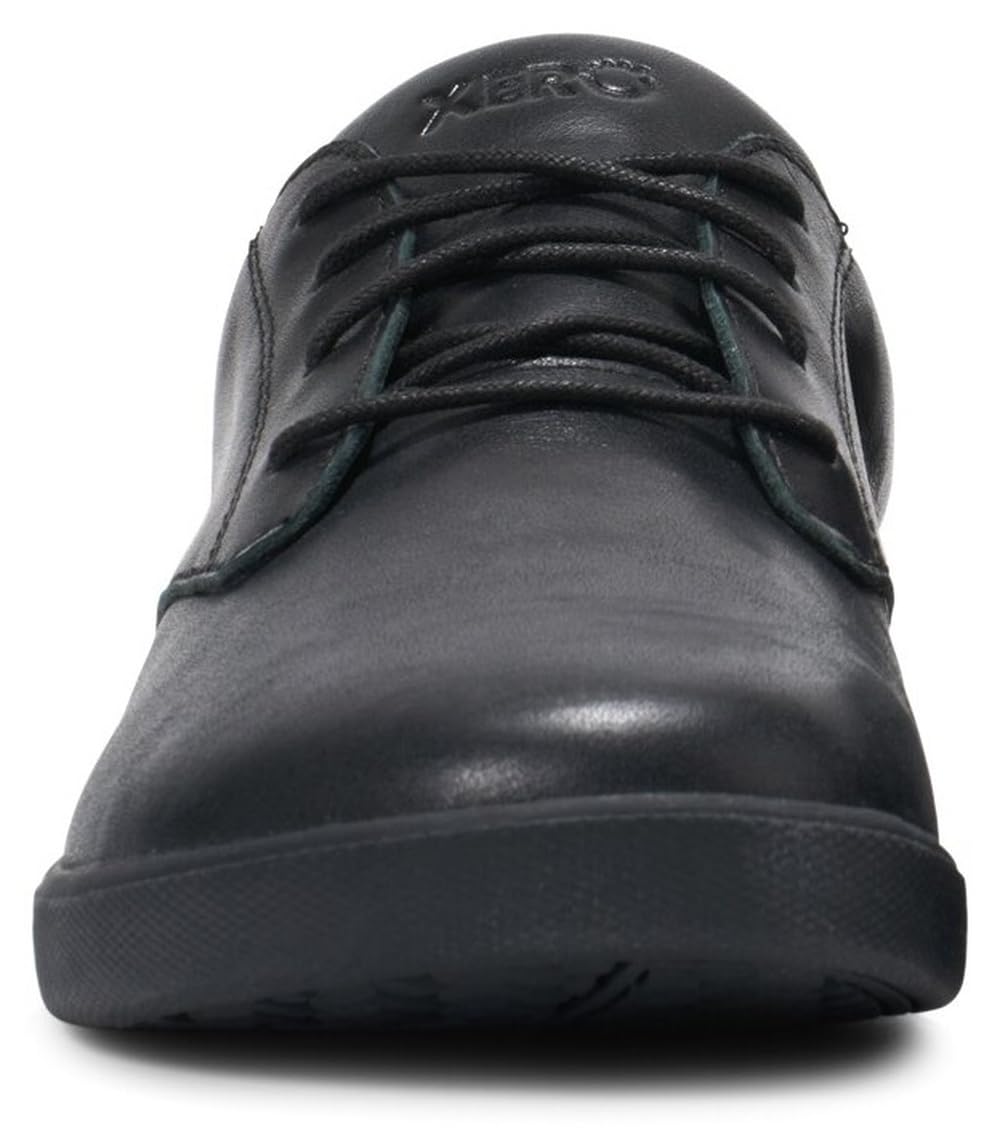
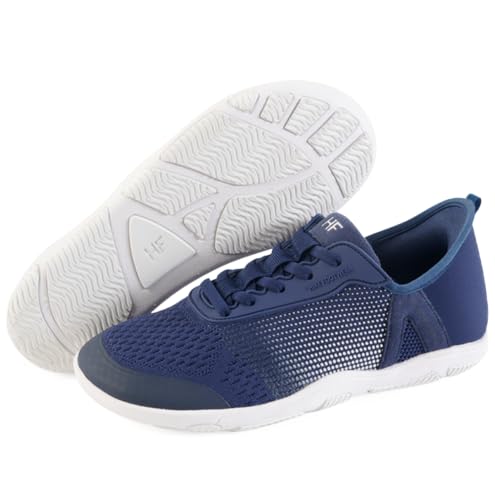
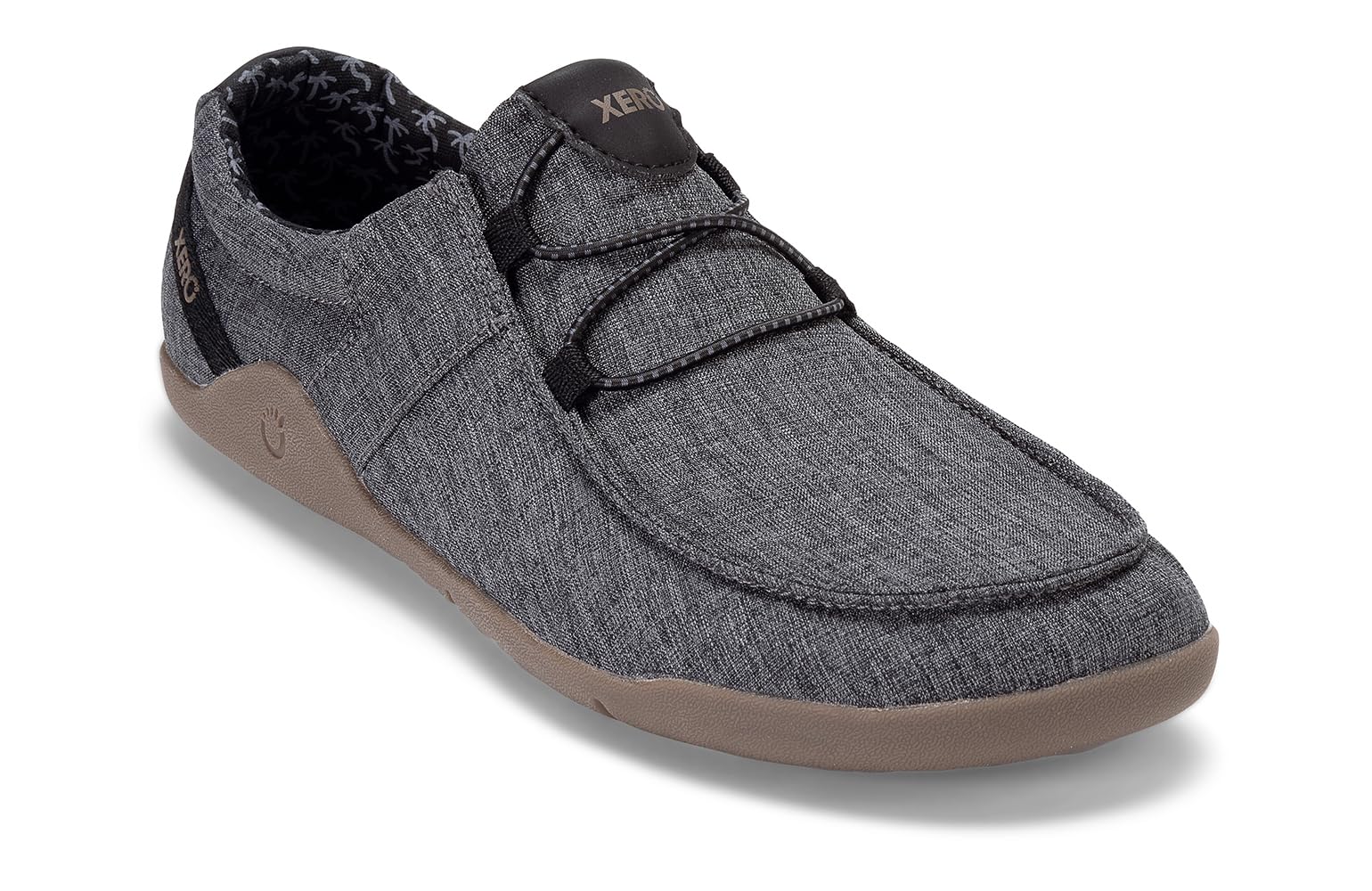
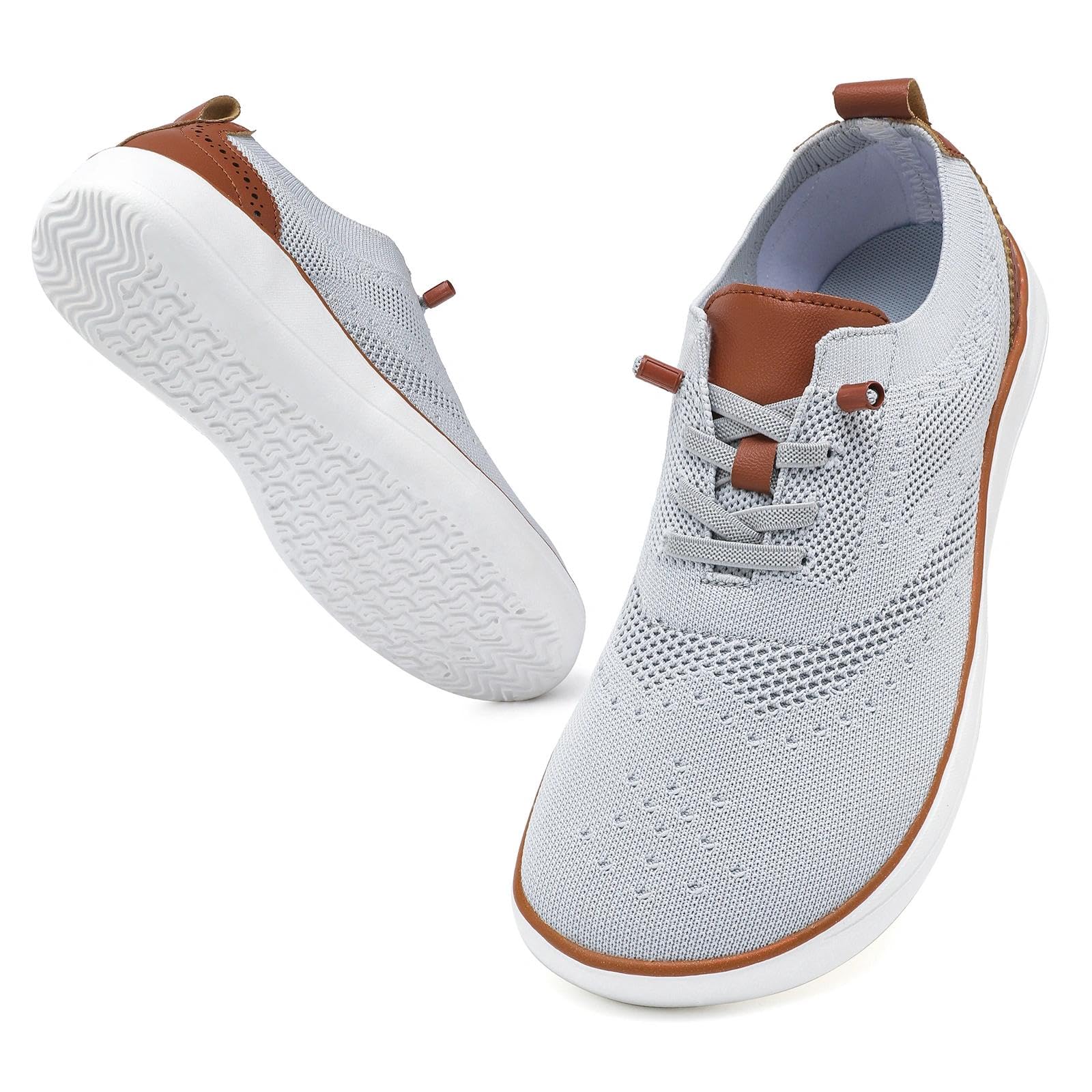
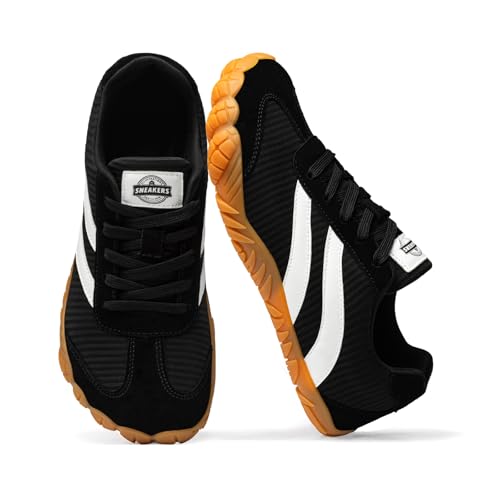
A barefoot shoe lets the foot bend, spread, and sense the ground. The sole is thin and flexible, so it folds easily in the hand, and the toe box is shaped like a foot rather than tapering to a point. There is usually no raised heel, which keeps the foot level from heel to toe. Casual versions add everyday styling and simple materials, so they suit errands, walks, and light daily wear rather than trail running or heavy work.
Types Compared
There is no single type that suits everyone, so compare the options below against your space, your routine, and your budget. The right type is the one that fits your daily use, not the one with the longest feature list.
Minimal everyday shoes
These look like ordinary trainers or low shoes, but keep a thin sole and a wide toe box. They suit daily wear, short walks, and office days when you want a natural feel without a sporty look. The upper is often canvas or soft leather, which breaks in gently.
Check that the sole still bends at the ball of the foot, since some casual styles add stiffness for looks. A shoe that will not fold easily is not giving a true barefoot feel.
Slip on barefoot shoes
Slip on styles skip laces for easy on and off, using elastic or a stretch collar to hold the foot. They suit quick trips, travel, and warm weather, when convenience matters. The fit must still be secure, or the heel will lift with each step.
Try them with the socks you plan to wear, and walk up and down stairs. If the heel slips repeatedly, a laced version will hold the foot better.
Barefoot shoes with light cushion
Some casual barefoot shoes add a thin cushioned insole for comfort on hard pavements. The sole stays flexible and level, but the extra layer softens impact on concrete. This can ease the move from thick cushioned shoes to a minimal feel.
These suit people who walk mainly on city pavements, or who stand for long periods. Remove the insole if you want a closer ground feel, and check that the shoe still fits well without it.
Key Features to Compare
Use this list as a shortlist tool. Note which features matter most for your situation, and ignore the rest, so a long specification sheet does not distract you from fit and everyday usability.
- Wide foot shaped toe box: Toes should spread naturally, with no pressure on the little toe or the big toe joint.
- Thin flexible sole: A sole you can bend and twist easily lets the foot move and sense the ground.
- Zero heel rise: A level footbed keeps posture neutral, rather than tilting weight toward the toes.
- Light weight: A light shoe tires the legs less and encourages a natural stride.
- Breathable upper: Mesh or soft natural materials keep feet cooler on warm days and dry faster after rain.
Who Should Buy These
Barefoot casual shoes suit walkers who want stronger feet, people who dislike stiff narrow shoes, and anyone curious about a more natural stride. They also suit travellers who pack light, since many pairs fold flat. They are less suited to rough worksites, very cold weather, or anyone who needs heavy ankle support. Start with short walks and build time slowly, since feet and calves need weeks to adapt.
Common Mistakes to Avoid
The biggest mistake is switching all at once from thick cushioned shoes to thin soles, which often leads to sore calves, aching arches, or tender soles. Another is buying a size too small, because a barefoot toe box needs room for the toes to spread. Ignoring ground conditions is also common. Thin soles protect against small stones, but they do not replace sturdy boots on rough trails or building sites.
Care and Safety
Air barefoot shoes after wear, and wash canvas pairs on a gentle cycle only if the maker allows it. Check soles for wear at the heel and the ball of the foot, since thin soles wear faster than thick ones. Replace shoes when the sole thins unevenly or the upper loses its hold. If you notice sharp pain, swelling, numbness, or pain that lasts more than a few days, rest and talk with a clinician or podiatrist before continuing.
Related Guides
Related guides can help you compare nearby choices. For the wider category, see the guide to best barefoot shoes, and for everyday styling, see the guide to best casual shoes. Men comparing fits may like the guide to best casual shoes for men, the guide to best barefoot shoes women's, and the guide to best men's barefoot shoes.
Frequently Asked Questions
How long does it take to adapt to barefoot shoes?
Most people need several weeks of gradual use, starting with short walks around the home and building to longer outings. Calf tightness and mild foot tiredness are common at first, because muscles work in new ways. Increase time slowly, and keep a cushioned pair handy for long days.
Are barefoot shoes good for flat feet?
They can suit some people with flat feet, since they encourage foot strength and natural movement, but they are not a treatment. A flat insole or an arch support insert may help during the transition. If pain persists, or arches ache after short walks, seek advice from a podiatrist.
Can I wear barefoot shoes all day?
Yes, once you have adapted, many people wear them all day for walking and daily tasks. Build up gradually, and listen to fatigue in the feet and calves. On very hard floors, a thin cushioned insole can add comfort without losing the flexible feel.
Do barefoot shoes protect against sharp objects?
They protect against small stones, grit, and hot pavements, but a thin sole cannot stop a nail or a sharp rock. Check the ground ahead, and choose sturdier footwear for rough trails, worksites, or areas with broken glass. Inspect soles regularly for cuts.
What socks work best with barefoot shoes?
Thin socks, toe socks, or no socks all work, depending on the shoe and the weather. Toe socks let toes spread fully, while thin ordinary socks add a little warmth. Avoid thick cushioned socks, which fill the toe box and reduce the barefoot feel.
Final Thoughts
Choosing the right barefoot casual shoes comes down to fit, everyday usability, and honest priorities, rather than chasing every feature on offer. Use the product table above to narrow your shortlist, test fit and feel where you can, and keep safety and care in mind after purchase. With that approach, best barefoot casual shoes becomes a confident choice you can enjoy for a long time.