
Best Bar Ends for Mountain Bike in 2026: What Actually Matters Before You Buy
Disclosure: We may earn a commission when you buy through links on this page, at no extra cost to you. As an Amazon Associate I earn from qualifying purchases. Learn more

Compare mountain bike bar end shapes, materials, clamp fit and grip surface, with a buyer checklist, install steps and care tips for flat bars.
Bar ends look like a small add on, yet they change how your hands and wrists feel on every climb. The best bar ends for mountain bike riders give you a second hand position, better pulling leverage on steep ground and a place to stretch your fingers on long flat stretches. Use the comparison table below to check shape, material and clamp style against the way you ride.
This guide uses a simple checklist instead of guesswork. Match the extension to your riding first, then compare length, material, bar compatibility and grip surface, and finish with angle and bolt torque.
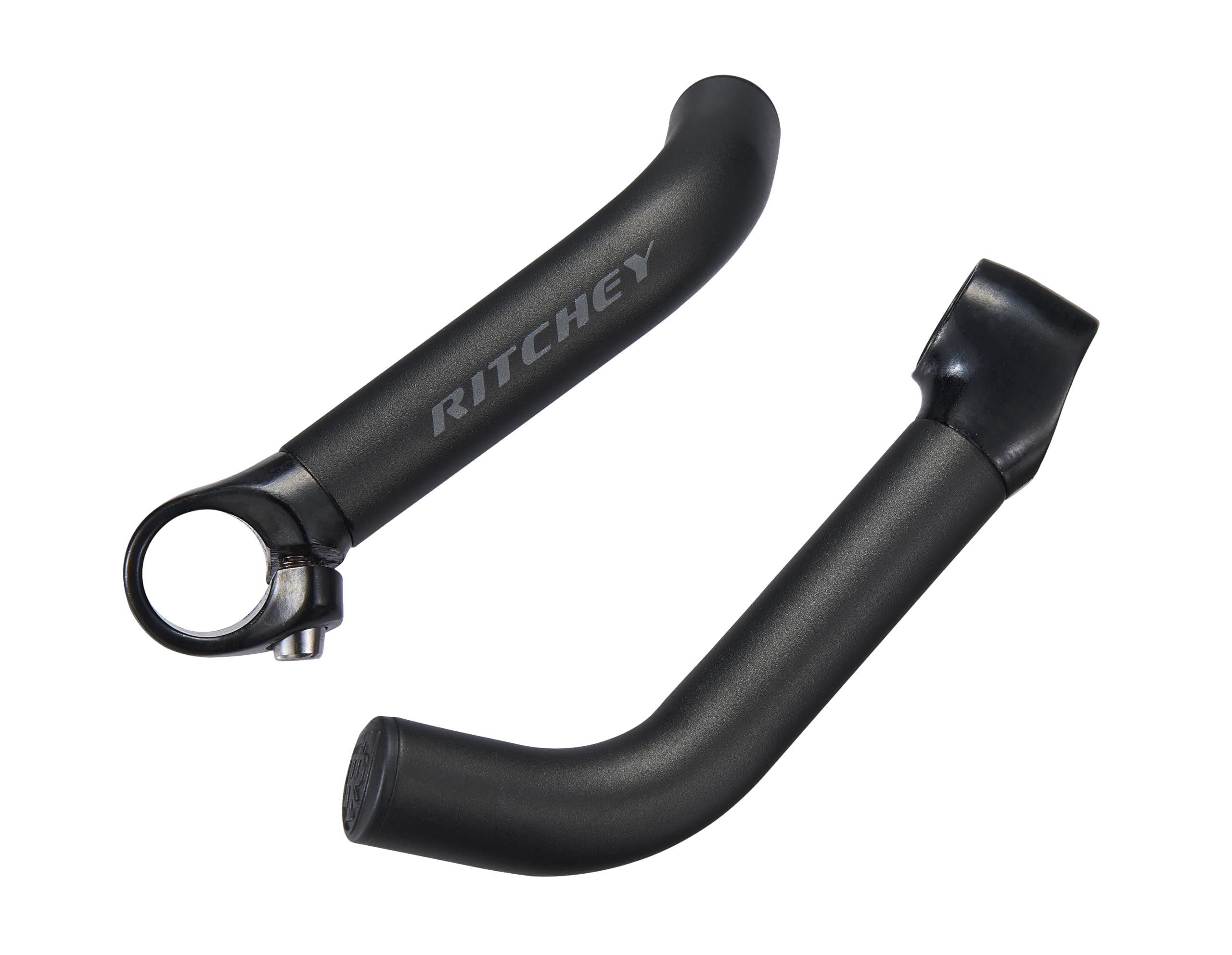


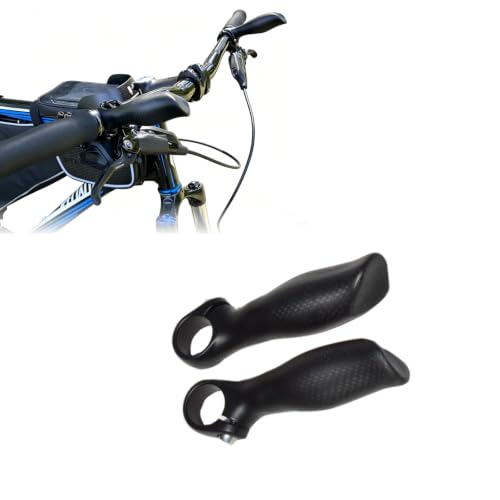


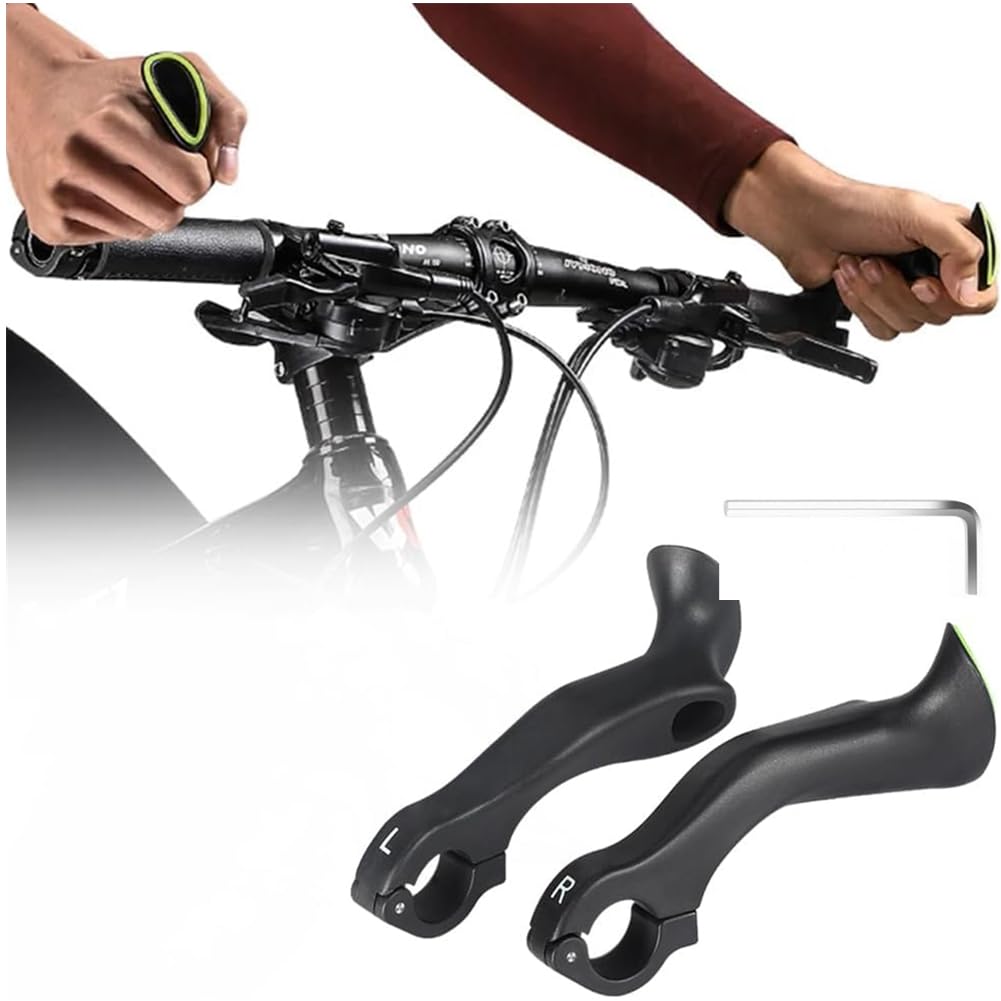
Who Should Buy Which Bar Ends for a Mountain Bike?
Start with the problem you want to solve. Riders who climb often need leverage, riders who ride far need hand relief, and everyone needs a shape that never gets in the way on descents.
Cross Country Riders Who Climb for Long Stretches
You spend much of your ride seated, pulling on the bar as the grade rises. Choose a medium or long extension with a gentle curve, because it lets you move your hands forward and open your chest. A light model suits you, but only if your bar maker allows bar ends at all.
Trail Riders Who Want Relief on Long Rides
Your rides mix climbs, fire roads and descents where the main grip does all the steering. Choose a short or medium extension with a broad, slightly flattened top that supports your palm without crowding the brake lever. It should spread pressure on mellow miles, then stay clear of your fingers on descents.
City and Fitness Riders on Flat Bar Mountain Bikes
You ride bike paths, gravel lanes and streets on a flat bar bike, and your hands go numb because they never move. Choose an ergonomic extension with a wide palm rest and a textured surface you can hold with light gloves. Pick a mid priced aluminum pair, because city use rewards durability over tiny weight savings.
Key Features to Compare
Work through these five factors in order, because fit with your bar comes before shape, and shape comes before price. Choosing the best bar ends for mountain bike riding gets easier once you rule out models your bar cannot accept.
Shape and Length of the Extension
Length decides how far your hands move and how much leverage you gain. Short extensions of about 80 to 100 mm add a compact perch for brief climbs and suit tight trails where brush can snag longer parts. Medium and long designs of about 110 to 150 mm give more room to shift your grip on steep ground. Match length to your longest climb, not your longest descent.
Material and Total Weight
Aluminum is the common choice because it is stiff, affordable and tolerant of clamp pressure. Pairs often weigh about 100 to 180 grams, and simple models cost about $15 to $35. Carbon pairs can weigh under 100 grams and suit racers, yet they cost more and need careful torque. Molded composite models are light, but they can flex under a hard pull.
Clamp Style and Bar Compatibility
Most bar ends clamp over the outside end of the bar, so your grips must slide inward or be trimmed to make room. The grip area of most mountain bike bars measures 22.2 mm, but confirm the size and check that the bar end is open and round inside. Some models bolt to a plug inside the bar or form one unit with the grip. Before you order, see our guide to the best mountain bike bars to confirm your bar shape.
Grip Surface and Control in Wet Conditions
A smooth polished extension can feel fine in a shop and slippery on a damp climb. Look for a matte finish, fine knurling or a rubber coated section that gives your gloves something to hold. The top should support your palm without sharp edges, because pressure concentrates there when you lean forward.
Angle Adjustment and Wrist Comfort
Most clamp on designs let you rotate the extension before you tighten the bolt, and that angle shapes your climbing posture. Start with the extension close to level or raised slightly, then adjust in small steps after short climbs. Your wrist should stay in line with your forearm, without bending up or down at rest. If your hands tingle, change the angle before you blame the shape.
Three Bar End Types Compared
Most bar ends for mountain bike use fall into three shapes. None steers the bike on descents, where your hands belong on the main grips, so judge each type by climbing comfort alone.
Short Stubby Extensions for Tight Trails
Short extensions add a simple extra hold without changing how the bike feels in tight corners. They suit riders who climb in short bursts and want a place to hook their hands on smooth sections. Their small size catches less brush, but the room is limited on long climbs.
Long Curved Extensions for Sustained Climbing
Long curved extensions give you the most leverage and the most room to move your hands as a climb drags on. The forward curve lets you pull with elbows slightly bent, which helps you stay seated on steep ground. They suit cross country riders whose loops start with a long fire road.
Ergonomic Extensions With a Broad Palm Rest
Ergonomic models widen the top surface so your palm rests on a platform instead of a round tube. That shape spreads pressure and suits riders whose hands ache or tingle on flat ground. Many pair the extension with a matching grip as one unit. They weigh a little more and cost about $30 to $60.
How to Install Bar Ends and Set the Angle
Slide each grip inward by the width of the clamp, or trim a closed grip end neatly, then slide the bar end onto the exposed bar. Make sure the clamp sits fully on the bar with no overhang, and leave both sides even.
Tighten each bolt gradually with a torque wrench to the limit printed by the maker, often about 4 to 6 Nm for aluminum bars. Never clamp bar ends onto a carbon bar unless the maker approves them in writing, because clamp pressure can crush carbon fibers; see our guide to the best carbon mountain bike bars for which bars allow added clamps. Finish with a firm pull test.
Common Mistakes to Avoid
- Clamping bar ends onto a carbon bar the maker never approved can crush the bar and cause a sudden failure.
- Leaving part of the clamp hanging past the bar end lets the extension rotate under load on a climb.
- Setting the angle too high bends your wrists back and brings numb hands within a few miles.
- Using bar ends on a steep descent takes your fingers away from the brake levers when you need them most.
- Skipping fresh end plugs after a swap leaves a hollow bar end exposed, which can cut skin in a fall.
Care and Maintenance for Mountain Bike Bar Ends
After wet or muddy rides, wipe the extensions and clamps with a damp cloth and dry them, because grit left under a clamp can grind into the bar finish. Check bolt tightness every few weeks, and confirm each plug stays seated; see our guide to the best mountain bike bar end plugs when a plug cracks or goes missing.
Inspect each extension after any crash, and replace a bent or cracked piece instead of bending it back, because bent metal has lost strength at that spot. If hand pain keeps returning despite angle changes, talk with a bike fit professional or your clinician about your position.
FAQ
Are bar ends worth adding to a modern wide mountain bike bar?
Yes, bar ends are worth adding if your rides include long climbs or flat stretches where one hand position tires your wrists. They add little on short trail rides where your hands rarely leave the main grips. On a very wide bar, choose a shorter extension, because a long one places your hands far apart when you pull.
Can bar ends damage a carbon mountain bike handlebar?
Yes, bar ends can damage a carbon handlebar if the bar was never built for clamp pressure at its ends. Some carbon bars include a reinforced end zone and written approval, and only those should carry bar ends. If the inside of your bar feels thin, ask the bar maker first.
How tight should mountain bike bar end clamp bolts be?
Bar end clamp bolts should be tightened only to the limit the maker prints on the clamp or in its instructions. Tighten in small turns and test with a hard pull after each pass, because a clamp that holds in the garage can still slip on a climb. Carry the right hex key on your first rides to correct a small slip.
Should bar ends point up or stay level on a mountain bike?
Bar ends should start close to level for most mountain bike riders, then move in small steps based on wrist feel. A quick home check is to sit on the bike against a wall with your hands on the extensions: your knuckles, wrist and forearm should form one calm line. Mark the winning angle with a pencil line at the clamp.
When should mountain bike bar ends be replaced?
Mountain bike bar ends should be replaced when they bend, crack, or slip at the clamp even at correct torque. A worn smooth surface is a softer reason, but it matters if your gloves slide on damp climbs. Also replace a pair when you change bars, because a partly seated clamp will never hold as intended.
Wrapping Up
Match the extension to your riding first, then confirm bar approval, clamp fit and a surface your gloves can hold. Set the angle so your wrists stay straight, and keep your hands on the main grips for descents. If you want many hand positions from a cockpit change instead, see our guide to the best drop bar mountain bike before you spend money twice.
Use the product table above to compare length, material and clamp style. When you judge the best bar ends for mountain bike options against your own climbs and ride length, the right pair disappears under your hands and lets you keep pedaling.


