Best Bar Chairs for Home in 2026: Types Compared and How to Choose
Disclosure: We may earn a commission when you buy through links on this page, at no extra cost to you. As an Amazon Associate I earn from qualifying purchases. Learn more

Compare bar chairs for home by type, seat height, back support and materials, plus sizing and care tips for kitchen islands, counters and home bars.
Bar chairs look simple until you try to match one to your counter. Seat heights vary, backs range from none to tall and padded, and a chair that suits a wide island can crowd a small kitchen. The best bar chairs for home start with the surface you sit at, so use the comparison table below to check each type against your space.
This guide compares the main types so you can narrow the table quickly. You will learn how much legroom to leave, why the footrest matters as much as the seat, and how far apart chairs should sit along a counter. By the end, you can rule out the wrong height in seconds and focus on comfort, materials and price.


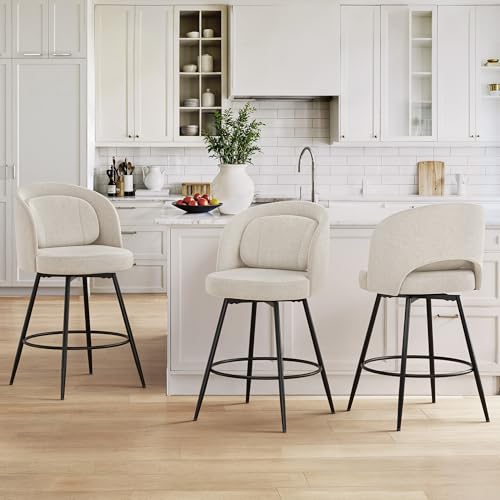
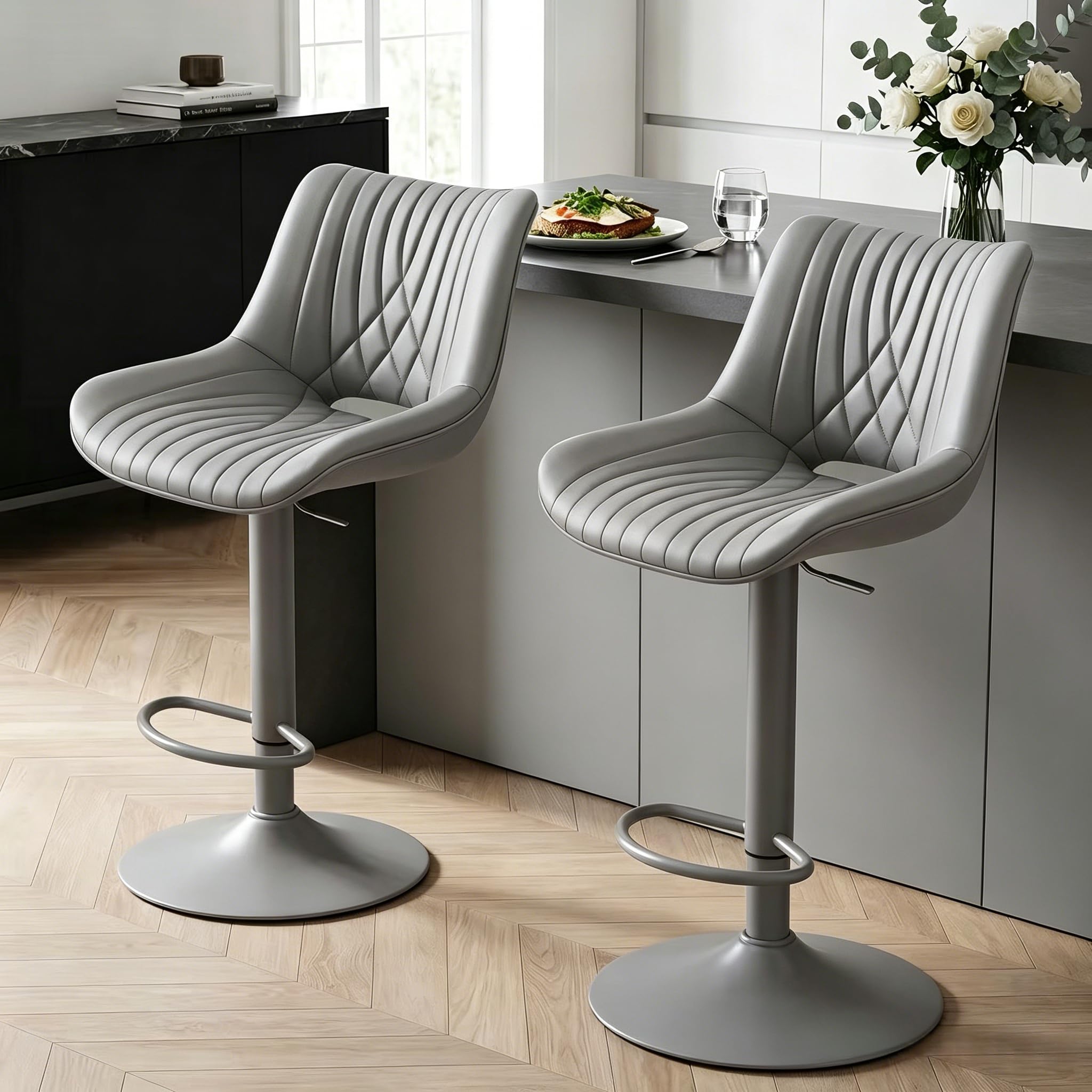

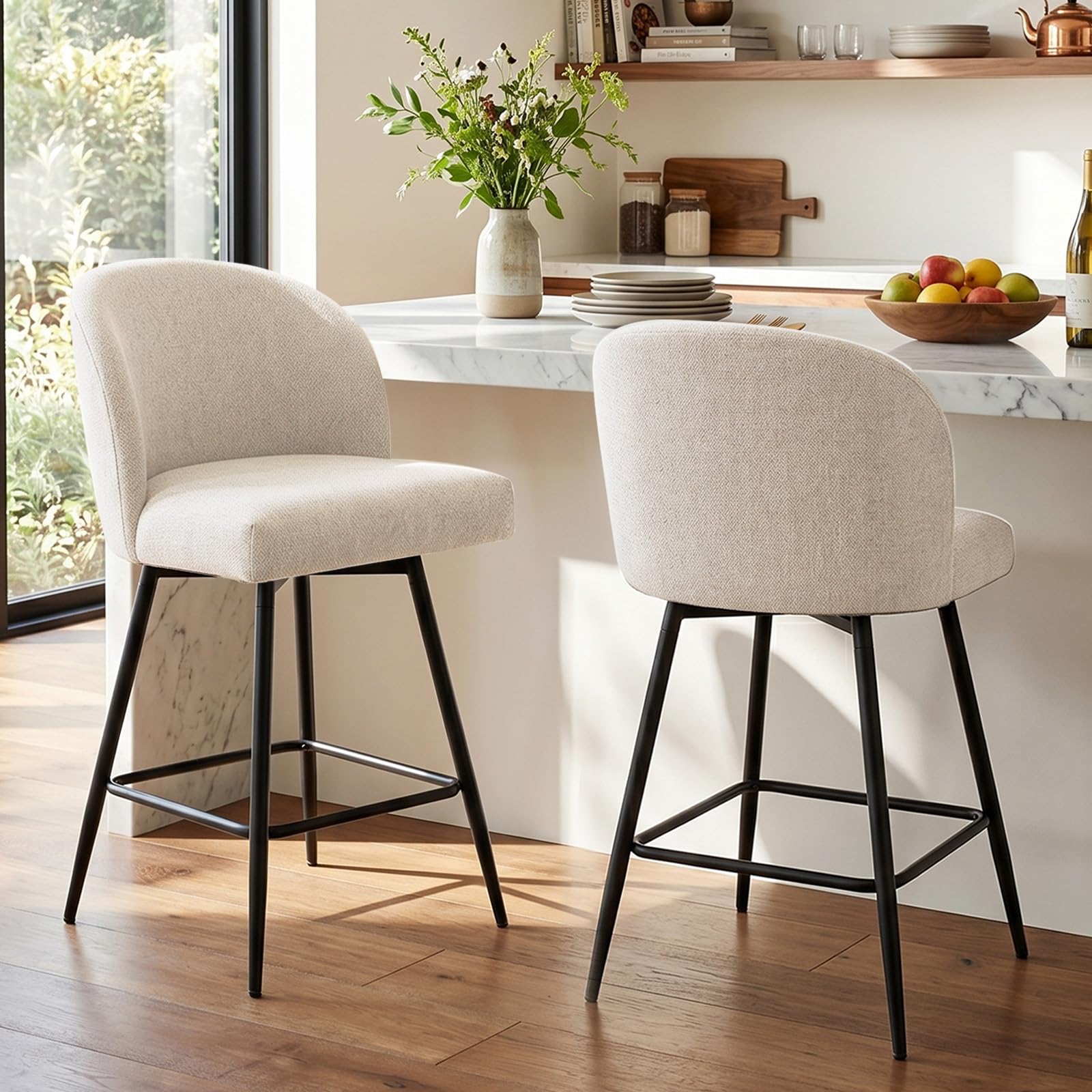
Types of Bar Chairs Compared
Most home bar chairs fall into three broad types. They differ in footprint, back support and how formal they look, and many models also add a swivel base or fixed arms. Start with the type that fits your room, then refine the size.
Compact and Space Saving Models for Tight Kitchens
Compact models are usually backless or have a low back, narrow legs and no arms, so they slide fully under the counter when not in use. That clear floor space matters in a small kitchen where the walkway passes the island. The trade off is support, because a low back gives your shoulders nothing to lean on during a long meal. Choose this type for quick breakfasts and coffee, and expect prices of about $50 to $120 per chair.
Premium Upholstered Models for a Finished Home Bar
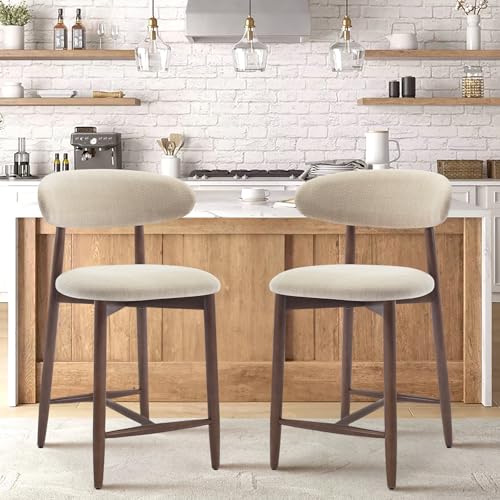
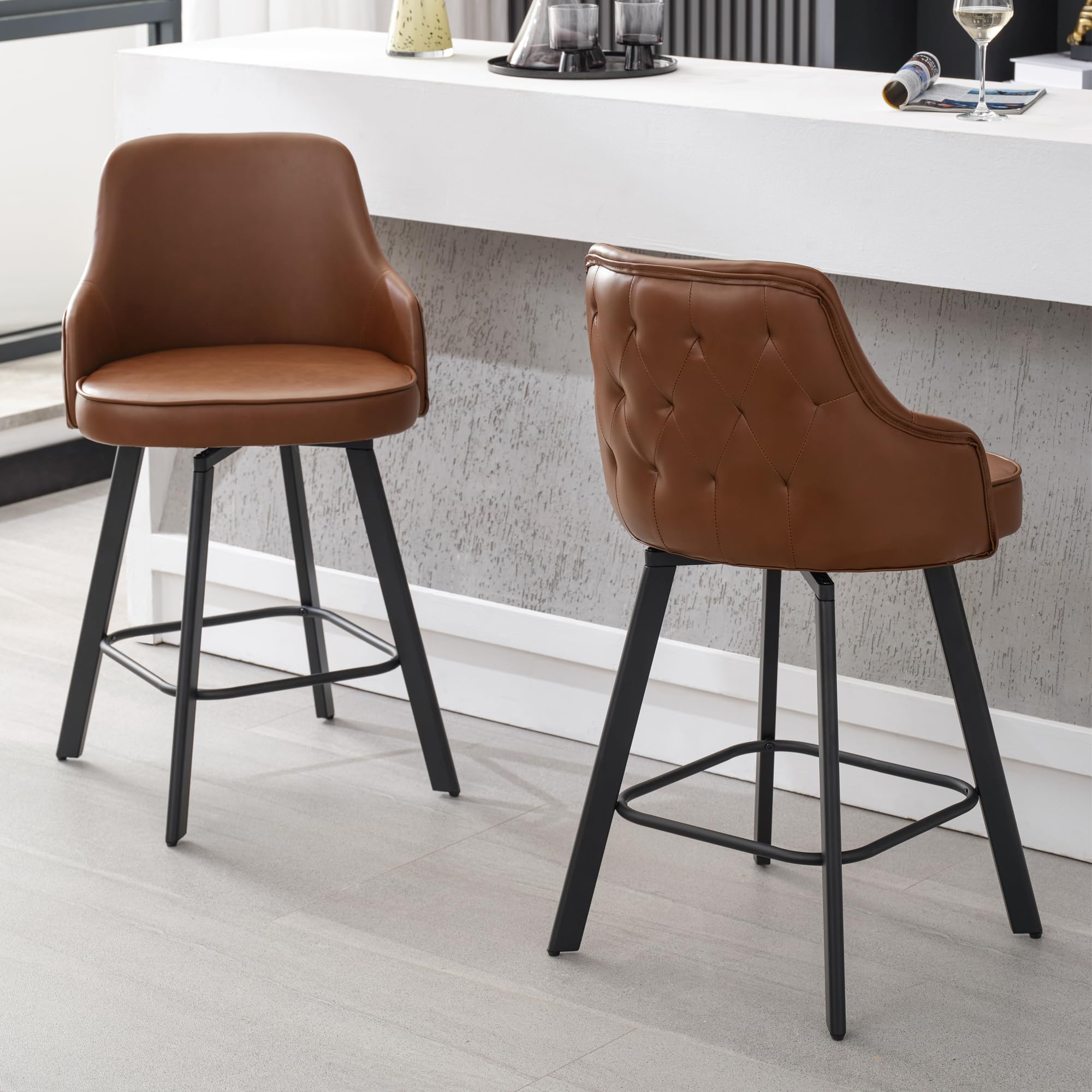
Premium models use a taller padded back, a deep cushioned seat and a heavier frame in solid wood or steel, often with a protective finish and neat stitching. They read as dining furniture, so they suit a home bar or an island where guests linger. The cost is space and money, since wide backs and arms need more room per seat. Expect about $150 to $350 per chair, and measure your counter run before ordering a full set.
Ergonomic Models Built for Longer Sitting
Ergonomic bar chairs shape the seat and back to hold your body instead of leaving you on a flat board. Look for a seat with a gentle dip, a back that curves to meet your lower back and a footrest placed so your knees bend at a relaxed angle. Padding is firmer than it first feels in a showroom, which helps on longer sits. These models usually cost about $100 to $250 per chair.
Compact Models or Premium Models: Which Should You Choose?
Footprint is the clearest split. A compact chair can vanish under the counter overhang, while a premium chair stays visible and needs about 24 to 30 inches of counter length for each sitter. If your island seats people on two sides or sits in a walkway, compact models protect the flow of the room. If the island is your main dining spot, the wider premium seat earns its space.
Comfort and upkeep split them further. Premium padding and a tall back win for dinners that run past an hour, but fabric and faux leather need gentler cleaning than a plain wood or metal seat. Compact models clean fast and move easily for sweeping, yet they offer little back support. Choose by your longest typical sit, not your shortest, because discomfort grows with time.
How to Choose the Right Bar Chair for Your Counter
Choosing the best bar chairs for home use is mostly a measuring job, and it helps to keep other seating apart. A bar chair seat sits far higher than a dining or desk seat, so if you are furnishing a work corner too, see our guide to the best home desk chairs and our guide to the best home office chairs. For general seating elsewhere in the house, see our guide to the best chairs for home.
Comfort and Cushioning
Cushioning decides how a chair feels after twenty minutes, not in the first minute. High density foam holds its shape and spreads your weight across the seat, while thin soft foam bottoms out so you feel the board beneath it. A seat depth of about 15 to 17 inches supports your thighs without pressing behind your knees. If you sit for meals and laptops, choose firmer foam and a little more depth. If you perch briefly, a thinner seat or even a shaped wood seat can feel fine.
Materials and Upholstery
Frame and cover materials set both cleaning effort and lifespan. Solid wood and steel frames feel steady and usually carry about 250 to 300 pounds, while lighter frames built from thin board panels can flex at the joints. Faux leather wipes clean after spills and suits homes with kids, fabric feels softer and breathes better but holds stains, and plain wood or metal seats need no cover care at all. Match the cover to your mess level first, then to your decor.
Assembly and Delivery
Most home bar chairs arrive flat, with legs, a footrest ring or bar and the seat packed apart. Assembly usually means bolting the legs to the seat and adding the footrest, and a careful first build takes about 15 to 30 minutes per chair. Tighten every bolt evenly, then check the chair on a level floor before anyone sits. Keep the hex key, because a quick retighten after the first week of use stops small wobbles from growing.
Seat Height, Footrest and Back Support
Measure from the floor to the underside of your counter, then choose a seat that leaves about 10 to 12 inches for your legs. Counter seating usually needs a seat height of about 24 to 26 inches, while taller bar seating needs about 28 to 30 inches. Your feet should rest fully on the footrest rather than dangle, because dangling feet pull you forward and tire your back. A back that reaches at least your shoulder blades helps during longer sits.
Common Mistakes to Avoid
Most returns trace back to one of these simple errors.
- Buying bar height chairs for a kitchen counter leaves your chin near the surface and your knees jammed under it.
- Skipping the footrest check leaves shorter guests with dangling feet and a sore lower back.
- Ordering arms without measuring the counter underside means the chairs will not slide in and storage space is lost.
- Crowding too many chairs along an island leaves elbows touching and makes every seat feel smaller.
- Choosing a swivel base for a narrow walkway lets the seat swing into people passing behind you.
- Ignoring floor glides lets metal feet scratch wood floors and wobble on tile.
Keeping Home Bar Chairs Clean and Sturdy
Wipe spills the same day, because sugary drinks dry sticky on footrests and rings under the seat where hands rarely reach. Vacuum fabric seats with a brush tool each week and blot marks rather than scrubbing, since scrubbing spreads a stain into the weave. Faux leather needs only a damp cloth, while bare wood benefits from a dry dusting cloth and coasters still matter nearby.
Check the leg bolts and footrest fixings every few months and tighten any that have worked loose. Replace worn floor glides before the bare foot touches your floor, and keep spare glides from the assembly pack. Store spare chairs upright in a dry room rather than stacked on their backs, because stacked weight can bend a footrest and mark the upholstery.
Frequently Asked Questions
What features matter most in home bar chairs for long sitting?
A shaped back and a correctly placed footrest matter most for long sitting at home. Together they stop the slow slide forward that makes people perch on the seat edge. Seat width helps too, so allow at least about 17 inches if you shift position often. For very long sessions, take standing breaks, because no tall seat replaces moving around.
How do I choose the right size bar chair for a kitchen counter?
Choose the size by measuring your counter height and counting the seats your counter length allows. A standard kitchen counter is about 34 to 36 inches high, which pairs with the lower seat range given earlier. Then divide the counter length by the space per sitter before you order, because four chairs that fit on paper can still feel tight once people sit down.
Is an expensive bar chair worth it for home use?
An expensive bar chair is worth it when you sit daily and the extra cost buys a stronger frame and denser foam. Those two parts decide how long the chair stays firm and quiet. If the chairs serve guests a few times a year, a mid priced model in a style you like is the smarter spend. Save part of the budget for a spare chair if you host often.
How long should a good bar chair for home use last?
A good bar chair for home use should last about five to eight years of regular sitting. Frames rarely fail first, since foam softening and loose joints usually set the limit. You can extend that span by rotating chairs along the counter so the favorite seat does not wear alone. Retire a chair once a leg cracks, because a sudden failure at counter height can drop a guest.
Our Verdict
Start with height, because no cushion can fix a seat that leaves the wrong gap under your counter. Next check the footrest with your own feet, then choose the type that fits your room and your longest typical sit. Use the product table above to compare seat height, width and price side by side before you order a full set.
Picked this way, the best bar chairs for home gatherings feel less like spare seating and more like a planned part of the room. Buy one chair first if you can, live with it for a week, and then order the rest with confidence.