
Best Bang for Your Buck Treadmills: Value Guide for 2026
Disclosure: We may earn a commission when you buy through links on this page, at no extra cost to you. As an Amazon Associate I earn from qualifying purchases. Learn more

Best bang for your buck treadmills for walking, jogging, or running at home, with notes on motor power, belt size, space, and budget.
A treadmill is a big purchase, and prices run from about $100 for a folding walking pad to well over $1,000 for a full-size running machine. This guide to best bang for your buck treadmills explains which specifications actually affect daily use, so you can spend on the parts that matter and skip the rest.
The product table shows a spread of folding walking pads, compact home treadmills, and sturdier running models. Read the sections below first to decide which type fits your space and routine, then compare the table against that shortlist.
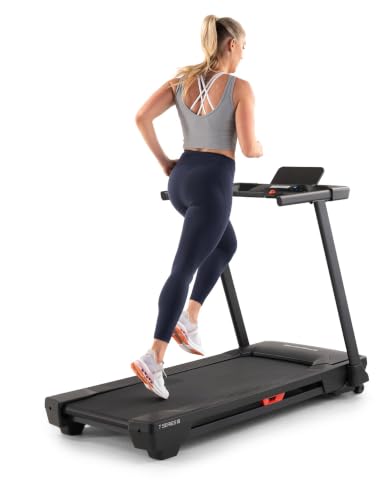
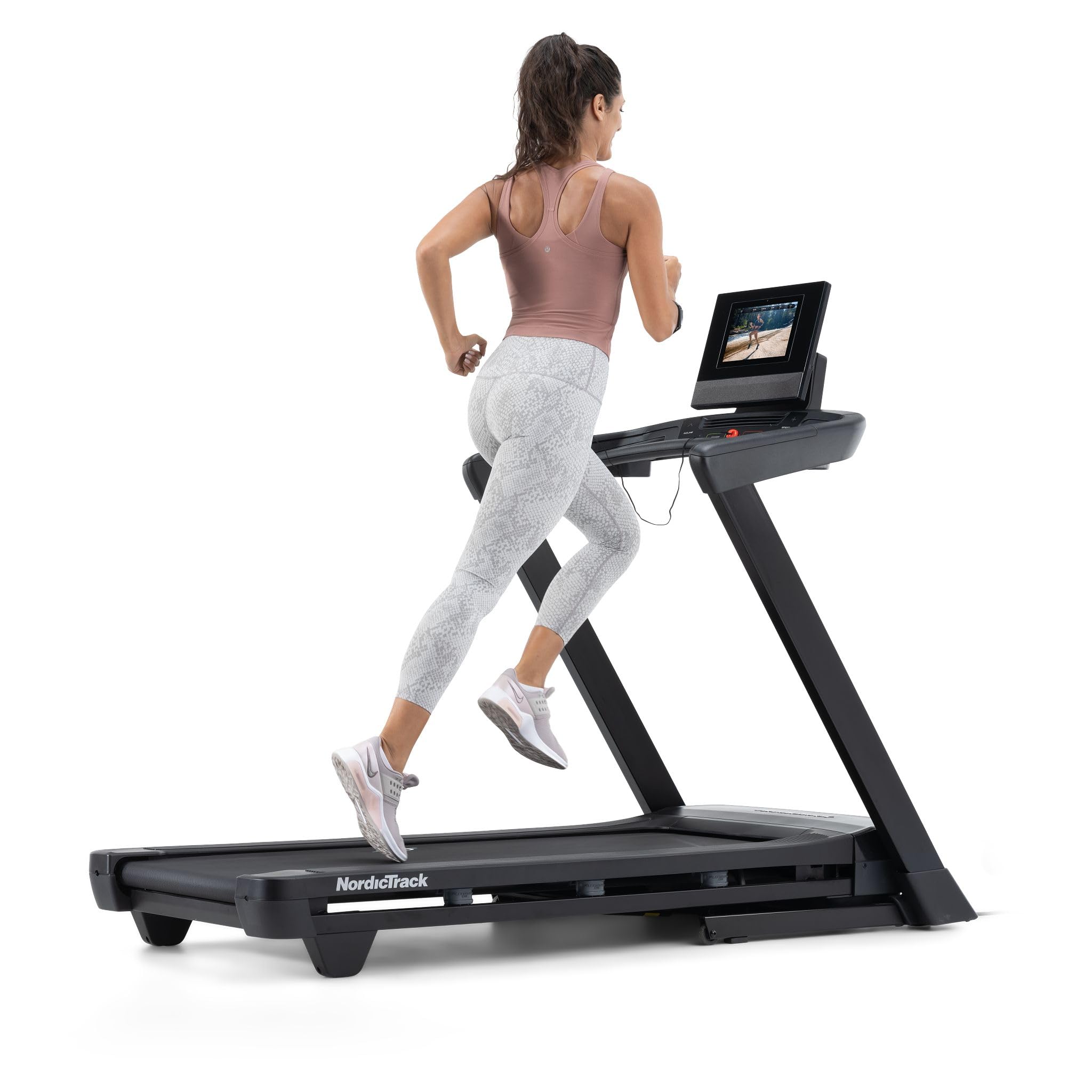
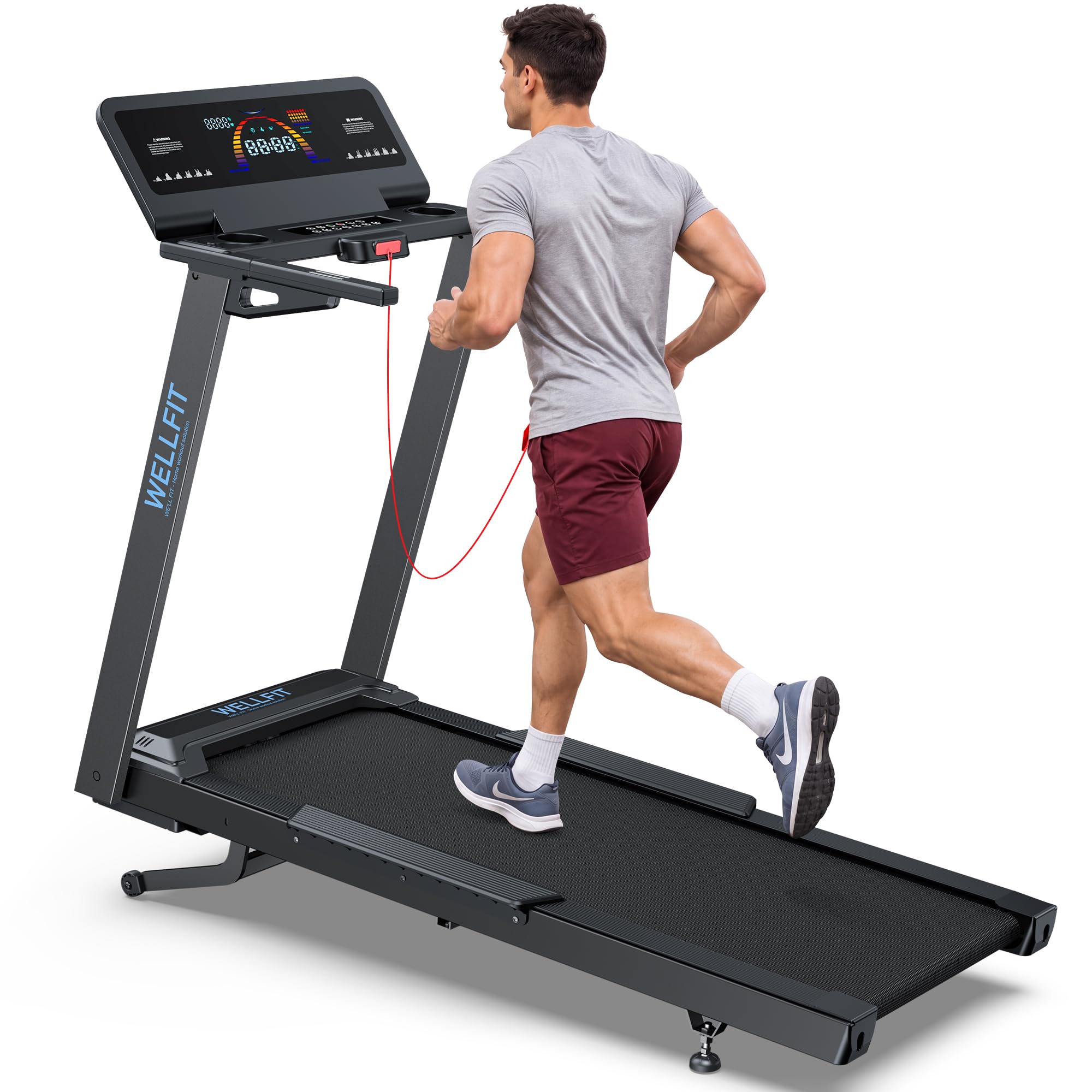

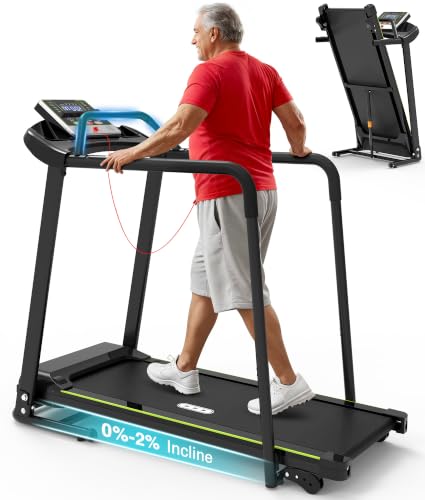
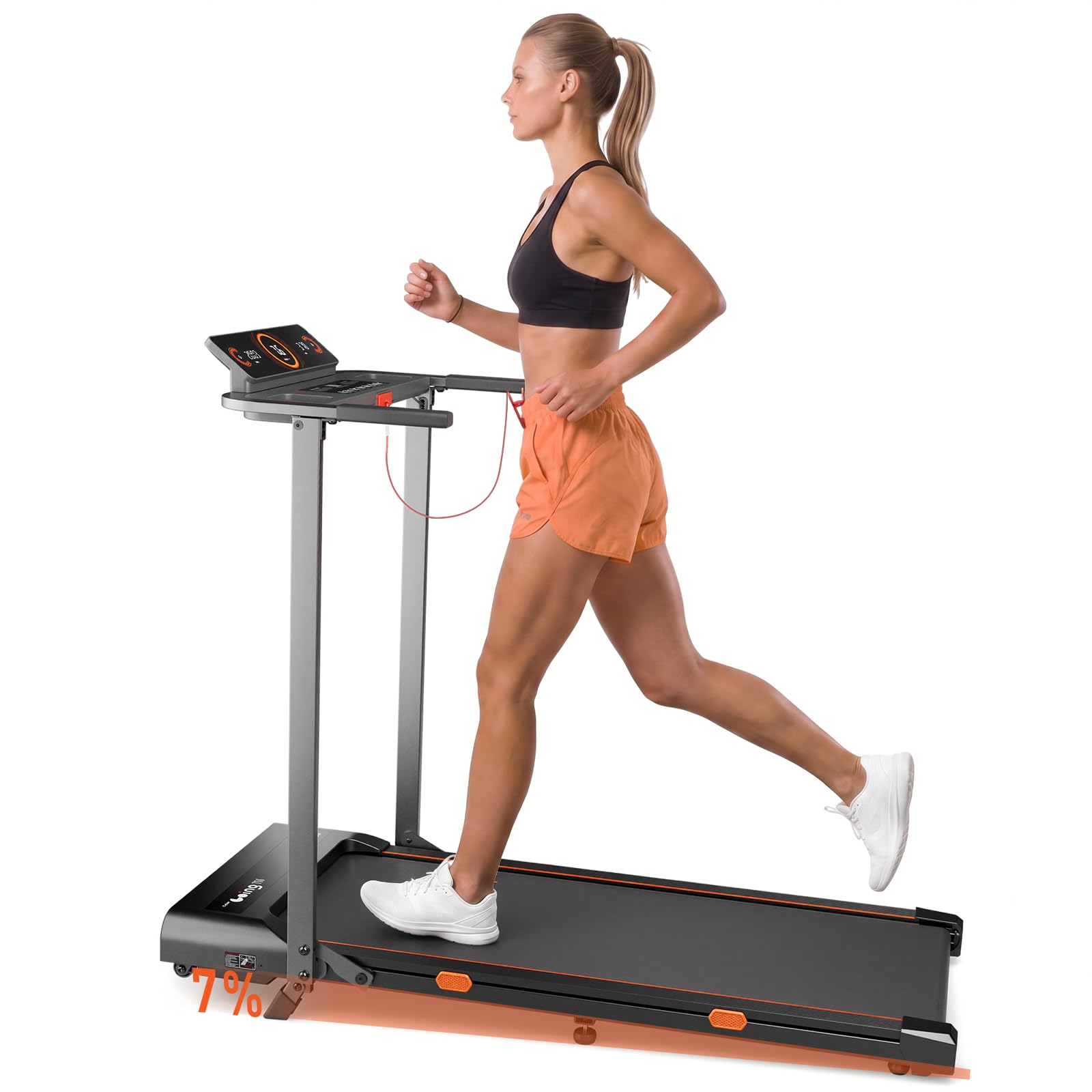

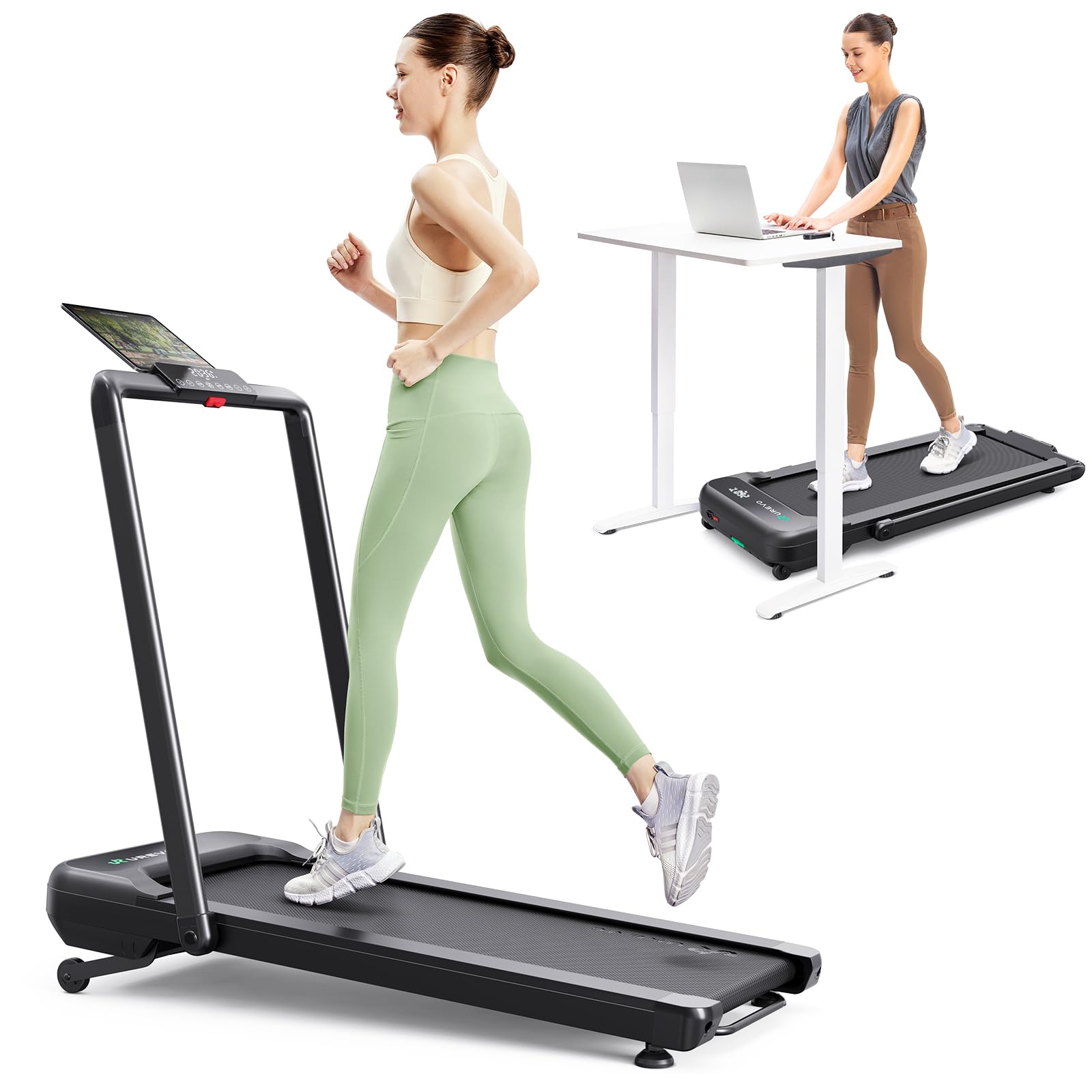
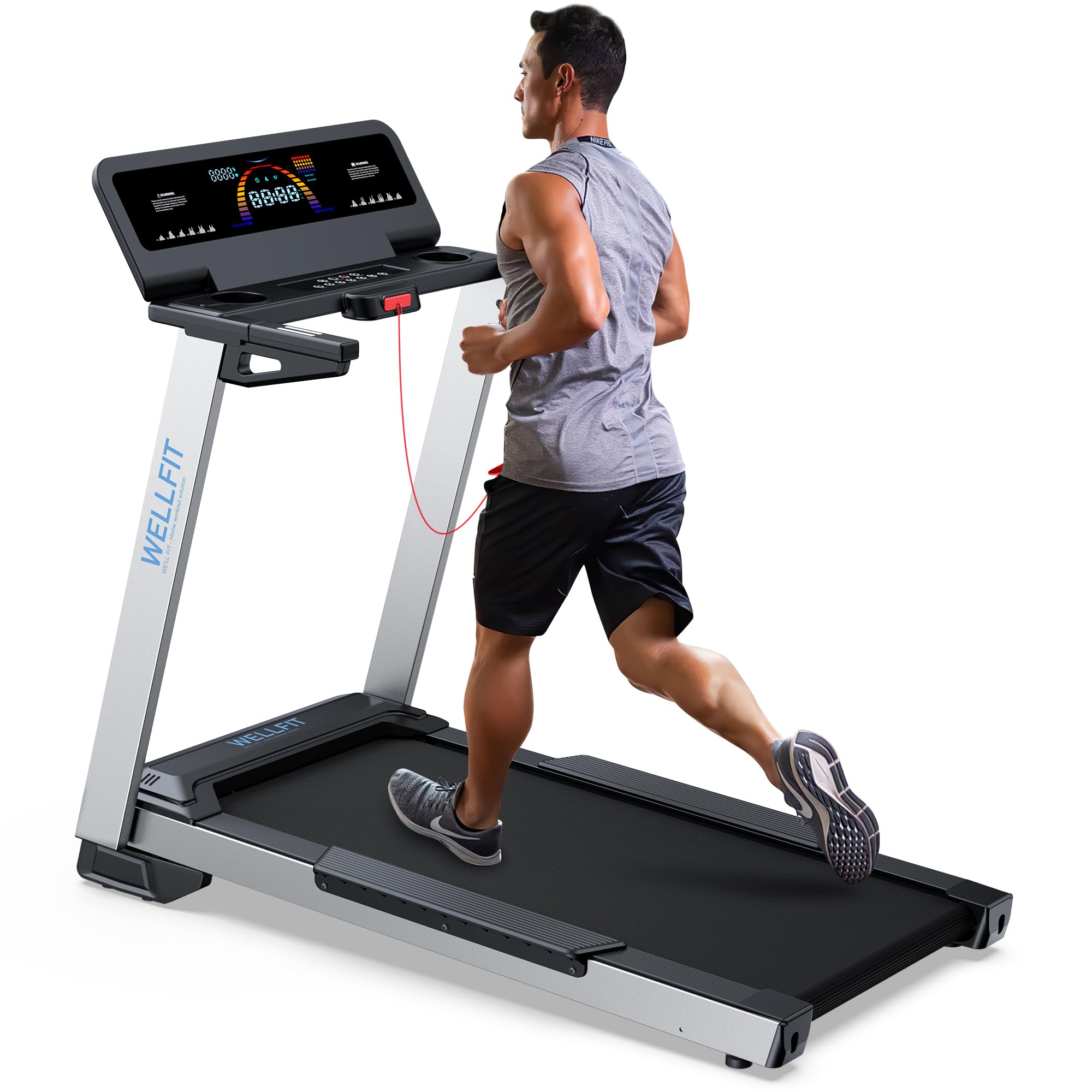

Walking Pad or Full Treadmill?
The first decision is the type of machine. A walking pad is a low, narrow, often foldable belt with a small motor, made for walking at a desk or in front of a screen. A full treadmill has a wider belt, handrails, a larger motor, and the frame strength for jogging and running.
If you mainly want to walk, a walking pad delivers the best bang for your buck because it is cheap, quiet, and stores under a bed or sofa. If you want to run, or more than one person will use it, spend more on a proper treadmill, because small motors and short belts wear quickly under running loads.
Who Each Type Suits
Walking pads suit remote workers, beginners, and anyone adding steps through the day. Compact folding treadmills with handrails suit mixed walking and light jogging in a small home. Heavier machines with incline suit regular runners and households that share one machine.
Specs That Matter for Value
Motor Power
Motor power is listed as continuous horsepower (CHP). Walking pads often run on about 2.0 CHP or less, which is fine for walking. For jogging, look for 2.5 CHP or higher, and for regular running choose 3.0 CHP or more. Be careful with peak horsepower figures, which sound larger but say little about everyday strength.
Belt Size
Belt length and width decide comfort. Walkers can manage a belt around 16 to 18 inches wide and 40 to 45 inches long. Runners need about 20 inches wide and 55 inches long so the stride is not cut short. A belt that is too short feels like running on a doormat and makes people stop using the machine.
Speed, Incline, and Weight Capacity
Walking pads typically top out near 4 to 6 mph, while running machines reach 10 mph or more. Incline adds calorie burn without extra speed, so it is useful for small spaces and for walkers who want more challenge. Check the maximum user weight, and choose a model that handles your weight with room to spare, because machines used near their limit wear faster.
Cushioning and Noise
Good deck cushioning reduces impact on joints and cuts noise. If you live in an apartment or work from home, check reviews for noise at walking speed, because a loud belt becomes a daily irritation.
Best Bang for Your Buck Treadmills by Budget
Under $200
This price range is mostly folding walking pads. Expect a small motor, a short belt, a remote control, and no handrail on some models. They work well for steady walking at a desk but not for running. Look for a sturdy frame and a stable belt that does not drift.
$200 to $600
This is where most home buyers find value. Models here offer longer belts, handrails, folding frames, and sometimes powered incline. Many support light jogging, and some pair with fitness apps. Pay attention to warranty terms, since motor and frame coverage separate good makers from disposable machines.
$600 and Above
Machines at this level bring stronger motors, wider belts, better cushioning, and larger touchscreens with workout programs. They suit people who run several times a week or share the machine. Check whether the screen's content requires a subscription before counting it as a benefit.
Space, Setup, and Delivery
Measure the room before you order, including ceiling height if you choose a model with incline. Many treadmills are heavy and arrive in large boxes, so check doorway widths and stair access. Folding models with transport wheels are easy to move, but a heavy machine can still need two people to lift.
Put the machine on a flat, hard surface with some clear space behind it. A rubber mat under the base reduces vibration and protects flooring. Allow extra room for stepping on and off safely, and keep children and pets away from the belt when it is running.
Running Costs and Upkeep
Treadmills use little electricity compared with their purchase price, but belt upkeep matters. Most belts need occasional lubrication, so check whether the maker supplies the right lubricant and how often to apply it. Keep the belt and deck clean and tighten any loose hardware as part of a regular check.
Ask about the warranty on parts and labor before you buy. A longer motor and frame warranty is a good sign, and responsive support is worth more than a long list of features.
Common Mistakes to Avoid
The most common mistake is buying a walking pad for running, which strains the motor and shortens the machine's life. Another is ignoring belt size, which leads to a cramped stride. A third is paying for a big touchscreen and subscription programs that you will not use. Start with the motor, belt, frame, and warranty, and add features only if you will use them.
Frequently Asked Questions
What features matter most in a value treadmill?
Motor power, belt size, frame strength, and warranty matter most. After that, consider incline, cushioning, and noise. Screens and app programs add cost but rarely improve the workout itself.
Is a walking pad enough for running?
No. Walking pads are designed for walking speeds, and their short belts and small motors are not built for running. If you plan to run, choose a full treadmill with a stronger motor and a longer belt.
How much should I spend on a treadmill?
For walking only, $100 to $300 can be enough. For jogging, plan on $300 to $700. For regular running or shared use, $700 and above is more realistic. Add the cost of a mat, delivery, and lubricant to your budget.
How much space do I need?
A walking pad can fit in a spare corner and slide away when folded. A full treadmill typically needs a footprint of about 6 to 7 feet long and 3 feet wide, plus clear space at the back and sides.
How do I keep a treadmill running well?
Wipe the deck and belt, keep the area around it clear of dust, and follow the maker's instructions for lubrication and belt adjustment. Check bolts occasionally and avoid using the machine in damp areas.
Should I talk to a doctor first?
If you have joint, heart, or other health concerns, or you are starting a new routine after a long break, ask your doctor before you begin and follow the manufacturer's instructions for safe use.
Final Thoughts
Pick the type that matches your plan: a walking pad for steady walking, a compact folding treadmill for mixed use, or a sturdier machine for running. Use the product table above to compare options in your budget range, and remember that best bang for your buck treadmills are the ones with the right motor, belt, and warranty for how you will really use them. For more value advice across categories, see our best bang for your buck overview.


