
Best Bang for Your Buck Tablets: What to Check Before You Buy for 2026
Disclosure: We may earn a commission when you buy through links on this page, at no extra cost to you. As an Amazon Associate I earn from qualifying purchases. Learn more

Choose the best bang for your buck tablets by screen, chip tier, storage, battery, and updates, with price profiles for reading, study, and media.
Tablet prices run from under $100 to well past $1,000, and the cheapest model on the shelf often turns out to be the most expensive mistake. A slow chip, a dim screen, or too little storage can make a bargain feel old within a year. This guide gives you a clear checklist for judging best bang for your buck tablets before you spend anything.
Work through each criterion below, note the level your daily tasks actually need, and then compare models in the comparison table below against that list. The goal is a tablet that still feels quick and useful three or four years from now.



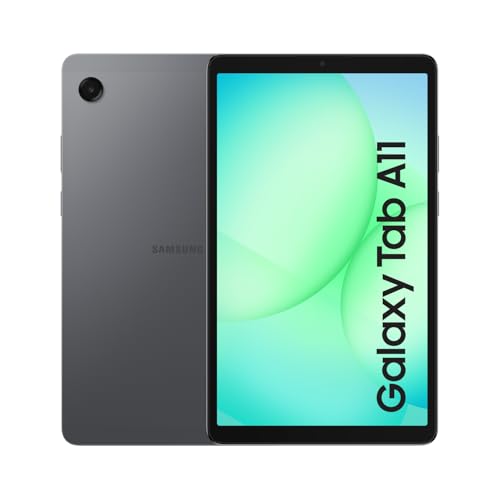
How to Judge Tablet Value
Screen Quality and Size
A tablet lives or dies by its screen, because the screen is the part you look at and touch for every task. Prioritize a bright display of at least 10 inches for split screen work, a resolution that keeps text sharp at reading distance, and a refresh rate of 90 Hz or more if you scroll or draw often. Touch response and stylus support matter for note taking and sketching. A tablet with a great screen and a mid level chip almost always feels better day to day than a fast chip paired with a dull, dim panel.
Processor and Performance Tier
Tablet chips fall into clear tiers. Entry level chips handle reading, video, email, and web browsing, but they stutter when you split the screen or edit large photos. Midrange chips are the value sweet spot: they run note apps, light games, video calls, and document work smoothly at once. Flagship chips add headroom for demanding games, video editing, and years of future software updates. Match the tier to your hardest regular task, not your easiest one.
RAM and Storage
RAM keeps your apps open in the background, and 4 GB is the practical minimum for smooth switching between a browser, notes, and a video call. Six to 8 GB feels noticeably calmer for multitasking and drawing apps. Storage fills faster than buyers expect: the system, apps, downloaded shows, and photos can eat 40 GB quickly, so 128 GB is the sensible value target. A microSD slot, where offered, is a genuine value feature because it lets you add cheap storage later for media files instead of paying a large premium at checkout.
Operating System (Windows, ChromeOS, Android, iPadOS)
The operating system decides which apps you can run and how long the tablet stays updated. Android tablets offer wide price choice and flexible file handling. iPadOS brings a deep library of polished tablet apps and long update support. Windows tablets run full desktop programs, which suits people who need one specific work application, but they cost more and often have shorter battery life. ChromeOS tablets fit schools and simple web based routines.
Ports and Connectivity
USB C is now the standard port to require, since it charges the tablet and connects drives, hubs, and external displays on better models. Check whether the port supports video output if you hope to plug into a TV or monitor; many budget models charge and transfer data only. WiFi 6 or newer gives faster, steadier connections on crowded home networks. Bluetooth 5 or later keeps keyboards, mice, and earbuds connected reliably.
Weight and Portability
Weight decides whether a tablet actually travels with you. Most 10 to 11 inch tablets weigh around one pound, which is comfortable for reading in bed or holding through a class. Larger 12 to 13 inch models give a roomier screen for drawing and split screen work but feel heavy in one hand within minutes. Thickness and grip matter too: a slim tablet in a folio case is easy to carry, while a bare metal edge can feel slippery. If you commute daily, choose the lighter model and put the savings toward a padded sleeve.
Keyboard, Trackpad, and Build
Accessories turn a tablet into a light work machine, so check their prices before you judge value. A keyboard case with a trackpad can cost as much as a third of the tablet itself on premium models, while simpler Bluetooth keyboards cost far less and work across brands. Stylus cost counts too, and some tablets include one in the box. For build, an aluminum body resists flex and feels durable, while plastic bodies keep weight and price down for kids.
Best Bang for Your Buck Tablets by Profile
Best Overall
The best overall profile for best bang for your buck tablets is a midrange tablet around $250 to $400 with a bright 11 inch screen, a mid tier chip, 8 GB of RAM if you can get it, and 128 GB of storage. It passes every checklist item without paying for extreme power you may never use. Its main limit is gaming at the highest settings and heavy video editing, which belong to the flagship tier. For most buyers, this is where the value curve tops out.
Best Value
The best value profile sits around $150 to $250 and focuses on the screen and battery rather than raw speed. Look for a sharp display of 10 inches or more, at least 4 GB of RAM, 64 GB of storage with a microSD slot, and battery life quoted around ten hours of video. This profile handles reading, streaming, schoolwork, and calls with ease. The trade off is patience: large games load slowly and app switching can lag. If your list is mostly media and study, this tier leaves real money in your pocket.
Best Compact Pick
The best compact profile is an 8 to 9 inch tablet that weighs well under a pound and slips into a coat pocket or small bag. It shines for reading, travel, and bedside use, where a big screen is a burden rather than a benefit. Prioritize screen brightness and storage for downloaded books and shows, since compact models often skimp on both. Battery life tends to be strong because the small screen draws less power. The limit is productivity: typing and split screen work feel cramped, so treat a compact tablet as a companion device, not a laptop stand in.
Quick Buyer Checklist
- Is the screen at least 10 inches and bright enough to read near a window?
- Does the chip tier match your hardest regular task, such as gaming or photo editing?
- Does it have at least 4 GB of RAM, with 6 to 8 GB preferred for multitasking?
- Is storage at least 64 GB, and ideally 128 GB or expandable with a card?
- Will the maker support software updates for at least three more years?
- Have you added the cost of a case, stylus, or keyboard to the real total?
- Does battery life cover your longest typical day away from a charger?
- Does it use USB C charging, so one cable can serve your other devices?
Red Flags to Watch For
Walk away from listings that hide the chip name or describe it only with vague words, because a named chip lets you check its tier honestly. Be wary of very low RAM paired with a big screen size, a common trick that makes a tablet look generous while it runs slowly. Short update support is another quiet cost: a tablet that stops receiving security updates becomes risky for banking and email. Finally, treat a huge discount on an old model with missing accessories as a warning to add those costs back before you call it a bargain.
For a wider view of value buying across tech, see our overview of the best bang for your buck approach to comparing price against useful life.
Choosing on a Tight Budget
Tablets Under $100
Tablets under $100 ask for realistic expectations and careful checks. At this price, insist on at least 3 to 4 GB of RAM, a screen resolution that keeps text readable, and a current enough system version to run mainstream apps. These models suit kids, kitchen recipe duty, video calls, and streaming, especially if you accept slower loading. Avoid unknown brands with no update promises. A tablet from a known maker with clear update promises usually beats a no name model at the same price.
Tips to Get the Most From Your Tablet
Keep the OS and firmware updated, because updates fix bugs, patch security gaps, and often improve battery behavior. Avoid running at 100 percent charge all the time; unplugging once the battery is full and avoiding deep drains helps the battery age more slowly. Use a padded sleeve when commuting, since most tablet damage happens in bags rather than at home.
If your shortlist keeps pulling you toward a full computer, our guide to the best bang for your buck laptops can help you compare the two paths honestly.
FAQs
What features matter most in a value tablet?
The screen, chip tier, and update support matter most, in that order. A bright, sharp display shapes every minute of use, a midrange chip keeps the tablet smooth for years, and updates keep it secure. When shoppers ask which tablets give the best value on a tight budget, the honest answer is the model that gets those three right, even if its storage or camera specs look plain on the box.
Should I buy a laptop or a tablet?
Buy a tablet if your work is reading, media, notes, drawing, and light documents, and you value weight and battery life. Buy a laptop if you type long documents daily, need specific desktop software, or manage many files and windows at once. A useful test is your last week of tasks: if a browser and a few apps covered almost everything, a tablet plus a simple keyboard will likely cover the next few years for less money.
How long should a tablet last?
A well chosen tablet should last four to six years for reading, media, and everyday apps. Battery wear is usually the first limit, followed by the end of software updates. If a brand has a record of long update support, that track record is worth real money in your comparison, because it delays the replacement you would otherwise be forced into.
How much RAM do I need?
Four gigabytes is the floor for a smooth experience with browsing, video, and notes. Choose 6 to 8 GB if you split the screen, draw in layered apps, or keep many tabs open, because extra RAM prevents apps from reloading when you switch back. More than 8 GB only pays off for demanding creative work. Be careful with listings that advertise expandable virtual RAM as if it were real RAM; it helps a little but does not replace physical memory.
Is a dedicated GPU worth it?
On tablets, graphics power is built into the main chip rather than sold as a separate GPU, so the real question is chip tier. A flagship tier chip is worth it if you play demanding games, edit video, or draw on large canvases. For reading, study, streaming, and documents, midrange graphics are already more than enough. Spending up a tier for graphics you never use is the classic tablet overspend, so let your game and app list make this call.
Final Thoughts
Judge every tablet by the same three checks: a screen you enjoy looking at, a chip tier matched to your hardest task, and update support that keeps it safe for years. Add accessory costs before you compare prices, and the honest winner usually stands out. Chosen that way, best bang for your buck tablets stop being a gamble and become a simple checklist result. Compare your shortlist in the product table above and buy the model that passes with room to spare.


