Best Bang for Your Buck Elliptical for 2026: Which One Fits the Way You Use It?
Disclosure: We may earn a commission when you buy through links on this page, at no extra cost to you. As an Amazon Associate I earn from qualifying purchases. Learn more

Match stride, resistance, noise and space to your routine to find the best bang for your buck elliptical.
There is no single elliptical that suits every home, every body, and every workout style. A daily trainer in a garage gym needs a different machine from a beginner in a small apartment who trains twice a week. This guide starts with how you will actually use the machine, so the best bang for your buck elliptical for you is the one whose stride, frame, and resistance match your routine rather than the one with the longest feature list.
Use the product table for a quick view of sizes and capacities, then read on for which type fits which user, the features worth comparing, and the space and noise checks to finish before you order.
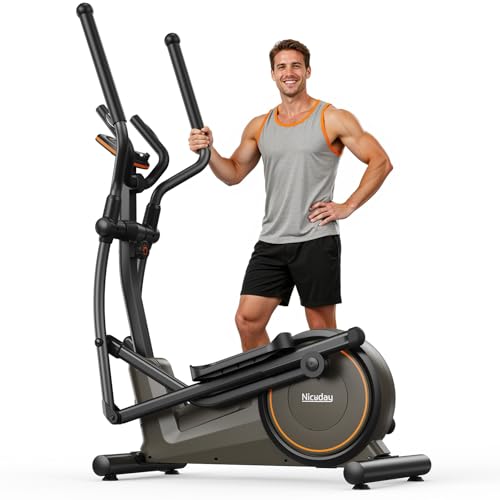

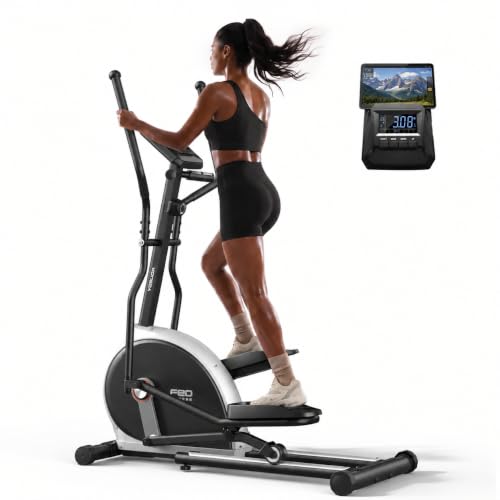
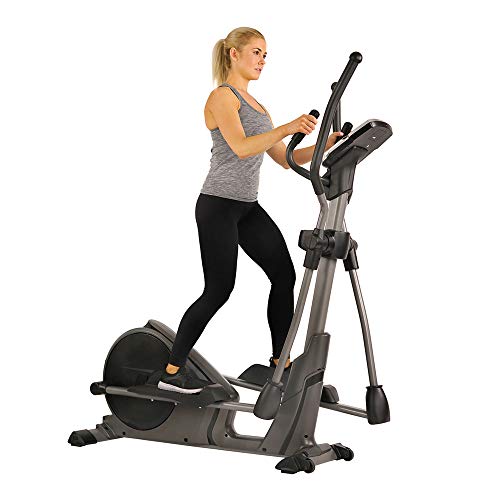
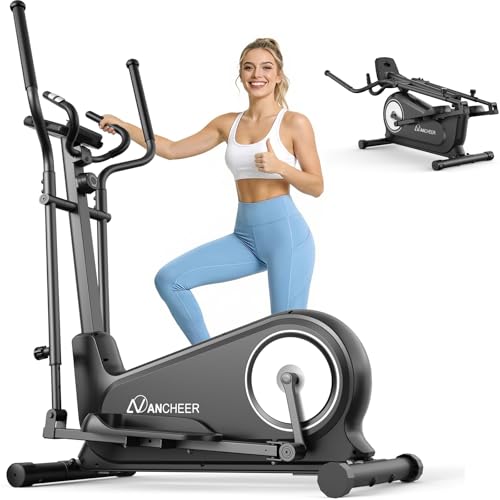
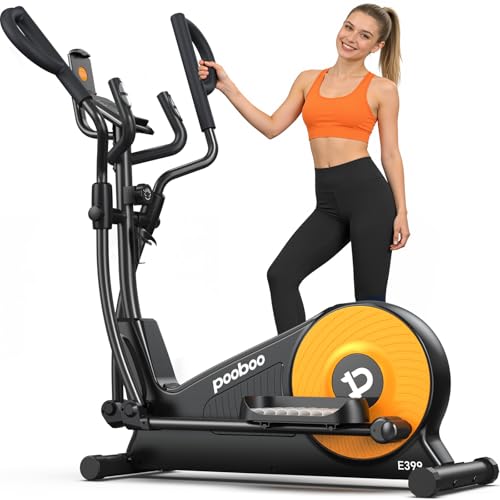

Who Should Buy Which Elliptical?
The profiles below group buyers by habit and space, not by budget alone. Find the profile closest to your life, note its priority features, and use those priorities when you scan the product table above. The value method behind these profiles is the same one in the best bang for your buck overview: pay for what your routine demands and skip the rest.
For Frequent or Serious Users
If you train four or more times a week, durability leads your list. Look for a steel frame, a higher weight capacity than you strictly need, and a flywheel and magnetic resistance system rated for steady daily use. Stride length should match your natural gait so your hips and knees stay comfortable over long sessions. A strong warranty on frame and parts matters because wear parts actually get used. Cooling, heart rate grips, and program variety are nice additions, but frame strength and a smooth stride at higher resistance are what keep a serious routine going month after month.
For Weekend Beginners
Beginners do best with a machine that feels inviting rather than intimidating. Prioritize a quiet magnetic drive, simple controls, a few built in programs, and a stride that feels natural at a walking to jogging pace. You do not need the heaviest frame or the largest screen. A mid range weight capacity and clear assembly instructions save frustration on day one. Start with shorter sessions and add time gradually. If joint pain, chest symptoms, or dizziness appear during exercise, stop and talk with a doctor before continuing, and beginners with any health condition should check with their clinician before starting a new routine.
For Bad Weather and Tough Conditions
Some ellipticals live in garages, basements, or covered porches where dust, humidity, and temperature swings are part of life. For those spots, choose powder coated steel, sealed bearings where listed, and electronics kept simple, because large touchscreens and exposed consoles suffer most in damp air. A cover protects the machine between sessions. Place the unit away from direct moisture and keep the floor dry. Tough conditions also mean tougher cleaning: wipe dust from rails and vents weekly so grit does not grind into moving parts and shorten the life of the drive system.
For Small Spaces and Easy Storage
Small homes reward honest measuring. Compact and foldable models shorten their footprint when upright, and transport wheels help you roll the machine into a corner. Check the folded dimensions, not just the claimed footprint, and confirm the ceiling height allows your full stride motion, since your head rises higher on an elliptical than when standing. A lighter frame is easier to move but can feel less steady at high effort, so balance storage ease against stability. If you will move the machine daily, ease of moving becomes a core feature, not a bonus.
Key Features to Compare
With your profile chosen, compare the features below in order. Each one connects to a real moment in a workout: noise at dawn, ceiling clearance on every stride, or a console you either enjoy or ignore.
Noise Level for Apartments
Magnetic resistance is the quiet option because nothing rubs against the flywheel to create friction noise. Most remaining sound comes from rails, joints, and your floor. A thick mat under the machine absorbs vibration and protects the floor, and it makes early morning sessions far more neighbor friendly. Belt drives tend to run more quietly than chain style designs. If a listing gives no drive type at all, treat that silence as a gap and look for one that does. Test your likely workout times against your household routine before assuming noise will not matter.
Space, Footprint, and Ceiling Height
Measure length, width, and ceiling height as one job. Add about two feet of clear space behind the machine for safe mounting and dismounting, and some room at the sides. For ceiling height, add your height plus the pedal height at its top point, then add a safety margin, because low basement ceilings surprise many buyers. Folding models still need their full length while in use. Sketch your room on paper with the door swing included. That five minute sketch prevents the most common and most annoying buying error in this category.
Features That Matter in a Value Elliptical
Three specs decide most of your experience. Stride length, often about 18 to 20 inches for average height adults, should suit the tallest regular user, since a short stride feels choppy and a very long one can strain hips. Resistance levels matter less as a count than as smooth, repeatable steps from easy warm up to hard effort. Weight capacity should exceed the heaviest user with room to spare, because capacity also signals frame strength. Adjustable incline and moving handlebars add training variety, but only after stride, stability, and resistance feel right.
Warranty (Frame, Parts, Labor)
Read the warranty as three separate promises. Frame coverage is usually the longest and protects the structure. Parts coverage protects the drive, electronics, and wear items, and its length tells you how long the maker expects those systems to last. Labor coverage is the shortest but the most valuable in year one, when a repair visit would otherwise cost real money. A value model with solid parts coverage often beats a cheaper model with a long frame promise and very short parts coverage. Keep your receipt and register the machine so a claim later is simple.
Console, Programs, and App Connectivity
A clear console showing time, distance, resistance, and heart rate covers the needs of most users. Built in programs add variety by changing resistance for you, which helps beginners stay consistent. Bluetooth connectivity can send workout data to an app or connect a heart rate strap, and some machines pair with subscription training services. Decide before you buy whether you want that ongoing cost. A tablet holder and a good place for a water bottle sound minor, but they shape whether the console area helps your routine or gets in its way.
Common Mistakes to Avoid When Buying an Elliptical
- Looking only at price. The cheapest machine with a short stride and weak frame costs more in frustration and early replacement than a sound mid tier choice.
- Ignoring noise in apartments. Skipping the mat and choosing a loud drive turns every early workout into a household negotiation.
- Buying the wrong size. A stride or frame that does not fit the main user never becomes comfortable with time.
- Skipping ceiling height. Length and width get measured, height gets forgotten, and low ceilings are common in the rooms ellipticals land in.
- Not checking the warranty split. Frame, parts, and labor lengths differ a lot, and the shortest one is often the one you will use.
Setup and Care Tips
Place the machine on a mat to protect floors and reduce noise, and level it using any adjustable feet so it does not rock. Wipe down the frame, handles, and console after each workout, because sweat corrodes metal and clouds screens over time. Tighten bolts monthly, since the repeating stride motion slowly loosens hardware, and check rails and rollers for dust buildup.
FAQs
What features matter most in a value focused elliptical?
Stride length that fits the main user, smooth magnetic resistance, and frame capacity above your weight matter most. Those three decide comfort and durability on every session. A final check is pedal spacing. Narrow, natural pedal spacing keeps hips aligned and reduces sideways knee stress, a detail that matters more over months of use than extra console programs.
Is a subscription required for an elliptical?
No, a subscription is not required to use the machine itself. The pedals, resistance, and basic programs work without one on most models. Paid services add coached classes and tracking, which some people enjoy and others never open. Before paying more for a large connected screen, confirm you can still set resistance manually if you later cancel, so the machine stays fully useful on its own.
Which elliptical type is better for beginners?
A mid size magnetic model with a moderate stride and simple programs is better for most beginners. It feels stable, runs quietly, and does not overwhelm you with settings. Start with short, easy sessions and build gradually. If you have joint, heart, or balance concerns, ask your doctor which exercise style and intensity are appropriate before your first workout.
How much space do I need for an elliptical?
Plan for the machine footprint plus about two feet behind it and clear space at the sides, plus enough ceiling height for your head at the top of the stride. Foldable models reduce storage length but need full space in use. Measure your actual room, including baseboards and door swing, rather than trusting a rough estimate, and write the numbers down before comparing models.
Is an elliptical quiet enough for an apartment?
Yes, a magnetic resistance model on a good mat is quiet enough for most apartments. The drive itself makes very little sound, so remaining noise is mostly floor vibration, which the mat absorbs. Avoid the earliest and latest hours for high effort sessions if your floors are thin, and keep bolts tight, because a small rattle from loose hardware is the most common noise complaint and the easiest to fix.
How long does an elliptical last?
A well kept home elliptical typically lasts about five to ten years, with heavy daily use at the lower end. Belts, rollers, and electronic consoles are the parts most likely to need service first. Monthly bolt checks, regular cleaning, and staying within the rated weight capacity are the habits that push a machine toward the long end of that range and protect your warranty.
Our Verdict
Match the machine to your profile first, then confirm stride, capacity, and space, and let the console be the last tiebreaker. The product table above lines those checks up so you can compare quickly. Chosen that way, the best bang for your buck elliptical supports a routine you will keep, which is where its real value comes from. Talk with your clinician about personal needs if you have any health concerns before training.