
Best Bang for Your Buck Binoculars: What to Look For in 2026
Disclosure: We may earn a commission when you buy through links on this page, at no extra cost to you. As an Amazon Associate I earn from qualifying purchases. Learn more

Magnification, coatings, ED glass and weight decide value. Here is how to choose the best bang for your buck binoculars.
Good binoculars do not need to cost a lot, but price alone does not tell you how sharp, bright, or comfortable a pair will be. The best bang for your buck binoculars give you clear, bright views, a comfortable fit, and a sealed body that survives rain and bumps, without paying for features you will rarely use. This guide explains the specs that matter for birdwatching, hiking, travel, and general outdoor viewing, so you can compare pairs with confidence.
Most buyers choose between full-size and compact models, in 8x or 10x magnification. The product table lists examples at several price levels.


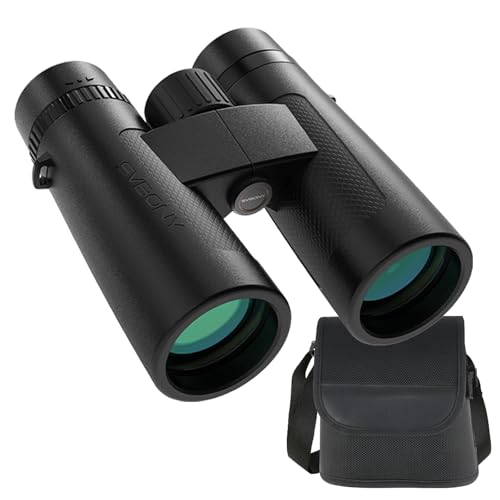

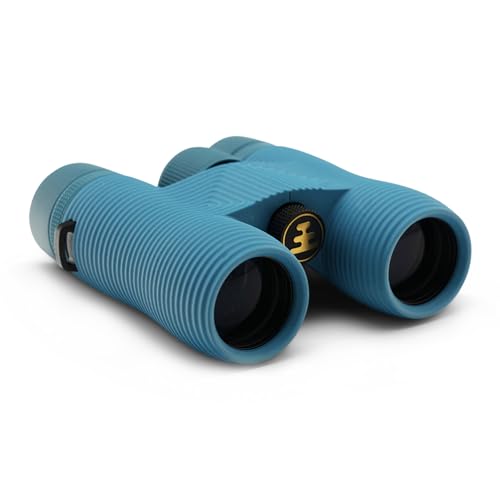

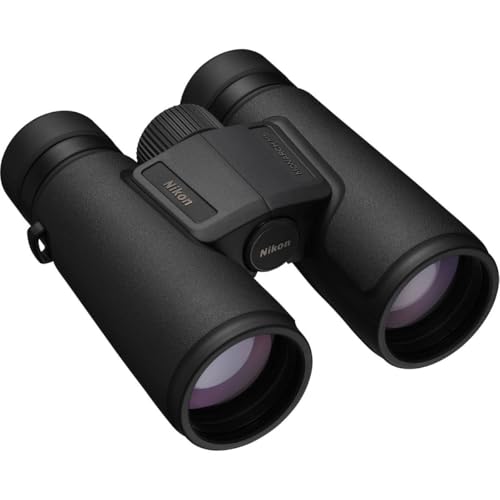

Understanding the Numbers: 8x42 and 10x42
Binocular names carry two numbers. The first is magnification: 8x makes things appear eight times closer. The second is the diameter of each front lens in millimeters: 42 mm lets in plenty of light. Higher magnification shows more detail, but it also magnifies hand shake and narrows the field of view, which makes birds and moving targets harder to find.
For most people, 8x42 is the best all-around choice. It gives a wide, steady, bright view and works for birding, hiking, sports, and travel. A 10x42 pair reaches farther and suits open country and long-distance viewing if you have a steady hand. Compact 8x32 or 8x25 pairs weigh less and slip into a pocket, but they gather less light in dim conditions.
Optics That Matter for Value
Prisms and Coatings
Roof prism binoculars are slim and light, while porro prism pairs have the classic wide shape and often give more depth for the money. Look for BaK-4 glass and phase-corrected prisms in roof designs, which sharpen detail and contrast. Fully multi-coated lenses reduce glare and let more light through, which gives a brighter picture in the early morning and evening. Coatings are one of the clearest differences between cheap and good binoculars.
ED Glass
Extra-low dispersion glass reduces color fringing around bright edges, so images look cleaner and sharper. ED glass used to be found only in expensive pairs, and it now appears in many mid-priced models. If you can afford it, it is worth having for birding and wildlife watching, where small details matter.
Field of View and Eye Relief
A wider field of view makes it easier to find and follow a moving subject. Eye relief is the distance you can hold the eyepiece from your eye and still see the full image, and glasses wearers need about 15 millimeters or more, with eyecups that twist or fold down. Check both before you buy if you wear glasses.
Choosing by Use
For birdwatching, pick 8x42 with a close focus distance, so you can also look at butterflies and nearby insects. For hiking and travel, compact 8x32 pairs save weight and fit in a jacket pocket. For sports and concerts, a lightweight 8x or 10x pair with a wide field of view works well, and a wide-angle porro design suits stadium use. For wildlife in low light at dawn and dusk, larger objective lenses of 50 millimeters collect more light, but the pair is heavier and larger, so plan to use a strap or harness to spread the weight.
If you are buying for a child or a first-time user, choose a durable pair with a simple focus wheel, a rubber body, and a wide field of view, and avoid models with complicated zoom controls. A steady, comfortable pair gets used far more often than a powerful pair that is awkward to hold.
Build, Fit, and Handling
Look for a waterproof, fogproof body, which means sealed and filled with nitrogen or argon so moisture cannot get in. Rubber armor protects against drops and gives a secure grip. Weight matters more than most buyers expect: a pair over 25 ounces can tire your arms and neck on a long walk, while compact models stay comfortable all day. Check that the focus wheel turns smoothly, the diopter adjustment holds its setting, and the hinge adjusts to your eye spacing.
Budget and Value
Entry binoculars cost under $100 and are fine for casual use, but optics and sealing are often basic. The range from about $100 to $300 is where value is strongest: waterproof bodies, good coatings, and often ED glass from established makers. Above that, you pay for brighter, sharper optics and better mechanics, which matter most to serious birders. Always check the warranty, since good makers back their binoculars for many years, and a clear warranty is a sign of build quality.
For more on how to weigh price against lasting quality across gear, see the guide to best bang for your buck picks.
Using and Caring for Binoculars
Adjust the eyecups and the hinge so you see one circle of view. Set the focus on a distant object with your right eye closed, then use the diopter ring to sharpen the view in your right eye. Use the strap to keep the weight off your hands, and keep the lens caps on when you are not using them. Clean the lenses with a blower and a soft lens cloth, not your shirt, and store the binoculars in a dry place away from heat. Never look at the sun through binoculars, since it can damage your eyes.
Mistakes to Avoid
- Chasing high magnification. A shaky 12x view is less useful than a steady 8x one.
- Buying zoom binoculars. Zoom pairs usually trade away sharpness and light for flexibility.
- Ignoring weight. A pair you do not want to carry stays at home.
- Skipping the eye relief check. Glasses wearers need long eye relief and folding eyecups.
- Trusting vague specifications. Listings that omit coatings, prism type, or waterproofing often hide basic optics.
Frequently Asked Questions
What size binoculars are best for birdwatching?
8x42 is the standard choice for birding, with a wide field of view, bright images, and steady handling. A 10x42 pair works if you want more reach and can hold it steady.
Are cheap binoculars worth buying?
For occasional use, yes, but expect basic coatings and sealing. A mid-priced pair from a known maker usually gives a far better view and lasts longer.
Do I need waterproof binoculars?
For outdoor use, yes. Waterproof and fogproof bodies keep moisture out and prevent fogging when the temperature changes.
What does ED glass do?
It reduces color fringing, which makes edges look cleaner and details sharper, especially in bright light.
Can I use binoculars with glasses?
Yes, if the pair has enough eye relief (about 15 millimeters or more) and eyecups that fold or twist down.
Final Thoughts
Start with 8x42 if you are unsure, check coatings, waterproofing, weight, and eye relief, and spend a little extra for ED glass if birding is your main use. Compare your shortlist in the product table, and the best bang for your buck binoculars will be the pair you actually enjoy carrying and using.


