Best Bang for Buck Watches: How to Find Real Value for 2026
Disclosure: We may earn a commission when you buy through links on this page, at no extra cost to you. As an Amazon Associate I earn from qualifying purchases. Learn more

Learn what makes the best bang for buck watches good value, from movements and crystals to water resistance, fit and upkeep.
A good watch does not have to cost much, but a cheap one can cost you more if it fails in a year. The best bang for buck watches pair a reliable movement, a durable case and crystal, and a strap you will not want to replace right away, all at a price that leaves room in the budget. This guide explains where watch money goes, so you can spot real value and skip paying for a brand name or flashy dials.
Value watches usually fall into four families: quartz, solar, automatic, and digital. Each suits a different kind of owner, and the product table shows examples across them.
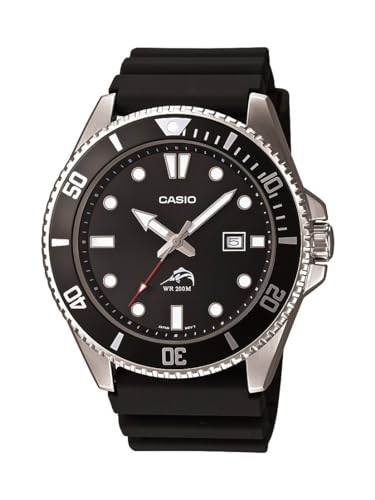


Watch Types and What They Cost
Quartz Watches
Quartz is the value default. A battery drives a tiny crystal that keeps time to within seconds per month, and the watch needs a new cell every two to three years. Quartz suits anyone who wants a dependable, low-fuss watch, and good ones start around $30. The limits are few: a quartz watch is less interesting to collectors, and a dead battery left inside can leak, so replace it promptly.
Solar Watches
Solar models charge a cell from any light and run for years without battery changes. They cost a little more than basic quartz, and they are an excellent pick for travel and outdoor use because there is nothing to open or replace. Leave them where they see daylight now and then, and they keep time quietly for a decade or more.
Automatic Watches
Automatics wind themselves from the motion of your wrist and use no battery. They cost more for the same case quality because the movement has many more parts, and they drift by a few seconds a day. If you like seeing a mechanism at work and plan to wear one watch most days, entry automatics from established makers offer good value. Expect servicing every five to seven years.
Digital Watches
Digital sport watches are the cheapest way to get an accurate, tough watch. They add timers, alarms, backlights, and often 100 meters of water resistance for a low price. They suit workouts, work, and anyone who wants to read the time at a glance. See the guide to best bang for your buck watches for another take on the same budget idea.
What Makes a Watch Good Value
Crystal and Case
The crystal takes the knocks. Sapphire resists scratches almost completely and is a real upgrade where you can find it at a fair price. Mineral glass costs less and holds up well with care, while plain acrylic scratches easily but is easy to polish. For the case, stainless steel is the standard: it resists corrosion, polishes well, and any jeweler can service it. Resin cases are light and tough, and suit sport watches well.
Water Resistance
Match the rating to how you live. A 30 meter rating survives hand washing and rain but not swimming. Choose 50 meters for showers and light swimming, and 100 meters or more for regular swimming. Screw-down crowns add extra protection. Ratings assume fresh gaskets, so have seals checked after a battery change or repair.
Size and Fit
Fit decides whether a bargain feels like one. Most value watches range from 34 to 44 millimeters across the case, but the lug-to-lug length matters as much as the diameter. If the lugs overhang the edges of your wrist, size down. A smaller wrist suits 36 to 40 mm, and larger wrists can carry 42 to 44 mm comfortably. Thick cases catch on cuffs, so check the thickness if you wear sleeves.
Strap or Bracelet
The band is the part you touch all day. Steel bracelets feel solid and last, leather looks warm but dislikes water, and silicone or resin straps handle sweat and swimming easily. Standard lug widths of 18, 20, or 22 millimeters make replacement straps easy to find, and quick-release spring bars let you change a strap without tools.
Budget and Value
Budget watches start at about $30 for quartz and digital models, good solar and quartz watches run about $60 to $200, and entry automatics usually start around $150 to $300. Value does not rise in a straight line with price: a $60 watch from an established maker often beats a $60 fashion watch with a famous label, because more of the price goes into the movement, crystal, and finish. Add the cost of a strap swap or a battery replacement to your total, and prefer makers who give clear warranty terms and keep spare parts in stock.
Mistakes to Avoid
- Buying on style alone. A watch you cannot read quickly or that does not fit your wrist ends up in a drawer.
- Ignoring water resistance. A splash-proof watch is not a swim watch. Match the rating to your real habits.
- Overpaying for fashion brands. Name-only brands often use basic movements at premium prices.
- Skipping the return policy. Fit is personal, so buy where you can return a watch that sits wrong.
- Forgetting upkeep. Automatics need servicing, and quartz needs a battery change every few years.
Care and Maintenance
Rinse your watch with fresh water after swimming in salt water, then dry the strap fully. Keep mechanical watches away from magnets such as speakers and bag clasps, which can make them run fast. Wipe leather straps dry and rotate straps in humid months. Replace the tiny spring bars every few years, since they are the only thing holding the watch on your wrist.
For more on value in mechanical models, read best bang for buck automatic watches, which covers movements, crystals, and fit in more detail.
Frequently Asked Questions
Which is the best value type: quartz, solar, or automatic?
Quartz and solar give the most accuracy and the least fuss per dollar. Automatic suits owners who enjoy a mechanical movement and accept periodic servicing. Digital sport watches give the most features for the least money.
How much should I spend on a good watch?
For most people, $50 to $200 buys a watch that keeps good time and lasts for years. Spending more mainly buys finishing, sapphire crystals, or a mechanical movement, so spend more only if those matter to you.
Are cheap watches reliable?
Many are, if they come from established makers with clear warranties. Unknown brands with vague specifications and no parts support are a gamble, because a failed movement is rarely repairable.
How long does a watch battery last?
Most quartz watch batteries last two to three years, less if the watch has a heavy-use display or many functions. Solar watches recharge from light and often run for a decade before the cell needs replacing.
What size watch is right for me?
Measure your wrist and compare it with the lug-to-lug length, not just the diameter. If the lugs overhang your wrist, choose a smaller case.
Final Thoughts
Choose the movement type that matches how much upkeep you want, then check the crystal, water resistance, and fit before price. Compare the finalists in the product table, and the best bang for buck watches will turn out to be the ones that fit your wrist and your routine.