Best Bang for Buck Automatic Watches: Types Compared and How to Choose for 2026
Disclosure: We may earn a commission when you buy through links on this page, at no extra cost to you. As an Amazon Associate I earn from qualifying purchases. Learn more

Compare automatic watch types side by side to find the best bang for buck automatic watches for your wrist, your budget, and your daily routine.
Automatic watches span a huge range, from simple three hand models under $200 to polished pieces costing several thousand, and the middle of that range is where most buyers get stuck. This guide compares the main types side by side so you can see what each extra dollar actually buys. The goal is finding the best bang for buck automatic watches for your wrist and routine, not the most expensive watch you can stretch to.
Value in this category has a clear pattern: a proven movement, a sapphire or quality mineral crystal, solid case finishing, and a bracelet or strap you will not replace immediately. Use the product table for a fast overview, then read the type comparisons to decide where your money works hardest.


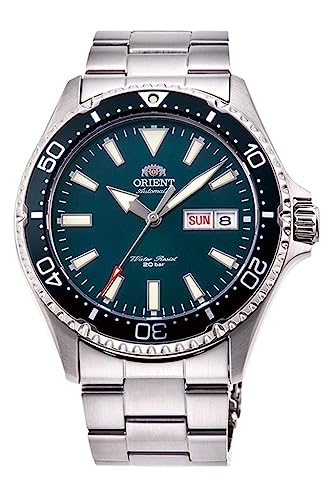


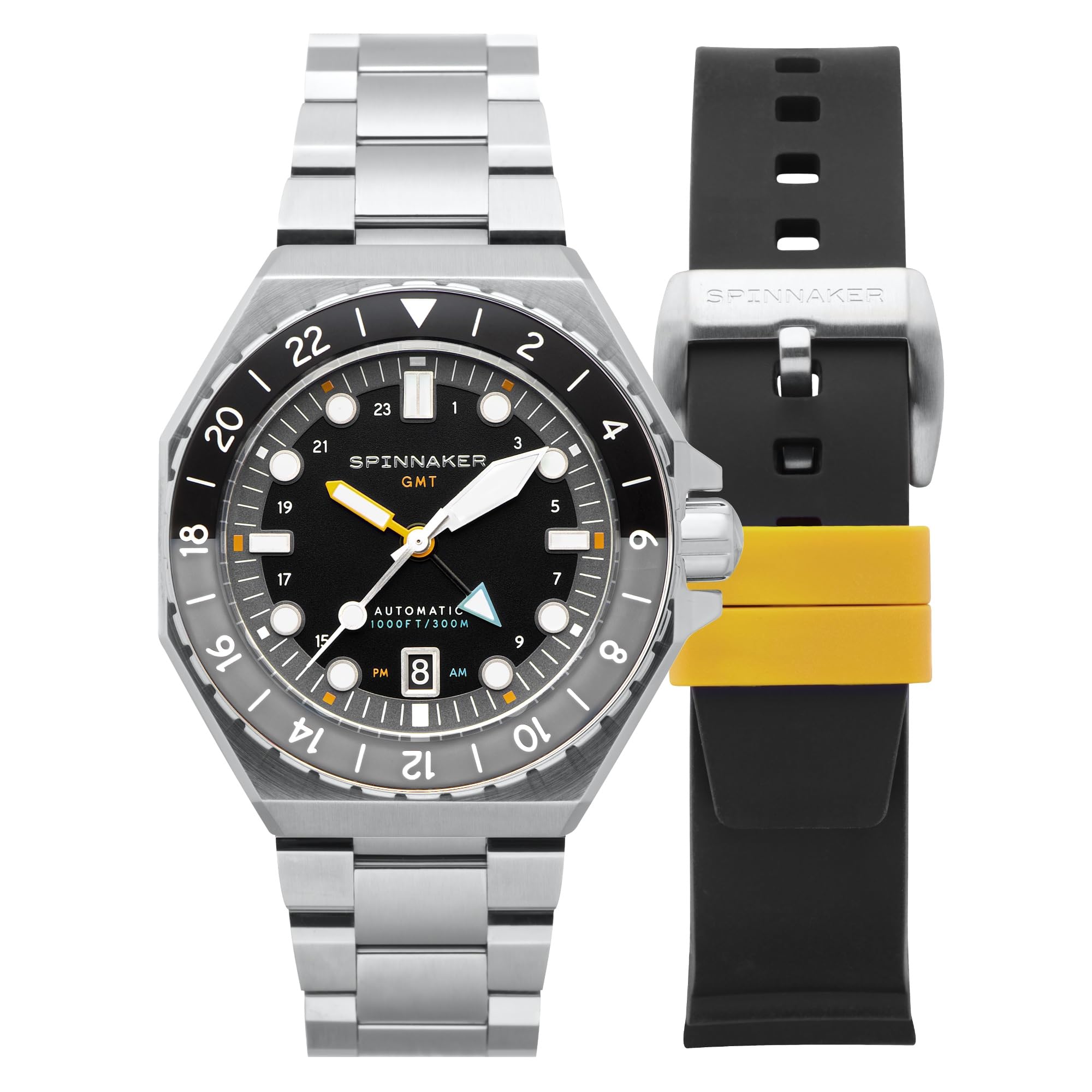
How Automatic Watches Compare to Other Options
Think of the choice as three questions. Do you want the self winding mechanical experience at all? If yes, which style of automatic suits your life? And what do you give up versus simpler or smarter alternatives? The three comparisons below answer those questions in order, using typical price tiers rather than named models, so the logic stays useful as lineups change.
Automatic Watches vs Quartz Watches
Quartz watches cost less, keep near perfect time, and need only a battery change every few years. Automatic watches cost more for the same case quality because the movement contains far more parts, and they drift by several seconds a day. What you gain is a watch that winds itself from your wrist, never needs a battery, and carries the craft many owners enjoy daily. Shoppers weighing that trade off often start with the broader best bang for buck watches to see both camps priced honestly. Choose quartz for pure function. Choose automatic when the mechanism itself is part of the pleasure.
Automatic Watches vs Dive and Field Watches
Dive and field styles are not rivals to automatics so much as flavors of them, since many dive and field watches use automatic movements too. Dive designs add a rotating bezel, strong lume, and 200 meter water resistance for swimming and timing, usually in larger 40 to 44 mm cases. Field designs favor legible dials, slimmer cases, and rugged simplicity for outdoor days. A dress leaning automatic trades that toughness for thinner proportions and cleaner dials. Pick by wardrobe and activity: water and trail use point to dive or field types, while office wear rewards the slimmer, quieter styles.
Automatic Watches vs Smartwatches
A smartwatch outdoes any automatic on features, adding GPS, heart rate tracking, notifications, and payments for about the same money as an entry automatic. The catch is lifespan: smartwatches become outdated within years and need charging every day or two. An automatic watch asks for servicing every 5 to 7 years and can run for decades, with a look that does not date as quickly. Health data from a smartwatch is a helpful guide, not a medical device, so health questions still belong with a clinician. Choose the smartwatch for data and convenience, and the automatic for longevity and a screen free wrist.
Who Should Choose an Automatic Watch?
Automatics suit people who wear one watch most days, because daily wear keeps the movement wound and the owner bonded to it. They also suit buyers who value repairability: a mechanical movement can be serviced by a skilled watchmaker long after electronic parts vanish. If you rotate many watches, demand split second accuracy for work, or hate any upkeep, quartz or solar will make you happier for less money. Beginners curious about the full landscape can browse the best automatic watches to see how styles and price tiers are arranged before committing to a type.
How to Choose the Right Automatic Watch
Crystal and Case Materials
The crystal protects the dial and takes the knocks. Sapphire is the value sweet spot at this level because it resists scratches almost completely, keeping the watch looking new for years. Mineral glass costs less and still performs well, but it will collect marks with hard daily use. For the case, 316L stainless steel is the proven standard: corrosion resistant, polishable, and easy for any jeweler to refinish. Titanium weighs about 40 percent less and suits people who dislike a heavy wrist, though it scratches more easily and usually costs more. Prioritize sapphire first; it is the upgrade owners appreciate longest.
Features That Matter in Value Automatic Watches
Value automatics live or die by a short list. Look for a movement with hacking, meaning the seconds hand stops when you set the time, and hand winding, so you can start the watch manually after a quiet weekend. A power reserve around 38 to 80 hours covers a day or two off the wrist. Water resistance of 100 meters handles swimming without worry. Solid end links and a milled clasp on the bracelet signal real quality at this tier, while hollow links and stamped clasps reveal cost cutting. Readers comparing the entry tier specifically will find the best affordable automatic watches helpful for seeing which of these features survive at the lowest prices.
Movement Type (Quartz, Automatic, Solar, Smart)
Before you commit, check the alternatives. Quartz offers accuracy and low prices. Solar adds light powered convenience with the same accuracy. Smart adds data and apps. Automatic alone offers a self winding mechanical movement with a sweeping seconds hand and decades of service life, at the cost of daily drift measured in seconds and periodic servicing. If none of those automatic virtues move you, the honest value choice may sit in another category. Confirming that now saves a return later, and it sharpens what value means for your own wrist.
Case Size and Wrist Fit
Fit decides whether a bargain feels like a bargain. Most value automatics cluster between 38 and 44 mm, but lug to lug length predicts comfort better than diameter alone. Measure your wrist: under about 6.5 inches usually suits 38 to 40 mm cases, while larger wrists carry 42 to 44 mm easily. Keep total lug to lug length within the flat top of your wrist so the case does not overhang. Thickness matters as well; dive styles near 13 to 14 mm feel chunky under cuffs, while 11 to 12 mm slides under a shirt sleeve. A well fitting mid priced watch beats an oversized prestige piece daily.
Best Automatic Watches for Specific Needs
Best Bang for Your Buck Automatic Watches: Which Type Works Best
When the question becomes the best bang for your buck automatic watches for your own life, three personal criteria decide it. First, your wearing pattern: daily wearers can pick any style, while occasional wearers should favor longer power reserves. Second, your water exposure: swimmers need a dive type with 200 meter resistance and a rubber strap or bracelet. Third, your wardrobe: office heavy lives reward slim dress leaning cases. Readers phrasing the search slightly differently often land on guides to the best bang for your buck watches, which use the same logic across movement types. Match the type to those three answers and the value follows.
How to Make Your Automatic Watch Last Longer
Treat an automatic well and it will outlast trends and owners alike. Service automatic watches every 5 to 7 years so dried lubricants do not grind the gear train. Rinse after saltwater exposure with fresh water, then dry the bracelet joints where salt hides. Store away from magnets such as phone speakers and bag clasps, since magnetic fields can speed the watch up noticeably. Wind it gently by wearing it rather than shaking it, and keep it in a dry place away from bathroom steam. These habits cost nothing and add years.
Frequently Asked Questions
What features matter most in automatic watches bought for value?
A reliable movement with hacking and hand winding matters most, followed by a sapphire crystal and at least 100 meters of water resistance. Those four items protect daily enjoyment and long term condition better than decorative extras. Next, check bracelet construction and clasp quality, because flimsy hardware cheapens every wear. Complications such as moon phases add cost and service complexity, so let simple, well finished designs win your budget.
Is a smartwatch worth it over a classic watch?
Yes, if notifications, workout tracking, and payments genuinely save you effort each week. No, if you charge devices reluctantly or want a watch that still looks current in a decade. Smartwatches depreciate like phones, while a serviced automatic holds its usefulness and much of its value. Many people end up owning one of each for different roles. Start with whichever matches most of your days, and add the other only when a real gap appears.
Quartz or automatic: which is better?
Quartz is better at timekeeping, price, and convenience. Automatic is better at longevity, repairability, and the simple pleasure of a mechanical movement powered by your own motion. Accuracy differences sound dramatic but amount to a quick reset every week or two for most automatics. Decide by temperament: set and forget owners belong with quartz, while owners who enjoy objects with craft and history belong with automatic. There is no wrong answer, only a wrong match.
How water resistant should a watch be?
For an automatic you plan to keep for decades, 100 meters is the sensible target because it covers swimming and showers without drama. A 50 meter rating handles rain and splashes and careful hand washing. Ratings assume fresh gaskets, so have seals tested every couple of years and and always after any repair that opens the case. Screw down crowns add security on dive styles. Whatever the rating, keep leather straps out of the water entirely.
How long does a watch battery last?
An automatic has no battery at all, which is part of its value story, since it removes replacements and the risk of a leaking cell. For comparison, quartz batteries usually last 2 to 3 years, and solar cells can run a decade or more before the rechargeable cell weakens. If your automatic stops, it simply needs winding or wearing, not a cell. That independence from batteries is a quiet, real saving over a long ownership.
What case size fits my wrist?
Start with your wrist measurement, then check lug to lug length on any watch you consider. Slender wrists under 6.5 inches usually suit 36 to 40 mm cases with lug to lug under 48 mm. Average wrists handle 40 to 42 mm easily, and larger wrists can wear 44 mm without overhang. Dial color changes perceived size too: white dials wear larger than black ones of identical dimensions. When in doubt, the smaller size ages better on the wrist.
The Bottom Line
Value in an automatic watch comes from a proven movement, a sapphire crystal, honest water resistance, and a case that fits your wrist properly. Compare the types in the product table above against those four points and the right tier becomes obvious quickly. Get those basics right and the best bang for buck automatic watches deliver decades of service for a fair price, which is exactly what value is supposed to mean.