Best Bang for Your Buck Watches: Value Guide for 2026
Disclosure: We may earn a commission when you buy through links on this page, at no extra cost to you. As an Amazon Associate I earn from qualifying purchases. Learn more

How to pick the best bang for your buck watches: quartz, solar, or automatic, the right size and strap, and what each price level buys.
A good watch does not need a four-figure price, yet shop listings blur quartz, automatic, and fashion watches together. This guide to best bang for your buck watches explains what separates a watch that keeps working for years from one that falls apart after a season, so you can pay for the parts that matter.
The product table lists dependable watches across several price levels and styles. Use the sections below to choose a movement, case size, and strap, then compare the table against those choices.
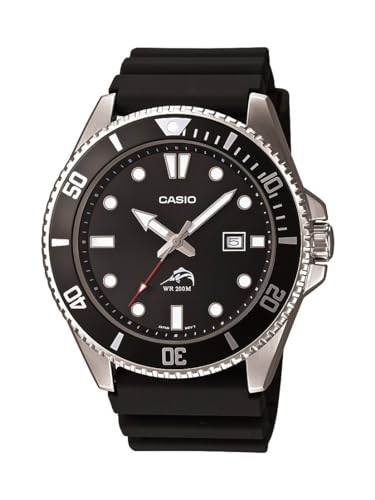


Pick the Movement First
The movement is the engine of the watch. It decides accuracy, upkeep, and a good share of the price, so choose it before you worry about the dial.
Quartz
Quartz watches use a battery and a small crystal, and they are accurate, inexpensive, and low maintenance. They are the best value for everyday wear. Expect a battery change every few years, and check whether the case back is easy to open.
Solar and Eco-Drive
Solar quartz watches charge from light and avoid regular battery changes. They cost a little more up front, but the savings in upkeep and the convenience make them strong value for a daily watch.
Automatic
Automatic watches wind themselves from the motion of your wrist and appeal to people who like mechanical movements. Good value models from established makers exist at moderate prices. Accept that they are less precise than quartz, drift a few seconds each day, and need servicing every several years.
Digital
Digital watches from the major makers are cheap, tough, and packed with features such as alarms, timers, and world time. For sport and travel, they are hard to beat on price.
Best Bang for Your Buck Watches: Key Features
Case Size and Fit
Most men's watches sit between 38 and 44 mm in diameter, and women's watches usually range from 28 to 36 mm. Lug-to-lug length matters as much as diameter. A watch that overhangs your wrist feels awkward, so measure your wrist and compare it with the listed size.
Crystal and Case Material
Mineral crystal is common at low prices and resists everyday knocks, but it scratches over time. Sapphire crystal is far more scratch resistant and is increasingly found on watches in the mid-price range. Stainless steel is the standard case material because it is tough and holds its finish.
Water Resistance
A rating of 30 meters means splash resistance only. Choose 100 meters or more for swimming, and 200 meters for dive-style watches. Keep the crown screwed in, and rinse salt water off after use.
Strap and Bracelet
The strap affects comfort every day. Steel bracelets last longest, leather straps look dressier but need replacing, and fabric or rubber straps suit casual and sport use. Quick-release spring bars make swapping a strap simple and cheap.
What Your Money Buys
Under $75
Casio and Timex dominate this tier. Expect quartz or digital movements, mineral crystals, and durable resin or fabric straps. They are ideal as everyday and outdoor watches, and an inexpensive way to find out what style suits you.
$75 to $250
This is the sweet spot. Established makers offer solar quartz, stainless steel cases, sturdy bracelets, and entry-level automatics in this range. You get better finishing, stronger water resistance, and longer service life.
$250 and Above
Here you find sapphire crystals, better automatic movements, and refined dials. The gains are real but smaller per dollar, so buy at this level only if you appreciate the finish and the mechanics.
Style and Use
A field watch with a clear dial suits almost any outfit, a dive-style watch suits the beach and the office, and a dress watch with a slim case slides under a cuff. If you want one watch for everything, choose a simple three-hand design on a steel bracelet or a strap you can swap. Match the look to the clothes you already wear, because a watch you enjoy wearing earns its price.
Care and Ownership Costs
Wipe the case with a soft cloth and rinse it with fresh water after swimming. Keep it away from strong magnets, and avoid extreme heat. Plan for a battery replacement every two to five years on quartz models, and a service every five to ten years on automatics. Keep the receipt and warranty details together so a repair is simple.
Common Mistakes to Avoid
Buying a fashion watch by looks alone is the most common mistake, because many have weak movements and thin plating that wears off. Another is ignoring size, which leads to a watch that feels too big or too small. Finally, avoid unknown brands with exaggerated claims, as they rarely offer parts, batteries, or warranty support later.
Frequently Asked Questions
What features matter most in a value watch?
Movement type, case size and fit, crystal and water resistance matter most. Strap quality and warranty come next. Complications and branding add cost but rarely add daily value.
Is automatic better than quartz?
Not in value terms. Quartz is more accurate and cheaper, while automatic appeals for craftsmanship. Choose based on whether you value precision or the mechanical experience.
How much water resistance do I need?
Choose 50 meters for splashes and light rain, 100 meters for swimming, and 200 meters for diving. Keep the crown pushed in or screwed down.
Are smartwatches better value?
They suit fitness tracking and notifications, but they need charging and become outdated sooner. A traditional watch lasts longer with less upkeep, so many people own both.
How long do cheap watches last?
A good quartz watch from a major brand can last ten years or more with a battery change. Cheap fashion watches often fail sooner at the strap, plating, or movement.
Can I replace the strap myself?
Usually yes. Most watches use standard spring bars, so a small tool and a matching strap width are enough. If you are unsure, a jeweler can do it in minutes.
Final Thoughts
Choose a movement that suits how much upkeep you accept, check that the case size fits your wrist, and spend a little more where a better crystal or a solar movement saves trouble later. Use the product table above to compare current models, and keep in mind that best bang for your buck watches come from established makers with durable parts and easy service. For related reading, see our best bang for your buck overview.