Best Bang for Buck LEGO Sets at Every Price: What Your Money Really Gets You for 2026
Disclosure: We may earn a commission when you buy through links on this page, at no extra cost to you. As an Amazon Associate I earn from qualifying purchases. Learn more

Compare the best bang for buck lego sets at every price point. Learn what you get at budget, midrange, and premium levels and where spending more pays off.
Prices for brick sets stretch from pocket money to serious display money, and a high price does not always mean more building fun. This guide shows how to spot the best bang for buck lego sets by looking at piece count, build time, and replay value at each price level instead of judging by box size alone.
You will learn what each tier normally delivers, which features are worth paying for, and which extras add cost without adding play. Start with the product table, then use the tier guide to set a budget that matches the builder in your house.

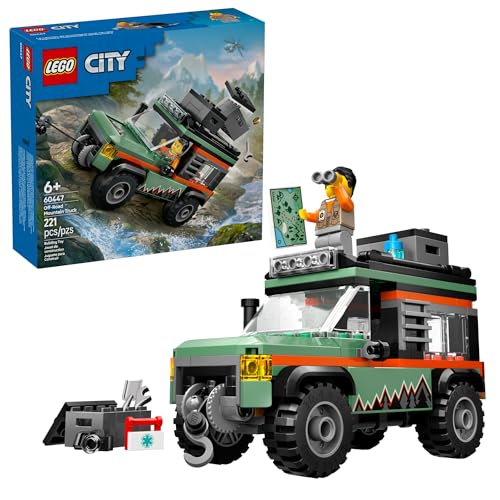


Budget Tiers at a Glance
Rather than naming single sets, this section describes the strongest tier at each budget, so you can judge any set in the product table above against the same standard. A set earns its place in a tier when its price per piece is fair, its build fills the time its price suggests, and it still gets used after the first build is done.
Budget Tier
Around $10 to $25, the best value usually comes from small sets with a high share of standard bricks, one or two figures, and instructions for more than one build. Rebuildable styles are the stars here, since a single small box can become three different models across three afternoons. The limit at this tier is display presence and specialty parts. Expect a fun hour or two of building, not a shelf centerpiece, and check piece count carefully because tiny sets can carry a high price per piece.
Midrange Tier
Around $30 to $70 is where most families find the strongest value, with larger piece counts, lower price per piece, and builds that take a full afternoon. Sets in this tier often add moving parts, detailed interiors, or several figures that support storytelling after the build. The trade off is storage, since finished models this size need shelf or bin space. If you buy one set a few times a year, this tier usually gives the most play for each dollar spent.
Premium Tier
Around $80 to $200 and above, premium value depends on depth rather than size alone: long builds spread over several sessions, detailed techniques that teach new skills, and models worth displaying or rebuilding. Large licensed display sets can be poor value for pure play, while big creator and building system sets with many reusable bricks often hold value for years. Buy at this tier for a keen builder or a shared family project, not as a first set for a casual interest.
What Your Money Gets You at Each Price Tier
Budget Tier: What to Expect
Budget sets around $10 to $25 typically include about 100 to 300 pieces, simple instructions a young builder can follow alone, and one main model. Licensed character sets at this level often cost more per piece because part of the price pays for the license, while unlicensed building sets stretch further. Storage is easy, loss of a few pieces rarely ruins the model, and these sets make low risk gifts when you are unsure how deep the interest runs.
Midrange Tier: The Sweet Spot for Most Buyers
Midrange sets around $30 to $70 often include about 400 to 1,000 pieces, richer detail, and play features such as opening roofs, vehicles, or hidden rooms. Price per piece commonly drops to its fairest level here, and build time stretches to two to four hours for school age builders. This is also the tier where sets start to combine well, since several midrange builds can form a street, a harbor, or a play scene that keeps growing across birthdays.
Premium Tier: When Spending More Pays Off
Premium sets pay off when the builder will actually use the extra depth: advanced techniques, rare colors, printed parts instead of stickers, and enough bricks to rebuild freely afterward. They disappoint when the model is built once, displayed, and never touched, because then you paid for pieces that act as decoration only. A useful test is past behavior. If earlier sets are still being rebuilt and combined months later, a premium set will likely earn its price in your home.
Features Worth Paying For (and Ones to Skip)
Durability and Storage
Genuine bricks hold clutch power for years, fit bricks from older sets, and survive being rebuilt many times, which is the core of long term value. Storage is the hidden half of durability: a sturdy bin, sorted trays for small parts, and keeping instructions or saving them digitally all protect your investment. Skip paying extra for fancy display cases at purchase time. A simple clear bin shows you what you own and costs far less.
Age Range and Skill Level
Follow the age range printed on the box, which reflects piece size, build steps, and safety testing under standards such as ASTM F963. Sets marked for ages 4 and up use larger elements and simpler steps, while complex sets for teens and adults assume patience and fine motor control. Keep small parts away from children under 3, since they are a choking hazard, and supervise young builders even within the stated age range. A set that is too hard gets abandoned, and an abandoned set has no value at any price.
Features That Matter in Value LEGO Sets
Value focused buying has its own math. Aim for a price per piece around or under 10 cents for unlicensed sets, and accept a higher figure only when a licensed set adds figures or parts your builder truly wants. Count useful pieces, not just total pieces: a set full of large single purpose panels builds fast and rebuilds poorly. Look for a mix of basic bricks, plates, and connectors, plus at least one feature, such as wheels, hinges, or figures, that starts new stories after the main build.
Play Value and Replayability
Replay value is where good sets separate from forgettable ones. Sets that rebuild into alternate models, combine with sets you already own, or support open ended storytelling get used for months. A practical know how check is the two week test: if a finished model is still being played with, modified, or rebuilt two weeks after building, it was good value regardless of its tier. Static models that cannot be touched without breaking score lowest here, whatever they cost.
For a wider view of ranges beyond the value tiers, see the best lego sets guide for display and collector focused options that this value guide treats only briefly.
Long Term Costs to Factor In
The box price is not the full cost of ownership. Storage bins, replacement pieces for the few that vanish, and display shelving for premium models all add up over a year of collecting. Expansion sets and figure packs are fun but can quietly double what a theme costs, so set a theme budget before the first purchase. On the plus side, quality bricks hold resale and hand me down value well, and a set passed to a younger sibling delivers its play value twice. Factor in builder time too: a premium set built together over a holiday week returns far more than its price suggests.
Value LEGO Sets: Your Questions Answered
What features matter most in bang for buck LEGO sets?
Price per piece, rebuild options, and piece mix matter most in value LEGO sets. A fair price per piece tells you the raw material is priced honestly, while alternate builds and standard bricks decide how long the set stays in use. Figures and play features come next, since they turn a finished model into the start of new games rather than the end of one afternoon.
Is a value LEGO set a good gift?
Yes, a value LEGO set is a good gift because building suits many ages and the result can be rebuilt, combined, or displayed. Midrange rebuildable sets are the safest gift choice when you do not know the child well, since they offer long build time without assuming a favorite theme. Add the receipt for easy exchanges, and avoid very specific licensed sets unless you know the theme is loved.
How long does it take to finish or play with a LEGO set?
Build time depends on piece count and builder age: around 100 pieces may take a young builder 30 to 60 minutes, while 1,000 pieces can fill three to five hours or several sessions. Play time is the bigger number for value. Sets with rebuilds and combinable parts are often played with for weeks, which is why build time alone understates what a good set returns.
What age is a value LEGO set best for?
Value LEGO sets suit the age on the box, most often ages 6 to 12 for the midrange tier where value peaks. Younger builders do best with 4 and up ranges that use larger pieces and short steps, while teens and adults get value from complex premium builds. Match the set to the builder who will use it, not to the age of the child who asked most loudly this week.
Is a value LEGO set worth the price?
A value LEGO set is worth the price when its cost per hour of building and play beats other toys in the same budget. Divide the price by honest hours of use: a midrange set played with for ten hours costs only a few dollars per hour, and bricks keep working in later builds. Sets built once and shelved are the ones that fail this test, at any tier.
Final Thoughts
Judge every set by price per piece, rebuild potential, and fit for the builder age, and the tiers will sort themselves quickly. Most buyers belong in the midrange, gift buyers should favor rebuildable sets, and premium spending pays only for builders who keep building. Compare your finalists in the product table above, and you will find the best bang for buck lego sets for your budget without paying for pieces that never get used.