Best Bang for Buck Iron Sets Made Simple: A Clear Buying Guide for 2026
Disclosure: We may earn a commission when you buy through links on this page, at no extra cost to you. As an Amazon Associate I earn from qualifying purchases. Learn more

Shopping for the best bang for buck iron sets for the first time? Learn the terms, compare options, and avoid common mistakes with this easy guide.
Buying your first set of golf irons can feel overwhelming because listings mix loft numbers, shaft types, and design terms that mean little until someone explains them plainly. You do not need tour level clubs to enjoy the game or improve. You need irons that launch the ball easily, forgive off center strikes, and fit your height and swing speed. This guide helps you find a best bang for buck iron sets option that does those jobs without wasting money on features you will not use yet.
We will cover the basics first, then translate each key spec into simple decisions, and finish with setup tips and common questions. The product table shows current value options at a glance, and the sections that follow explain how to judge them for your game.


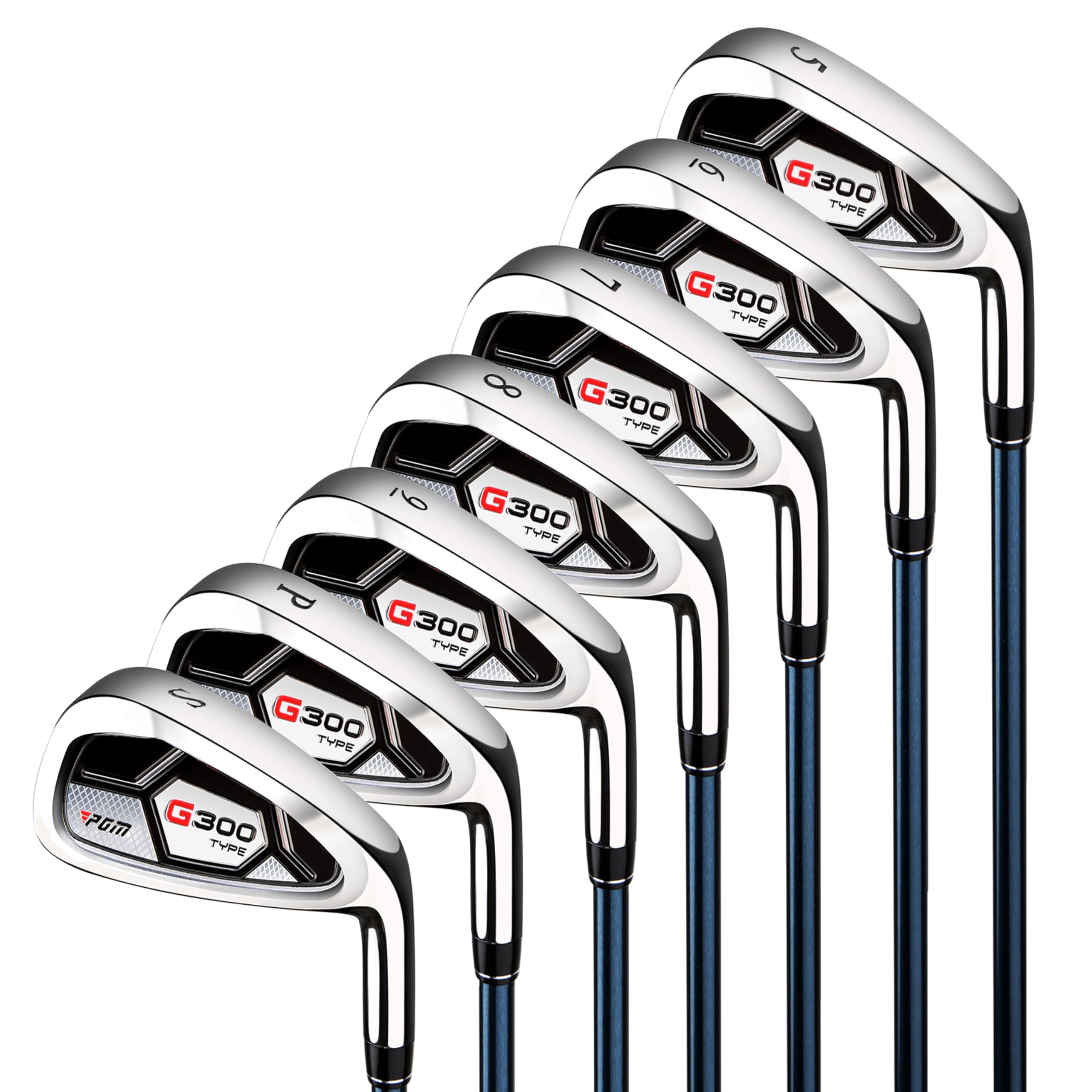

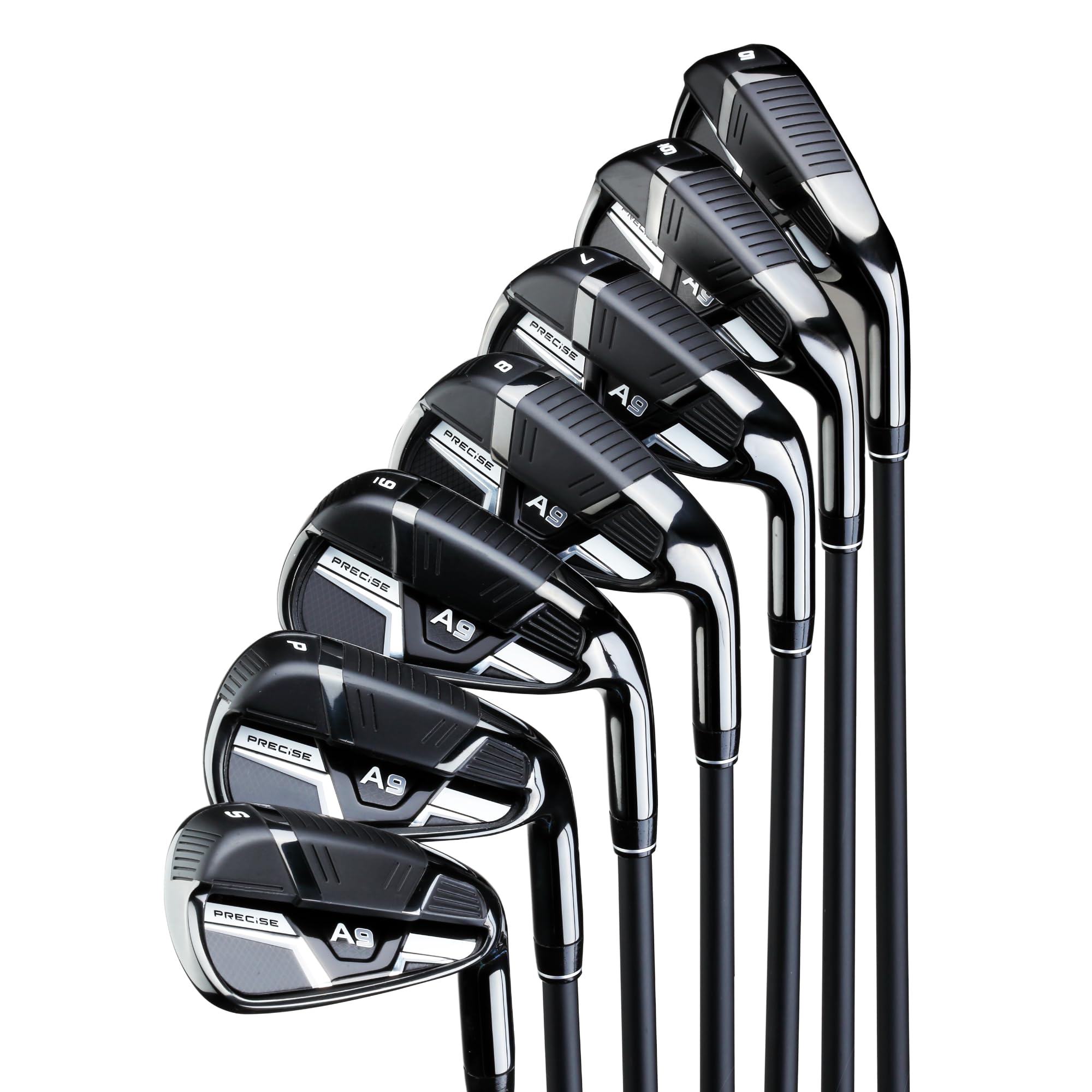


Iron Set Basics for New Buyers
An iron set is a group of numbered clubs, often from a 5 iron or 6 iron through a pitching wedge, sometimes with a gap wedge included. Lower numbers launch the ball lower and farther, while higher numbers launch it higher and shorter with more control near the green. Most sets for new and improving players use a cavity back design, which moves weight to the edges of the head. That design helps the ball fly straighter and higher even when you do not strike the exact center.
Value here means easy to use design, durable quality materials, and a price that leaves room for lessons, balls, and greens fees. Many strong value sets cost around $300 to $700, while premium sets can cost around $900 to $1,500 or more. Whatever the price, make sure the length and shaft flex suit you.
Key Specs Explained in Plain English
Each spec below changes how the ball flies or how the club feels. Learn these five points and you can read almost any listing with confidence.
Features That Matter in Value Iron Sets
Forgiveness is the top feature for value irons. Look for a cavity back head, a wide sole that helps the club glide through turf, and weight placed low and back to help launch. A larger head can look confidence building at address, which helps new players commit to the swing. Specific levels to aim for: a set that starts at a 5 or 6 iron rather than a hard to hit 3 or 4 iron, lofts spaced evenly through the set, and a stock shaft offered in regular flex for average swing speeds. These choices give you playable gaps from club to club.
Purpose and Who It Is For
Game improvement irons suit new players and high handicap players who need help with launch and distance consistency. Players improvement irons suit mid handicap golfers who strike the center more often and want a bit more feel and shot shaping control. Blades and very compact irons suit skilled players and are poor value for most beginners, because small misses lose a lot of distance. Be honest about your current game: if you rarely break 100, forgiveness will lower your scores faster than a compact head ever will.
Shafts and Grips
Shaft material and flex shape your results. Steel shafts feel firm and suit faster swings and players who want tight control, while graphite shafts are lighter and can help slower swings gain speed and reduce vibration. Flex should match swing speed: senior and ladies flex for slower speeds, regular for average speeds, and stiff for fast speeds. Grip size matters too. A grip that is too small makes your hands overwork, while a grip that is too large can block release. Most value sets include decent stock grips, but regripping is a low cost fix.
Durability and Care
Quality irons can last many seasons because heads are made from durable steel with faces built to handle thousands of strikes. Grooves wear slowly, but dirt packed into grooves reduces spin and control, so clean faces after each round with a brush and warm water. Check grips each season, because worn grips slip and force you to squeeze harder. Store clubs dry indoors, not in a hot car trunk, to protect grips and shaft finish. A simple headcover habit is not needed for irons, but keeping them from clattering in the bag reduces dents.
Size and Design
Length, lie angle, and offset are the design points that affect fit. Standard length suits most players of average height, while taller or shorter players may need length changes of about half an inch to one inch. Offset, where the face sits slightly behind the shaft line, helps close the face and reduce slices, which many new players welcome. Sole width helps on turf interaction: wider soles suit players who tend to hit the ground before the ball, while narrower soles suit players who pick the ball cleanly. If you can, get a basic fitting or at least a height and wrist to floor check before you order.
Ease of Use
Easy to use irons share three traits: they launch the ball without a perfect swing, they feel stable on off center hits, and the set makeup matches how you actually play. Many new players do better when long irons are replaced by hybrids, so a set that starts at the 6 iron plus one hybrid can be smarter value than a full set you cannot hit at the top end. Weight should feel balanced, not head heavy or tiring by the back nine. Practice tip: learn each club carry distance on the range with ten solid strikes and write those numbers down, because knowing your gaps is worth more than one extra club.
If you want to compare budgets, see the broader best iron sets guide for higher budget options. For value shopping principles that apply across gear, the overview of the best bang for your buck explains how to weigh price against lasting quality.
Rookie Mistakes to Avoid
- Buying blades for looks. Compact heads punish misses. Forgiving cavity back irons will help you score and enjoy rounds sooner.
- Choosing the wrong flex. A stiff shaft with a slow swing costs distance and launch. Match flex to your real swing speed, not the speed you wish you had.
- Ignoring set makeup. A set with a 3 iron you never hit wastes money. Look for useful wedges or a hybrid instead.
- Skipping fit basics. Length and lie that are far off for your height make good swings produce poor shots. A short fitting check is worth it.
- Spending the whole budget on clubs. Leave room for grips, balls, and a lesson. One lesson often improves contact more than a price jump between similar sets.
Getting Started: Setup and First Use
When your set arrives, check each club for face damage, confirm the shafts and grips match your order, and take inventory of which clubs are included. Follow care instructions from the maker for cleaning and storage, and store properly when not in use in a dry place indoors. Start on the range with the short irons first, hitting easy swings to find the center, then work up to longer irons. Mark your carry distances and note which club you trust most from about 150 yards, because that club anchors your approach decisions on the course.
Practice tip: place a small piece of impact tape or a dry erase marker dot on the face during practice to see where you strike the ball. Center strikes should cluster near the middle. If your marks sit constantly toward the toe or heel, a lie angle check at a local shop can explain why and may be adjustable on many cast irons.
Frequently Asked Questions
What features matter most in value iron sets?
Forgiveness, launch help, and correct shaft flex matter most. A cavity back head with low and back weight, a wide sole, and a flex matched to your swing speed will help a new player more than any cosmetic finish. Also check that loft gaps are even, because even gaps give you predictable distance steps between clubs on the course.
Is it worth paying more for iron sets?
Paying more is worth it when it buys a proper fitting, better shaft options, and forged feel if you strike the center often. For most new players, a midrange value set plus a lesson delivers more improvement per dollar than a premium set alone. Step up in price when your handicap drops and you can name the exact limit your current set creates, such as poor gap control or excess spin.
Is an iron set a good gift?
An iron set can be a good gift for a golfer who needs an upgrade, but fit makes gift buying tricky. Shaft flex, length, and hand orientation, left or right, must match the player. A safer approach is a gift card for a fitting plus a set budget, or buying from a seller with easy returns. If you know the player height, swing speed, and current set, a value game improvement set is a thoughtful and practical gift.
What features matter most for improving golfers?
Consistent distance and turf interaction matter most once basic launch is solved. Look for soles that work with your typical miss, grooves in clean condition for spin control, and a set that blends smoothly into your wedges. One point often missed: check the pitching wedge loft, because modern strong lofts may leave a large gap to your sand wedge that a gap wedge should fill.
How long does an iron set last?
A quality iron set often lasts five to ten years for a regular player, with grips replaced about once a year depending on use and climate. Faces and grooves wear gradually, faster if you play sandy courses or hit many range balls. Replace the set when grooves are visibly worn smooth, distances become inconsistent, or your swing speed changes enough that your shaft flex no longer fits.
Final Thoughts
Choose forgiveness first, match shaft flex to your real swing speed, and make sure set makeup gives you clubs you will actually hit. Compare the product table above with those three points in mind, and leave budget for a basic fit check and a lesson. Chosen that way, a best bang for buck iron sets purchase can serve you well for many seasons while your game grows.