Best Bamboo Weighted Blankets (2026): Weight, Fabric and Cooling Guide
Disclosure: We may earn a commission when you buy through links on this page, at no extra cost to you. As an Amazon Associate I earn from qualifying purchases. Learn more

Hot sleepers choosing the best bamboo weighted blanket: compare constructions, weight, fabric and cooling in one guide.
A weighted blanket that sleeps too warm can leave you tossing the covers off by midnight, which defeats the whole point of the gentle pressure you bought it for. Bamboo fabric solves that problem for many hot sleepers, and finding the best bamboo weighted blanket comes down to matching the weight, size, and construction to your body and your bed. If you are still weighing the broader category, our guide to the best weighted blanket covers the main fabric options.
This guide compares the main bamboo constructions on comfort and support, materials and certifications, and temperature control, then walks through sizing, fill, and budget. No single style suits everyone, so use the product table below to narrow your shortlist, then check the details that matter most for the way you sleep.


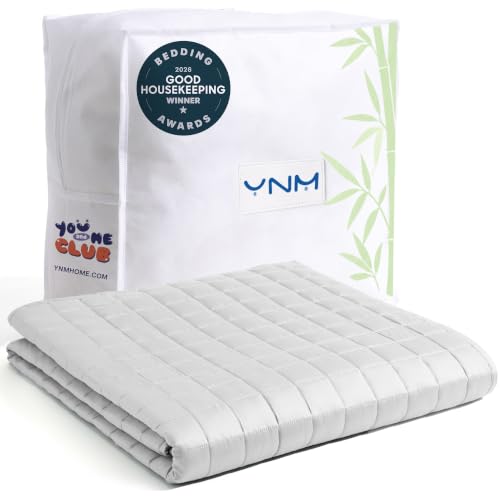

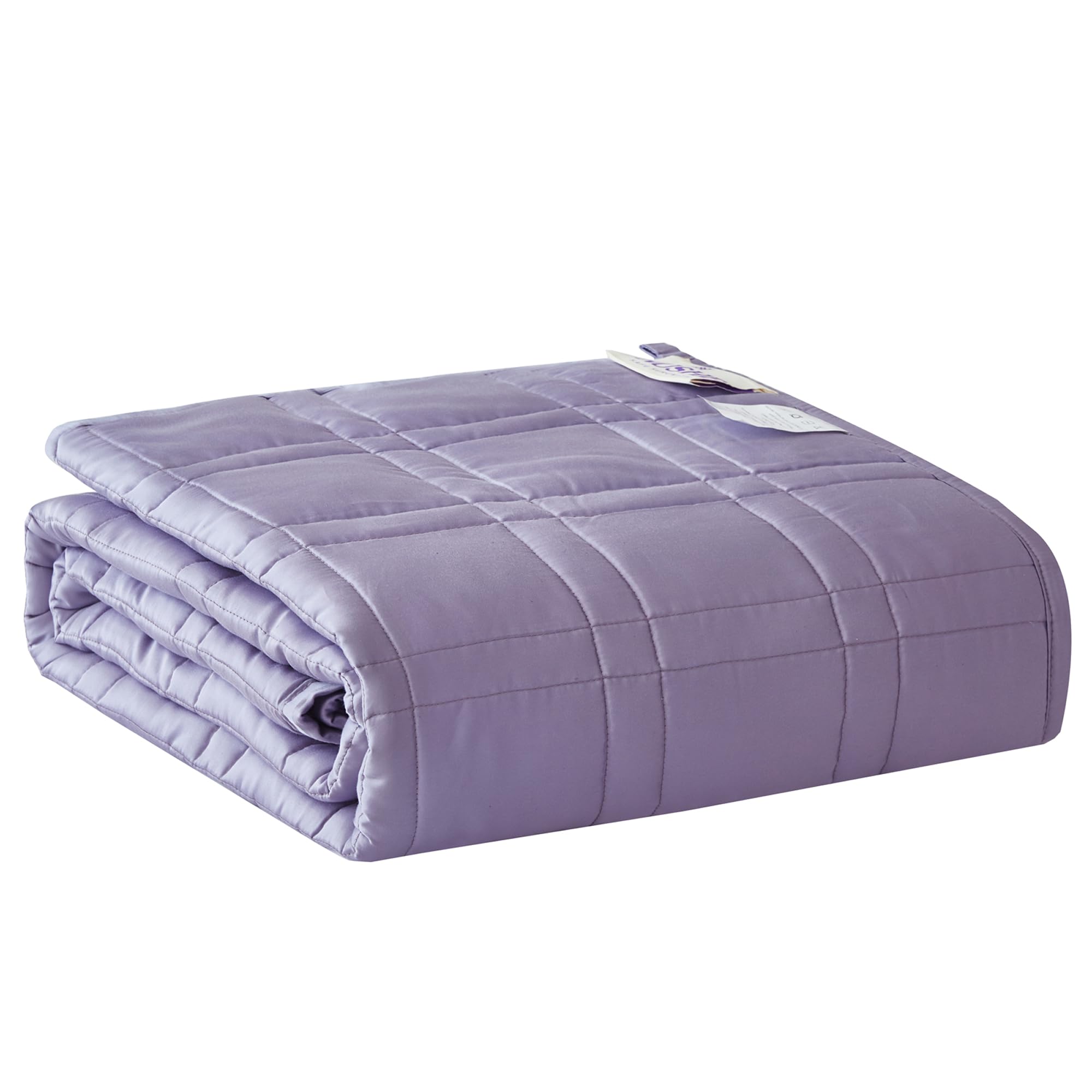
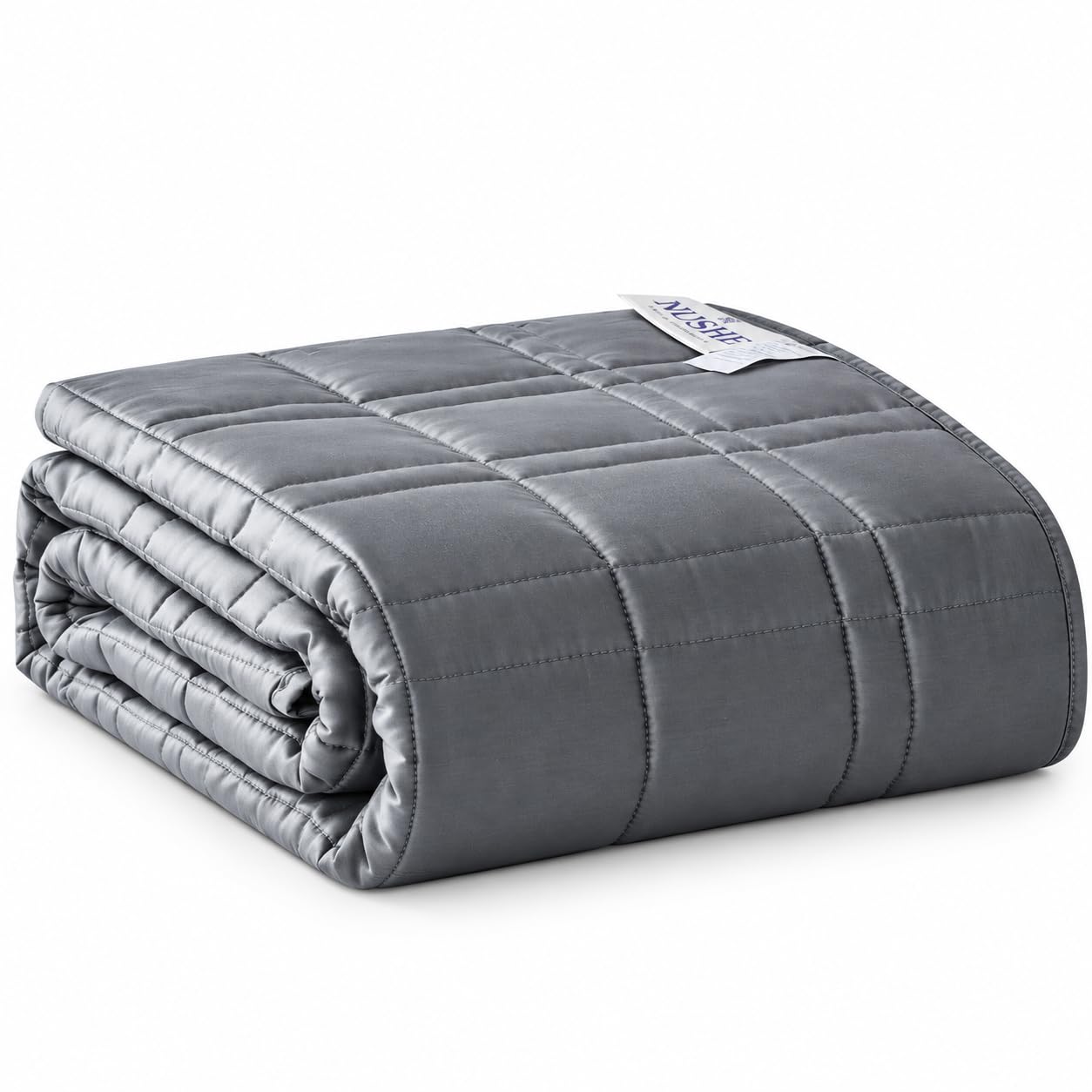
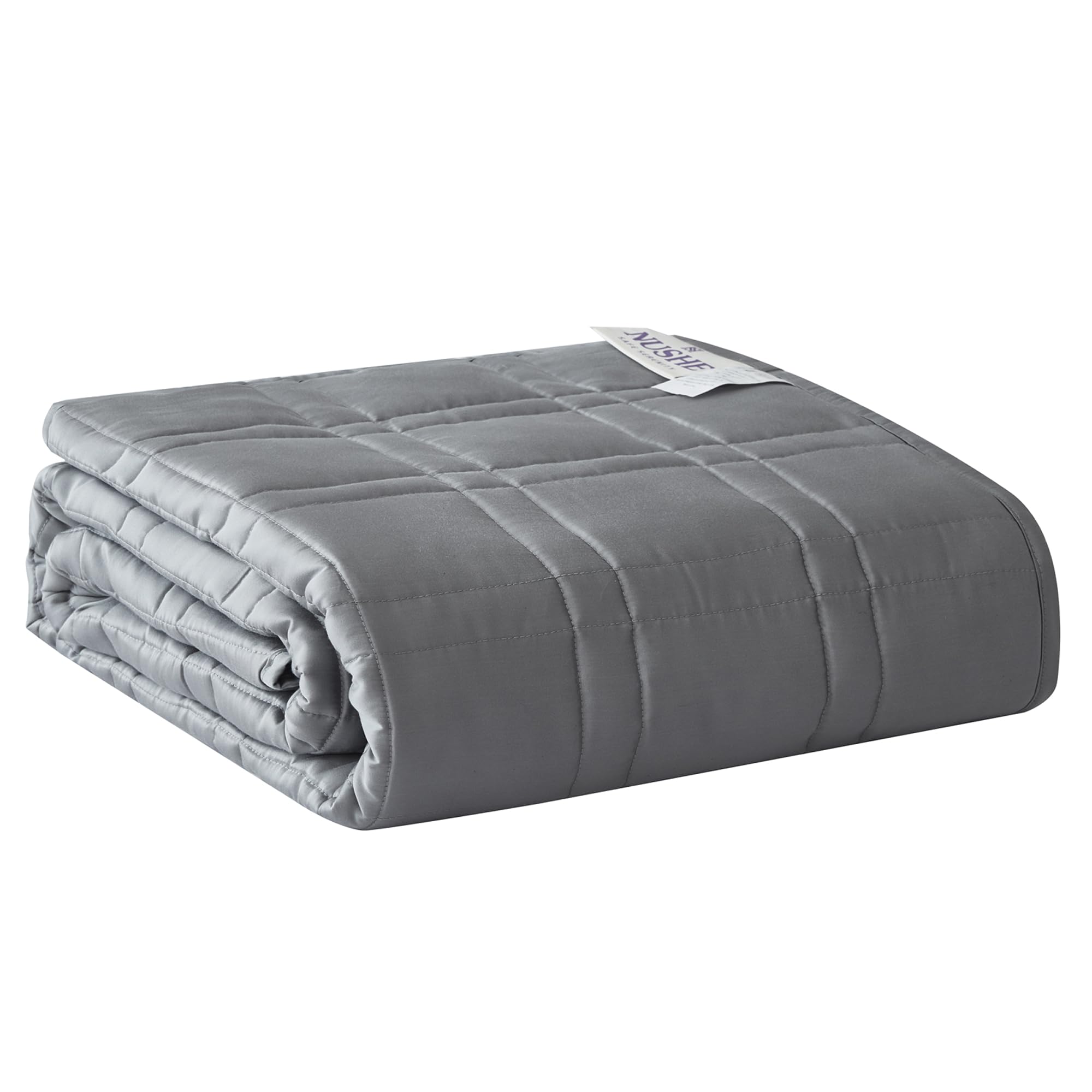
Types of Bamboo Weighted Blankets Compared
Bamboo weighted blankets fall into three broad constructions, and the construction affects how the weight feels, how much air moves through the blanket, and how you wash it. The summaries below describe each type, so you can match a style to your priorities before comparing listings.
Woven bamboo shell with glass bead fill
This is the most common design. A smooth woven shell made from bamboo viscose or bamboo lyocell holds small glass beads inside quilted pockets, and the fine beads let the blanket drape closely over your body with little bulk. Weights span the widest range in this style, from light throws to heavy king sizes, so it is the easiest type to match to the weight guidance covered later. The woven shell feels cool and silky at first touch, although the bead fill still adds insulation once you settle under it.
Knitted bamboo blend construction
Knitted styles get their weight from thick loops of yarn rather than from loose fill, so there are no beads to shift, leak, or make noise when you move. Air passes through the open loops more freely than through a quilted shell, which helps if you run warm but still want noticeable pressure on top of you. The trade off is bulk. A knitted blanket looks chunky, takes up more room in storage, and usually tops out at moderate weights, so very heavy options are rare in this construction.
Bamboo cover paired with a separate inner blanket
Some blankets split the job in two. The inner layer holds the weight, often with a plain cotton or synthetic shell, and a removable bamboo cover provides the cool, smooth surface against your skin. Ties or loops inside the cover keep the inner layer from bunching in one corner. This setup makes washing far simpler, since you launder the light cover instead of the full blanket. It also lets you swap covers by season, although the two layer system can feel slightly less unified when you roll over.
How to Evaluate a Bamboo Weighted Blanket
Start with comfort and support. The blanket should spread its weight evenly, stay in place as you shift position, and feel like a firm hug rather than a load pinning you down. Check how the pockets or loops are stitched, since even distribution is what separates a calming blanket from one that pools all its weight on your feet.
Next, look at materials and certifications, temperature control, and durability, which the sections below cover in detail. Finally, weigh the trial period and warranty. A generous at home trial matters with this product because the right weight is hard to judge from a product page, and a clear policy protects you if the first choice feels wrong.
How to Choose the Right Weighted Blanket
The factors below work as a checklist. If you want a broader walkthrough of the same decisions, see our notes on how to choose a weighted blanket after you finish here.
Size and weight options
A common starting point is a blanket weight near ten percent of your body weight, so a person of about 150 pounds often starts near 15 pounds. Options run from 5 pounds for small throws and older children up to 25 pounds or more for large adults. Size matters just as much. A personal blanket should cover your body without hanging far over the sides of the bed, since overhang pulls weight off you and onto the mattress. Shoppers comparing sizes for shared beds can also read our guide to the best weighted blanket for adults for adult sizing context.
Fill and pocket construction
Inside a woven blanket, what matters most is how the fill is contained. Small, closely stitched pockets keep glass beads spread out, while large pockets let fill slide and gather at the lowest point. Listen for rustling in product videos if you are a light sleeper, since some fills shift audibly. Denser fills allow a thinner profile at the same weight, which many people prefer for storage and for folding the blanket at the foot of the bed during the day.
Features worth paying for
A removable, washable cover is the feature most owners end up valuing, because it protects the weighted core and keeps the sleep surface fresh between deep cleanings. Corner ties that match the loops on the inner blanket are worth checking too, since a cover that twists is a nightly annoyance. A carry bag helps if you move the blanket between rooms. For step by step washing limits and drying advice, follow our guide on how to clean a weighted blanket before your first wash.
Sleep position and body type
Back sleepers usually tolerate the full suggested weight comfortably. Side sleepers often do better at the lower end of their range, since a heavy blanket presses on the shoulder and hip that carry their body weight. Stomach sleepers tend to prefer the lightest options or a throw across the legs only. Talk with a clinician before using one if you are pregnant, have breathing problems, sleep apnea, or reflux, or if the blanket is for a child, and never use one on anyone who cannot lift it off alone.
Materials and certifications
Most bamboo shells are viscose made from bamboo pulp, while lyocell versions use a process that recycles much of its solvent and yields a slightly stronger, smoother fabric. Either way, ask what share of the fabric is actually bamboo, since blends with cotton or synthetic fibers feel and breathe differently. Look for a current certification from a recognized independent textile safety program, printed with a certificate number you can verify, and check that the fill is described clearly rather than hidden behind vague wording.
Cooling and breathability
Bamboo fabric absorbs moisture well and releases heat faster than flannel or fleece, so the surface feels cooler during the first part of the night. Breathability still depends on the whole build, though. A thick inner lining or a dense synthetic backing can trap warmth no matter how cool the outer shell feels. If overheating is your main complaint, compare open knit styles and thin woven styles first, and browse our guide to the best cooling weighted blanket for more cooling focused options.
Trial period and warranty
Many sellers offer a trial of 30 nights or longer, and that window is your chance to try the weight across a full week of varied sleep, not just one night. Read the return terms before ordering. Some trials require the blanket to be returned in its original packaging, and a few charge a return fee on heavy items. A warranty of at least a year should cover stitching failures and leaking fill, which are the two defects owners report most often.
How much should you spend?
Expect to find basic bamboo throws under $50, usually in lighter weights with simple pocket stitching. The middle of the market, about $50 to $100, adds removable covers, denser fill, and queen sizes. Spending about $100 to $200 typically buys lyocell fabric, finer stitching, and longer trials. Above about $200 to $300 you are mostly paying for large king sizes, knitted construction, and premium natural fibers throughout, so buy at that level only when those traits are on your list.
Bamboo Compared With Other Weighted Blanket Fabrics
Against cotton, bamboo feels smoother and cooler at first contact, and it drapes with a fluid quality that many people find less stiff. Cotton wins on simplicity, since it tolerates rougher washing and usually costs less at the same weight. Against minky and fleece, bamboo is far less insulating, which is the point for hot sleepers but a drawback if you want winter warmth. Microfiber sits between the two on warmth and often undercuts bamboo on price, though it can hold static and feel clammy in humid rooms.
The honest summary is that bamboo is a warm weather and warm sleeper choice, not a universal upgrade. If your bedroom runs cold and you love a plush surface, cotton or minky may suit you better. If you kick off ordinary blankets by midnight, bamboo gives you the pressure you want with the least heat build up of the common shell fabrics.
FAQ
What is the best bamboo weighted blanket?
There is no single answer, since the right choice depends on your weight, bed size, and how warm you sleep. A woven bamboo blanket near ten percent of your body weight, with small pockets and a removable cover, is the safest starting point for most adults. From there, adjust one variable at a time. Go lighter if you sleep on your side, and choose a knitted style if bead noise bothers you.
Are bamboo weighted blankets worth it?
They are worth it if heat is the reason you have avoided weighted blankets or stopped using one you already own. The cooler, smoother surface solves a real problem for warm sleepers, and the price gap over cotton has narrowed. If you sleep cool and your current cotton blanket feels fine, bamboo adds little, so save the money or spend it on a better weight match instead.
How long does a weighted blanket last?
A well made weighted blanket typically serves for several years of nightly use before the shell softens, stitching loosens, or fill begins to leak. You can extend that span by using a cover, rotating the blanket so wear spreads across both ends, and keeping it out of frequent machine washing. Retire a blanket once beads escape, since loose fill is hard to contain and the weight distribution will no longer be even.
Is a weighted blanket worth it?
For many adults, yes, provided the weight is matched carefully and expectations stay realistic. A weighted blanket is a comfort tool that helps some people settle faster and feel more secure in bed, including some readers who browse our guide to the best weighted blanket for anxiety for calming options. It is not a treatment for a sleep disorder or anxiety. If poor sleep persists, or you wake with numbness or breathing discomfort, stop using it and speak with a clinician.
How do you clean a weighted blanket?
Always start with the care label, because weight limits vary by machine and maker. Many home machines struggle above about 15 to 20 pounds when wet, so heavier blankets often need a large capacity commercial machine or professional cleaning. Spot clean small marks promptly with mild detergent, and dry the blanket flat or on low heat until the fill is fully dry, since damp fill can clump and develop odor.
What is the most reliable weighted blanket brand?
Reliability is easier to judge from construction details than from a name. Look for dense, even stitching, reinforced pocket seams, a clearly stated fill material, and a warranty that covers leaks for at least a year. Brands that publish fabric composition percentages and offer a genuine trial period tend to stand behind their products. A long trail of recent buyer reviews mentioning intact seams after a year is a stronger signal than any award badge.
Final Thoughts
Choosing well comes down to a few decisions made in order. Pick your weight from the ten percent guide, choose the construction that fits how warm you sleep, insist on clear materials and a fair trial, and let the budget tiers steer you to the right price band. Do that, and the best bamboo weighted blanket for your bed stops being a guess. Before you order, glance back at the product table above to confirm your size and weight, then allow a full week to judge the fit.