Best Bamboo Memory Foam Pillows in 2026: What Each Price Tier Buys
Disclosure: We may earn a commission when you buy through links on this page, at no extra cost to you. As an Amazon Associate I earn from qualifying purchases. Learn more
Compare bamboo memory foam pillows by price tier, with clear guidance on loft, firmness, cooling covers, certifications, sizing and care before you buy.
A bamboo cover on a memory foam pillow sounds simple, but prices and quality vary a lot. The best bamboo memory foam pillows pair a breathable bamboo derived cover with foam that holds your head at the right height. This guide breaks down loft, firmness, cooling design and price tiers so you can use the comparison table below.
Spending more can buy adjustable fill and a longer sleep trial, but it cannot fix a loft that is wrong for your body. Start with your sleep position and how warm you sleep, then match the tier to the features you will feel.




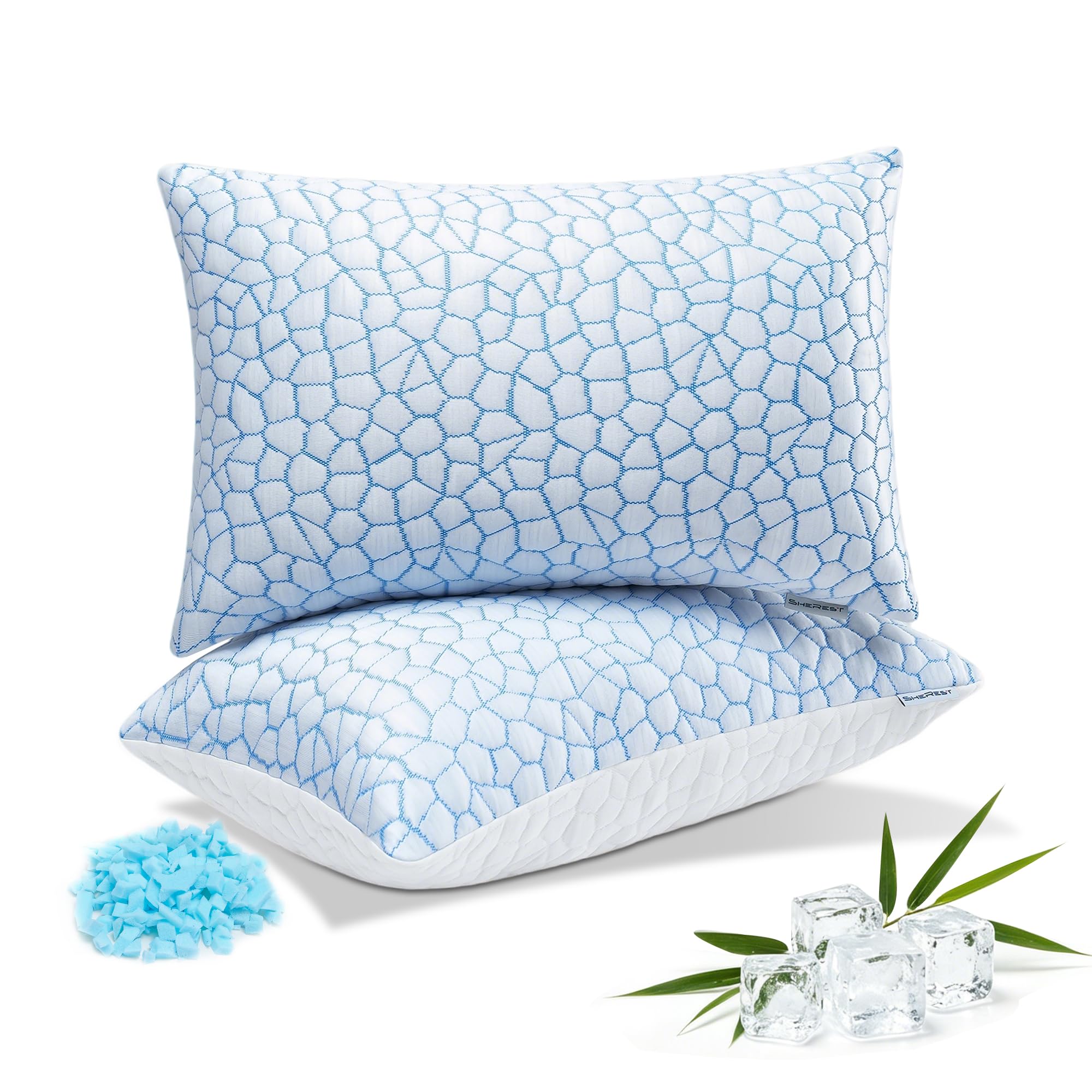
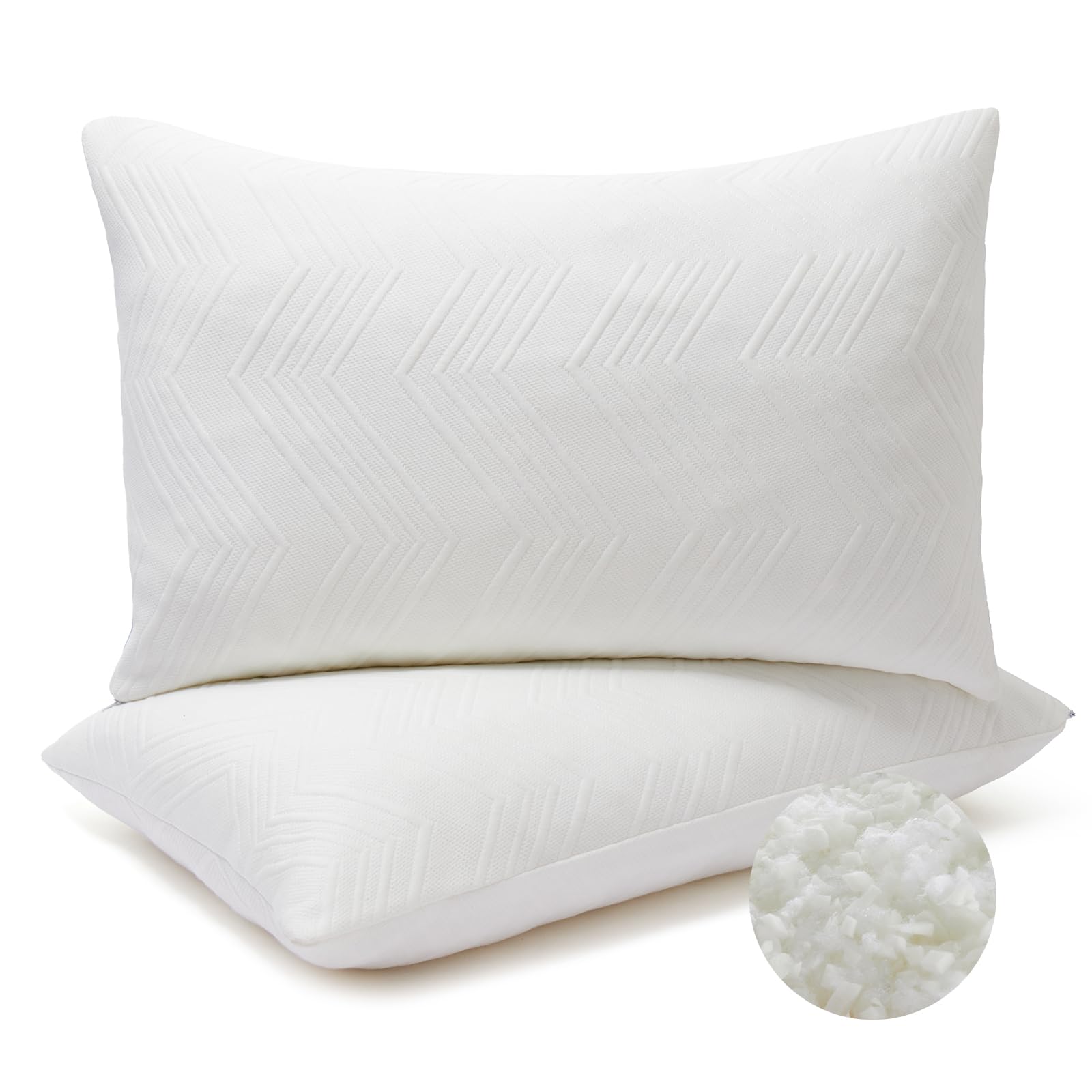
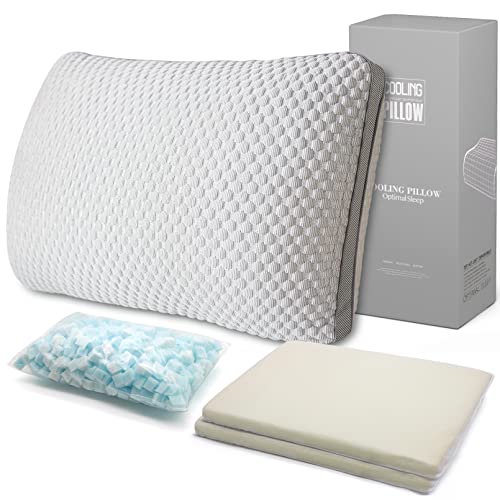
Who Should Buy a Bamboo Memory Foam Pillow?
Your sleep position and night temperature decide which style fits you.
Hot Sleepers Who Sleep Warm on Plain Foam
You wake warm and turn the pillow over looking for a cool spot. A bamboo derived viscose cover feels cool at first touch and pulls moisture from your skin better than a plain polyester cover. Pair it with foam that has ventilation holes or an open cell structure. If cooling matters most, see our guide to the best cooling memory foam pillows.
Side Sleepers Who Need Support Under the Neck
You sleep on your side, so the pillow must fill the gap between your ear and the mattress while your shoulder sinks in. Memory foam molds to that gap and eases pressure at the jaw and neck. Choose a higher loft and firmer feel if you have broad shoulders, and a medium loft if you are smaller.
Back Sleepers Who Want Steady, Even Support
You sleep on your back and need the pillow to cradle your head without pushing it forward. A medium loft, or adjustable shredded fill, keeps your chin level and your neck in line with your spine. If you dislike the slow sink of foam, see our guide to the best non memory foam pillows for latex options with a faster spring back feel.
Key Features to Compare
Compare these six factors, because loft matters more than any fabric claim on the label.
Loft and Firmness for Your Sleep Position
Loft is the pillow height after your head settles in, and firmness is how much the foam resists your weight. Side sleepers usually need about 5 to 6 inches of loft, back sleepers about 4 to 5 inches, and stomach sleepers about 3 to 4 inches. Heavier sleepers compress foam more, so judge firmness by your own weight. If you want the firmest support in this category, see our guide to the best firm memory foam pillows. Wake with numbness in an arm, sharp neck pain, or pain that travels down an arm, and talk with your clinician about personal needs.
Solid Foam Versus Shredded Fill
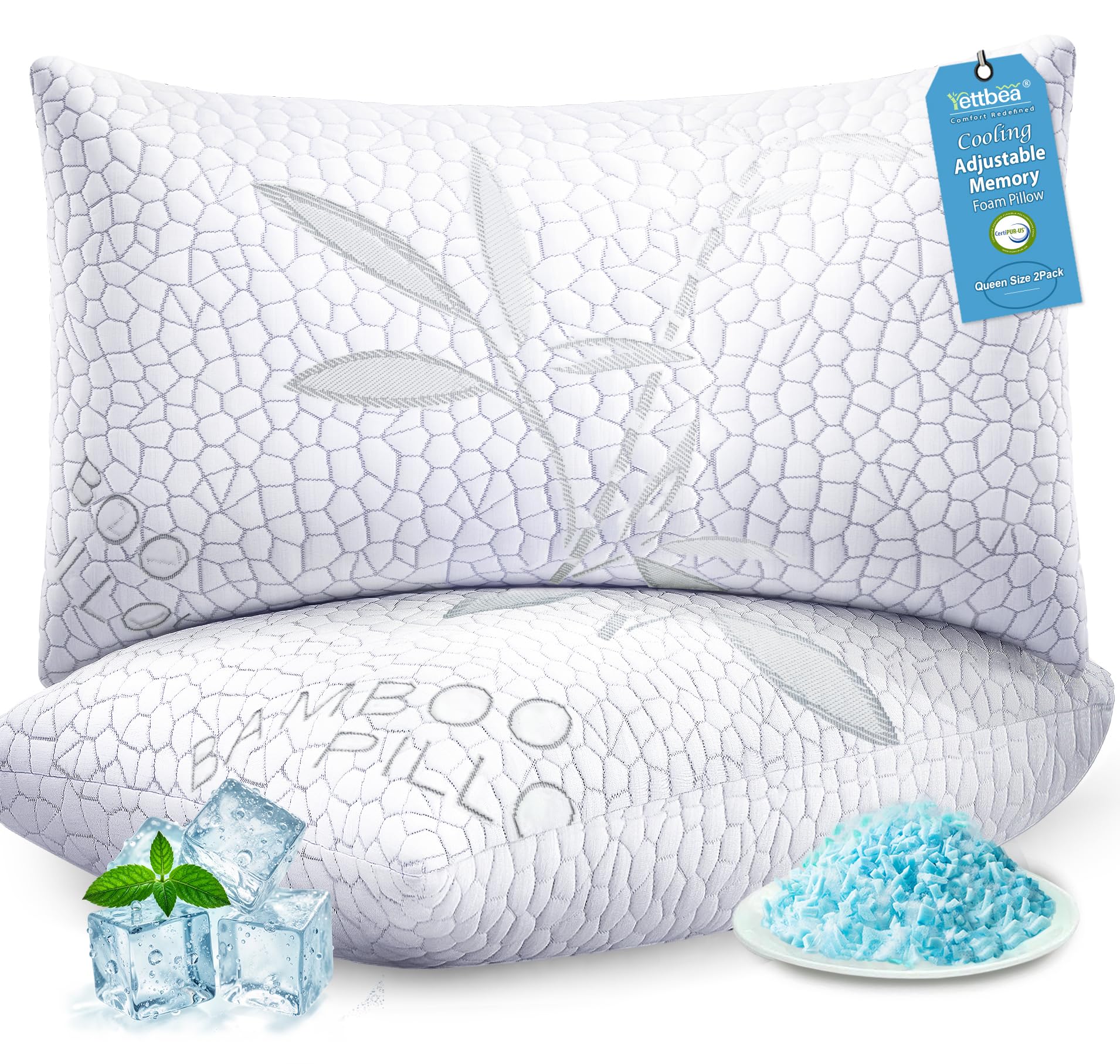
A solid core holds one fixed shape and feels consistent from edge to edge, which suits back sleepers who know their loft. Shredded fill is foam in small pieces inside a zipper cover, and you add or remove handfuls to change the height. That suits combination sleepers and anyone between standard loft sizes. If adjustable fill is your priority, see our guide to the best shredded memory foam pillows. Shredded pillows need fluffing to stay even, while solid cores can feel warmer.
Bamboo Cover Fabric and Thread Count
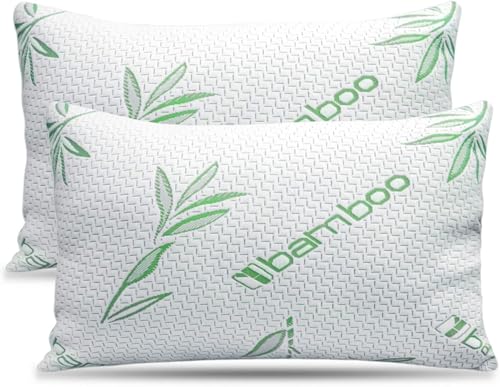
Most bamboo pillow covers are viscose made from bamboo pulp, woven at a thread count of about 250 to 400. The fabric feels silky, breathes better than microfiber and usually zips off for washing. A higher thread count can feel smoother, but weave and fiber quality matter more. Check that seams are stitched flat, because a raised seam can press against your cheek. A cotton or linen case changes the feel, so judge the bare cover first.
Cooling Design Beyond the Cover
A cool cover helps at first, but the foam decides how the pillow feels hours later. Gel infused foam pulls heat away from the surface, open cell foam lets air pass through the core, and drilled ventilation holes give warm air a path out. None of these designs can cool a hot room, so treat cooling claims as a comfort boost rather than a fix.
Certifications and Foam Quality
CertiPUR US means the foam has been checked for emissions, content and durability. OEKO TEX Standard 100 on the cover means the fabric has been tested for substances that can irritate skin. Together they give you a basic safety screen. Dense foam also tends to hold its shape longer than light foam that collapses flat under your hand.
Pillow Size and Shape
Standard pillows measure about 20 by 26 inches, queen pillows about 20 by 30 inches, and king pillows about 20 by 36 inches. Match the size to your pillowcases first, because a loose case bunches and a tight case flattens the loft. Contour shapes add a curved edge for back and side sleepers. For trips, see our guide to the best memory foam travel pillows instead of a full size bed pillow.
Bamboo Pillow Price Tiers: What Extra Money Adds in Fill and Cover Quality
The best bamboo memory foam pillows range from about $25 to about $120 for one standard or queen pillow on Amazon US. Here is what changes as the price rises.
Budget Pillows: Simple Foam, Thin Cover, Short Trial
Expect one solid foam core in a fixed loft, a thin bamboo blend cover and a sleep trial of about 30 nights, or none at all. This tier suits guest rooms and first time buyers who want to test the foam feel. The trade off is choice: if the loft misses your position, you cannot adjust it.
Mid Tier Pillows: Adjustable Fill and a Better Cover
Expect shredded or layered foam you can adjust, a thicker zipper cover, extra fill in a storage bag and a sleep trial of about 60 to 100 nights. This tier fits most buyers because one pillow can serve side, back and combination sleepers. Covers here usually survive weekly washing better, and warranties often run about 3 to 5 years.
Premium Pillows: Contoured Shapes, Spare Covers and Long Trials
Expect shaped contour cores, cooling foam with drilled holes, a spare cover and trials of 100 nights or longer. This tier pays off if you have tried cheaper pillows and know the loft and shape you want. You also pay for small comforts, such as smoother zippers and denser foam, that matter over years of use.
Common Mistakes to Avoid
These errors cost comfort or money, and each is easy to avoid.
- Buying a high loft pillow for stomach sleeping pushes your neck upward all night and leaves it stiff by morning.
- Judging cooling by the cover alone leaves you with dense foam that still traps heat after the first hour.
- Washing the foam core in a machine breaks the foam apart and ruins the pillow in one cycle.
- Choosing a king pillow for standard cases leaves loose fabric that bunches under your cheek.
- Ignoring the sleep trial length leaves you stuck with a pillow you cannot return after one bad week.
- Removing too much shredded fill at once makes the pillow flat, so adjust in small handfuls and test a full night.
Care and Maintenance for Bamboo Memory Foam Pillows
Keep the foam core dry. Spot clean small marks with a cloth dampened with mild soap and water, then press the spot with a dry towel and let the pillow air until fully dry. Air a new pillow for about 24 hours so the fresh foam smell fades before the first night. A washable protector over the cover adds a cheap barrier against sweat and spills.
Fluff shredded pillows each morning and rotate the pillow end to end every week so wear spreads evenly. Store a spare pillow flat rather than folded, because a long crease can leave a weak spot in the foam. Keep pillows out of strong sun, since heat ages foam.
Frequently Asked Questions
Are cooling bamboo memory foam pillows worth the extra cost for hot sleepers?
Yes, for hot sleepers a cooling design is usually worth a modest step up in price. The bamboo cover handles the first contact, but the bigger gain comes from ventilated or gel infused foam overnight. Room temperature and bedding still matter, so pair the pillow with light sheets if your bedroom runs warm.
Is a higher thread count always better for a bamboo pillow cover?
No, a higher thread count is not always better for a bamboo pillow cover. Very dense weaves can feel slick and slow airflow, which works against cooling. A smooth weave in the middle of the range, with flat seams, usually feels best against the face. Skin feel is personal, so a good return window matters more than chasing the highest number.
How do I wash a bamboo memory foam pillow safely?
Wash only the removable cover, on a cold gentle cycle, and keep the foam core out of the machine. Dry the cover fully on low heat or on a line, because a damp cover closed over foam traps moisture inside. A spare cover or plain cotton case keeps the pillow in use while it dries. Never wring the foam or soak it.
What firmness is best for back pain when you sleep on a bamboo memory foam pillow?
A medium firm feel is the safest starting point for most back sleepers with occasional aches. It keeps your head level and fills the curve of your neck, so your spine stays closer to a straight line. Give a new pillow about a week before judging it, since your muscles need time to adjust to the new height. Ongoing or worsening pain needs a clinician, not a firmer pillow.
How often should you replace a bamboo memory foam pillow?
Plan to replace a bamboo memory foam pillow after about 2 to 3 years of nightly use. Try the fold test: fold it in half, let go, and replace it if it stays folded or springs back weakly. Lumps in shredded fill that no longer spread out after fluffing are another clear sign. Keep the receipt and warranty terms in case the foam flattens early.
Final Thoughts
Match loft to your sleep position first, then choose the fill and cover you can maintain, and use the product table above to compare sizes, trials and prices.
When you shop for best bamboo memory foam pillows with those three checks in mind, the right tier is usually obvious. Buy the simplest option that fits your position and budget, and let the sleep trial confirm it.