Best Bamboo Mattresses in 2026: Which Type Is Right for You?
Disclosure: We may earn a commission when you buy through links on this page, at no extra cost to you. As an Amazon Associate I earn from qualifying purchases. Learn more

Understand bamboo mattresses clearly: bamboo covers versus cores, cooling and moisture handling, firmness, durability, and how to choose for comfortable sleep.
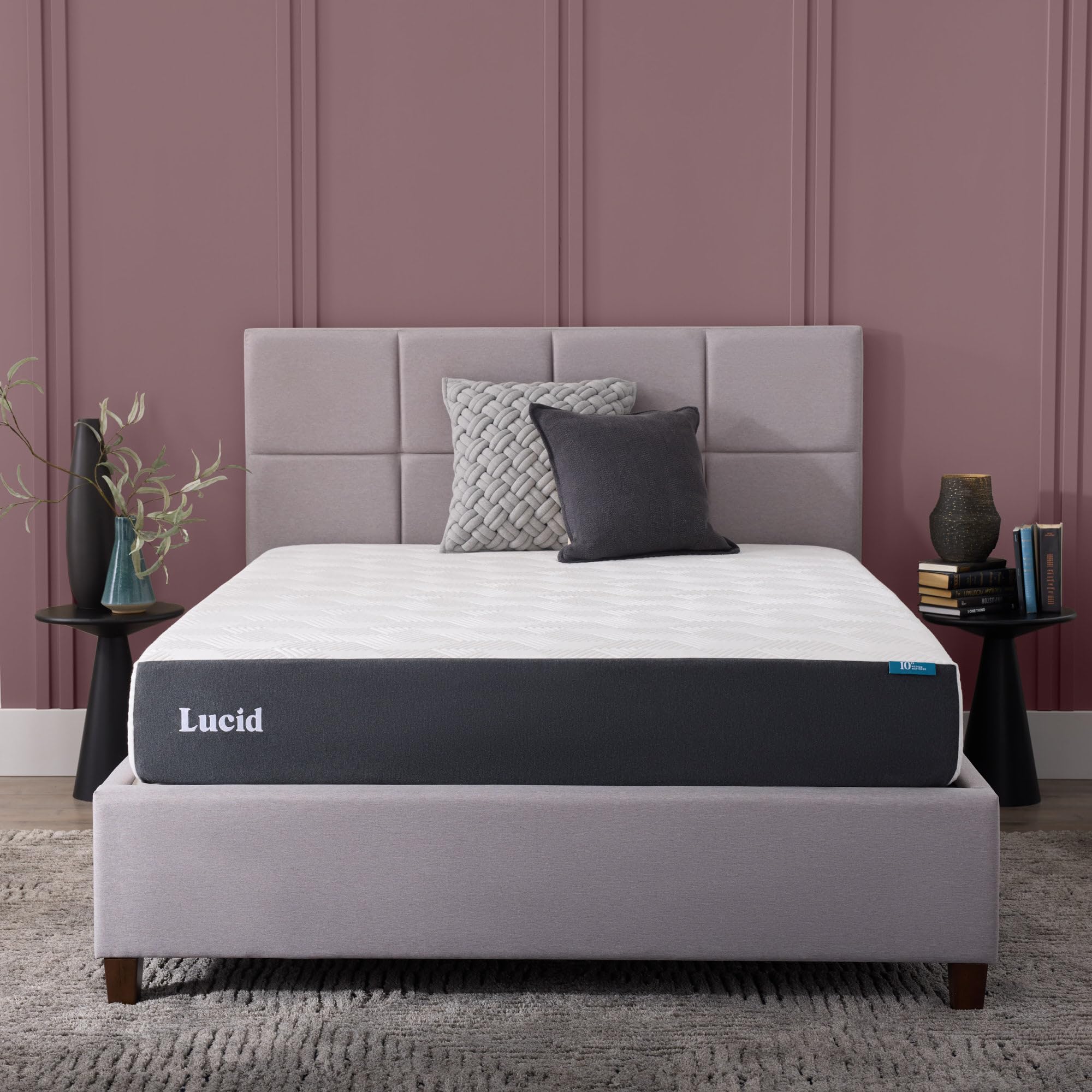
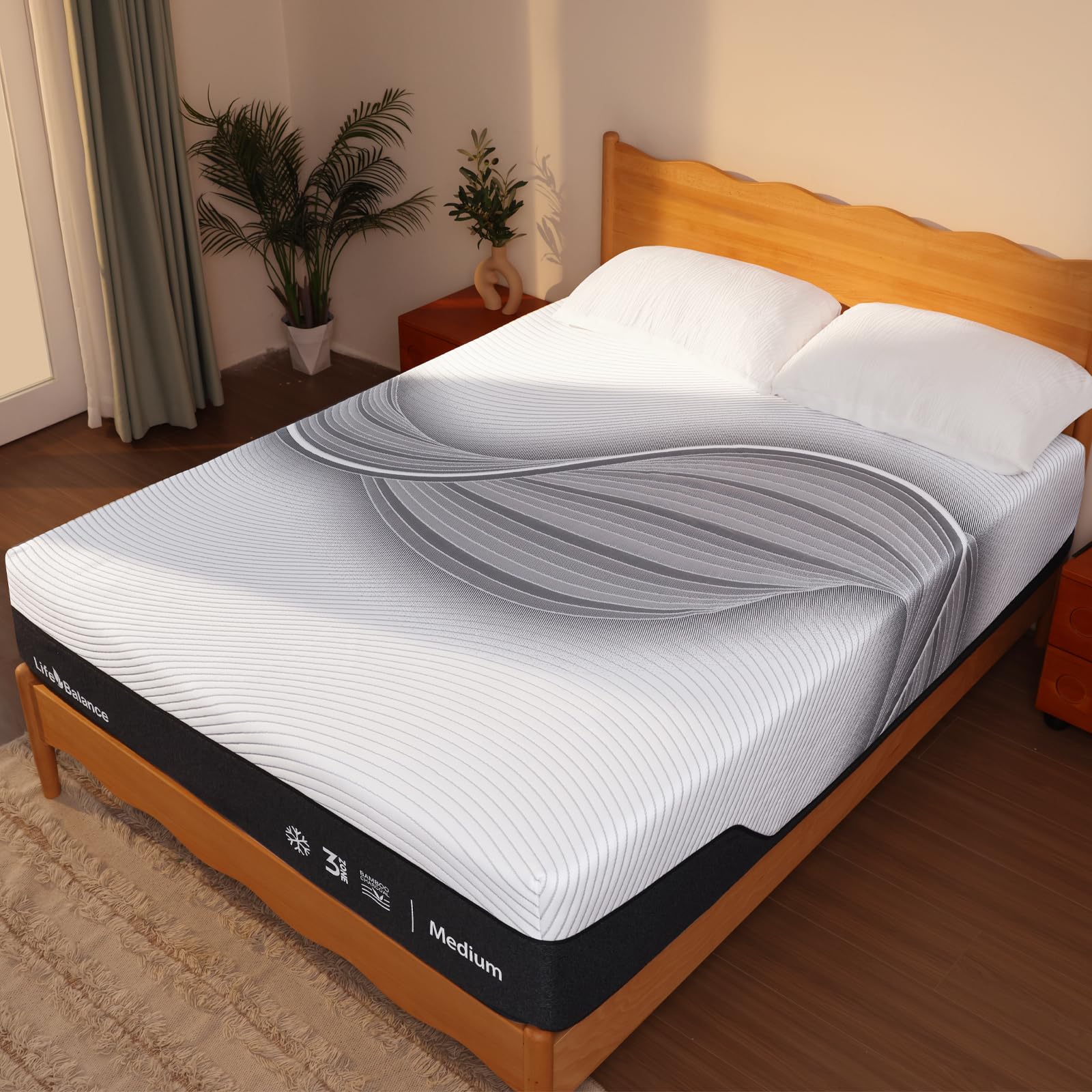
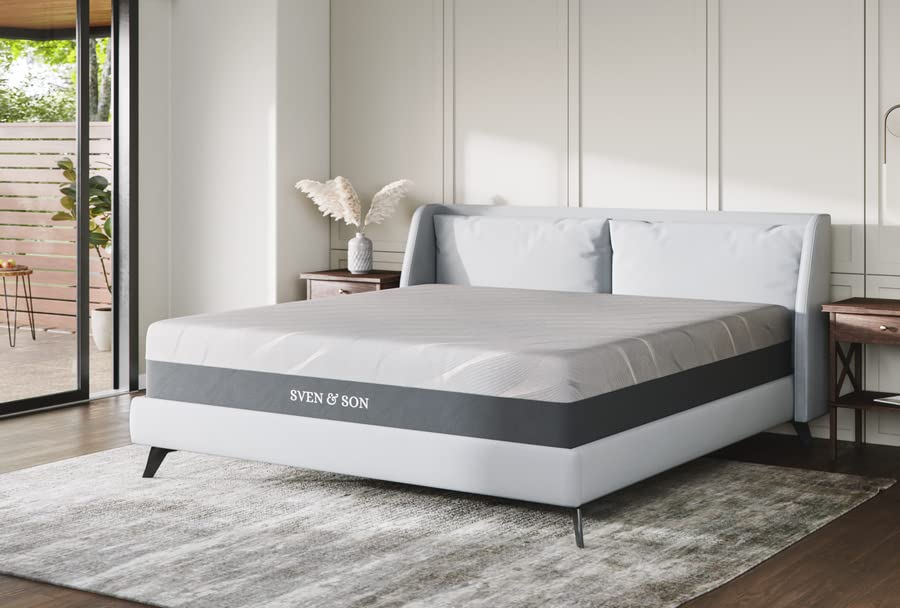
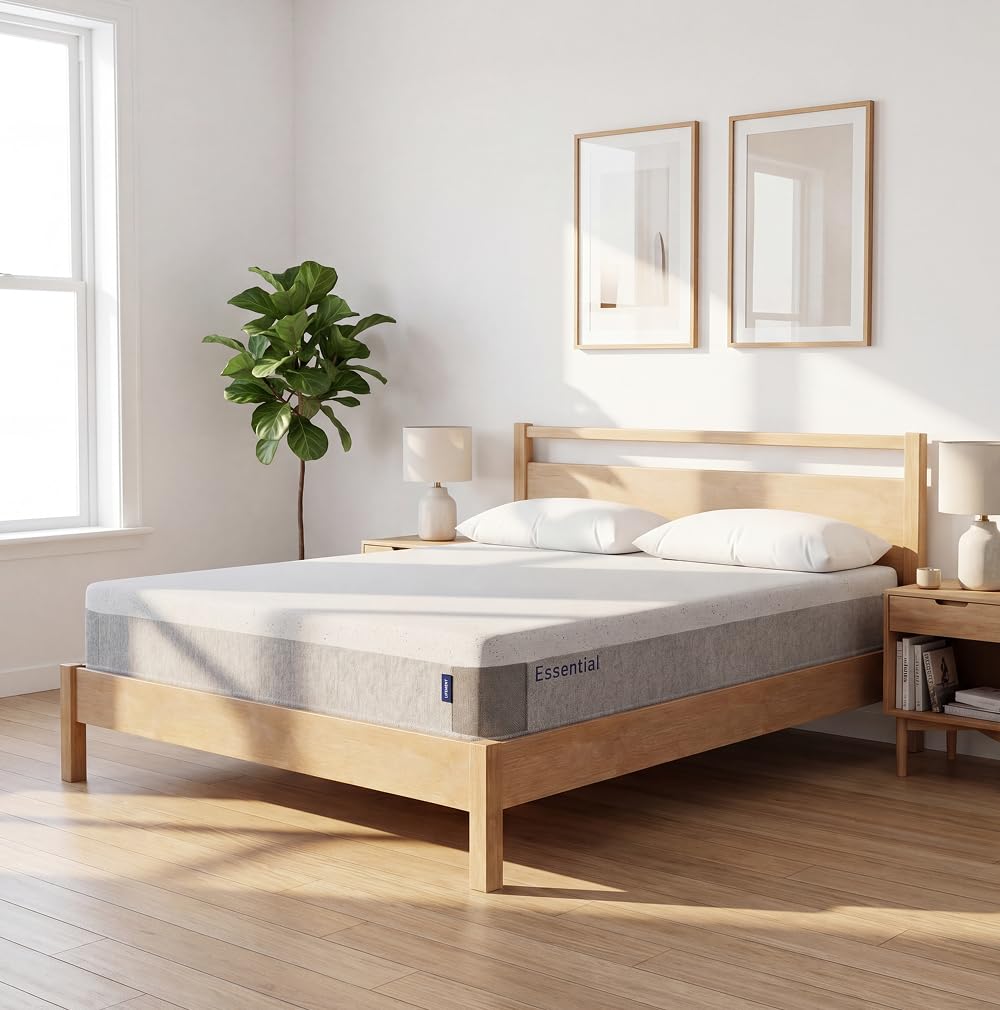
Bamboo sounds simple, but best bamboo mattresses covers several different constructions, and the cover is not the whole mattress. The comparison table below sets out the main types, and this guide explains what bamboo actually contributes, how firmness works, and what to check before buying.
Most bamboo mattresses use a bamboo derived fabric cover over foam, latex, or spring cores. The cover can feel cool and soft, but sleep quality depends mainly on the core beneath it. Judge the mattress as a whole, not by the bamboo label alone.



Who Should Consider a Bamboo Mattress
A bamboo mattress suits sleepers who want a soft, breathable cover and a modern foam or hybrid feel. It also suits warm sleepers, since bamboo derived covers often feel cool at first touch and wick moisture better than heavy polyester covers. Buyers who value easy care may like removable, washable covers where offered.
It is less suited to sleepers who need a specific medical mattress or a very firm orthopaedic design, since bamboo covers do not change core support. Those buyers should choose by core firmness and support first, and treat the cover as a secondary comfort feature. A bamboo label alone never fixes back pain or poor support.
- Warm sleepers who want a cool feeling cover
- Buyers who like modern foam or hybrid mattresses
- Sleepers who value soft, breathable surface fabric
Key Features Beyond the Cover
Core Type and Support
The core decides support, durability, and motion isolation. Foam cores contour closely and isolate movement, which suits couples, while spring cores feel bouncier and sleep cooler through airflow. Hybrid cores combine foam comfort layers with springs for support, and they suit sleepers who want both contour and responsiveness.
Firmness labels vary between makers, so treat them as rough guides rather than exact measures. A medium firm mattress suits many side and back sleepers, while heavier sleepers often need firmer support to avoid sinking too deeply. Trial periods help, since a few nights reveal support problems that a showroom lie down may hide.
Cooling and Moisture Handling
Bamboo derived covers feel cool initially and wick moisture, but long term cooling depends on the whole mattress. Foam cores trap more heat than spring cores, so a bamboo cover over dense foam may still sleep warm. Look for ventilated foam, open coil designs, or phase change covers if overheating is your main complaint.
Moisture handling also affects hygiene. A removable, washable cover helps keep the sleep surface fresh, while a non removable cover needs a protector. Use a breathable protector that does not trap heat, and air the mattress when changing bedding to reduce moisture buildup.
Durability and Certifications
Durability depends on foam density, spring gauge, and cover quality, not on the bamboo name. Higher density foams resist sagging longer, while cheaper foams soften within a year or two under nightly use. Ask about foam density and warranty terms, especially sag coverage, since warranties reveal how confident a maker is in long term shape.
Certifications can help judge material safety, but they vary in meaning. Look for recognised foam and textile certifications and read what each one actually covers, rather than trusting a badge alone. A clear warranty, a trial period, and transparent layer details matter more than a long list of logos.
Types Compared
Bamboo mattresses divide mainly by core, and each core suits different sleepers. The table below compares them plainly.
| Type | Suits | Watch Out For |
| Foam core bamboo | Contouring, motion isolation | Can sleep warm |
| Hybrid bamboo | Bounce plus pressure relief | Heavier, pricier |
| Latex style bamboo | Responsive, durable feel | Higher price, firmer feel |
Foam bamboo mattresses suit contour lovers and couples, hybrid bamboo mattresses suit sleepers who want bounce plus pressure relief, and latex style bamboo mattresses suit sleepers who want responsiveness and durability at a higher price. Choose by core first, cover second.
Readers comparing nearby options often find related guides useful. See best time to purchase mattresses, best mattresses for back problems, and best memory mattresses for closer looks at those related choices.
Trying and Choosing Well
Use trial periods seriously by sleeping on the mattress for at least a few weeks before judging. Bodies adjust to new support, and early impressions can mislead, especially when switching from an old, sagging mattress. Note morning stiffness, partner disturbance, and overheating during the trial, since those signs matter more than first night comfort.
Check return terms before ordering, including who pays return shipping and whether a protector is required to keep the trial valid. Measure your bed frame and room access too, since hybrid mattresses are heavy and hard to move upstairs. A little planning prevents delivery day problems.
Care and Common Mistakes
Rotate the mattress as the maker suggests to spread wear, and use a breathable protector to guard against spills and moisture. Vacuum the surface occasionally and air the bed when changing sheets. Avoid bending a spring mattress sharply, since that can damage coils and void warranty terms.
A common mistake is buying for the cover story alone, then discovering the core does not suit your sleep position. Another mistake is skipping the trial return deadline while hoping discomfort improves. If pain or poor sleep persists after a fair trial, use the return option rather than enduring a poor match.
What Your Money Gets at Each Price Level
Price tiers for a bamboo mattress reflect materials, build quality, and features rather than a single best choice, so use the table below as a guide to where extra spending actually helps. A budget option often covers the core job well, while higher tiers add durability, comfort, or convenience that frequent users will notice most.
| Tier | Typical Price | What You Get |
| Budget | about $300 to $600 | Basic foam cores with bamboo derived covers. |
| Mid range | about $600 to $1,200 | Higher density foam or hybrid cores with better durability. |
| Higher end | about $1,200 to $2,500 | Premium hybrids or latex style cores with long warranties. |
Start at the lowest tier that meets your real use, then step up only for a weakness that would bother you daily. A casual user rarely benefits from premium durability, while a daily user feels cheap materials quickly. That simple rule keeps spending sensible without sacrificing the features that matter for your routine.
Also consider running costs and lifespan alongside the purchase price. A slightly pricier option with replaceable parts, washable covers, or widely available spares can cost less over years than a cheap option that needs early replacement. Compare total ownership, not just the price on the listing, before you decide.
Frequently Asked Questions
Is a bamboo mattress really made of bamboo?
Usually only the cover uses bamboo derived fabric, while the core is foam, springs, or latex, so the mattress is not solid bamboo. The cover contributes softness and moisture handling, but support comes from the core layers beneath. Read the layer breakdown before buying, since it tells you far more than the product name.
Do bamboo mattresses sleep cooler?
They can feel cooler at first touch, and bamboo derived covers wick moisture better than some synthetics, but overall cooling depends on the core. Foam cores trap heat more than spring cores, so a bamboo cover alone does not guarantee cool sleep. If overheating is a problem, favour ventilated cores and breathable protectors as well.
Are bamboo mattresses good for back pain?
A bamboo mattress can suit a sleeper with back discomfort only if its core firmness and support match their sleep position and body weight. No cover material treats back pain, and a soft mattress that lets hips sink can worsen morning stiffness. Talk with your clinician about persistent back pain, and use a trial period to judge real sleep quality.
How long do bamboo mattresses last?
Lifespan depends on core quality, with higher density foam and well made springs lasting longer than cheap foam. Most quality mattresses last seven to ten years with rotation and a protector, while low density foam may sag sooner. Warranty terms for sag depth give a useful clue to expected durability.
Can I wash a bamboo mattress cover?
Some bamboo covers are removable and washable, while others are fixed and need a protector for cleaning. Check the care label before washing, since heat can shrink or damage bamboo derived fabric. When in doubt, spot clean and use a washable protector, which keeps the surface fresh without risking the cover.
Is a trial period important for a bamboo mattress?
Yes, a trial period matters greatly, since mattress comfort and support reveal themselves over weeks of sleep, not minutes in a showroom. A trial of at least a month lets your body adjust and lets you judge morning stiffness and overheating honestly. Check return terms before ordering, including any return shipping costs.
Final Thoughts
Judge a bamboo mattress by its core, its trial terms, and its warranty, with the bamboo cover as a comfort bonus rather than the main reason to buy. Compare the product table above against your sleep position and temperature needs.
A mattress that supports well and sleeps cool will serve you far longer than a cover story alone. Careful best bamboo mattresses research usually ends with a bed that feels good on night one and still supports well years later.