Best Bamboo Cooking Utensils Sets (2026): Sizes and Care Compared
Disclosure: We may earn a commission when you buy through links on this page, at no extra cost to you. As an Amazon Associate I earn from qualifying purchases. Learn more

Pick the best bamboo cooking utensils set by household size, drawer space and washing routine, with notes on finishes and care.
A bamboo utensil drawer sounds simple until you picture your actual kitchen. A small apartment has one shallow drawer and two burners in daily use, while a busy family kitchen needs a spoon that can reach the bottom of a deep stockpot and survive nightly soup, pasta, and stir fry duty. The best bamboo cooking utensils set for your home depends on your counter space, how many people you cook for, and how much washing up you will honestly do.
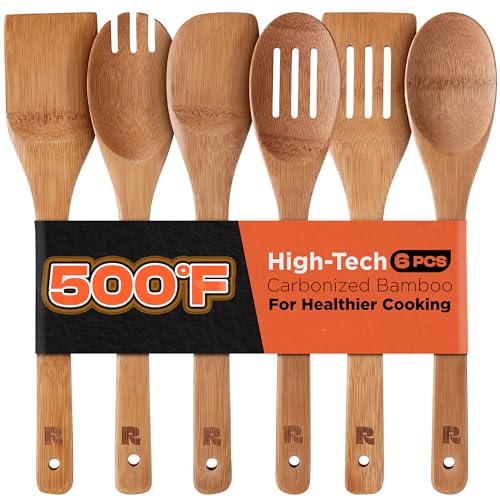
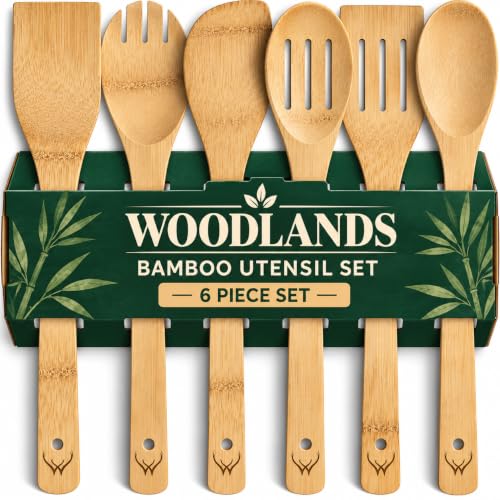
This guide helps you choose by household size, storage, and budget rather than by piece count alone. The product table below sums up the main set types, and the sections that follow explain each choice in plain terms.


Quick Answer: Which Set Type Fits Your Home
Small households that cook a few times a week usually do best with a compact set of five to seven core tools. Families cooking daily tend to use a mid size set with a holder, since the extra turner, ladle, and tongs get used instead of sitting in a drawer. Large households and frequent hosts get the most from an expanded set, but only when they have the drawer or counter room to store it without crowding.
Before You Buy: A Quick Checklist for Choosing a Cooking Utensils Set
Size: Match It to Your Space
Sets range from 5 piece starter bundles to 33 piece collections, and bigger is not automatically better. A 5 piece set usually covers a spoon, a slotted spoon, a turner, and a spatula, which suits one or two people cooking simple meals. Sets of 10 to 15 pieces add ladles, tongs, whisks, and pasta servers for varied cooking. Sets above 20 pieces often include measuring tools and duplicates that only pay off in large kitchens. Count your drawer width before ordering, since bamboo handles are thicker than metal ones.
Which Type Fits Your Routine
Bamboo sits between wood and silicone in feel and care. It is light in the hand, quiet on pan surfaces, and kind to nonstick coatings, which makes it a calm everyday choice for eggs, sauces, and sauteed vegetables. If you cook mostly at high heat or want to toss everything in the dishwasher, our guide to the best silicone cooking utensils set covers a material built for that routine. If you love the weight and grain of classic wood, the best wooden cooking utensils set guide compares heavier options. Bamboo wins when you want a natural material that stays light and dries fast.
Features Worth It and Ones to Skip
A holder or crock is worth it when counter space allows, since tools stored upright dry faster and stay within reach of the stove. A hanging hole in each handle helps in small kitchens where a rail can replace drawer storage. Smooth edges and a food safe oil finish are worth paying a little more for, since rough edges catch on pan coatings and splinter over time. Skip novelty shapes you will rarely use, such as avocado tools or egg separators bundled to inflate the piece count. Buyers focused on material safety may also want to read about the best non toxic cooking utensils set options before deciding.
Materials and Food Safety
Good bamboo utensils are made from compressed bamboo strips bonded into a single solid piece, and that construction matters. Single piece tools have no seams where water and food residue can collect, and they resist splitting better than thin glued layers. Look for a finish of mineral oil or a similar food safe coating rather than a thick lacquer, which can chip into food as it wears. Bamboo is naturally dense and absorbs less water than many soft woods, so it picks up fewer odors from garlic and onion. Avoid sets with painted handles if you cook often, since paint near the working end can flake with heat and washing.
Dishwasher Safe or Hand Wash
Bamboo belongs in the sink, not the dishwasher. Hot water and harsh detergent dry the fibers out, and a utensil that starts with fine surface cracks will split along the grain within months. Hand washing takes under a minute per tool with warm soapy water, and drying with a towel right away keeps the surface smooth. If everyone in your home relies on the dishwasher after dinner, bamboo will frustrate you, and the comparison of silicone vs nylon utensils explains two materials that handle machine washing far better.
Realistic Budget Ranges
Most bamboo sets fall between about $10 and $50, and the price steps track construction more than piece count. Under $20 usually buys a small core set with thinner handles, fine for a first apartment or a dorm kitchen. About $20 to $30 is the range where handles get thicker, edges get smoother, and a holder often joins the bundle. About $30 to $50 buys expanded sets with denser bamboo and better finishes. Spending more mainly makes sense when the set includes storage you will actually use, not when it simply adds duplicate spoons.
Set Sizes Compared for Different Homes
Compact Core Sets for Small Kitchens
A compact set of five to seven pieces suits renters, couples, and anyone whose utensil drawer is shared with cutlery and gadgets. You get the daily drivers, a stirring spoon, a turner, a slotted spoon, and a spatula, without spares competing for space. These sets cost the least to replace and are easy to store on a wall rail. The limit is variety, since a household that makes soup, pasta, and pancakes in the same week will miss a ladle and tongs. Choose this type when your cooking is simple and your storage is tight.
Mid Size Sets With a Holder for Family Cooking
Mid size sets of about 10 to 15 pieces fit homes that cook most nights and feed three to five people. The holder keeps tools upright beside the stove, which matters when two people cook at once and nobody wants to dig through a drawer with wet hands. This type usually adds a ladle, tongs, a whisk, and a pasta server to the core tools, covering weeknight meals without much duplication. It is the most balanced choice for most families, provided you can spare a few inches of counter near the stove for the crock.
Expanded Sets for Large Households and Hosts
Expanded sets of 20 pieces or more suit large families, shared houses, and people who host often enough to cook two dishes at once. Duplicate spoons and turners stop being clutter when one set is in the sink and dinner still needs stirring. The trade off is storage, since these sets demand a wide drawer or a large crock. If you are furnishing a whole kitchen at once, our broader guide to the best cooking utensils set helps you weigh bamboo against full mixed material collections.
How We Evaluate Bamboo Utensil Sets
We judge sets on ease of use, durability, cleaning effort, design, and value, using maker specifications and patterns in verified buyer feedback. Ease of use covers handle comfort and weight during long stirring. Durability focuses on solid construction and resistance to splitting. Cleaning reflects the hand wash routine bamboo needs, and value compares construction quality against the price ranges above.
What We Like and What We Do Not About Bamboo Compared With Other Materials
Bamboo is lighter than most hardwoods, so a long stirring session tires your wrist less, and it will not scratch nonstick or enamel surfaces. It also stays cooler to the touch than metal during short tasks and does not conduct heat up the handle the way steel can. On the down side, bamboo cannot match silicone for heat tolerance at the pan edge, and it should not rest against a hot rim or sit in a simmering pot. It also needs hand washing and occasional oiling, while silicone goes straight in the dishwasher. The guide to silicone vs wooden utensils lays out that trade off in more depth for households still deciding.
Common Buying Mistakes to Avoid
- Buying the largest set on sale, then storing half of it in a box because the drawer cannot close.
- Ignoring handle length, so short tools force your hand close to steam when you stir a deep pot.
- Choosing painted or lacquered sets for daily cooking, then watching the coating flake near the working end.
- Planning to use the dishwasher anyway, which dries bamboo out and shortens the life of every piece.
- Forgetting replacement cost, since one split spoon in a matched set can be hard to replace on its own.
Cost of Ownership and Care
Bamboo asks little money to maintain, but it does ask a few minutes. A small bottle of food grade mineral oil costs only a few dollars and lasts through many applications, and a light coat every month or two keeps the surface from drying and cracking. Wash each tool soon after use, dry it fully before storing, and keep sets away from standing water in the sink. Stored upright in a holder, air moves around each piece and odors fade faster. Expect to retire individual tools as edges wear or cracks appear, and budget for a fresh core set every few years in a busy kitchen rather than treating bamboo as a lifetime purchase.
Your Questions, Answered
Can bamboo utensils be used in cast iron pans?
Yes, bamboo works well in cast iron and will not harm the seasoning layer, since the material is softer than the pan surface. Its firm edge is good for loosening browned bits while you deglaze, though it will not scrape as hard as metal. One extra point in its favor is weight, since a light spoon is easier to control in a heavy skillet when you are turning food with one hand and holding the pan handle with the other.
Do bamboo utensils stain from tomato sauce and turmeric?
Light staining is normal, and sauces with strong color can leave a faint tint on the working end after long simmering. Rinsing the tool right after serving limits most of it, and a paste of baking soda and water lifts mild stains during washing. The color is cosmetic and does not affect safety or flavor in later meals. If spotless tools matter to you, keep one older spoon as your dedicated sauce spoon and save the rest for lighter cooking.
Are bamboo utensils a good gift for a first apartment?
Yes, a compact bamboo set is one of the more practical housewarming gifts, since it works with almost any cookware a new renter owns. Pair it with a small bottle of mineral oil and a note about hand washing, and the gift covers care as well as cooking. Choose a set with a holder if the kitchen has counter room, because new renters often lack drawer organizers and a crock solves storage from day one.
Why do some bamboo utensils feel rough after a few months?
Roughness usually means the surface has dried out and tiny fibers have lifted, often after dishwasher cycles or long soaks in the sink. You can smooth a tool by rubbing it gently with fine sandpaper, washing it, drying it fully, and rubbing in mineral oil. If the roughness comes with a crack that runs along the grain, retire the piece instead, since a split can trap residue and worsen with heat.
How many bamboo utensils does a home cook actually need?
Most home cooks rely on six tools day after day, a solid spoon, a slotted spoon, a turner, a spatula, tongs, and a ladle. Everything beyond that earns its place only if your routine calls for it, such as a pasta server for weekly noodle nights or a whisk for frequent baking. Starting with that core and adding single pieces later usually costs less than buying a large set and storing tools you never touch.
Final Thoughts
The right set is the one that matches your space, your household size, and the washing routine you will keep. Compact sets serve small kitchens, mid size sets with a holder suit most families, and expanded sets help large households that cook in parallel. Whichever type you choose, the best bamboo cooking utensils set is the one with solid construction, smooth edges, and tools you will reach for daily. Check the product table above, and pick the size that fits your drawer, not the largest box.