
Best Ballpark Chairs 2026: What Actually Matters Before You Buy
Disclosure: We may earn a commission when you buy through links on this page, at no extra cost to you. As an Amazon Associate I earn from qualifying purchases. Learn more
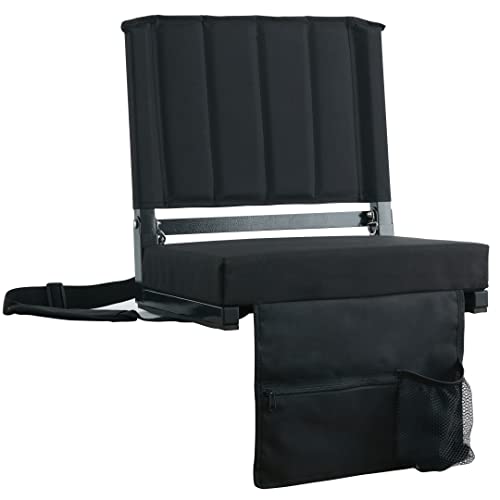
Compare the best ballpark chairs with a simple checklist on cushion depth, bench clamps, seat width, frame build and carry weight before you buy a seat.
A bleacher bench is a hard, flat plank, and by the third inning your back knows it. The best ballpark chairs fix that one problem: they add a cushion and a back to a bench that offers neither, and they stay put while you cheer, stand, and sit back down. This guide judges every seat with a simple checklist built on cushion depth, bench attachment, frame strength, and carry weight.
You will not find product reviews or ranked picks below. Instead you get the criteria that separate a seat you forget about by the second inning from one you curse by the fifth. The comparison table below gathers the main seat types side by side so you can match them against the checklist as you read.
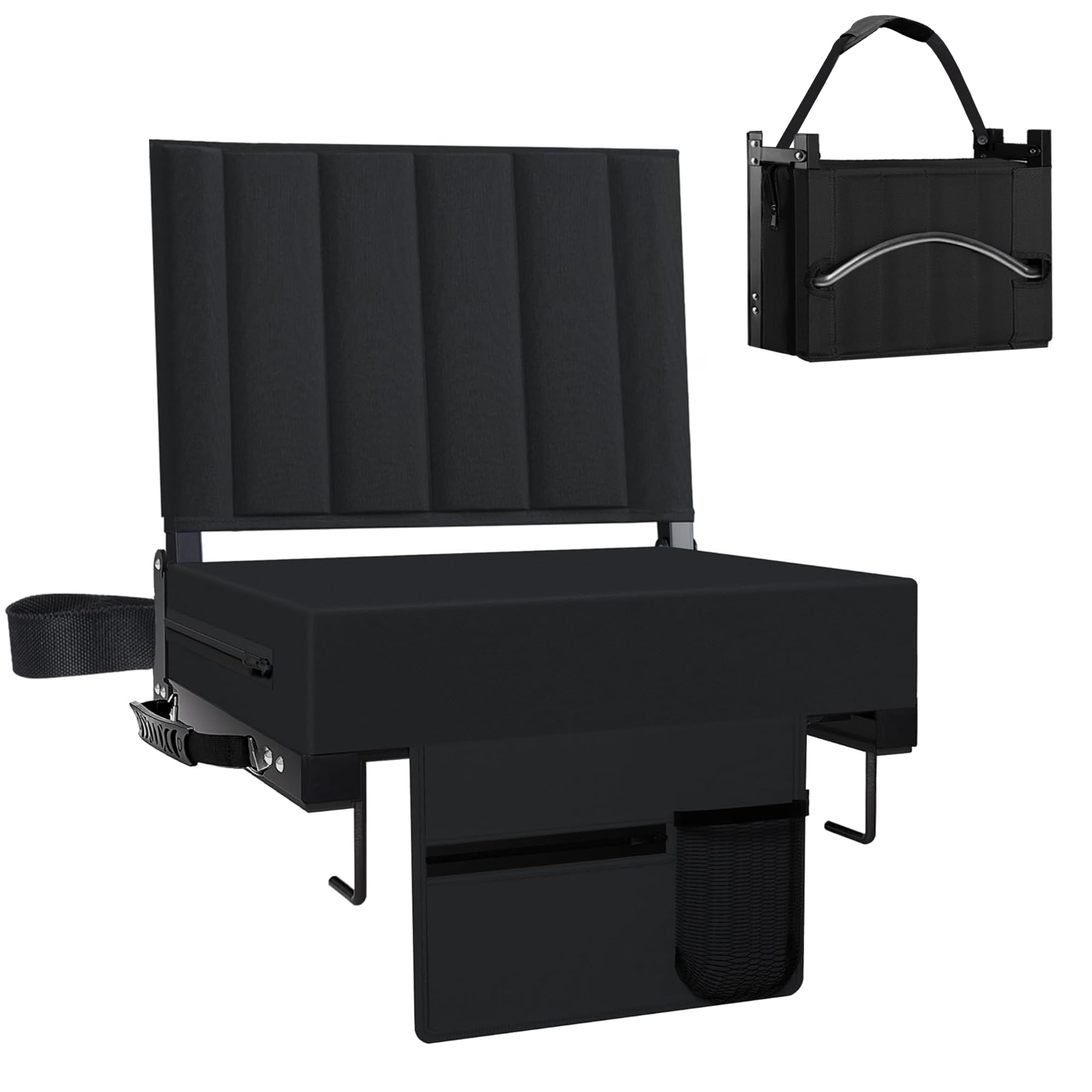
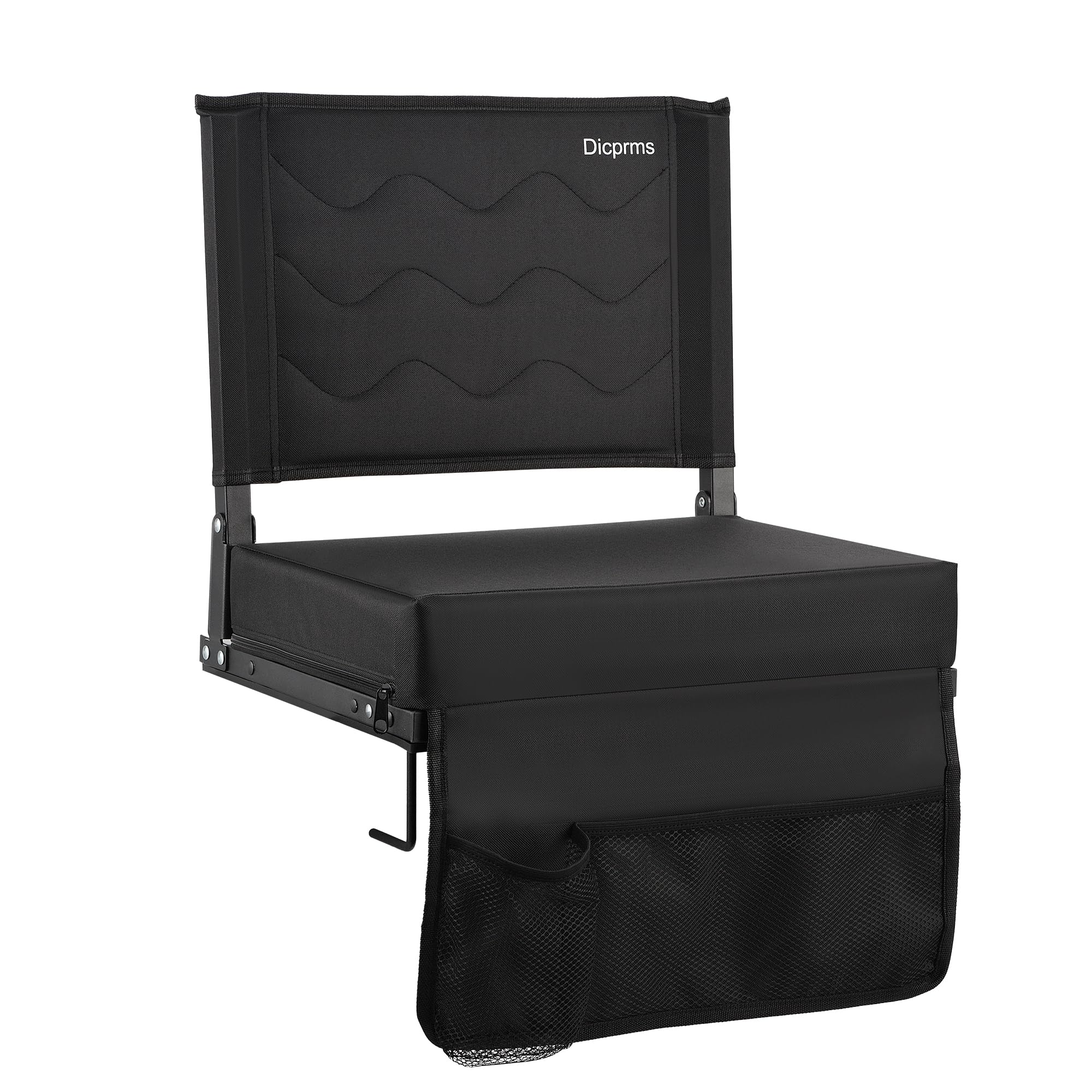

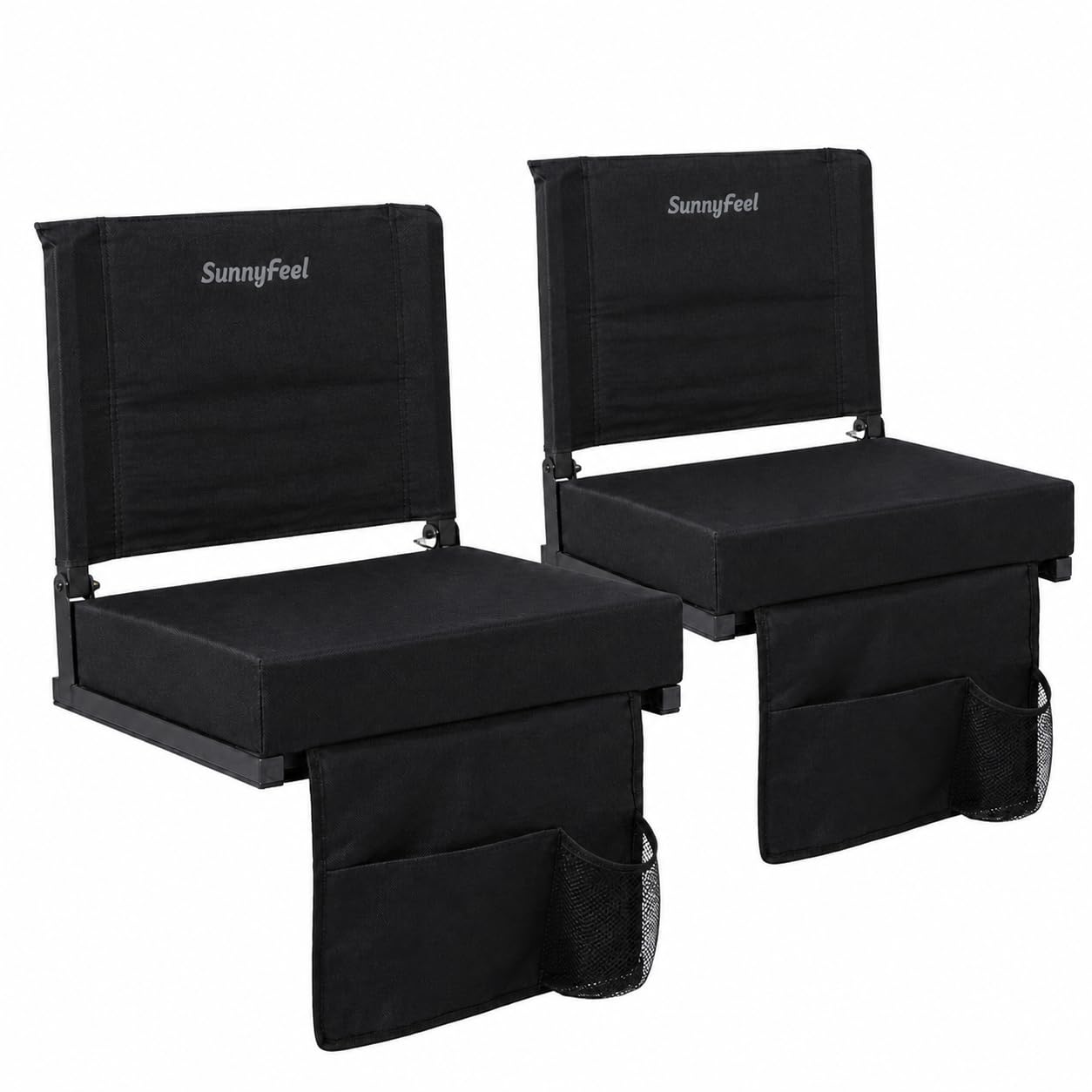
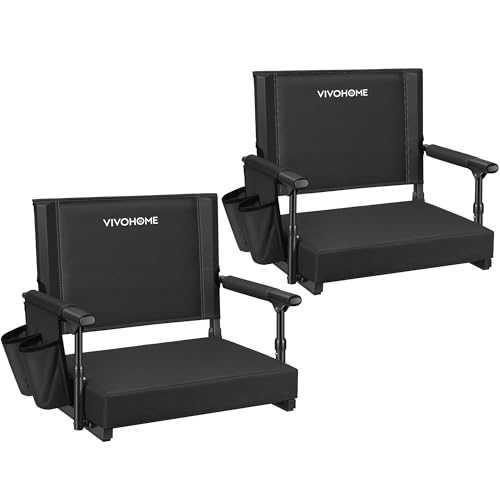

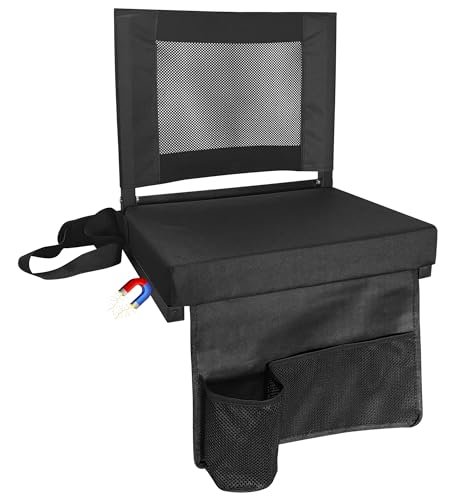


What Actually Matters: A Buyer Checklist
A ballpark chair is a portable seat built for a bench and nothing more, so casters, gas lifts and powered features that matter in indoor chairs mean nothing in the stands.
Cushion Depth and Back Support
A bleacher is a hard bench class of seating, usually a bare aluminum or wooden plank with no give and no back. That is why a cushion and a backrest govern comfort across a full game length: the pad absorbs the plank, and the backrest supports your spine between innings. Look for padding about 1 to 3 inches thick on a framed seat, since thin foam alone compresses flat within an hour. A backrest that reaches your shoulder blades supports you far better than a low strip that only touches your hips.
Bench Attachment: Clamps and Hooks
A seat that slides every time you stand up quickly becomes more annoying than the bare bench. A clamp or hook governs how well the seat stays put on the bench: L shaped hooks slide under the plank and hold by gravity, while screw clamps grip thicker wooden or concrete edged benches more firmly. Before you buy, picture the benches at your park, because a hook that fits a thin aluminum plank may not close over a wide wooden one. Bleachers with no edge at all call for a framed seat that stands stable on its own.
Seat Width and Weight Rating
Seat width runs about 16 to 21 inches across common stadium seats, and those inches decide whether your hips feel pinched late in the game. Wider seats also leave more room for a jacket folded beside you on cold spring nights. Every framed seat carries a weight rating, most often about 250 to 350 pounds, and that number reflects the frame and rivets rather than the foam. Choose a rating comfortably above the sitter, because ratings assume still sitting, not a kid climbing over the seat mid game.
Frame and Fabric
Most frames are powder coated steel or lighter aluminum, and the honest trade is strength against carry weight. Steel feels sturdier and usually costs less, while aluminum shrugs off rain games without rust worries. Fabric is commonly polyester, sometimes with mesh panels that breathe on hot doubleheader days. Shoppers who sort seating by build standards in our guide to best quality chairs will recognize the same logic here: stitching and frame joints fail long before foam wears out.
Carry Weight and Folded Size
The walk from the parking lot to the far bleachers is part of every game day, so a carry class governs how willing you are to bring the seat at all. Most stadium seats weigh about 2 to 7 pounds, and a shoulder strap or carry handle matters more than one pound of difference. Check the folded thickness too, especially if two or three seats must share one trunk. A seat that folds flat stacks neatly; a bulky one becomes the reason it stays home.
Warranty and Returns
You cannot sit in a stadium seat before it arrives, so the return window is your test sit. A seller who allows returns after a home tryout takes the sizing risk off your shoulders. Frame warranties of at least a year are a reasonable baseline, and coverage should name the frame and clamp hardware rather than only the fabric. Keep the packaging until after the first game, because a seat that feels fine in the kitchen can feel very different across nine innings.
What Each Price Band Buys
Prices for stadium seats cluster into three bands, and the product table above shows where current options fall within them.
Under $25: Simple Foam Pads
The lowest band buys a plain cushion with no frame, no back, and often no attachment at all. These pads suit short youth league games and weigh almost nothing. The trade is support: once a game runs long, a pad alone does little for your back.
About $25 to $50: Framed Seats With Backs
The middle band is where most buyers should land, because it adds a frame, a real backrest, and hooks or a clamp. Many seats here include armrests and a cup holder. For a full season of games, this band delivers the comfort jump that matters most per dollar.
About $50 to $90: Wide and Extra Padded Seats
The top band buys width, thicker foam, and stronger frames with higher weight ratings. Reclining backs with several angle settings appear here, along with padded armrests and larger cup holders. This band makes sense for tournament weekends and long playoff days, when seat time stretches well past a single game.
Quick Buyer Checklist
- Does the seat have a hook or clamp that matches the benches at your park?
- Is the padding at least an inch thick, with a backrest that reaches your shoulder blades?
- Is the seat wide enough for the sitter, with a weight rating to spare?
- Can one person carry it from the lot to the stands without a struggle?
- Does it fold flat enough for your trunk or closet?
- Does the seller allow returns after a first game tryout?
Red Flags to Watch For
- No stated weight rating, which usually means the frame was never tested to one.
- Foam under an inch thick sold with luxury wording, because it will feel like the bare bench within an hour.
- Hooks with no clamp option, which leaves the seat loose on thick wooden benches.
- Fabric listed only as premium material with no fiber named, so you cannot judge how it handles rain or sun.
- No return policy, which turns a sizing guess into a permanent purchase.
How to Make Your Ballpark Chair Last Longer
Shake off dirt and dry the seat fully after rain games before storing it, since trapped moisture mildews fabric and rusts steel frames. Store it indoors out of direct sun, which fades and weakens polyester over a few summers. Tighten clamp screws and check rivets once a season, and brush mud off the hooks so they keep gripping cleanly.
Your Ballpark Chair Questions Answered
What size ballpark chair fits a standard bleacher bench?
Most bleacher benches are planks about 10 to 12 inches deep, so a seat base near that depth sits flat without tipping. Measure the open space below your usual bench as well, because hooks need a few inches of clearance to swing under the plank. If your park has unusually deep concrete rows, choose a seat with a stated bench depth range rather than guessing from photos. A phone photo of the bench, with your shoe beside it for scale, settles the question first.
Can a ballpark chair be used on concrete stadium steps?
Yes, but only a framed seat that stands stable on its own frame, because hooks and clamps need a bench edge to grip. On flat concrete, the seat behaves like a low camp chair, and its feet should be flat and nonslip so it does not skate when you lean. Steps that slope toward the field can tilt a tall backrest forward, so a lower back design feels steadier there. Check that the seat still leaves the walkway behind you clear for other fans.
Are armrests and cup holders on a ballpark chair worth the extra cost?
They are worth it when your games run long and your bench row has room, because armrests ease standing up and a holder keeps drinks off the bench. The cost is width: armrests can push a seat several inches wider, which crowds a neighbor on a packed bench. Cup holders mounted low between the seats cause fewer spills than holders at elbow height. If your park sells out most games, a plain seat often fits the crowd better.
Are ballpark chairs allowed in every stadium?
Most school, youth, and minor league parks allow them, but some larger venues limit seat width or ban clamps that could damage benches. A few stadiums rent their own seats and restrict outside ones at the gate. The rules usually sit on the venue website under a gate policy page. When in doubt, a simple cushion without hardware passes almost everywhere, since it changes nothing about the bench itself.
When should a ballpark chair be replaced?
Replace it when the foam stays compressed after a night of rest, because flattened padding no longer protects you from the plank. A frame that wobbles at the rivets or a clamp that has bent out of shape are safety signs, not quirks to live with. Torn fabric at a stress point usually spreads quickly once seams start to go. If the frame still folds and clamps well, a fresh cushion pad can extend its life one more season.
Final Thoughts
Three checks decide almost every good purchase: a cushion and back that suit a full game, an attachment that matches your benches, and a carry weight you will actually bring along. Run any candidate in the product table above against those checks and the right class of seat becomes obvious. Choose well and the best ballpark chairs turn the hardest seat in the park into the one you look forward to. Prices and availability can change, so check the product page before ordering.


